Sir Ian McKellen: The Shakespearean Giant, Hollywood Star And LGBTQ+ Campaigner Who Helped Change Britain
Sir Ian McKellen is one of Britain’s greatest actors and a major LGBTQ+ pioneer whose visibility and activism helped shape the fight for equality.

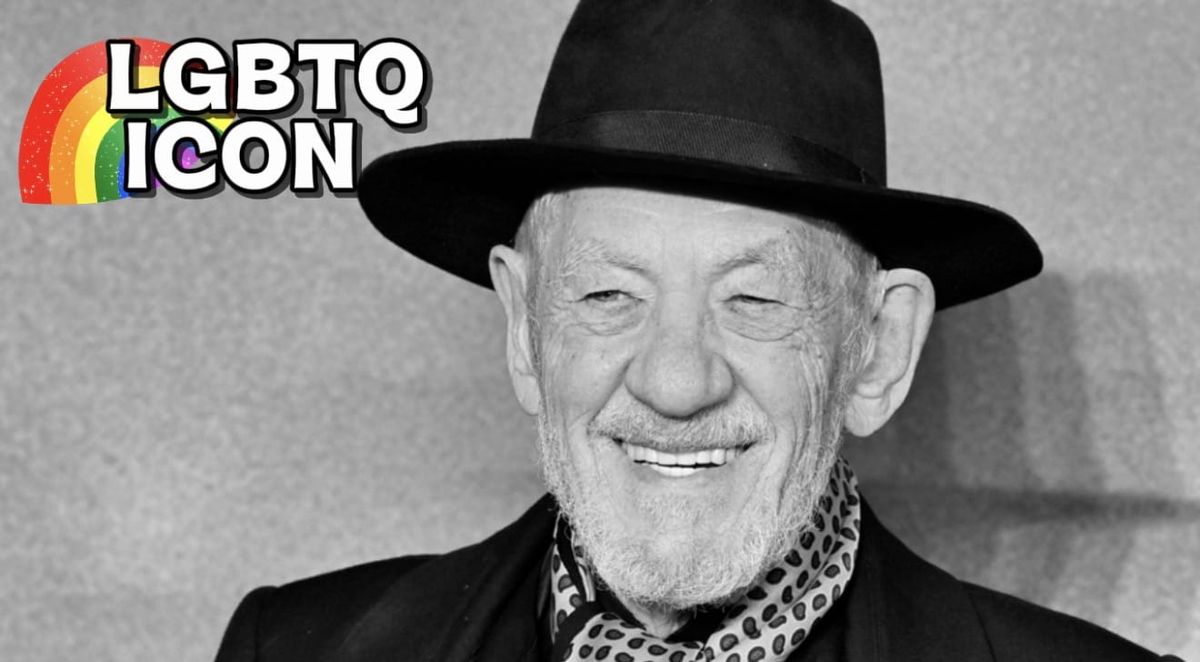
Few British actors have earned the level of respect, affection and cultural influence enjoyed by Sir Ian McKellen.
Across more than six decades, he has become one of the defining performers of his generation, acclaimed on stage, television and film. From Shakespearean kings and tragic heroes to Gandalf in The Lord of the Rings and Magneto in X Men, McKellen has brought some of the most memorable characters in modern entertainment to life.
Yet his story reaches far beyond acting. Sir Ian McKellen is also one of the most important LGBTQ+ figures in modern British history. At a time when many public figures still felt unable to speak openly about sexuality, McKellen chose visibility. His decision to come out publicly in 1988 placed him at the centre of a growing movement for LGBTQ+ equality in Britain.
That decision mattered because of the world he had grown up in. McKellen was born in 1939, at a time when sex between men was still criminalised in Britain. He came of age in a society where many LGBTQ+ people were forced into secrecy, silence and fear. He later witnessed decriminalisation, the AIDS crisis, Section 28, the fight for equal rights and the arrival of same sex marriage.
Through those changes, he did more than watch history happen. He helped shape it.Today, Sir Ian McKellen is rightly celebrated as one of Britain’s greatest actors. But his legacy is also rooted in courage, honesty and activism. His life shows how visibility can become a form of resistance, and how a public figure can use fame to make life easier for those coming after them.
Early Life In Burnley, Wigan And Bolton
Ian Murray McKellen was born on 25 May 1939 in Burnley, Lancashire.
Britain entered the Second World War only months later, meaning his earliest years unfolded against the backdrop of wartime uncertainty. Although he was too young to understand the full political scale of the conflict, wartime Britain shaped the world around him through rationing, blackouts, air raid precautions and the everyday strain felt by families across the country.
Although born in Burnley, McKellen spent much of his childhood in Wigan before the family later moved to Bolton. Those northern roots remained an important part of his identity. His father, Denis Murray McKellen, was a civil engineer. His mother, Margery Lois Sutcliffe, encouraged creativity and imagination within the family. Books, stories, music and theatre all became part of Ian’s childhood world.
When McKellen was twelve, his mother died from breast cancer. The loss had a deep effect on him. His father later remarried, and Ian continued growing up in a household where culture, learning and independence were valued.
These early years matter because they shaped more than the actor he would become. They shaped his resilience, his seriousness, his curiosity and his ability to understand loss. Long before he became a household name, McKellen was a boy from the north of England finding comfort and possibility in performance.
Discovering Theatre
Theatre entered McKellen’s life early. His parents took him to productions when he was young, and those experiences left a lasting impression. For him, theatre was not simply entertainment. It was a world where language, emotion and imagination came alive in front of an audience.
At school, he became increasingly involved in drama. Teachers recognised his ability, but it was not just natural talent that set him apart. McKellen was fascinated by the craft of acting itself. He cared about words, rhythm, character and the relationship between performer and audience.
That early seriousness would later become one of his greatest strengths. For many young people, school plays are a temporary interest. For McKellen, they became the beginning of a lifelong vocation. Acting offered him a way to explore different lives, different emotions and different truths.
It also offered something more personal. For a young gay man growing up in a society where honesty about sexuality was dangerous, theatre provided a space where identity, disguise, longing and performance could all exist together.
Cambridge And The Making Of An Actor
After attending Bolton School, McKellen won a place at St Catharine’s College, Cambridge.
Cambridge had a long history of student theatre, satire and performance. For McKellen, it offered the ideal environment to grow as an actor. He immersed himself in productions, worked alongside other talented students and developed the discipline that would underpin his professional career.
His university years helped refine his understanding of performance. He studied language carefully, learned how to command a stage and developed the confidence to tackle major roles.
Cambridge also broadened his intellectual world. McKellen would later become known not only as a great actor, but as a thoughtful, articulate and politically aware public figure. Those qualities were already developing during his student years.
By the time he left university, acting was no longer simply an ambition. It was the life he intended to build.
Building A Career In Repertory Theatre
Like many great British actors of his generation, McKellen did not become famous overnight.
After university, he worked in repertory theatre, where actors were expected to move quickly between roles, productions and styles. The work was demanding. The pay was often modest. The pace required discipline and stamina.
Those years were invaluable. Repertory theatre taught McKellen how to act under pressure. It taught him versatility. It taught him how to hold an audience, how to serve a play and how to find truth in characters who might be very different from himself.
It also gave him the kind of grounding that cannot be manufactured by instant fame. McKellen built his reputation production by production, proving himself on stage before wider audiences knew his name.
That foundation explains much of his later success. Whether playing Shakespeare, fantasy, superhero cinema or modern drama, McKellen brought with him the skill of someone who had learned his craft properly.
Becoming One Of Britain’s Great Stage Actors
Throughout the 1960s and 1970s, Ian McKellen established himself as one of Britain’s leading stage performers.
His Shakespeare work became especially admired. He played kings, villains, lovers and broken men with a clarity that helped audiences connect with the text. McKellen has always understood that Shakespeare should not feel locked away in a museum. The language may be centuries old, but the emotions are immediate.
That is why his performances mattered. He brought intelligence to the roles, but also humanity. His characters were rarely distant figures of literary importance. They were men with ambition, fear, rage, tenderness, cruelty and regret.
His work in plays such as Richard II, Macbeth and King Lear helped confirm his place among the finest theatre actors of his generation. By the time Hollywood came calling, British theatre audiences and critics already knew his importance.
Long before Gandalf and Magneto made him globally recognisable, Ian McKellen was already a giant of the stage.
Richard III And A Career Defining Screen Role
Among McKellen’s most celebrated roles was Richard III. His interpretation of Shakespeare’s infamous king became one of the defining performances of his career. The production later led to the 1995 film adaptation, which reimagined the story in an alternative 1930s style fascist Britain.
McKellen starred in the film and also helped adapt the screenplay. The project showed his range beyond performance alone. He understood how to make Shakespeare visually and politically alive for modern audiences. Richard III was not treated as a remote historical piece, but as a story of power, manipulation and authoritarian ambition.
The film remains one of the best examples of McKellen’s ability to bring classical theatre into conversation with modern concerns. It also showed why his career has lasted so long. He has never been content simply to repeat what worked before. He has continued to seek new ways of making old stories feel urgent.
Living As A Gay Man Before Equality
McKellen’s professional success unfolded alongside a very different personal reality.
Sex between men remained illegal in England and Wales until 1967. Even after partial decriminalisation, prejudice remained widespread. Many LGBTQ+ people faced rejection, discrimination and damage to their careers if they were open about who they were.
The entertainment industry often encouraged secrecy. Actors feared losing roles. Public figures feared press intrusion. LGBTQ+ people were frequently expected to remain quiet, especially if they wanted mainstream success.
McKellen came of age in that environment. He had relationships, friendships and connections within LGBTQ+ life, but public openness carried real risk. Like many gay men of his generation, he learned to navigate a society where honesty could come with consequences.
That context makes his later decision to come out publicly even more significant. It was not a casual announcement made in a supportive age. It was a deliberate act of honesty at a time when LGBTQ+ rights were still under political attack.
Relationships And Sean Mathias
McKellen has generally kept parts of his private life private, but he has spoken about important relationships. One of the most significant was with director Sean Mathias. Their relationship became an important part of McKellen’s personal and creative life, and the two later continued to work together professionally.
Their connection is important because it shows another side of McKellen’s story. Public figures are often reduced to career achievements, but LGBTQ+ history is also about love, companionship, heartbreak, friendship and chosen family.
McKellen’s openness about his life helped normalise conversations about same sex relationships at a time when visibility was still limited.
He did not present himself as perfect or as a symbol without complexity. He spoke as a real person with relationships, memories and experiences. That honesty made his public presence more powerful.
Section 28 And The Decision To Come Out
One of the most important moments in Ian McKellen’s life came in 1988. The Conservative government introduced Section 28, legislation that prohibited local authorities from intentionally “promoting homosexuality”. The law became especially damaging in education and youth services, contributing to silence and fear around LGBTQ+ lives in schools.
For many LGBTQ+ people, Section 28 felt like a direct attack. It sent a message that gay lives were unsuitable for discussion, support or protection. McKellen opposed it strongly. During a BBC Radio interview about the legislation, he publicly stated that he was gay.
The decision attracted attention because openly gay public figures were still relatively rare. Some people feared coming out might damage his career. Instead, McKellen later described it as one of the best decisions he ever made.
Coming out gave him a new kind of freedom. It also gave others visibility at a time when many LGBTQ+ people felt isolated. For younger people listening, seeing someone successful, respected and articulate speak openly about being gay mattered deeply. It challenged the shame that laws like Section 28 helped create.
Helping Found Stonewall
The fight against Section 28 inspired a new wave of LGBTQ+ activism. McKellen became one of the founding figures of Stonewall, the organisation that would become one of Britain’s most influential LGBTQ+ rights groups. Its early aims were drawn up at a meeting in his Limehouse home, and the organisation formally emerged in 1989.
Stonewall campaigned on issues including discrimination, legal equality, workplace rights, education and public policy. It became central to many of the battles that reshaped LGBTQ+ life in Britain.
McKellen’s involvement mattered because he brought public attention, credibility and reach. As a respected actor, he could speak to audiences beyond activist circles. He could sit in interviews, appear at events and make the case for equality in a way that many people were willing to hear.
That is not to say progress was easy or automatic. LGBTQ+ rights were won through years of campaigning by many people and organisations. But McKellen’s role was significant. He used his platform when it mattered.
From Theatre Legend To Hollywood Star
Remarkably, some of McKellen’s most famous screen roles arrived after decades of theatre success.
By the time he became a global film star, his reputation in British theatre was already secure. But cinema introduced him to audiences who may never have seen him on stage. In 2000, he appeared as Magneto in X Men.
The role was a perfect fit. Magneto is powerful, wounded, morally complex and shaped by trauma. McKellen brought intelligence and dignity to the character, making him far more than a standard comic book villain.
His performance helped give the film emotional weight. For many viewers, Magneto became one of the most memorable characters in the franchise.
There was also an added layer of meaning. X Men has often been read as a story about difference, prejudice and marginalised people fighting to survive in a world that fears them. McKellen, as an openly gay actor and campaigner, brought a particular resonance to the role.
Gandalf And Global Recognition
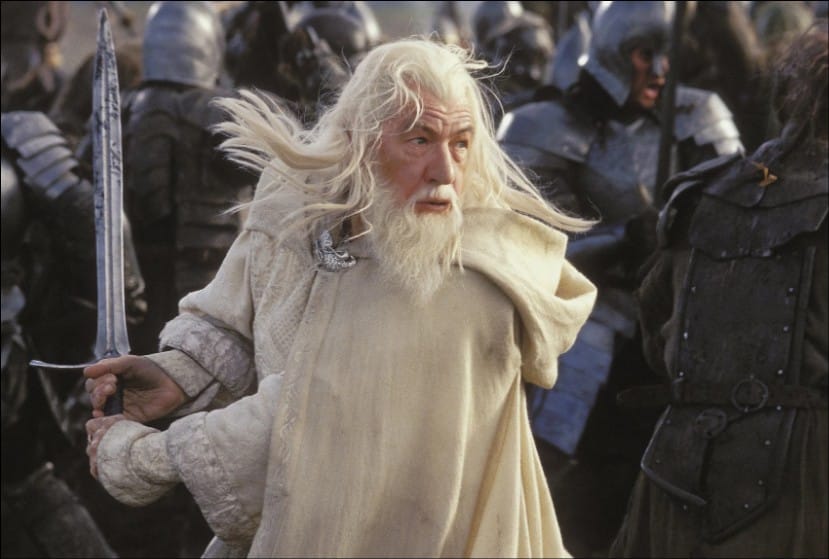
If one role defines Ian McKellen for modern global audiences, it is Gandalf. His portrayal of the wizard in The Lord of the Rings trilogy became iconic. Wise, compassionate and powerful, Gandalf became one of the defining roles of McKellen’s screen career.
The films became a worldwide phenomenon, winning major awards and attracting millions of devoted viewers. McKellen’s performance earned international acclaim and an Academy Award nomination for The Fellowship of the Ring.
For many younger audiences, Gandalf was their introduction to Ian McKellen. That role transformed him from a respected British actor into a global star. Yet what made his Gandalf so memorable was not only the costume, the staff or the scale of the films. It was the emotional truth he brought to the character.
McKellen gave Gandalf warmth, humour, authority and sadness. He made him feel ancient without making him distant. He made him magical without losing the human feeling underneath. That is the skill of a great actor.
A Brief Visit To Coronation Street
McKellen’s screen career has also included a memorable stop on the cobbles.
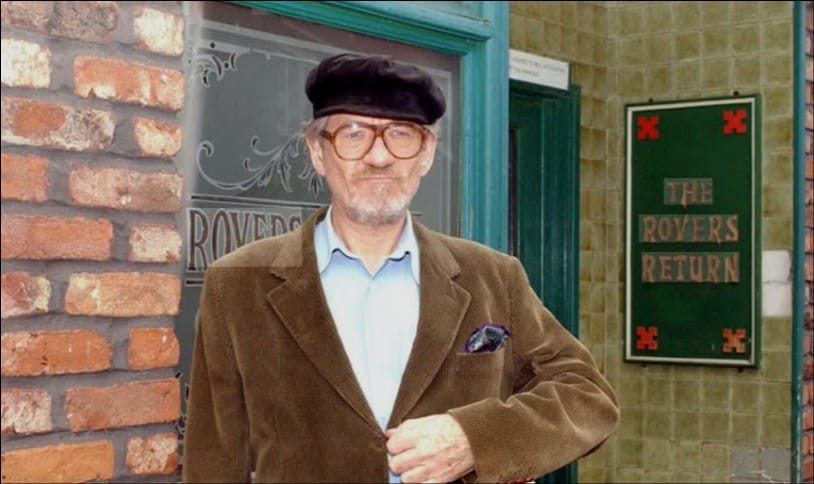
In 2005, he appeared in Coronation Street as Mel Hutchwright, a flamboyant novelist who arrived in Weatherfield and became involved with the local book club. The character was later exposed as a conman, with Ken Barlow among those who saw through him.
The guest role lasted ten episodes and allowed McKellen to fulfil a long held ambition to appear in the ITV soap. For a performer so closely associated with Shakespeare, fantasy and major film franchises, his Coronation Street appearance remains a lovely reminder of his affection for popular British television and his willingness to enjoy a role outside the expected shape of a classical acting career.
A Lifelong Advocate For LGBTQ+ Equality
McKellen’s activism did not end with coming out or helping found Stonewall.
Over the decades, he continued speaking at schools, universities, theatres, Pride events and community spaces. He met young LGBTQ+ people, supported campaigns and used interviews to challenge prejudice.
One of his greatest strengths as an advocate has been his ability to speak across generations. He understands the fear and secrecy experienced by older LGBTQ+ people. He also understands the hopes and pressures faced by younger people growing up in a different but still imperfect world.
His message has remained consistent: Visibility matters. Representation matters. Equality matters. McKellen has never suggested that coming out is simple for everyone. Instead, his own story shows how powerful honesty can be when it becomes possible. He helped create space for others by stepping into public visibility himself.
Honours And Recognition
McKellen’s achievements have been recognised through major honours.
He was appointed CBE in 1979. In 1991, he was knighted for services to the performing arts. In 2008, he was also appointed to the Order of the Companions of Honour for services to drama and equality, further recognising the two defining strands of his public life: performance and activism.
Across his career, he has received numerous awards and nominations for theatre, television and film. These honours reflect a body of work few actors could match.
But McKellen’s legacy cannot be measured only in awards. His impact also lives in the young people who saw him come out and felt less alone. It lives in the campaigns he supported. It lives in the classrooms and communities where LGBTQ+ lives became easier to discuss because people like him refused to be silent.
His career would be remarkable even without the activism. The activism makes it historic.
Why Ian McKellen Still Matters Today
Few public figures have lived through as many chapters of modern LGBTQ+ history as Sir Ian McKellen.
He was born when homosexuality between men was criminalised. He grew up in a society where silence was expected. He watched partial decriminalisation arrive in 1967. He lived through the AIDS crisis. He fought against Section 28. He helped establish Stonewall. He saw same sex relationships move from criminalisation to legal recognition and marriage equality.
That perspective gives his voice unusual weight. He understands how quickly rights can change, how long change can take and how easily progress can be taken for granted.
For younger generations, McKellen’s story provides vital context. The rights many LGBTQ+ people now have were not inevitable. They were won through courage, protest, visibility, argument and persistence. McKellen’s life sits inside that history.
He is not only an actor who happened to be gay. He is a gay man who used the public respect he had earned as an actor to push for a more equal country.
Where To Watch Ian McKellen’s Most Famous Work
For viewers discovering Ian McKellen’s career, there are several key performances that show the range of his work.
The Lord of the Rings trilogy remains essential viewing for his portrayal of Gandalf. The performance combines warmth, authority and emotional depth, and remains one of the most beloved fantasy performances in cinema.
The Hobbit trilogy brought him back to the same role for a new generation. X Men introduced McKellen to superhero audiences as Magneto, a role that allowed him to explore power, trauma and moral complexity.
Richard III remains one of his most important Shakespeare screen performances, showing how effectively he could bring classical material into a modern political setting.
Gods and Monsters is also a key film in his career. McKellen played director James Whale, the openly gay filmmaker best known for Frankenstein and Bride of Frankenstein. The role earned McKellen major acclaim and remains one of his most important screen performances connected to LGBTQ+ history.
For theatre lovers, recorded performances, interviews and archive material also offer a way into his Shakespeare work, though nothing quite replaces the stage career that made his name long before Hollywood arrived.
Ian McKellen Timeline
1939: Ian Murray McKellen is born in Burnley, Lancashire.
1940s: Spends much of his childhood in Wigan during and after the Second World War.
1950s: Moves with his family to Bolton and continues developing his interest in theatre.
1958: Begins studying at St Catharine’s College, Cambridge.
1961: Starts his professional acting career.
1960s and 1970s: Establishes himself as one of Britain’s leading stage actors.
1979: Appointed CBE.
1988: Publicly comes out as gay during a BBC Radio discussion about Section 28.
1989: Becomes one of the founding figures of Stonewall.
1991: Knighted for services to the performing arts.
1995: Stars in and helps adapt Richard III for film.
1998: Receives major acclaim for Gods and Monsters.
2000: Appears as Magneto in X Men.
2001: Appears as Gandalf in The Lord of the Rings: The Fellowship of the Ring.
2001: Receives an Academy Award nomination for his performance as Gandalf.
2008: Appointed to the Order of the Companions of Honour for services to drama and equality.
2012: Returns as Gandalf in The Hobbit trilogy.
2024: Stars as Falstaff in Player Kings before withdrawing from the national tour after a stage fall.
2026: Confirmed to return to Shakespeare in Lear at London’s rebuilt Yard Theatre and reported to reprise Magneto in Avengers: Doomsday.
Quick Facts
Born: 25 May 1939
Birthplace: Burnley, Lancashire
Raised in: Wigan and Bolton
Education: St Catharine’s College, Cambridge
Occupation: Actor and LGBTQ+ campaigner
Known for: Gandalf, Magneto, Richard III and Shakespearean theatre
Honours: CBE, Knight Bachelor and Companion of Honour
Organisation: Stonewall founding figure
Legacy: One of Britain’s most respected actors and LGBTQ+ campaigners
Legacy Of An LGBTQ+ Icon
Sir Ian McKellen’s acting career alone would secure his place in British cultural history.
His stage work helped define modern Shakespeare performance. His screen roles brought him to global audiences. His Gandalf became beloved across generations. His Magneto gave blockbuster cinema one of its most compelling figures.
But his wider legacy is even bigger than performance. By coming out publicly in 1988, McKellen did something that carried real risk. He chose honesty at a time when LGBTQ+ people were being targeted by damaging legislation. He used his voice when silence would have been easier. He helped create space for others to live more openly.
That is why his story still matters. McKellen’s life shows the distance Britain has travelled, from criminalisation and Section 28 to greater visibility and legal equality. It also reminds us that change does not happen by accident. It happens because people speak, organise, challenge and refuse to disappear.
More than six decades after first stepping onto a professional stage, Sir Ian McKellen remains one of Britain’s most admired performers.
He is a theatre giant. He is a film icon. He is a campaigner. He is a reminder that visibility can change lives.
And for generations of LGBTQ+ people, he remains proof that a life lived openly can become a legacy far beyond anything written in lights.