Michael Kearns remembered as a trailblazer who broke barriers for LGBTQ+ actors
Michael Kearns, one of Hollywood's pioneering openly gay actors and HIV/AIDS activists, has died aged 76.

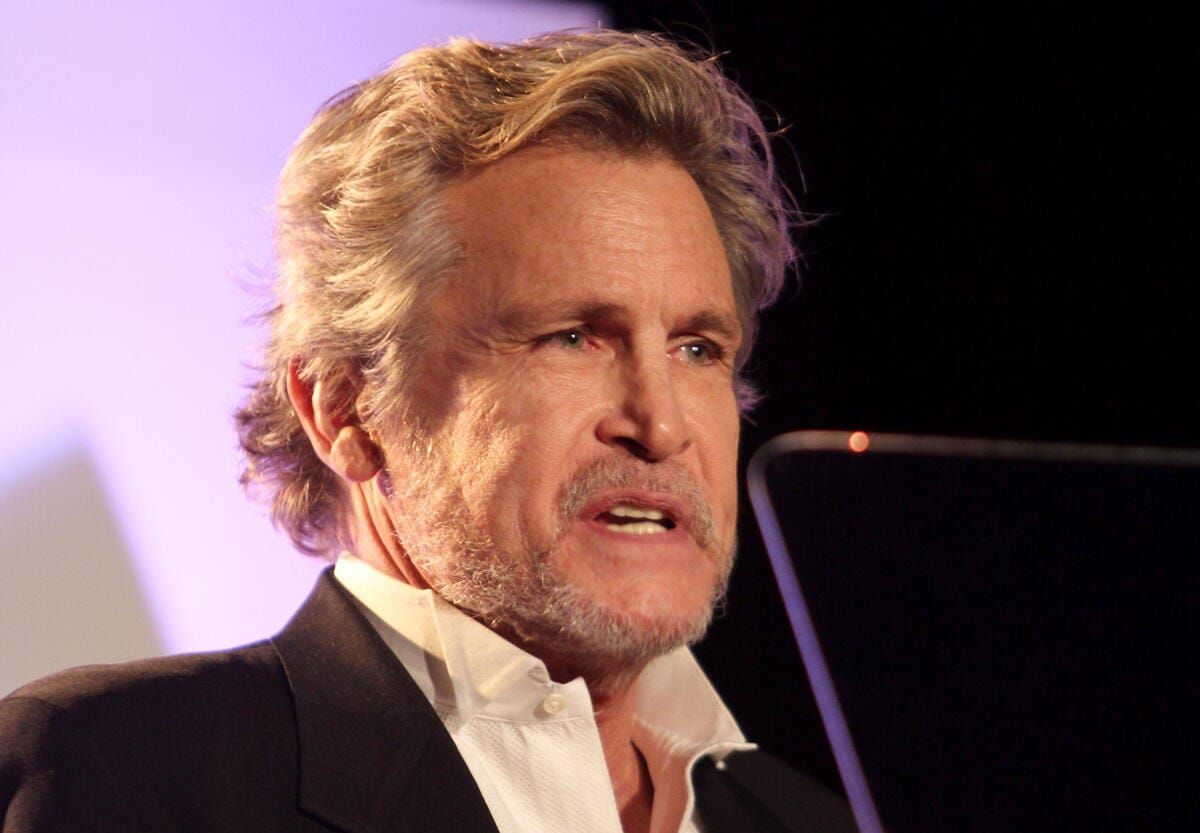
Michael Kearns built a career at a time when openly LGBTQ+ performers could face serious professional consequences, yet he refused to separate his work from his identity.
As an actor, director, writer and activist, Kearns became an important figure in LGBTQ+ entertainment history, using both the stage and screen to bring gay lives and the realities of the AIDS crisis into the public conversation.
His achievements go well beyond his acting credits, with much of his most influential work coming through theatre and activism.
Breaking barriers as an openly gay actor
Kearns came out publicly as gay in the 1970s, when openly LGBTQ+ actors were still working in an industry where being out could affect career opportunities.
He nevertheless established a substantial acting career, appearing in television shows including Cheers and Beverly Hills, 90210, as well as films such as Body Double. His visibility helped challenge the idea that performers had to hide their sexuality to build successful careers.
That became even more significant as the AIDS crisis transformed the lives of LGBTQ+ communities during the 1980s and 1990s.
Bringing the AIDS crisis to the stage
Kearns used theatre to tell stories that mainstream entertainment was often reluctant to confront.
In 1986, he directed the world premiere of Robert Chesley's Jerker, a groundbreaking play centred on two gay men living through the AIDS crisis. At a time when HIV and AIDS were surrounded by fear, misinformation and stigma, the production put gay relationships, intimacy and loss directly on stage.
Kearns also co-founded Artists Confronting AIDS, helping mobilise people within the entertainment industry around the growing crisis and the discrimination faced by those living with HIV.
His work demonstrated how theatre could do more than entertain. It could document what was happening within a community and force audiences to engage with subjects that were frequently ignored elsewhere.
He made his HIV status public
Kearns publicly disclosed that he was HIV-positive in 1991, making another significant contribution to LGBTQ+ visibility.
Public discussion of HIV was still heavily shaped by stigma, while many people living with the virus faced discrimination and social isolation. Kearns used his own public profile to challenge that silence rather than allowing his diagnosis to remain something hidden.
He also brought HIV and AIDS into his acting work. Among his notable roles was AIDS activist Cleve Jones in And the Band Played On, connecting his professional work with the wider history he had already been helping to document through theatre and activism.
A career built around LGBTQ+ visibility
Kearns later established QueerWise, a writing collective that continued his commitment to giving LGBTQ+ people a platform to tell their own stories.
Taken together, his work represents a career built around visibility at a time when that visibility was far from guaranteed. He did not simply become an openly gay actor; he helped create space for LGBTQ+ stories in theatre, television and wider popular culture.
That is what makes Kearns' contribution to entertainment history particularly significant. His legacy is found not only in the productions he appeared in, but in the doors he helped open for performers and storytellers who came after him.