Marsha P. Johnson: The LGBTQ+ icon whose compassion helped shape the fight for equality
Discover the life and legacy of Marsha P. Johnson, the pioneering LGBTQ+ activist whose compassion, advocacy and role in the Stonewall era made her one of history’s most influential LGBTQ+ icons.

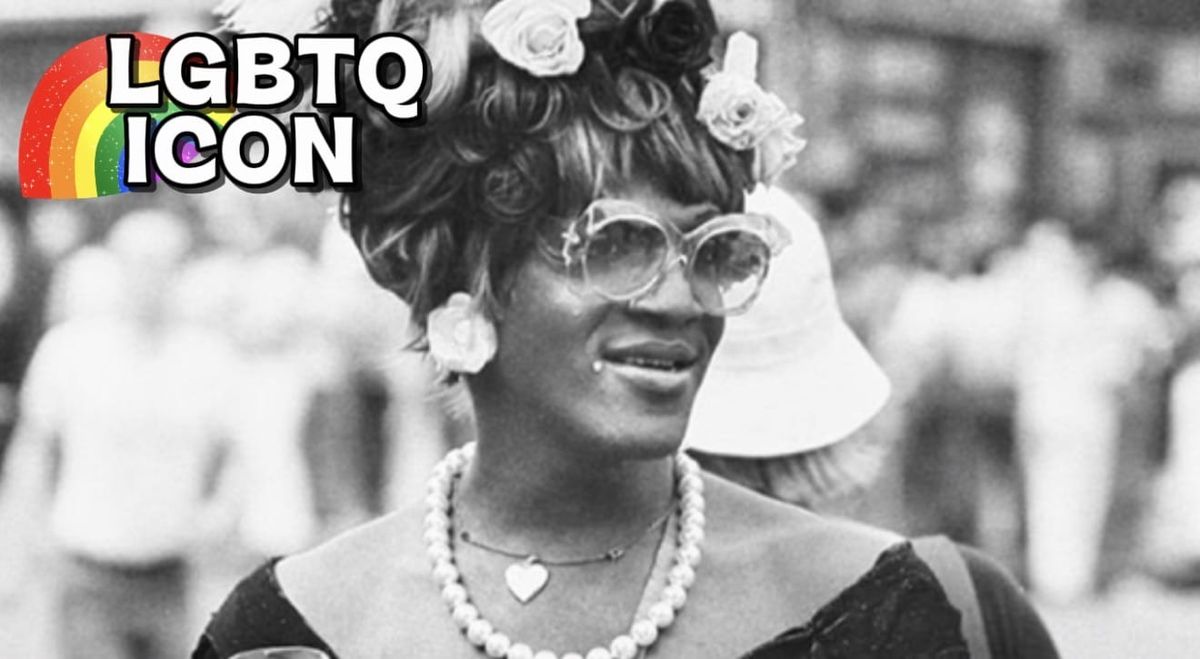
Few people have had a greater impact on the modern LGBTQ+ rights movement than Marsha P. Johnson. A beloved activist, performer and community figure, Marsha devoted her life to supporting those society often overlooked, particularly homeless LGBTQ+ young people, drag queens and transgender and gender non conforming people.
While Marsha is closely associated with the Stonewall uprising of 1969, her greatest contribution came in the years that followed. Through activism, compassion and tireless community work, she helped shape a movement built on equality, dignity and inclusion. Today, she is recognised around the world as one of the most influential figures in LGBTQ+ history
Early life and childhood
Marsha P. Johnson was born Malcolm Michaels Jr. on 24 August 1945 in Elizabeth, New Jersey. She was the fifth of seven children born to Malcolm Michaels Sr., who worked on the General Motors assembly line, and Alberta Claiborne Michaels, a housekeeper.
Raised in a deeply religious Christian household, Marsha experienced discrimination from an early age because of her gender expression. As a child she enjoyed wearing dresses, but after being bullied and assaulted by other children she stopped expressing herself openly.
Despite these painful experiences, Marsha remained determined to live authentically. Friends later described her as someone who always found kindness and humour, even during life’s most difficult moments.
Moving to New York
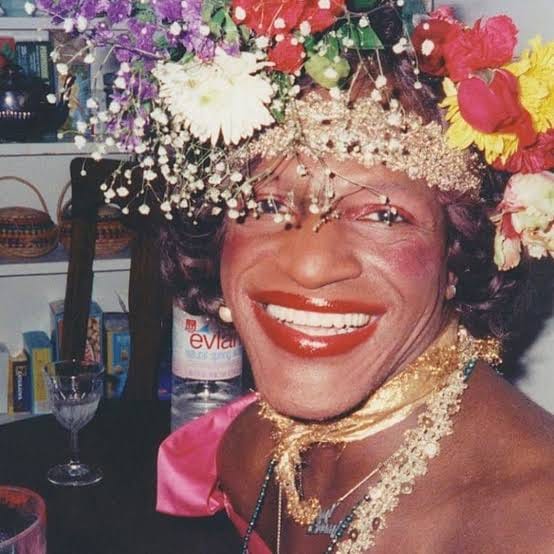
After graduating from Thomas A. Edison Vocational and Technical High School in 1963, Marsha remained in New Jersey for several years before moving to New York City’s Greenwich Village in 1966.
She arrived with very little money and few possessions, but Greenwich Village offered something she had never truly experienced before. For the first time, she found a thriving LGBTQ+ community where she could express herself more freely.
It was during this period that she adopted the name Marsha P. Johnson. Whenever people questioned her gender or identity, she famously replied that the “P” stood for “Pay It No Mind”, a phrase that would become inseparable from her legacy.
Life in New York was far from easy. Marsha frequently experienced homelessness, poverty and discrimination, often relying on friends and temporary accommodation simply to survive. Even so, she became widely known for her warmth, optimism and generosity towards others.
Finding community through drag and performance
Throughout the 1960s, Marsha became a familiar figure within New York’s drag scene.
She regularly performed at local venues, combining music, fashion and comedy with a fearless sense of self expression. Her colourful outfits, elaborate flower crowns and infectious personality made her instantly recognisable throughout Greenwich Village.
Flowers became one of Marsha’s trademarks. If she could not afford fresh flowers, she would make elaborate headpieces from whatever materials she could find, creating a distinctive look that reflected both her creativity and resilience.
Beyond performing, Marsha became known for helping others. Younger LGBTQ+ people who had been rejected by their families often found friendship, encouragement and acceptance through her kindness.
The Stonewall uprising
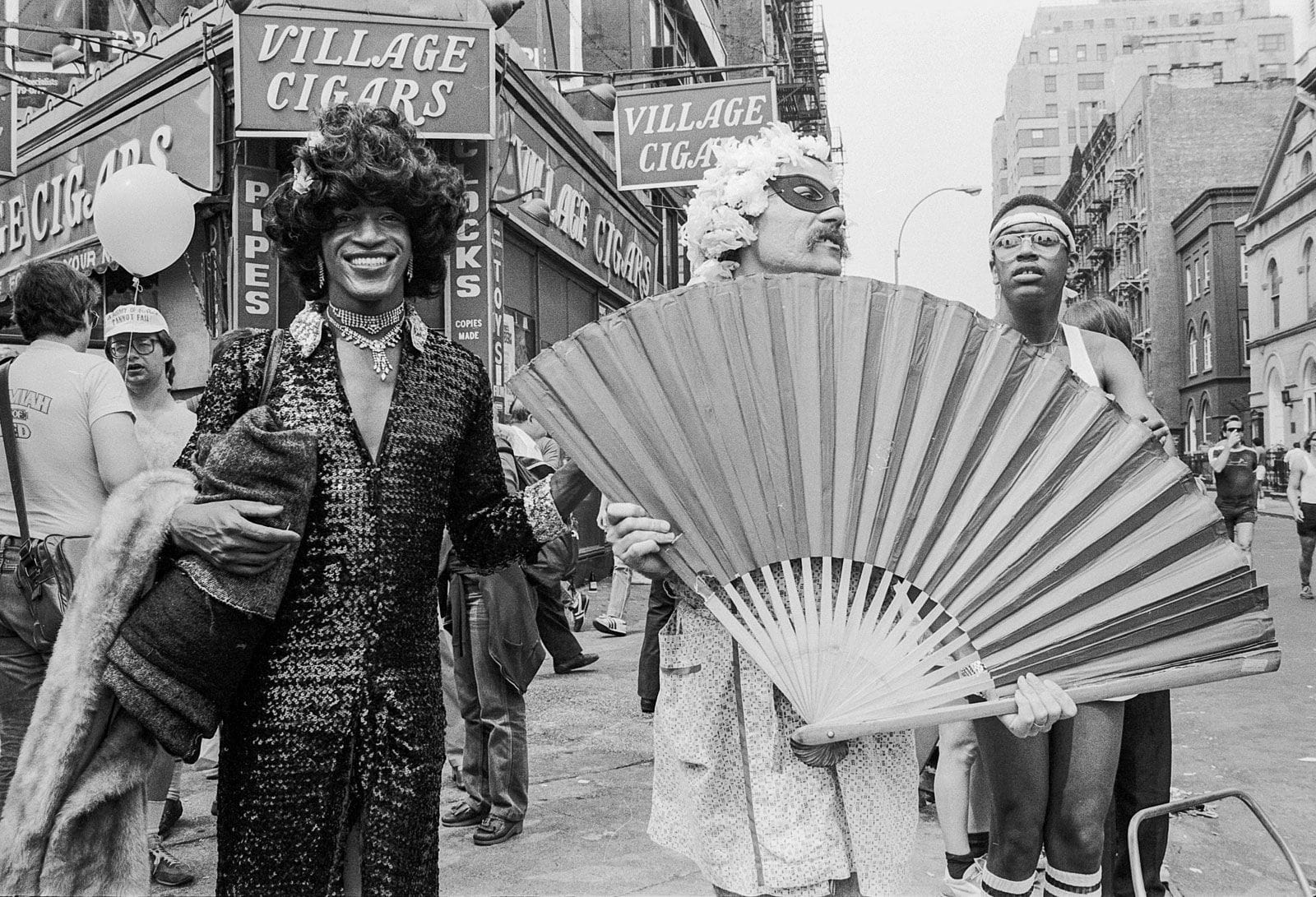
During the early hours of 28 June 1969, police raided the Stonewall Inn, a popular gay bar in Greenwich Village.
Rather than quietly accepting another police raid, patrons and members of the local LGBTQ+ community resisted. The confrontation developed into several nights of protests and is now widely recognised as the beginning of the modern LGBTQ+ rights movement.
Marsha P. Johnson was present in Greenwich Village during the Stonewall uprising and became closely associated with the events that followed.
Over the years, many stories have claimed that Marsha threw the first brick or the first object during the uprising. However, historians have found no conclusive evidence to support those claims, and Marsha herself later suggested she arrived after the unrest had already begun.
What remains beyond dispute is her importance in the years that followed. Marsha became one of the most recognisable faces of the emerging LGBTQ+ rights movement and dedicated much of her life to ensuring the momentum created by Stonewall was not lost.
Founding STAR with Sylvia Rivera
Following Stonewall, Marsha worked closely with fellow activist Sylvia Rivera.
In 1970, the pair co founded Street Transvestite Action Revolutionaries, better known as STAR. The organisation aimed to support homeless LGBTQ+ young people, particularly transgender and gender non conforming people who had been rejected by their families.
Together they established STAR House, providing food, clothing and temporary accommodation for vulnerable young people with nowhere else to turn.
Although STAR operated with very limited resources and constant financial challenges, its impact was profound. Long before many charities or public services recognised the needs of transgender people, Marsha and Sylvia were providing practical support, safety and hope.
Marsha believed activism meant more than organising protests. It meant ensuring that every person deserved somewhere to sleep, something to eat and someone who cared.
Wider activism and Pride marches
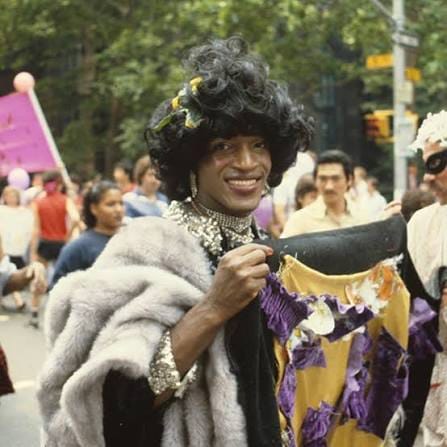
Following Stonewall, Marsha became one of the most recognisable faces of New York’s growing LGBTQ+ rights movement.
She regularly took part in demonstrations, Pride marches and community events, believing that equality should extend to everyone, especially those who had been excluded because of poverty, homelessness, racism or gender identity. While others focused on changing laws, Marsha never lost sight of the people who needed immediate help.
During the AIDS crisis of the 1980s, she also became involved with ACT UP, joining protests calling for greater government action, medical research and access to treatment. Once again, Marsha combined public activism with personal compassion, supporting friends and members of the LGBTQ+ community as HIV and AIDS claimed thousands of lives.
Later years and death
Throughout the 1980s and early 1990s, Marsha remained a much loved figure in Greenwich Village. Despite periods of poor mental health and ongoing financial hardship, she continued supporting those around her and remained committed to LGBTQ+ equality.
Marsha was last seen alive in early July 1992.
On 6 July 1992, her body was discovered in the Hudson River near the Christopher Street Piers. Police initially ruled her death a suicide, but many friends, family members and fellow activists questioned that conclusion, believing it did not reflect either her character or the circumstances surrounding her death.
Years of campaigning led to renewed attention. In 2012, the New York Police Department reopened the case and later reclassified the manner of death as undetermined. No definitive conclusion has ever been reached.
Although the circumstances surrounding her death remain unresolved, they have never overshadowed the extraordinary life she lived or the countless people she inspired.
Historical debates and misconceptions
As Marsha P. Johnson’s profile has grown over recent decades, several stories about her life have become widely repeated online.
The best known claim is that Marsha threw the first brick or started the Stonewall uprising. While this story has become part of popular culture, historians have found no conclusive evidence to support it. Marsha herself later suggested she arrived after the unrest had already begun.
Rather than diminishing her contribution, this places the focus where it belongs. Marsha’s greatest legacy was not one single action during one night in 1969, but more than two decades of activism, compassion and community leadership that followed.
Understanding her story through documented history helps ensure her remarkable achievements are remembered accurately.
Why Marsha P. Johnson matters
Marsha P. Johnson helped change the course of LGBTQ+ history.
She dedicated her life to helping people who were often ignored or rejected by society, providing friendship, compassion and practical support to those who needed it most. Through STAR, she demonstrated that activism was about more than speeches and protests. It was also about ensuring people had somewhere to sleep, something to eat and someone who believed in them.
Marsha also challenged expectations simply by living authentically. At a time when openly gender non conforming people faced widespread discrimination and violence, she refused to hide who she was.
Today, her influence can be seen in Pride celebrations, LGBTQ+ charities, transgender advocacy organisations and campaigns for equality around the world.
Marsha P. Johnson timeline
1945 – Born Malcolm Michaels Jr. in Elizabeth, New Jersey.
1966 – Moves to New York City’s Greenwich Village.
Late 1960s – Becomes a well known figure within New York’s LGBTQ+ community.
1969 – Associated with the Stonewall uprising.
1970 – Co founds Street Transvestite Action Revolutionaries (STAR) with Sylvia Rivera.
1970s – Helps establish STAR House to support homeless LGBTQ+ young people.
1980s – Joins ACT UP during the AIDS crisis.
1992 – Body discovered in the Hudson River on 6 July.
2012 – Investigation reopened and the manner of death later reclassified as undetermined.
Quick facts
Birth name: Malcolm Michaels Jr.
Known as: Marsha P. Johnson
Born: 24 August 1945
Birthplace: Elizabeth, New Jersey, United States
Body discovered: 6 July 1992
Age: 46
Occupation: LGBTQ+ activist, performer and community organiser
Best known for: Stonewall era activism, co founding STAR and supporting homeless LGBTQ+ young people.
Marsha P. Johnson’s LGBTQ+ legacy
More than 30 years after her death, Marsha P. Johnson continues to inspire new generations of LGBTQ+ people and allies around the world.
She has been honoured through documentaries, books, murals, educational programmes and public memorials recognising her contribution to LGBTQ+ history. Her life reminds us that meaningful change is often achieved not only through historic moments, but through everyday acts of kindness and compassion.
Marsha’s willingness to stand alongside those who had been forgotten helped broaden the LGBTQ+ rights movement and ensured that the voices of transgender and gender non conforming people became part of the fight for equality.
Today, Marsha P. Johnson is remembered as one of the movement’s most compassionate leaders. Her courage, resilience and generosity continue to inspire millions and have secured her place as one of the most influential LGBTQ+ icons in modern history.
Sources: This article was researched using biographies, historical records, LGBTQ+ archives and other reputable historical sources.
Inspired by this story? Explore more from the SoapLandTV LGBTQ+ Icons series, where we celebrate the lives, achievements and lasting legacies of the remarkable people who have shaped LGBTQ+ history, culture, equality and representation around the world.