KISS Star Gene Simmons Has a Warning for Musicians About AI
KISS star Gene Simmons warns musicians they must adapt to AI as he discusses digital performers, music rights and the band's virtual future.

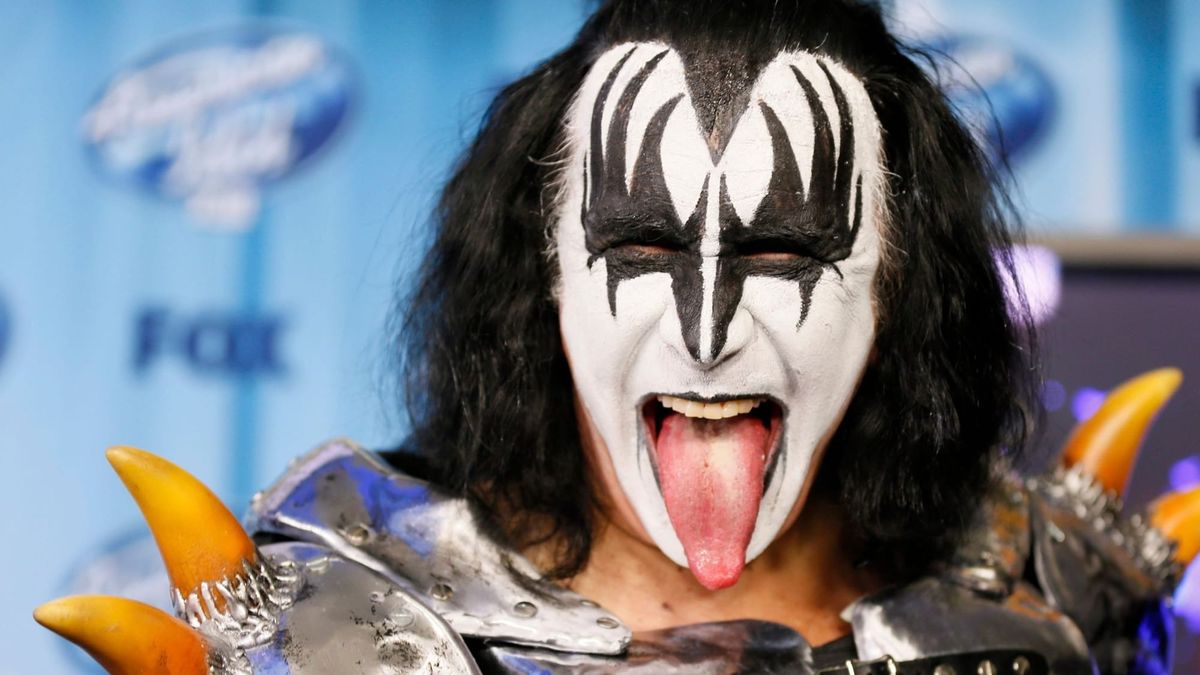
KISS co-founder Gene Simmons has delivered a direct warning to musicians concerned about artificial intelligence, arguing that refusing to embrace the technology will not prevent it from transforming the music industry.
The 77-year-old rock star discussed AI during a NewsNation interview broadcast on 28 October 2026, making clear that he considers its arrival unavoidable.
Gene Simmons Says Musicians Must Adapt to AI
Asked whether artificial intelligence would ultimately help or harm music, Simmons dismissed the suggestion that the industry could simply choose to reject it.
“It doesn’t matter. The future is here,” he said.
He followed that with an equally direct warning: “You’ve got to learn how to use it, otherwise it will use you.”
Simmons did not explain whether he personally uses generative AI to write songs, produce recordings or create new KISS material.
His comments therefore represent a position on the wider technology rather than confirmation of an AI-generated music project.
KISS Has Already Introduced Digital Band Members
The discussion is particularly relevant because KISS has previously explored the possibilities of digital performances.
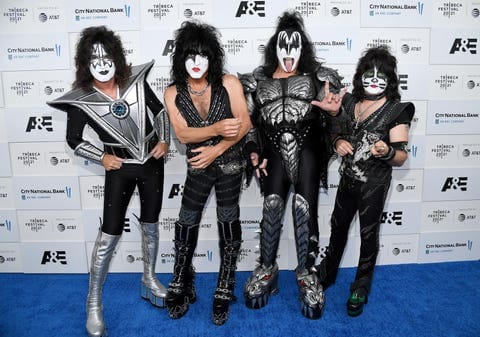
During the band’s final concert at Madison Square Garden in December 2023, Simmons, Paul Stanley, Tommy Thayer and Eric Singer introduced digital avatars designed to continue representing KISS beyond traditional live touring.
Developed through performance-capture and digital entertainment technology, the avatars offer a way for the band’s characters and music to remain part of future productions.
Plans have since emerged for an avatar-based KISS show in Las Vegas, reportedly being developed for 2028.
However, these digital performers should not automatically be treated as AI-generated singers creating entirely new music independently.
The distinction is important as musicians consider how artificial intelligence might affect the ownership and commercial use of their voices, appearances and recordings.
Simmons Is Also Fighting for Musicians’ Payments
Although Simmons believes artists must adapt to AI, he is simultaneously campaigning for changes to the way American radio stations pay performers.
He supports the American Music Fairness Act, legislation intended to require traditional AM and FM radio broadcasters to compensate recording artists and copyright owners when commercially released music is played.
American terrestrial radio stations generally pay royalties to songwriters and publishers, but performers do not receive an equivalent federal royalty simply for having their recordings broadcast.
Simmons argues that artists whose music helps radio stations attract audiences deserve a share of the revenue.
The dispute is separate from AI copyright legislation, although both raise questions about how musicians are compensated when their work generates commercial value.
What’s Next for KISS?
KISS will return to screens with KISS: End of the Road, a documentary scheduled to premiere on 19 November 2026, revisiting the band’s final tour and live performances.
Meanwhile, Simmons’ latest comments establish his position in the debate surrounding AI music. Rather than calling for the technology to disappear, he believes musicians need to understand how it works while continuing to protect their rights and earnings.