Adobe Is Bringing Hit Songs to Premiere Mobile – But Can Creators Actually Use Them?
Adobe is bringing Universal and Warner music to Premiere mobile. Discover the 60-second limit, personal-use restrictions and what AI creators can do.

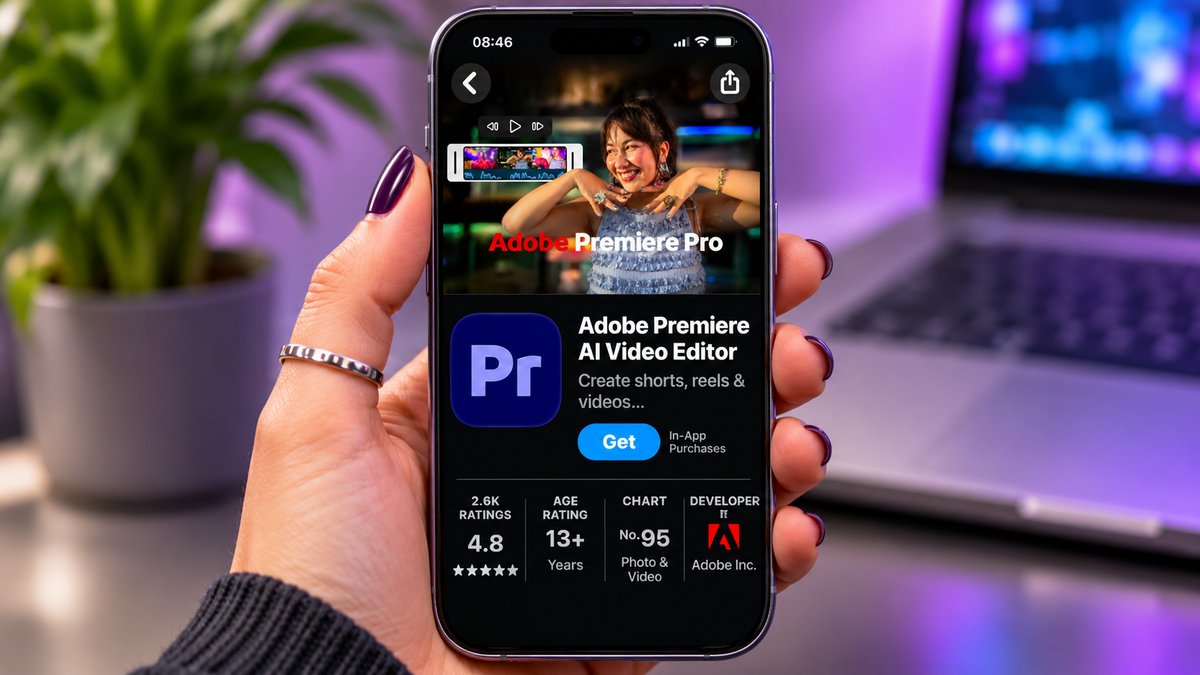
Adobe is bringing music from Universal Music Group and Warner Music Group to its free Premiere mobile video editor, allowing users to add recognisable songs to short videos without arranging individual music licences.
The announcement, made on 3 November 2026, could make creating music-led videos considerably easier. However, the recordings will be available for personal, non-commercial use, creating an important distinction for influencers, independent filmmakers and publishers producing monetised content.
What Music Will Adobe Premiere Mobile Offer?
Adobe’s partnerships will allow creators to search for recordings by artist or song title, preview available music and add clips of up to 60 seconds to their videos.
Users will also be able to explore music collections, filter recordings by genre and duration, and save favourite tracks for future projects.
New editing templates will combine video layouts with music, allowing creators to develop footage around a particular recording rather than choosing a soundtrack after completing the edit.
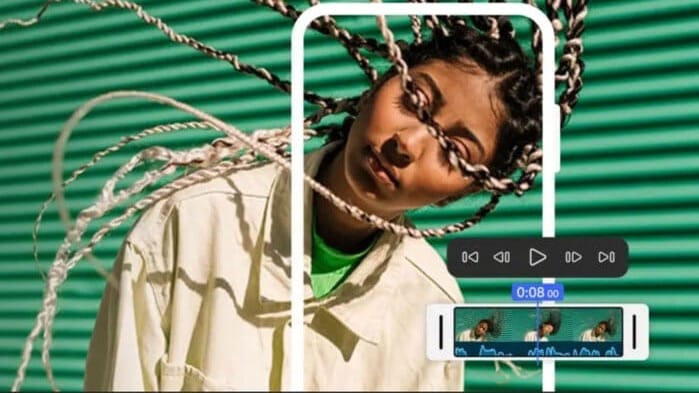
That could be particularly useful for short videos where the rhythm of a song influences the cuts, transitions and overall presentation.
However, the full music catalogue has not been revealed, and a partnership with a major record company does not guarantee that every artist or recording it represents will be available.
Can You Use the Songs on YouTube, TikTok and Instagram?
Adobe says completed videos can be exported and shared on licensed social platforms, giving creators access to authorised recordings within the service’s conditions.
However, the permission is restricted to personal, non-commercial use. It does not automatically allow someone to include the same music in paid advertising, client commissions, sponsored promotional videos or other commercial projects.
That distinction is particularly important for creators who earn income from their content, because the presence of an approved track within an editing application does not establish that every intended use is permitted.
A personal Christmas montage, for example, presents a different licensing situation from a promotional video advertising a business or directing viewers towards a paid service.
The 60-second allowance is also a feature of Adobe’s licensing arrangement, not a general rule allowing copyrighted music to be used freely for that duration.
Adobe recommends its separately licensed Stock Audio service for projects requiring commercial music rights.
Creators should therefore check the applicable conditions before publishing, particularly if their work involves sponsorship, advertising or other commercial activity.
Does This Include AI-Generated Music?
The new arrangement concerns licensed recordings from established music companies rather than a feature for generating new performances by their artists.
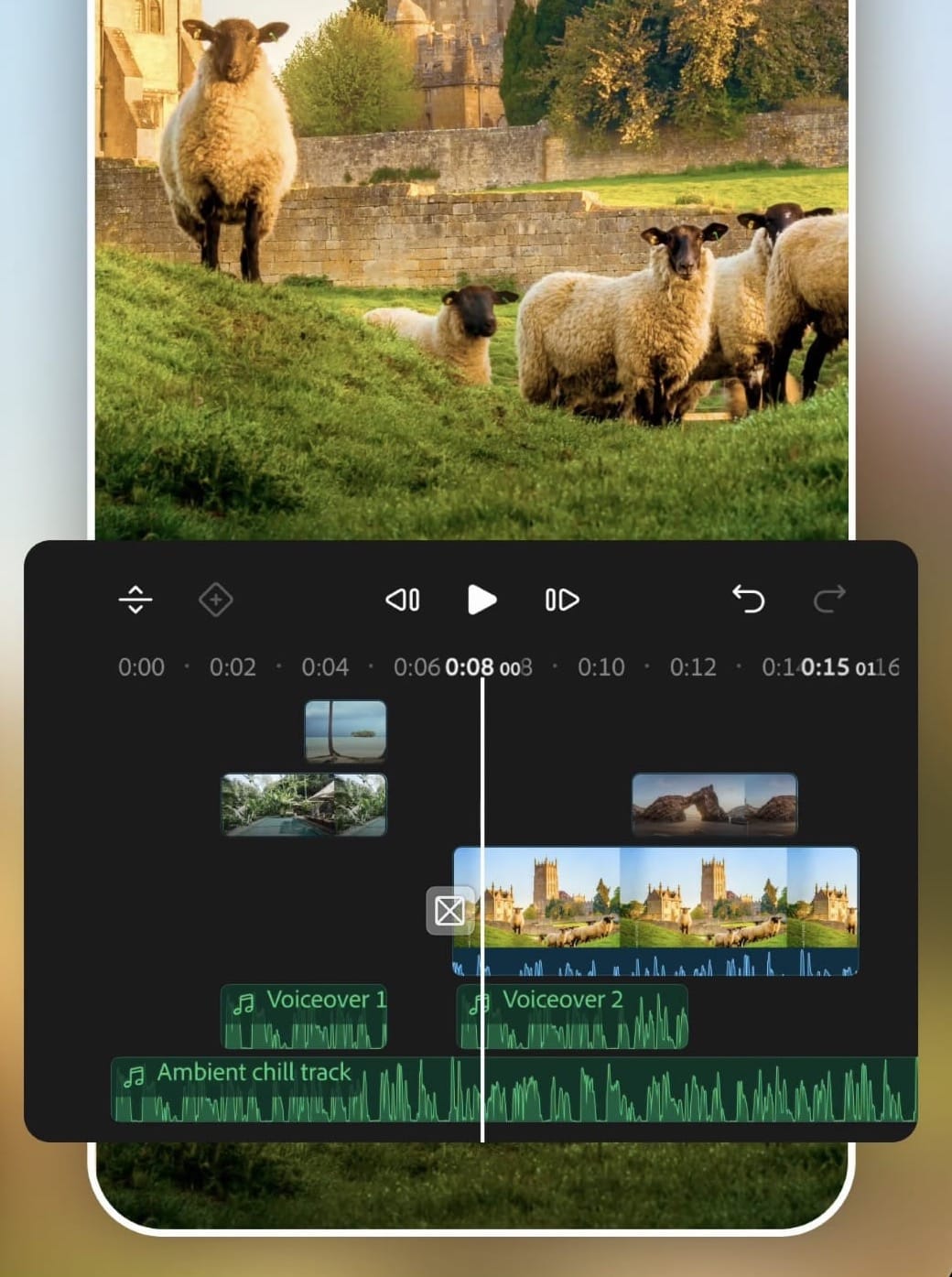
Premiere mobile already offers AI-assisted production capabilities through Adobe Firefly, alongside Enhance Audio technology designed to improve recordings affected by distracting background noise.
These features can support different parts of a video production, but they do not remove copyright obligations attached to commercial songs.
For AI filmmakers, the announcement offers a way to combine generated visuals with recognisable music in qualifying personal projects.
However, it does not authorise the use of celebrity voices, the creation of imitations of commercial recordings or unrestricted distribution of existing songs.
This distinction is increasingly important as creators combine AI-generated images, animation and audio within the same production.
Is Adobe Premiere Mobile Free in the UK?
Premiere mobile is available as a free video-editing application for iPhone and Android, allowing users to prepare videos directly on their phones.
The new Universal and Warner music features have been announced but are not yet available. Adobe has not confirmed a launch date or provided a complete list of supported tracks.
The company has also not established whether additional restrictions will apply to particular recordings or publishing destinations when the service launches.
For independent creators, the attraction is clear: familiar commercial music could become easier to discover and incorporate during editing.
However, the most useful part of Adobe’s announcement may also be its biggest limitation. Licensing a track inside an app is not equivalent to owning the right to use that recording commercially, and professional creators will still need to establish whether their intended publication is covered.