George Michael: The LGBTQ+ icon whose music, courage and generosity changed lives
From Wham! superstardom to becoming one of Britain’s most influential gay public figures, discover why George Michael’s music, generosity and courage continue to inspire millions.

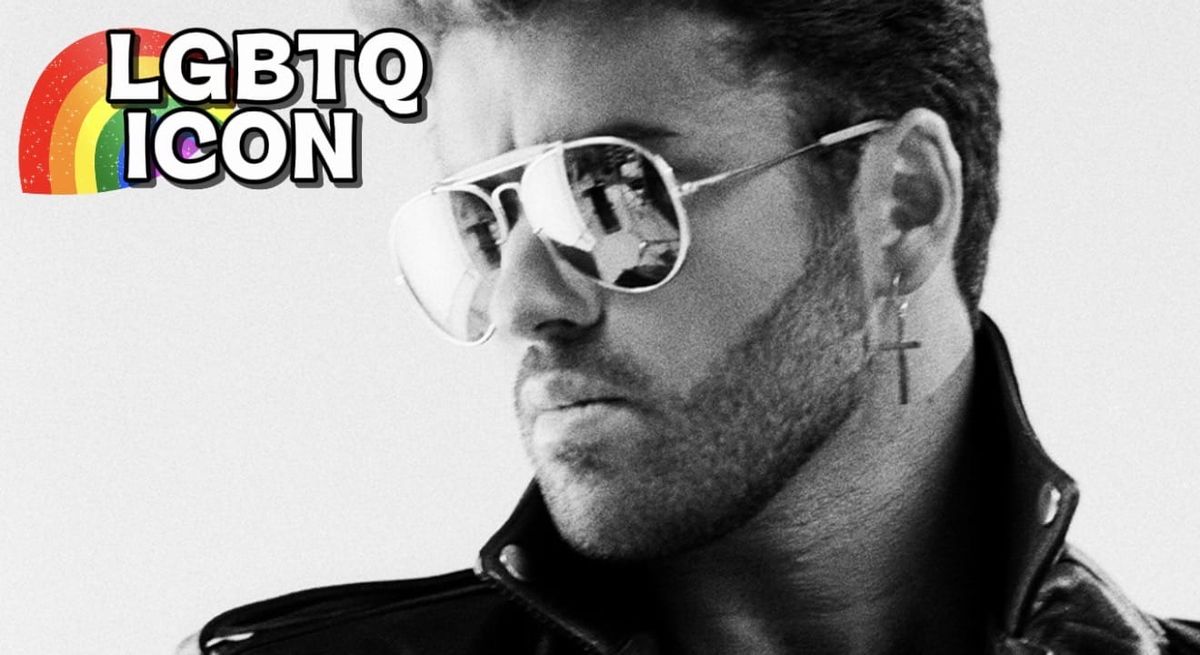
Few artists have left a mark on popular music quite like George Michael. With more than 125 million records sold worldwide, five Brit Awards, two Grammy Awards and countless chart topping hits, he became one of Britain’s greatest singers and songwriters.
His influence, however, stretched far beyond music. George lived through a period when many LGBTQ+ people still felt unable to be themselves publicly, particularly in the entertainment industry.
Although he did not speak openly about his sexuality during the early years of his career, he ultimately became one of the world’s most recognisable gay public figures. His honesty, resilience and extraordinary generosity transformed him into an icon whose legacy continues to inspire LGBTQ+ communities around the world.
Early life and childhood
George Michael was born Georgios Kyriacos Panayiotou on 25 June 1963 in East Finchley, London. His father, Kyriacos, was a Greek Cypriot restaurateur who had moved to Britain during the 1950s, while his mother, Lesley Angold Harrison, was an English dancer.
The family later settled in Bushey, Hertfordshire, where George attended Bushey Meads School. Although quiet and self conscious as a teenager, he quickly developed a passion for music. Artists including Elton John, Queen, Stevie Wonder and David Bowie became major influences as he dreamed of becoming a performer.
At school he met Andrew Ridgeley, beginning one of the most important friendships of his life. Their shared love of music would eventually change British pop history.
Meeting Andrew Ridgeley and forming Wham!
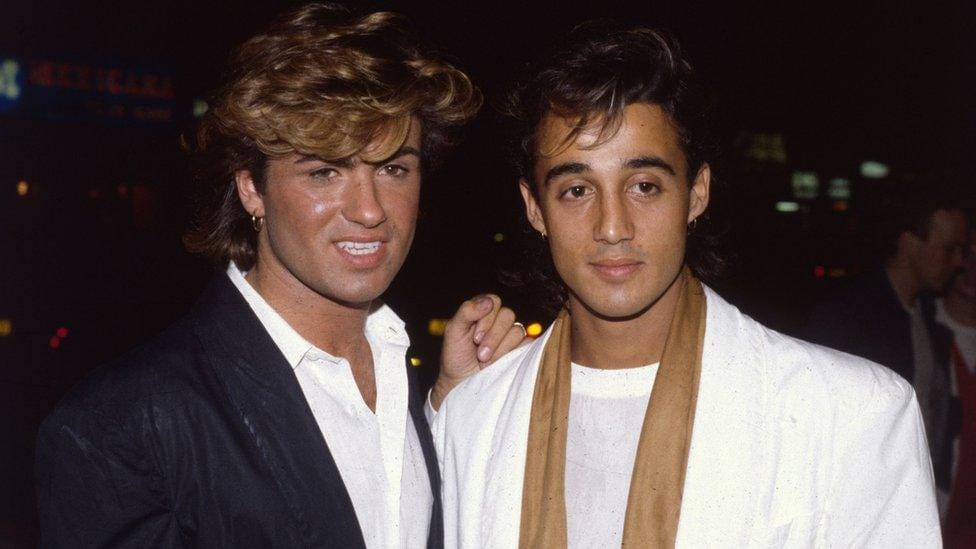
Before finding success, George and Andrew briefly played together in a ska band called The Executive. The group failed to make an impact, but it convinced the pair they had the talent to create something bigger.
In 1981 they formed Wham!, combining upbeat pop music with colourful fashion and infectious optimism. Their energetic image perfectly captured the spirit of the early 1980s and audiences quickly embraced them.
Songs including Young Guns (Go for It!), Club Tropicana, Freedom, Wake Me Up Before You Go Go and the festive classic Last Christmas transformed Wham! into one of Britain’s biggest musical exports.
Although Andrew remained an important part of the duo’s appeal, George increasingly emerged as the creative force behind the music, writing and producing many of their biggest hits.
Wham! becomes a global phenomenon
Wham! enjoyed remarkable international success throughout the mid 1980s. Their albums sold in their millions and the duo became household names across Europe, North America and Asia.
One of their greatest achievements came in 1985 when they became the first Western pop act to perform in China. The concerts represented far more than entertainment, symbolising music’s ability to cross political and cultural boundaries during the Cold War.
By 1986 George was eager to explore a more mature musical direction. Wham! ended on good terms following a farewell concert at Wembley Stadium, allowing him to embark on a solo career that would eclipse even his earlier success.
Becoming a global solo superstar
George’s debut solo album, Faith, arrived in 1987 and immediately established him as one of the world’s biggest recording artists.
Featuring classics including Faith, Father Figure, One More Try, Monkey and Kissing a Fool, the album sold millions of copies worldwide and won the Grammy Award for Album of the Year.
Rather than repeating the formula, George deliberately reinvented himself. His second major solo release, Listen Without Prejudice Vol. 1 in 1990, stripped away much of the glamorous image associated with Wham! and focused instead on sophisticated songwriting and musicianship.
Around the same period, George also enjoyed enormous success with Elton John. Their live version of Don’t Let the Sun Go Down on Me reached number one in both the UK and the United States, becoming one of the defining duets of the decade.
Another landmark arrived with Freedom! ’90. The song rejected the manufactured image that had helped create his early fame and became an anthem of artistic independence, individuality and self expression. Its iconic music video famously featured supermodels rather than George himself, reflecting his growing desire to let the music speak for itself.
Creative battles and the Sony lawsuit
As George matured as an artist, tensions grew between himself and Sony Music.
He became increasingly frustrated by what he believed were commercial pressures that limited his artistic freedom. In the early 1990s he launched legal action against the company in an attempt to escape his recording contract.
Although he ultimately lost the case, many fellow musicians admired his determination to challenge one of the music industry’s biggest companies. The lawsuit later became an important moment in discussions about artists’ rights and creative control.
Love and heartbreak with Anselmo Feleppa
One of the most significant relationships in George’s life was with Brazilian designer Anselmo Feleppa, whom he met in 1991.
George later described Anselmo as the love of his life and credited him with helping him become more comfortable with his sexuality.
Their happiness was tragically cut short when Anselmo was diagnosed with HIV. He died from an AIDS related illness in 1993, leaving George devastated.
His grief profoundly influenced his songwriting. Songs including Jesus to a Child and You Have Been Loved remain among the most emotional recordings of his career and stand as moving tributes to Anselmo.
His experience also strengthened George’s support for HIV and AIDS charities during a period when stigma and misinformation remained widespread.
Living as a gay man and his public coming out
Although George had privately acknowledged his sexuality to family and close friends, he chose not to discuss it publicly during the height of his early fame.
Like many LGBTQ+ performers of the 1980s, he faced significant pressure from the music industry, where executives often feared that openly gay artists would damage record sales.
In 1998 George was arrested in Beverly Hills after engaging in a consensual sexual act in a public place during a police sting operation.
The incident attracted worldwide media attention and effectively forced his sexuality into the public spotlight. Rather than retreating, George responded with humour through his single Outside, whose music video openly referenced the event.
In interviews that followed, he spoke candidly about being gay and criticised the intense media scrutiny surrounding his private life. His openness helped challenge stereotypes and encouraged many LGBTQ+ people to live more honestly during a period when openly gay international pop stars remained relatively uncommon.
His relationship with Kenny Goss
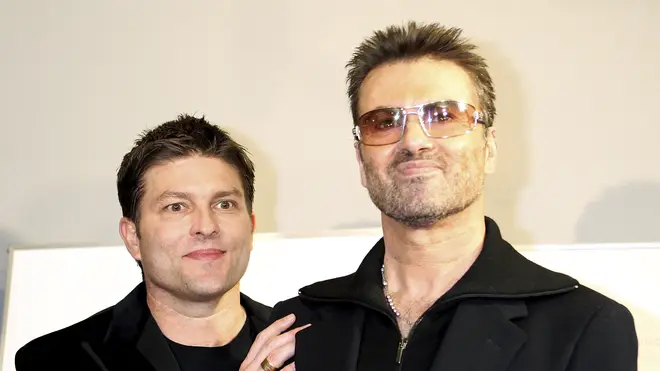
Following Anselmo’s death, George later found happiness with American businessman Kenny Goss.
The couple remained together for more than a decade and became one of the most recognisable same sex couples in the entertainment industry.
Although they generally kept their relationship private, Kenny provided stability during an important chapter of George’s life. Even after they separated, they remained respectful of one another, with Kenny later helping to preserve George’s charitable legacy through the Goss Michael Foundation.
Later years and relationship with Fadi Fawaz
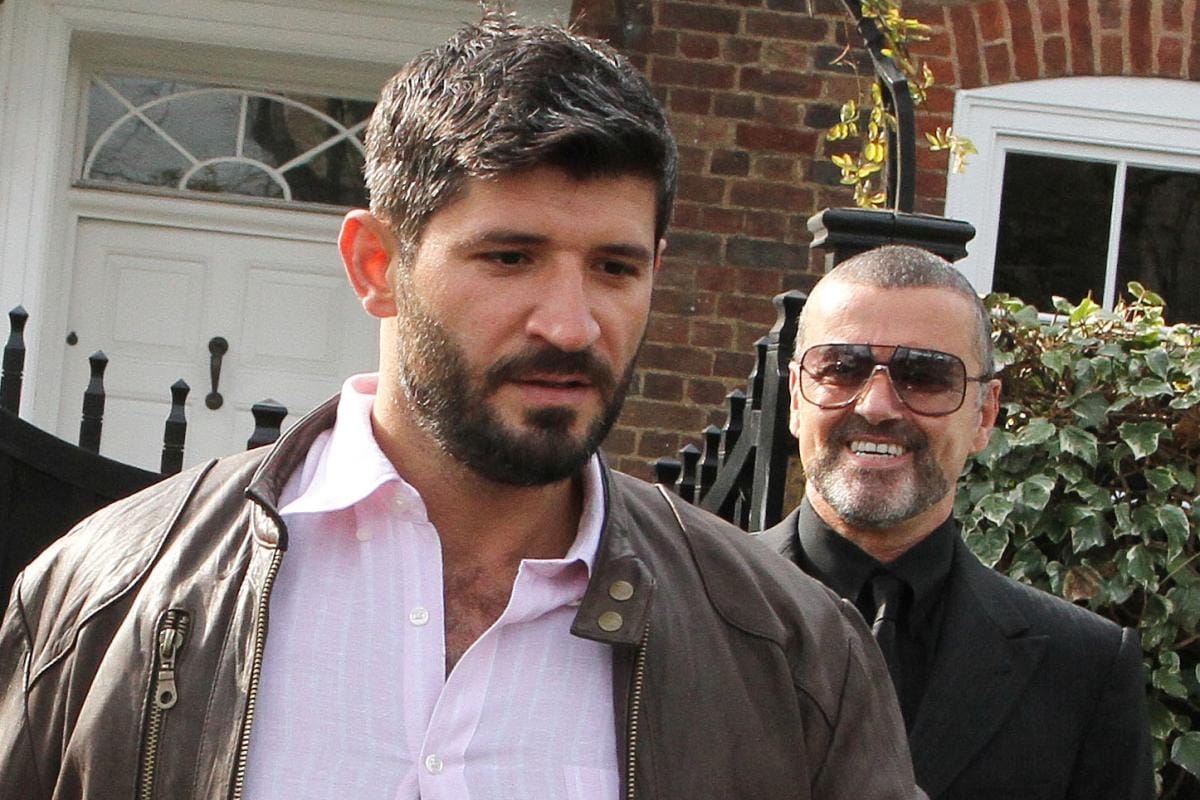
During the final years of his life, George was in a relationship with Australian celebrity hairstylist Fadi Fawaz. The pair were together for several years and largely kept their relationship away from the spotlight, despite intense media interest.
George also faced a number of health challenges. In 2011 he developed severe pneumonia while on tour in Austria and spent several weeks in hospital. Doctors later described his recovery as remarkable, and George returned to performing after making a full recovery.
Although he slowed the pace of his career during his final years, he remained passionate about music and had discussed plans for future projects, including work connected to his life and career.
Quiet philanthropy and generosity
While George Michael was admired for his music, many people only discovered the full extent of his generosity after his death.
Unlike many celebrities, George rarely publicised his charitable work. He believed giving should be done quietly, without expecting praise or publicity.
Numerous charities later revealed he had donated anonymously over many years. Stories also emerged of George paying for a woman’s IVF treatment after hearing her story on television, clearing debts for people facing financial hardship, making substantial donations to HIV and AIDS charities, supporting homelessness projects and helping children with serious illnesses.
Many of those he helped never knew George was behind the donations until years later. Friends often described kindness as one of his defining qualities, saying he received far greater satisfaction from helping others than from public recognition.
His philanthropy has become one of the most enduring aspects of his legacy, standing alongside his achievements as a musician.
Death and tributes from around the world
On Christmas Day 2016, George Michael died peacefully at his home in Goring on Thames, Oxfordshire, aged 53.
Fadi Fawaz later revealed that he had discovered George after becoming concerned when he failed to answer messages. Following an investigation, the Oxfordshire Coroner concluded George had died from natural causes relating to dilated cardiomyopathy with myocarditis and fatty liver disease.
News of his death prompted an extraordinary outpouring of grief across the world. Fans gathered outside his homes in London and Oxfordshire, leaving flowers, candles and personal messages. Radio stations dedicated entire programmes to his music, while artists including Elton John, Madonna, Robbie Williams and countless others paid tribute to his extraordinary talent and generosity.
Many charities also remembered George, revealing that he had quietly supported their work for decades without seeking recognition. These stories reinforced the image of a man whose compassion matched his remarkable musical ability.
Why George Michael matters
George Michael’s influence reaches far beyond chart success.
He became an LGBTQ+ icon because he lived through a period when many gay people felt unable to live openly, particularly within the entertainment industry. Although his sexuality became public in circumstances he had not chosen, he refused to allow shame or scandal to define him. Instead, he responded with honesty, humour and dignity.
His openness helped challenge outdated attitudes towards LGBTQ+ people and demonstrated that one of the world’s biggest pop stars could continue to enjoy enormous success while living authentically.
His music also provided comfort to millions. Whether writing about love, grief, heartbreak or hope, George possessed a rare ability to create deeply personal songs that resonated across generations.
His charitable work further strengthened his reputation. Long after headlines faded, stories of his anonymous generosity continued to emerge, revealing a man whose private compassion often exceeded his public achievements.
Today, George Michael is remembered not only as one of Britain’s greatest musicians but also as one of the country’s most influential LGBTQ+ figures.
George Michael timeline
1963 – Born Georgios Kyriacos Panayiotou in East Finchley, London.
Late 1970s – Meets Andrew Ridgeley at Bushey Meads School.
1981 – Forms Wham!
1984 – Wake Me Up Before You Go Go becomes an international number one.
1985 – Wham! become the first Western pop act to perform in China.
1986 – Wham! perform their farewell concert at Wembley Stadium.
1987 – Releases Faith.
1989 – Wins Grammy Award for Album of the Year.
1990 – Releases Listen Without Prejudice Vol. 1.
1991 – Meets Anselmo Feleppa.
1993 – Anselmo dies from an AIDS related illness.
1996 – Releases Older.
1998 – Arrested in Beverly Hills before later speaking openly about being gay.
2011 – Recovers from life threatening pneumonia.
2016 – Dies at his Oxfordshire home on Christmas Day.
Quick facts
Full name: Georgios Kyriacos Panayiotou
Known as: George Michael
Born: 25 June 1963
Birthplace: East Finchley, London
Died: 25 December 2016
Age at death: 53
Nationality: British
Occupation: Singer, songwriter, producer and philanthropist
Records sold: More than 125 million worldwide
Brit Awards: Five
Grammy Awards: Two
Best known for: Wham!, Faith, Careless Whisper, Freedom! ’90, Father Figure, Fastlove and Last Christmas
George Michael’s LGBTQ+ legacy
George Michael’s influence continues to be felt across music, popular culture and the LGBTQ+ community.
He showed that vulnerability could be a strength and that authenticity ultimately mattered more than maintaining a carefully managed public image. His willingness to discuss grief following Anselmo Feleppa’s death also helped humanise the HIV and AIDS crisis during a time when misunderstanding and prejudice remained widespread.
Artists including Sam Smith, Olly Alexander and many others have acknowledged George’s influence, praising both his extraordinary musicianship and his courage in living truthfully.
Nearly a decade after his death, George Michael remains one of Britain’s greatest musical talents. His songs continue to reach new audiences, his generosity continues to inspire acts of kindness and his story remains a powerful reminder that compassion, honesty and courage can leave a legacy every bit as enduring as fame
Sources: This article was researched using biographies, archival interviews, BBC News, award records and other reputable historical sources.
Inspired by this story? Explore more from the SoapLandTV LGBTQ+ Icons series, where we celebrate the lives, achievements and lasting legacies of the remarkable people who have shaped LGBTQ+ history, culture, equality and representation around the world.