Dusty Springfield: The LGBTQ+ icon whose unforgettable voice transformed British music
Discover the life and legacy of Dusty Springfield, the legendary British singer whose remarkable career and quiet courage made her one of the UK’s most influential LGBTQ+ icons.

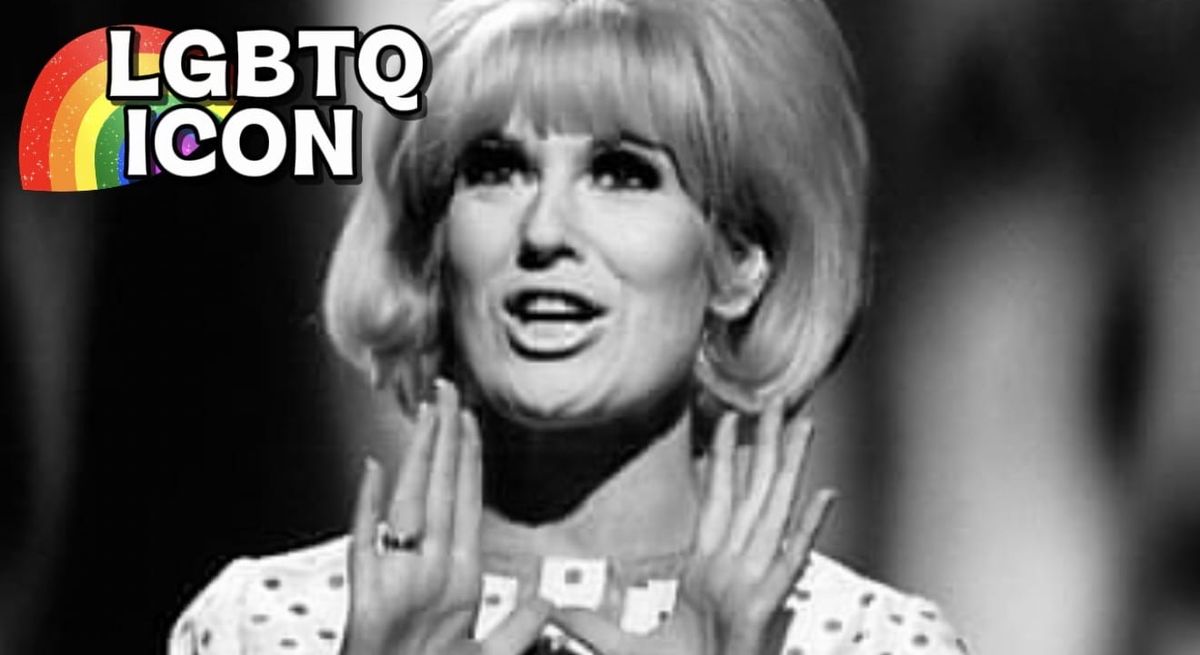
Few British singers have left a legacy quite like Dusty Springfield. With her unmistakable voice, signature blonde beehive and dramatic eye make up, she became one of the defining stars of the 1960s and one of Britain’s most celebrated recording artists. Timeless classics including I Only Want to Be with You, You Don’t Have to Say You Love Me and Son of a Preacher Man continue to rank among the greatest recordings in popular music.
Away from the spotlight, Dusty also became an important figure in LGBTQ+ history. At a time when openly discussing sexuality could destroy careers, she acknowledged being attracted to both men and women and refused to apologise for living life on her own terms. Her honesty, remarkable talent and lasting influence have secured her place as one of Britain’s greatest LGBTQ+ icons
Early life and childhood
Dusty Springfield was born Mary Isobel Catherine Bernadette O’Brien on 16 April 1939 in West Hampstead, London.
She grew up in a musical household where singing was part of everyday family life. Her father worked as a tax accountant but was also an accomplished amateur musician, while her mother loved performing and encouraged her children to develop their musical talents.
As a teenager, Dusty became fascinated by American rhythm and blues, gospel and soul music. She admired artists including Peggy Lee, Dinah Washington and Aretha Franklin, influences that would later shape one of the most distinctive voices in British music.
Determined to become a professional singer, she began performing while still in her teens.
Early career and The Lana Sisters
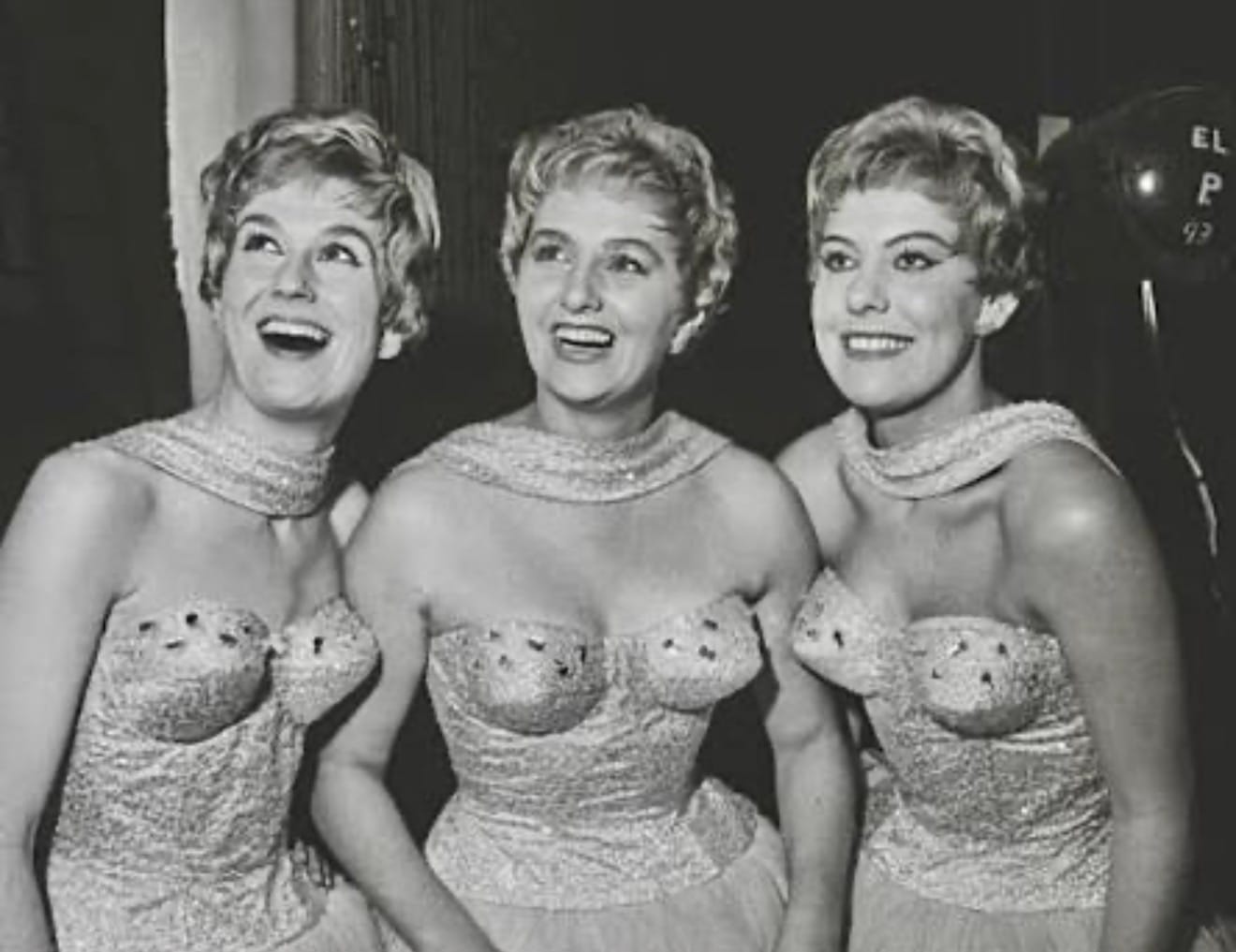
Before finding national fame, Dusty joined the vocal harmony group The Lana Sisters in 1958.
Although her time with the group was relatively short, it gave her valuable experience performing professionally and introduced her to the demands of touring and recording.
The experience also convinced Dusty that music was the career she wanted to pursue, laying the foundations for the remarkable success that followed.
Success with The Springfields
In 1960, Dusty joined forces with her brother Tom Springfield and Tim Feild to form the folk pop trio The Springfields.
The group quickly became one of Britain’s biggest acts, enjoying chart success on both sides of the Atlantic. Their international breakthrough demonstrated that British artists could compete in the American market even before the arrival of The Beatles.
Despite the success, Dusty increasingly wanted to pursue the soul inspired music she loved. In 1963 she left The Springfields to launch a solo career that would transform her into one of Britain’s greatest singers.
Becoming an international superstar
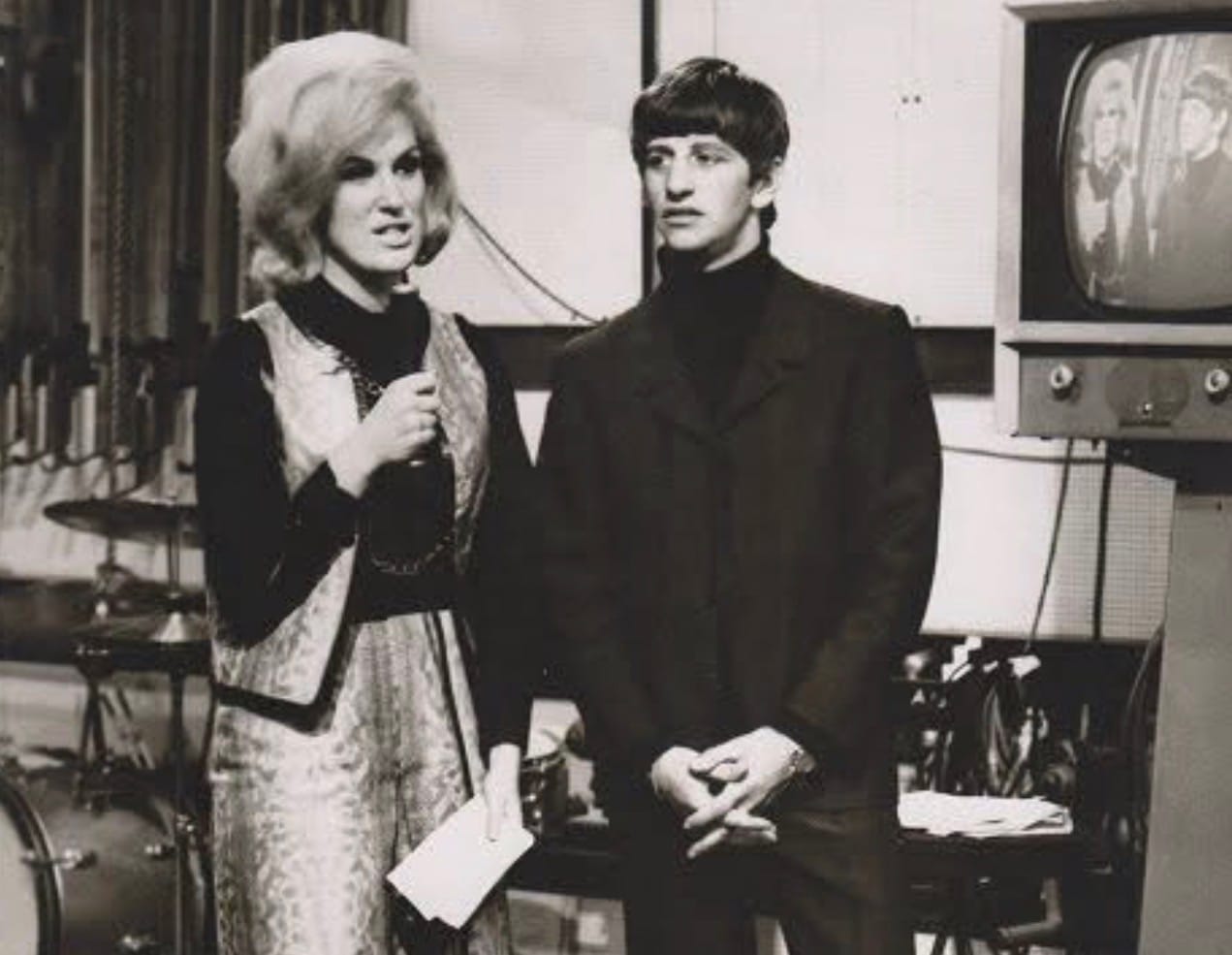
Dusty’s debut solo single, I Only Want to Be with You, became an instant success, establishing her as one of the UK’s brightest new stars.
Over the following decade she released a string of classics, including Wishin’ and Hopin’, In the Middle of Nowhere, I Close My Eyes and Count to Ten, You Don’t Have to Say You Love Me and Son of a Preacher Man.
Her 1968 album Dusty in Memphis is widely regarded as one of the greatest soul albums ever recorded. Although it was not an immediate commercial success, its reputation has grown enormously over the decades, with critics regularly placing it among the finest albums of all time.
Unlike many British artists of the era, Dusty passionately championed Black American soul performers. She used her growing influence to introduce British audiences to Motown and soul artists who had yet to receive widespread recognition in the UK.
She also refused to perform before segregated audiences during a tour of South Africa in 1964, publicly opposing apartheid at a time when many international performers chose not to challenge the system.
Television success and signature style
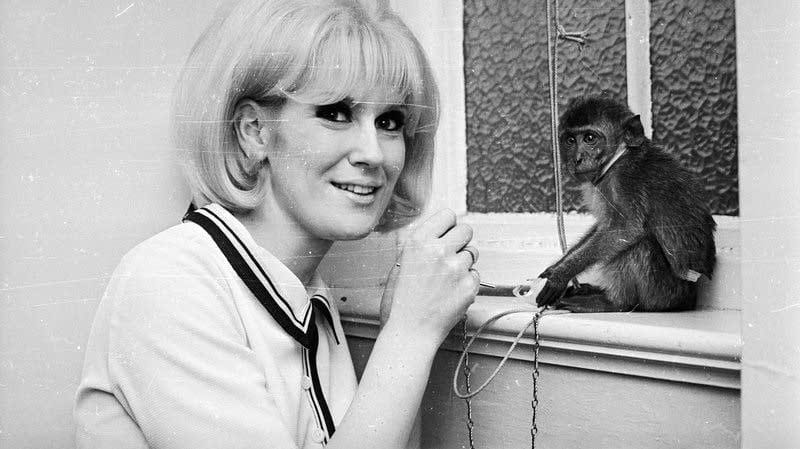
As her recording career flourished, Dusty also became one of Britain’s biggest television personalities.
Her BBC series Dusty showcased leading American soul musicians alongside established British performers, helping introduce millions of viewers to artists they might otherwise never have discovered.
Dusty also created one of the most recognisable images in popular music. Her towering blonde beehive hairstyle, dramatic panda eye make up and glamorous evening gowns became instantly identifiable around the world and remain closely associated with her legacy today.
Personal life and sexuality
Throughout much of Dusty’s career, public discussion of sexuality remained extremely limited, particularly within the entertainment industry.
In 1970, during a landmark interview with journalist Ray Connolly for the Evening Standard, Dusty spoke candidly about her sexuality, saying she was “perfectly capable” of being attracted to a woman as well as a man. At the time, very few internationally successful British stars had spoken so openly, making the interview a significant moment in LGBTQ+ history.
Dusty was romantically linked to several women during her life, including American singer-songwriter Norma Tanega during the late 1960s. Friends described the relationship as one of the happiest periods of her personal life.
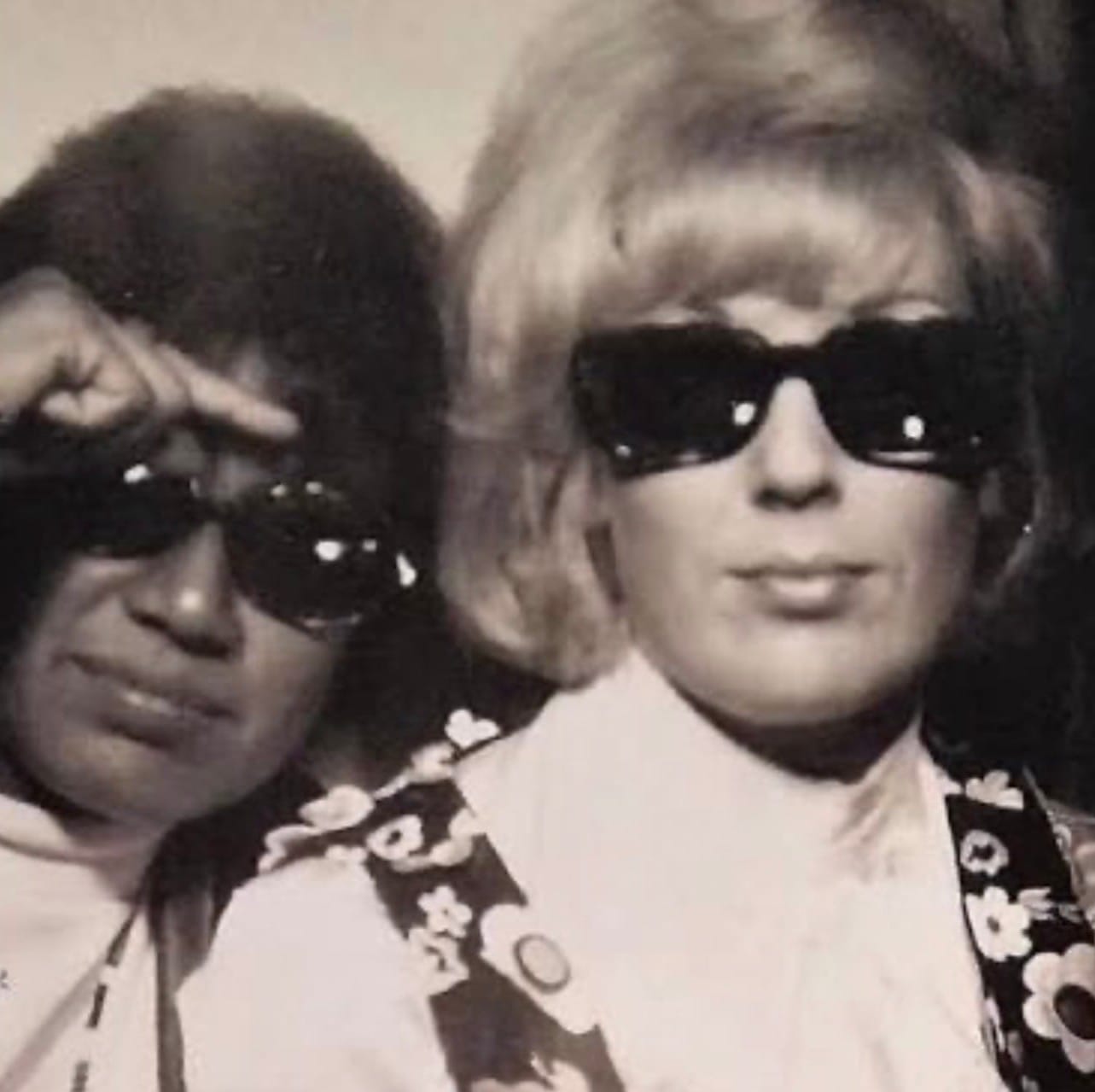
Later, while living in California, Dusty shared a long term relationship with actress Teda Bracci. Although they held an informal commitment ceremony, Dusty generally preferred to keep her private life away from public attention.
Despite intense media interest, she consistently believed her music should remain the focus of her career rather than her personal relationships.
Moving to America and career challenges
During the 1970s, Dusty relocated to Los Angeles as her commercial success began to decline.
The move proved challenging. She struggled with depression, alcohol and substance misuse while finding it increasingly difficult to recreate the chart success she had enjoyed during the previous decade.
Although these years were personally difficult, they did not diminish the respect she commanded within the music industry. Fellow artists continued to admire her remarkable voice, and her recordings remained hugely influential.
Career revival
By the mid 1980s, Dusty’s remarkable talent was being rediscovered by a new generation of musicians.
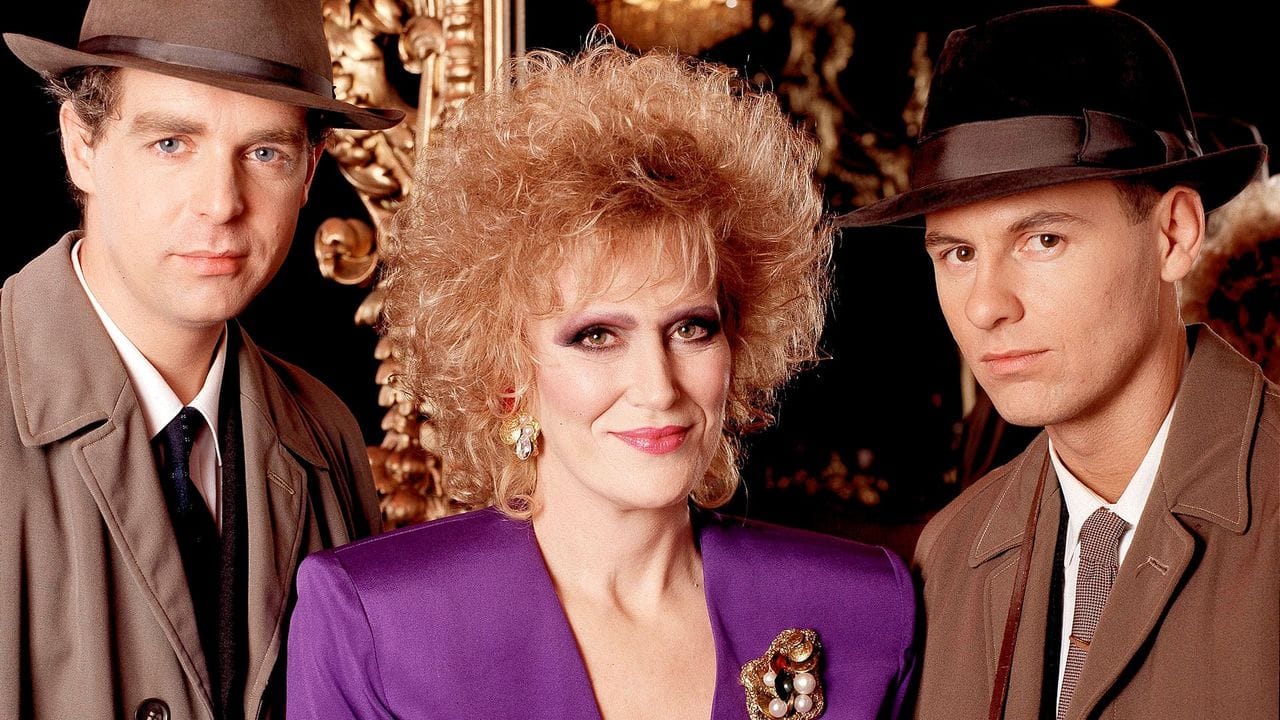
Her career enjoyed an extraordinary revival in 1987 when she collaborated with the Pet Shop Boys on What Have I Done to Deserve This? The single became a worldwide hit, reaching the top of the charts in several countries and introducing Dusty to millions of younger listeners.
The success marked one of the music industry’s greatest comebacks. It reminded audiences that one of Britain’s finest vocalists had lost none of her emotional depth or unique style.
During the following years, Dusty returned to recording and performing while enjoying renewed critical acclaim. Many younger artists openly credited her as one of the greatest singers of all time.
Final years and honours
As appreciation for Dusty’s music continued to grow, she received several major honours recognising her remarkable contribution to popular music.
In 1994, Dusty in Memphis was inducted into the Grammy Hall of Fame, reflecting its reputation as one of the greatest soul albums ever recorded.
In 1999, Dusty was appointed an Officer of the Order of the British Empire (OBE) for services to music. Already undergoing treatment for breast cancer, she was presented with the honour at Buckingham Palace just weeks before her death.
Dusty Springfield died on 2 March 1999 at her home in Henley on Thames, Oxfordshire, aged 59.
Only weeks later, she was inducted into the Rock and Roll Hall of Fame, recognising the lasting influence she had made on popular music around the world.
Tributes poured in from fellow musicians, fans and critics, many describing her as one of the greatest singers Britain had ever produced.
Why Dusty Springfield matters
Dusty Springfield changed British music forever.
She helped introduce soul music to mainstream British audiences, championed Black American artists at a time when they received limited television exposure in the UK and demonstrated that British singers could perform soul music with authenticity and emotion.
Her influence extended beyond music. During an era when LGBTQ+ visibility remained extremely limited, Dusty’s willingness to acknowledge her attraction to both men and women challenged expectations placed upon women in the public eye.
She also showed that artists could stand by their principles. Whether refusing to perform before segregated audiences in apartheid South Africa or championing overlooked musicians, Dusty consistently used her platform to support fairness and equality.
Dusty Springfield timeline
1939 – Born Mary Isobel Catherine Bernadette O’Brien in West Hampstead, London.
1958 – Joins The Lana Sisters.
1960 – Co founds The Springfields.
1963 – Begins her solo career with I Only Want to Be with You.
1964 – Refuses to perform before segregated audiences during a South African tour.
1966 – Releases You Don’t Have to Say You Love Me.
1968 – Releases the acclaimed album Dusty in Memphis.
1970 – Speaks openly about her sexuality in a landmark Evening Standard interview.
1987 – Returns to the charts with the Pet Shop Boys on What Have I Done to Deserve This?
1994 – Dusty in Memphis enters the Grammy Hall of Fame.
1999 – Receives an OBE.
1999 – Dies aged 59 and is posthumously inducted into the Rock and Roll Hall of Fame.
Quick facts
Birth name: Mary Isobel Catherine Bernadette O’Brien
Known as: Dusty Springfield
Born: 16 April 1939
Birthplace: West Hampstead, London, England
Died: 2 March 1999
Age at death: 59
Occupation: Singer
Best known for: I Only Want to Be with You, You Don’t Have to Say You Love Me, Son of a Preacher Man, Wishin’ and Hopin’ and The Look of Love
Honours: OBE and Rock and Roll Hall of Fame inductee
Dusty Springfield’s LGBTQ+ legacy
Dusty Springfield’s influence extends far beyond her extraordinary catalogue of music.
She became one of the first internationally successful British female artists to speak publicly about being attracted to both men and women, helping challenge long standing attitudes towards sexuality during a period when openness carried enormous personal and professional risks.
Her music has inspired generations of artists, including Elton John, Annie Lennox, Madonna, Amy Winehouse and Adele, all of whom have praised the emotional depth and timeless quality of her voice.
Today, Dusty Springfield is remembered as one of Britain’s greatest singers and one of the UK’s most important LGBTQ+ cultural figures. Her voice, courage and individuality continue to inspire audiences around the world more than two decades after her death.
Sources: This article was researched using biographies, archival interviews, music histories, award records and other reputable historical sources.
Inspired by this story? Explore more from the SoapLandTV LGBTQ+ Icons series, where we celebrate the lives, achievements and lasting legacies of the remarkable people who have shaped LGBTQ+ history, culture, equality and representation around the world.