Dolly Parton Dies at 80: How a Country Legend Became an LGBTQ+ Icon
Dolly Parton has died aged 80. We remember the country music legend’s LGBTQ+ legacy, from marriage equality to her message of acceptance.

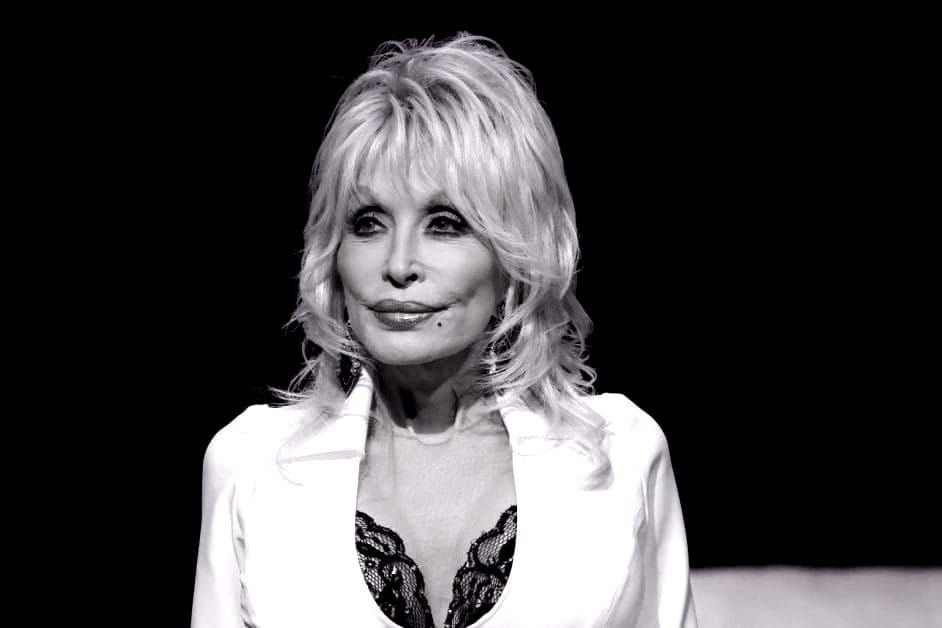
Dolly Parton has died at the age of 80, bringing to an end one of the most extraordinary careers in entertainment history and leaving the LGBTQ+ community mourning a performer who became far more than a country music superstar.
Across seven decades, Dolly built a career around unforgettable songs, huge hair, rhinestones, sharp humour and an image that was entirely her own, but for generations of LGBTQ+ fans, her appeal went much deeper than camp or glamour.
Her catalogue gave the world Jolene, 9 to 5 and I Will Always Love You, yet alongside the music was a consistent belief that people deserved to live as themselves, love who they loved and be treated with dignity
Why Dolly became an LGBTQ+ icon
Dolly’s relationship with LGBTQ+ audiences was rooted in acceptance rather than calculation. She spoke openly over the years about having gay and lesbian friends and working with LGBTQ+ people, while refusing to judge others for who they were.
She also publicly supported same-sex marriage years before it became legal across the United States. Her humour often softened the delivery, but the position underneath it was clear: LGBTQ+ couples deserved the same rights as everyone else.
That message carried particular weight coming from one of country music’s most recognisable figures. Raised in a deeply religious community in rural Tennessee, Dolly never treated faith as a reason to condemn other people and repeatedly pushed back against religious judgment of LGBTQ+ lives.
In a 2016 interview with Vogue, she discussed the remarkably diverse audiences attending her shows and explained that people knew she was not judgmental. She spoke not simply about accepting differences, but celebrating them.
A career built on being unmistakably herself
Dolly’s own story also resonated with queer audiences because she took the things people mocked about her and turned them into trademarks. The wigs became bigger, the clothes brighter, the heels higher and the jokes sharper, while behind the image stood an exceptional songwriter and formidable businesswoman.
She never needed to tone herself down to become respectable. Instead, she became one of the world’s most successful entertainers by leaning into exactly who she wanted to be, an approach that carried obvious meaning for people who had spent parts of their lives being told they were too different or simply too much.
Her legacy also stretched far beyond entertainment. Dolly’s Imagination Library has provided books to children around the world, while her philanthropy supported education, healthcare and communities affected by disasters, including a $1 million donation to Vanderbilt University Medical Center that helped support research connected to the Moderna Covid-19 vaccine.
An LGBTQ+ icon who will not be forgotten
Dolly leaves behind songs that will continue to fill homes, theatres, Pride events, drag stages and gay bars for generations. Yet her LGBTQ+ legacy cannot be measured simply through how often Jolene gets sung at karaoke or how many performers recreate her unmistakable look.
What endured was the message underneath it all. Dolly showed that kindness did not require conformity, that faith did not have to mean judgment, and that being completely yourself could be a source of strength rather than something to apologise for.
For LGBTQ+ fans, the rhinestones were part of the magic. The acceptance behind them was the reason she became an icon.
Sources: Reuters, Associated Press, Vogue.