Chris Pappas Makes LGBTQ+ History With US Senate Election Victory
Chris Pappas makes LGBTQ+ history after winning New Hampshire’s Senate election. Explore his political career, election victory and historic milestone.

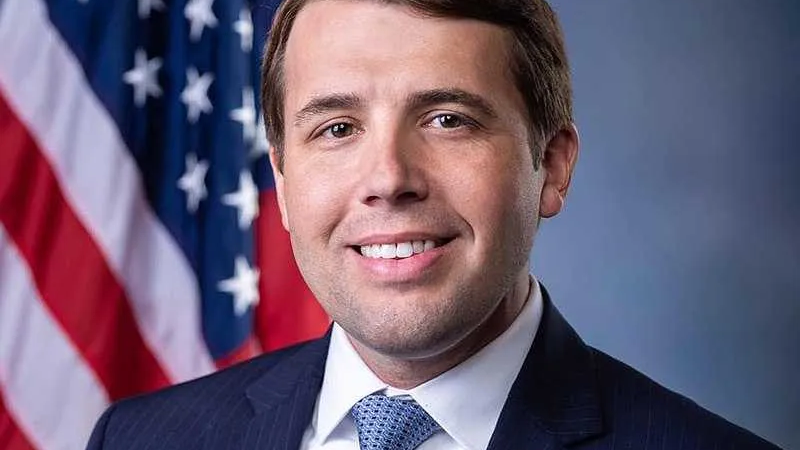
Chris Pappas has become the first openly gay man elected to the United States Senate after defeating former Republican senator John Sununu in New Hampshire’s election on 3 November 2026.
The Democratic congressman’s victory marks an important milestone for LGBTQ+ representation in American politics, while also keeping a closely contested Senate seat in Democratic hands. Pappas will replace retiring senator Jeanne Shaheen when the new congressional term begins in January 2027.
How Did Chris Pappas Win the New Hampshire Election?
Pappas entered the contest after representing New Hampshire’s First Congressional District in the House of Representatives since 2019, having previously held elected positions within the state.
His opponent, John Sununu, had served in the US Senate between 2003 and 2009 and was attempting to return to Washington after losing his seat to Shaheen in 2008.
The campaign addressed rising living costs, energy prices, healthcare and the direction of the federal government, with Pappas arguing for greater accountability and Sununu promoting Republican economic policies.
New Hampshire was considered an important Senate battleground, particularly because Republicans hoped to gain the seat following Shaheen’s retirement.
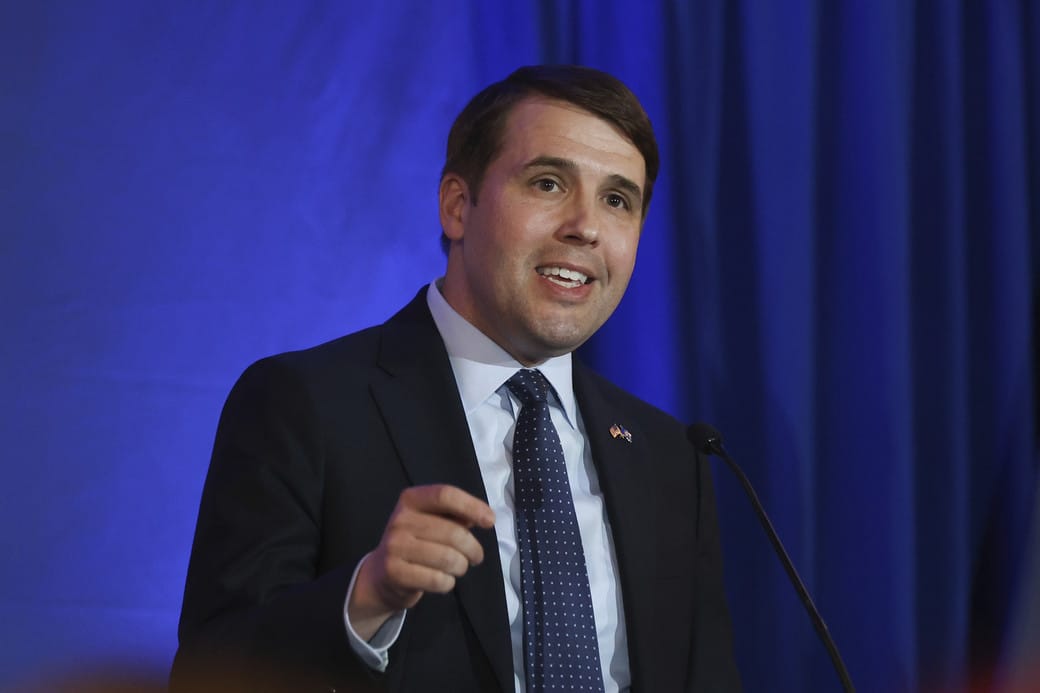
Sununu conceded following the election, confirming that Pappas would become the state’s next senator.
The victory also comes as Pappas prepares to leave the House of Representatives, where he served four consecutive terms.
Why Is His Victory Significant for LGBTQ+ Representation?
Pappas is the first openly gay man elected to the US Senate, but LGBTQ+ politicians have previously served in the chamber.
Tammy Baldwin made history in 2012 when she became the first openly gay person elected to the Senate, representing Wisconsin.
Kyrsten Sinema subsequently became the first openly bisexual senator after her election in Arizona in 2018.
Pappas’s achievement therefore represents a specific milestone for gay men within an institution where openly LGBTQ+ representation has historically been limited.
His election is also significant because he won a statewide contest rather than representing a single congressional district, broadening the electorate he will serve.

Who Is Chris Pappas?
Born in Manchester, New Hampshire, Pappas developed his political career through state government before entering Congress.
He served in the New Hampshire House of Representatives and later on the state’s Executive Council, building experience in public administration and healthcare-related decisions.
In 2018, he became the first openly gay person elected to Congress from New Hampshire, beginning his first term in January 2019.
His subsequent re-elections established him as a prominent figure in the state’s Democratic Party, while his Senate campaign placed him in one of the country’s most closely watched electoral contests.
Although his sexuality forms an important part of the historical significance of his victory, his campaign also involved the economic and political issues affecting New Hampshire residents.
What Happens Next for Pappas?
Pappas is expected to take office in January 2027, following the formal election certification and congressional transition.
He will replace Jeanne Shaheen, who has represented New Hampshire in the Senate since 2009, and will begin a six-year term representing the entire state.
His election marks another stage in LGBTQ+ representation at the highest levels of American government, following decades in which openly gay political candidates faced significant barriers to national office.
However, the significance of his Senate career will also depend on the legislation he supports, the committees on which he serves and how he represents constituents with differing political views.
The result establishes an important historical first, while his work in the Senate will determine how that achievement develops into a broader political legacy.