Anne Lister: The Yorkshire Woman Who Became a Lesbian Icon
Anne Lister was a Yorkshire landowner, traveller and diarist whose coded journals revealed her relationships with women and transformed LGBTQ+ history.


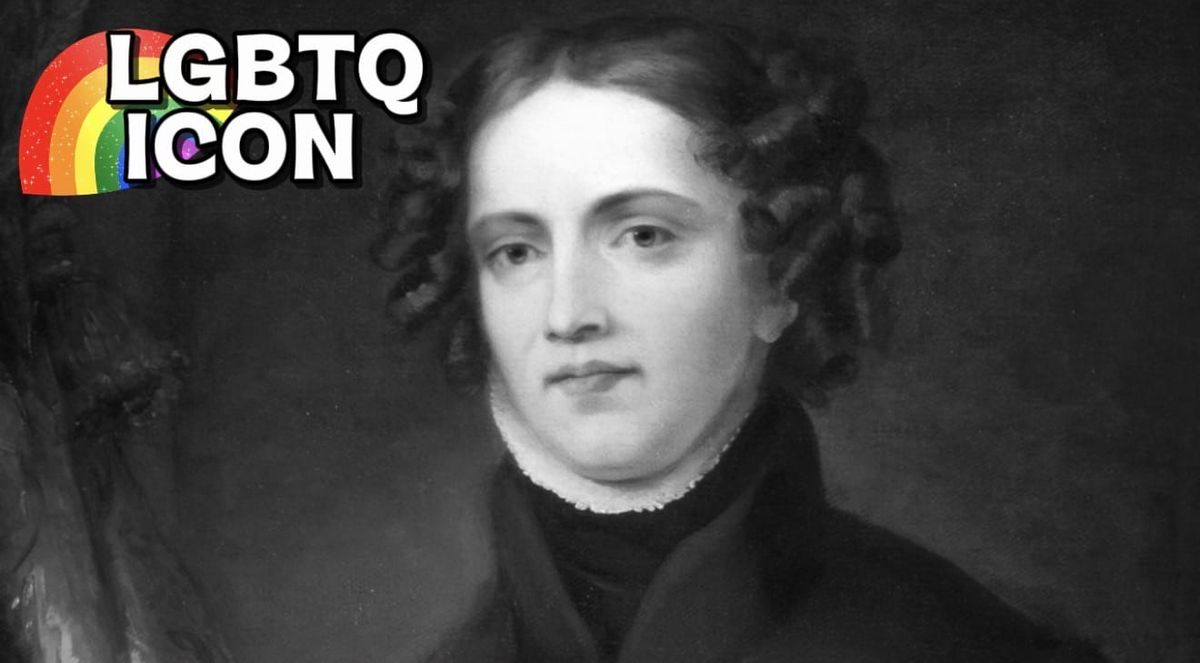
In this series, we look at some of the most iconic and influential figures in LGBTQ+ history and culture. Some are celebrated, while others have controversial or complex legacies. Inclusion does not mean endorsement, but recognition of the impact they have had on LGBTQ+ visibility, representation and history.
Anne Lister lived at a time when women were expected to marry, remain within the boundaries of polite society and leave major decisions to men. Instead, she became a landowner, businesswoman, traveller and diarist whose private writings changed the way historians understand LGBTQ+ history.
Born in Halifax, Yorkshire, in 1791, Anne left behind millions of words of diaries that documented her life in remarkable detail. Written across decades, and partly concealed in a private code known as crypthand, her journals recorded her daily routines, business dealings, travels, ambitions and relationships with women.
Today, Anne Lister is widely regarded as one of history’s earliest documented lesbians and one of the most important figures in British LGBTQ+ history. Her life has inspired books, academic studies, exhibitions and the acclaimed television drama Gentleman Jack, which introduced her story to audiences around the world.
Yet the real Anne Lister was every bit as fascinating as the version seen on screen. She was bold, complex, ambitious, difficult, intelligent and determined to live on her own terms in a world that gave women very little room to do so.
Who Was Anne Lister?
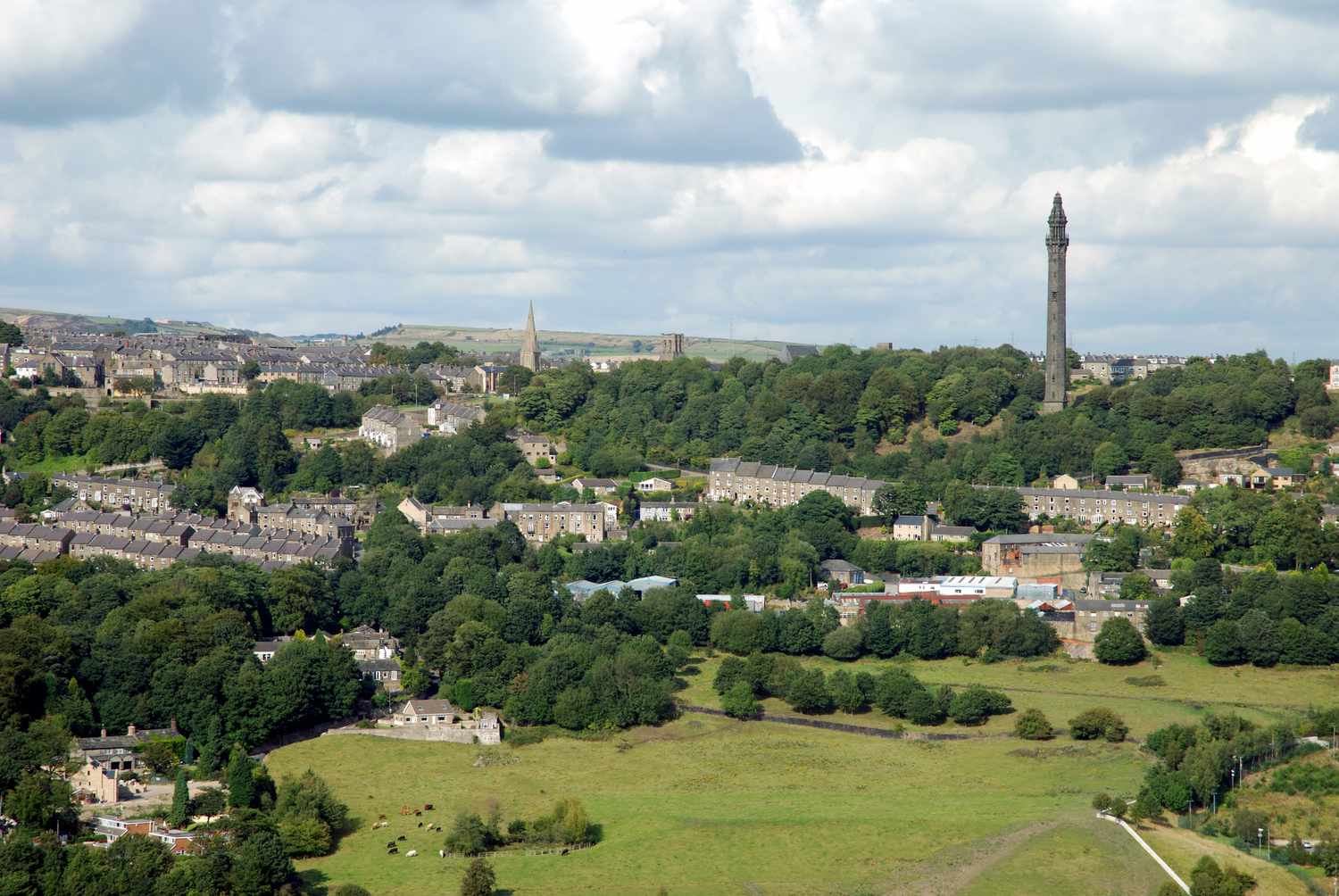
Anne Lister was born on 3 April 1791 in Halifax, Yorkshire. She was the daughter of Captain Jeremy Lister and Rebecca Battle and became closely associated with Shibden Hall, the historic family estate on the outskirts of Halifax.
Although Anne spent parts of her childhood elsewhere, Shibden Hall became the place most closely linked to her name. It was her home, her power base and the centre of much of her adult life.
Anne grew up during a period of enormous change in Britain. The Industrial Revolution was reshaping towns and cities, industry was expanding rapidly and the social order was shifting. Yet for women, expectations remained narrow. Most were expected to marry, raise children and avoid stepping too far into public, political or business life.
Anne had no intention of living quietly in the margins. From a young age, she showed a sharp mind and a hunger for knowledge. She read widely, studied languages, took an interest in science and medicine, and developed the disciplined habits that would later make her diaries such an extraordinary historical record.
She was also deeply aware of who she was. Modern labels did not exist in the same way they do today, but Anne’s diaries leave little doubt about her attraction to women, her emotional attachments and her desire to build a committed life with a female partner.
Growing Up In Yorkshire
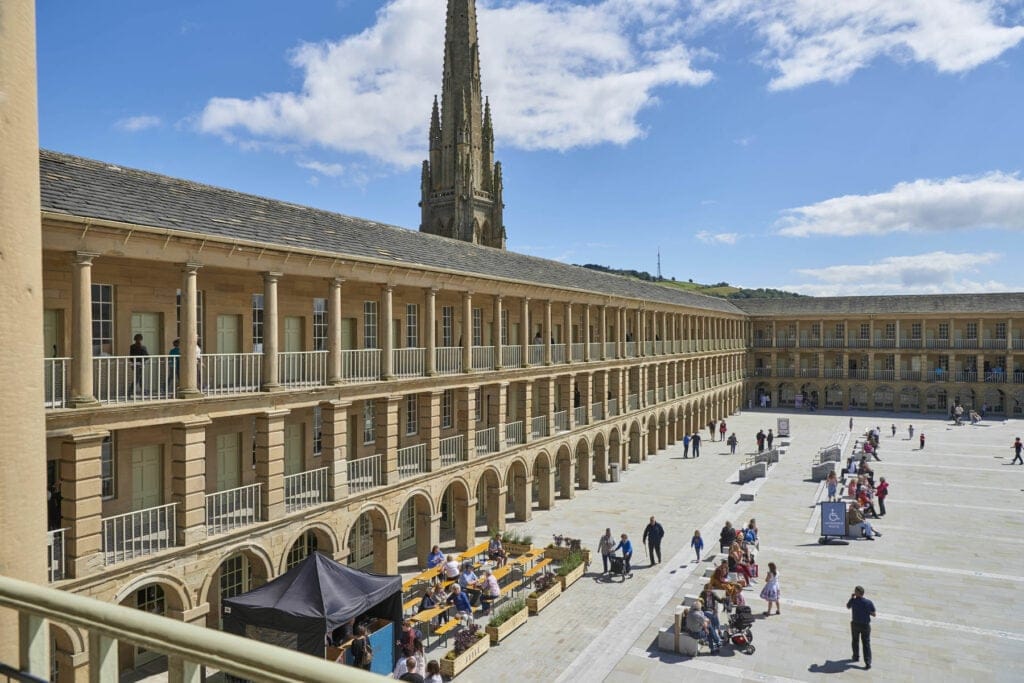
Anne Lister’s Yorkshire roots are central to her story. Halifax at the end of the eighteenth century was a growing town shaped by trade, industry and the surrounding West Yorkshire landscape. It was a place where old landowning families and new industrial wealth existed side by side.
Anne attended Manor School in York, where she formed close friendships and experienced some of her earliest romantic feelings towards women. Those years helped shape her understanding of herself and gave her a glimpse of emotional intimacy outside the expectations placed upon young women of her class.
As she grew older, Anne developed a reputation for standing apart from convention. She often wore black and preferred a style of dress that others considered unusual. Her confidence, independence and manner led some people to call her “Gentleman Jack”.
The nickname was not necessarily meant kindly, but it survived because it captured how visibly different Anne appeared to those around her. She walked, dressed, spoke and behaved in ways that challenged what society expected from women.
Anne did not live without fear or consequence, but she refused to shrink herself to make other people more comfortable.
Life At Shibden Hall
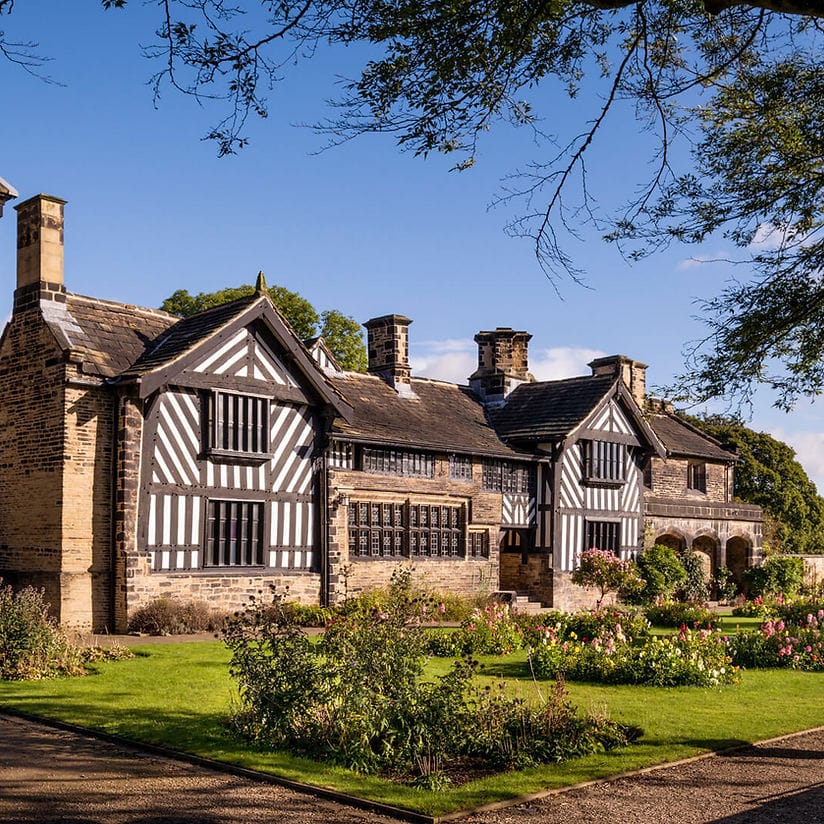
Few places are more closely connected to Anne Lister than Shibden Hall. The historic house had belonged to the Lister family for generations and became Anne’s home as well as the centre of her ambitions. She took increasing responsibility for the estate as she grew older and became deeply involved in managing its land, tenants and finances.
This was unusual for a woman of her time. Estate management, business negotiations and investment decisions were usually considered male responsibilities. Anne rejected that limitation. She examined accounts, negotiated agreements and looked for ways to make Shibden more profitable.
She also wanted to improve and reshape the estate. Shibden was not only a family inheritance to her. It was a statement of identity and independence.
The house and surrounding land became the stage on which Anne built much of her adult life. It was where she conducted business, welcomed visitors, wrote in her diaries and eventually lived with Ann Walker.
Today, Shibden Hall remains one of the most important places for anyone wanting to understand Anne Lister’s life. It is not simply a historic house. It is the physical setting for one of the most remarkable LGBTQ+ stories in British history.
The Secret Diaries That Changed History
Anne Lister’s diaries are the reason her life can be understood in such depth.
Her surviving diaries begin in 1806 and continue until shortly before her death in 1840. Across thousands of pages, she recorded the details of her daily life with extraordinary discipline. The diaries contain around four to five million words, making them one of the most extensive personal records left by a British woman of the period.
What makes them especially important is that around one sixth of the writing was recorded in code.
Anne’s crypthand combined letters, symbols, Greek characters and mathematical signs. In these coded passages, she wrote about her romantic and sexual relationships with women, her emotional life, her frustrations, her ambitions and her private thoughts.
The coded sections helped protect the most intimate parts of Anne’s life from easy discovery. After her death, the diaries remained within family and local collections, but their full significance was not immediately understood by the wider public.
The code was deciphered in the late nineteenth century by John Lister and Arthur Burrell. Wider study, recognition and public understanding came much later.
The survival of the diaries is hugely significant. They provide rare and direct evidence of a woman who loved women in the early nineteenth century and who recorded those relationships in her own words.
For historians, they are invaluable. For LGBTQ+ communities, they are powerful proof that queer lives, loves and identities existed long before modern rights movements, even when the language and legal recognition did not.
Anne Lister And Her Relationships With Women
Anne Lister’s relationships are central to her story because they reveal how clearly she understood her own desires.
Throughout her life, she formed intense emotional and romantic relationships with women. These were not passing attachments. Anne sought commitment, intimacy and partnership. She wrote about love, jealousy, heartbreak, longing and frustration with a level of detail that makes her diaries feel startlingly modern.
She wanted a life partner. She wanted domestic stability. She wanted someone who would share her home, her ambitions and her future.
That desire was difficult in a society that did not legally recognise relationships between women. Anne could not marry a woman in law. She could not claim the protection or public legitimacy that heterosexual marriage offered. Yet her writings show that she understood her relationships as real, serious and binding.
This is one reason Anne Lister matters so much. Her life challenges the idea that LGBTQ+ history is only a modern story. Her diaries show that women loved women, planned lives together and made private commitments long before society had the language or legal structures to recognise them.
Anne Lister And Ann Walker
The most famous and significant relationship of Anne Lister’s life was with Ann Walker.
Ann Walker was a wealthy Yorkshire heiress from a prominent local family. She and Anne became increasingly close during the early 1830s, and their relationship developed into a committed partnership.
Their relationship was not without difficulty. Ann experienced periods of poor mental health and the couple faced pressure from the society around them. There were also differences in temperament and confidence. Anne was forceful, ambitious and socially bold. Ann was more vulnerable and often less certain.
Despite those challenges, they built a shared life.
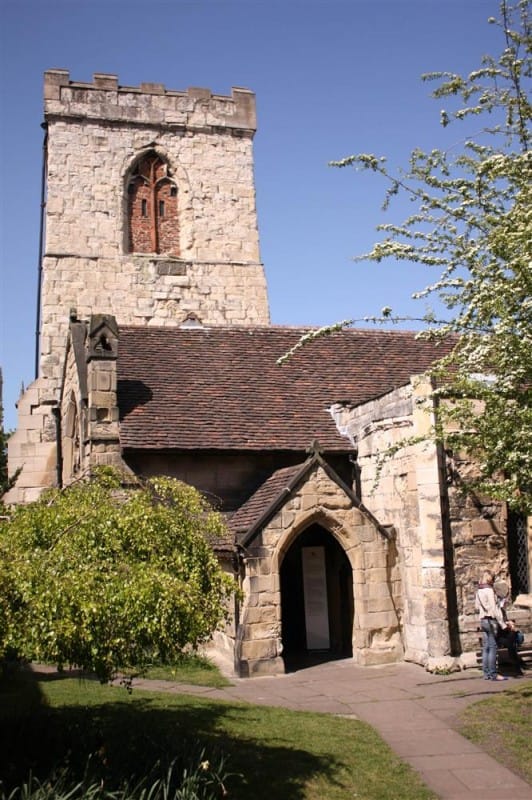
In 1834, Anne Lister and Ann Walker took communion together at Holy Trinity Church, Goodramgate, in York, after privately exchanging vows. Many historians regard this as a symbolic commitment similar to marriage, although it had no legal recognition.
The moment has become one of the most important events in British LGBTQ+ history. It did not change the law. It did not make their partnership publicly equal to marriage. But for Anne and Ann, it carried deep personal meaning.
Ann later moved into Shibden Hall, where the couple lived together. Their partnership remains one of the most significant recorded same sex relationships in nineteenth century Britain.
Businesswoman, Landowner And Coal Investor
Anne Lister was not only important because of her private life. She was also a determined businesswoman.
At a time when women were often discouraged from direct involvement in business, Anne took control of estate matters and involved herself in financial decisions. She managed tenants, negotiated leases and looked for ways to increase income from her land.
One of her most notable business interests was coal. Anne recognised the value of mineral resources beneath her estate and pursued opportunities connected to mining. This required confidence, knowledge and negotiation in an industry dominated by men.
Her business life shows another side of her independence. Anne was not content to be a passive landowner. She wanted influence, control and success.
That ambition could make her difficult. She was not always gentle or easy to admire without qualification. But that complexity is part of what makes her historically interesting. Anne was not a symbol created for modern comfort. She was a real person with power, flaws, contradictions and extraordinary determination.
Travels Across Europe
Anne Lister had a deep curiosity about the wider world.
She travelled extensively through Britain and continental Europe, visiting countries including France, Switzerland, Belgium and Italy. Her journeys were ambitious for the period, especially for a woman travelling in the early nineteenth century.
Travel at that time could be uncomfortable, expensive and physically demanding. Roads were difficult, journeys were slow and conditions could be unpredictable. Anne embraced it.
Her diaries record observations about landscapes, architecture, politics, customs and the people she encountered. She was not a passive tourist. She studied the places she visited and wrote about them with the same attention to detail that shaped the rest of her diary keeping.
Travel also gave Anne a degree of freedom. Away from the social expectations of Halifax, she could move through different worlds, build new connections and experience life beyond the restrictions of home.
The Final Journey
In 1839, Anne Lister and Ann Walker began an ambitious journey through Europe and into areas that were then part of the Russian Empire.
The journey reflected Anne’s restless spirit and her continuing desire to explore. Even in later life, she remained driven by curiosity, movement and the pursuit of experience.
During the trip, Anne became seriously ill while travelling through what is now Georgia.
She died in Kutaisi on 22 September 1840 at the age of 49. Her death brought an extraordinary life to an abrupt end. Arrangements were made for her body to be transported back to Yorkshire, a long and difficult journey that reflected the importance of bringing her home.
Anne Lister was eventually buried at Halifax Minster.
Rediscovery And Recognition
For many years after her death, Anne Lister was not widely known outside specialist historical circles.
Her diaries survived, but their full significance took time to emerge. The coded sections were deciphered in the late nineteenth century, but wider academic and public recognition developed much later.
Researchers eventually recognised that Anne’s diaries offered something exceptional. They were not only a record of one woman’s private life. They were a major source for women’s history, social history, local history and LGBTQ+ history.
The diaries were added to UNESCO’s Memory of the World Register in 2011, recognising their international historical importance.
That recognition helped confirm what many researchers already understood. Anne Lister’s writings are among the most important surviving documents for understanding same sex relationships in nineteenth century Britain.
The Gentleman Jack Phenomenon
Anne Lister’s story reached a much wider audience through the television drama Gentleman Jack.
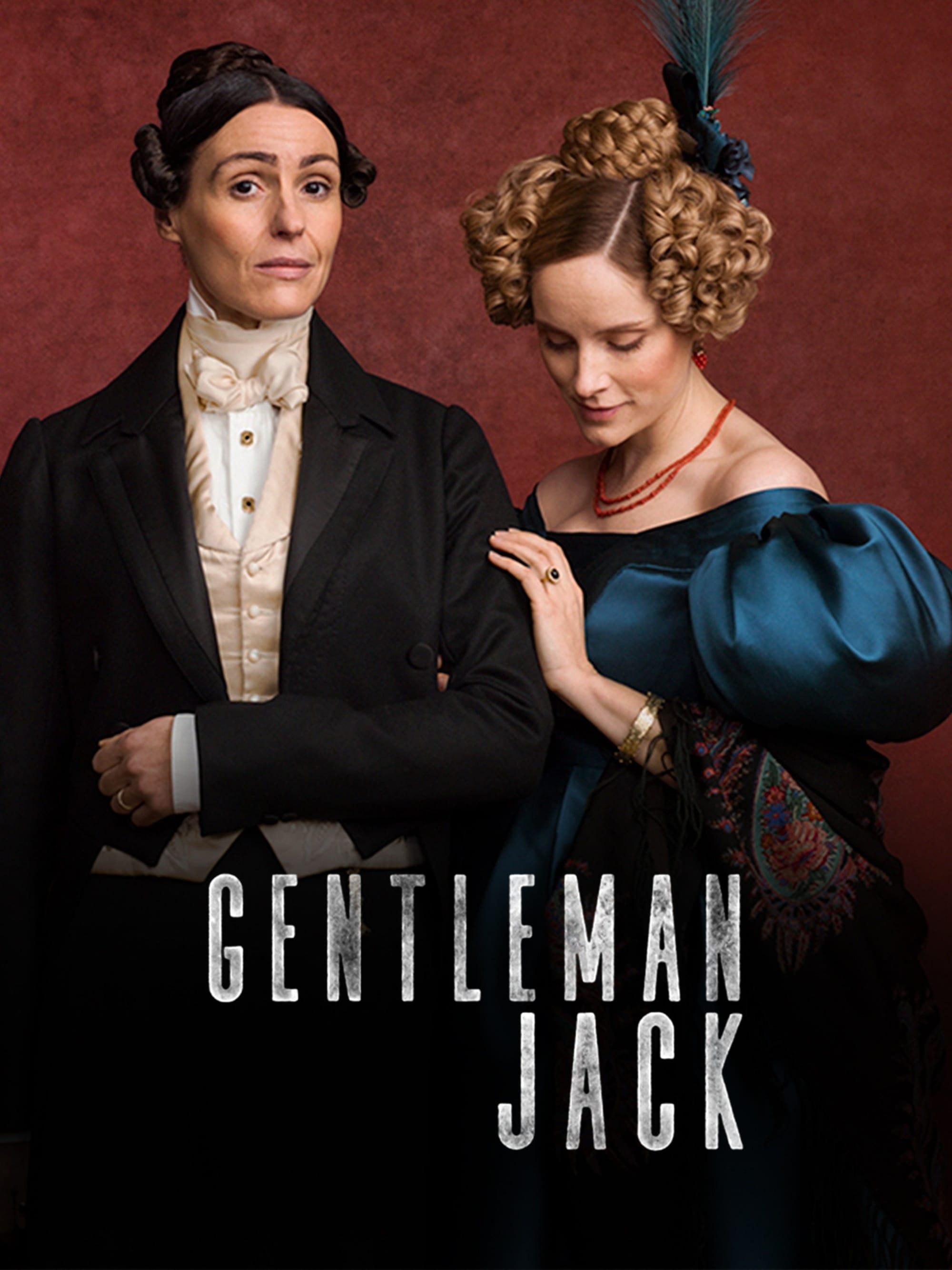
The series introduced millions of viewers to her life, her partnership with Ann Walker, her business ambitions and her connection to Shibden Hall. It also brought fresh attention to the diaries that made her story possible.
For many viewers, Gentleman Jack was their first introduction to Anne Lister. The drama helped turn a figure once known mainly by historians, archivists and local heritage experts into an internationally recognised LGBTQ+ icon.
It also brought renewed attention to Halifax and Shibden Hall. Visitors travelled to West Yorkshire to see the places where Anne lived, walked, wrote and built her life.
Television can never capture every detail of a historical figure, but Gentleman Jack played a major role in helping people discover the real Anne Lister behind the drama.
Why Anne Lister Still Matters
Anne Lister matters because her life proves something important. LGBTQ+ history did not begin in the twentieth century.
People loved, desired, committed, hoped and built lives together long before legal recognition, Pride marches, television representation or modern equality laws. Anne Lister’s diaries give us one of the clearest surviving records of that truth.
She matters because she wrote herself into history at a time when women like her could so easily have been erased.
She matters because she refused to live passively. She managed land, pursued business, travelled widely, studied seriously and loved women with conviction.
She also matters because she was not perfect. Her story is not powerful because she was flawless. It is powerful because she was real. She was brave, ambitious, demanding, intelligent, emotional and determined. Her diaries preserve the life of a woman who wanted more than the world was prepared to offer her.
More than 180 years after her death, Anne Lister remains one of the most important LGBTQ+ figures in British history.
Anne Lister Timeline
1791: Anne Lister is born in Halifax, Yorkshire.
1806: Her surviving diaries begin, eventually growing into one of the most extraordinary personal records of nineteenth century Britain.
1815: Anne takes up residence at Shibden Hall with her uncle James and aunt Anne.
1826: Following the death of her uncle, Anne begins managing the Shibden estate more directly.
1832: Her relationship with Ann Walker becomes increasingly significant.
1834: Anne Lister and Ann Walker take communion together at Holy Trinity Church, Goodramgate, in York, after privately exchanging vows.
1836: Ann Walker moves into Shibden Hall.
1839: Anne and Ann begin their final overseas journey.
1840: Anne Lister dies in Kutaisi, Georgia.
Late nineteenth century: The code in Anne’s diaries is deciphered by John Lister and Arthur Burrell.
2011: The diaries are added to UNESCO’s Memory of the World Register.
2019: Gentleman Jack introduces Anne Lister’s story to a global television audience.
Quick Facts
Born: 3 April 1791
Birthplace: Halifax, Yorkshire
Died: 22 September 1840
Place of death: Kutaisi, Georgia
Home: Shibden Hall, Halifax
Partner: Ann Walker
Occupation: Landowner, diarist, businesswoman and traveller
Known for: Her diaries, her relationship with Ann Walker and her importance in LGBTQ+ history
Legacy of a LGBTQ+ Icon
Anne Lister’s legacy extends far beyond Yorkshire. Through her diaries, she preserved a record of her life that continues to educate, inspire and challenge assumptions about the past. She was a woman who refused to accept society’s limitations, pursued her ambitions with determination and documented her experiences with extraordinary honesty.
Today she stands as one of the most important figures in LGBTQ+ history, not because she sought fame, but because she left behind the evidence of a life lived authentically. More than 180 years after her death, Anne Lister remains a powerful symbol of independence, resilience and the enduring importance of being true to oneself.
Where To Visit Anne Lister’s Story Today
For anyone wanting to understand Anne Lister beyond the page and screen, West Yorkshire and York remain central to her story.
Shibden Hall in Halifax is the most important place connected to her life. The historic house was Anne’s home and the centre of her estate. Visitors can explore the rooms, grounds and wider setting that shaped so much of her story. For many LGBTQ+ visitors, Shibden Hall has become more than a museum. It is a place of connection, memory and recognition.
Halifax itself is also worth visiting for those interested in Anne’s life. The town and surrounding Calderdale landscape help place her story in context, from the industrial world she navigated to the local society she challenged.
Halifax Minster is another important location, as Anne Lister was buried there after her body was brought back from Georgia. It remains part of the physical trail of her life and legacy.
In York, Holy Trinity Church, Goodramgate, holds special significance. This was where Anne Lister and Ann Walker took communion together in 1834 after privately exchanging vows. The church is now one of the most meaningful places associated with their relationship and is often visited by those who see the moment as a landmark in LGBTQ+ history.
The West Yorkshire Archive Service in Calderdale is also central to Anne’s legacy. The archive holds the Lister family collection, including the famous diaries that changed how historians understand her life. Digital access and transcription projects have helped make the diaries more widely available to researchers and the public.
Together, these places allow visitors to follow Anne Lister’s story through the landscapes that shaped her. Shibden Hall shows where she lived. Halifax connects her to family, business and burial. York marks the symbolic commitment she made with Ann Walker. The archives preserve her own words.
Anne Lister’s legacy extends far beyond Yorkshire, but Yorkshire remains the place where her story can still be felt most strongly.
Through her diaries, she preserved a record of her life that continues to educate, inspire and challenge assumptions about the past. She was a woman who refused to accept society’s limitations, pursued her ambitions with determination and documented her experiences with extraordinary honesty.
Today, Anne Lister stands as one of the most important figures in LGBTQ+ history, not because she set out to become an icon, but because she left behind the evidence of a life lived with rare courage and self knowledge.
More than 180 years after her death, her story continues to draw people to Halifax, York and Shibden Hall, where the world of Anne Lister still feels close enough to touch.
This article is part of our LGBTQ+ Icons series. Discover more of the people who have shaped LGBTQ+ history, culture and representation in further articles.