AI Ghost Photos and Videos – How to Spot Fake Paranormal Images
Learn how AI creates convincing ghost photos and videos, why detectors can be unreliable and how to investigate suspicious paranormal footage.

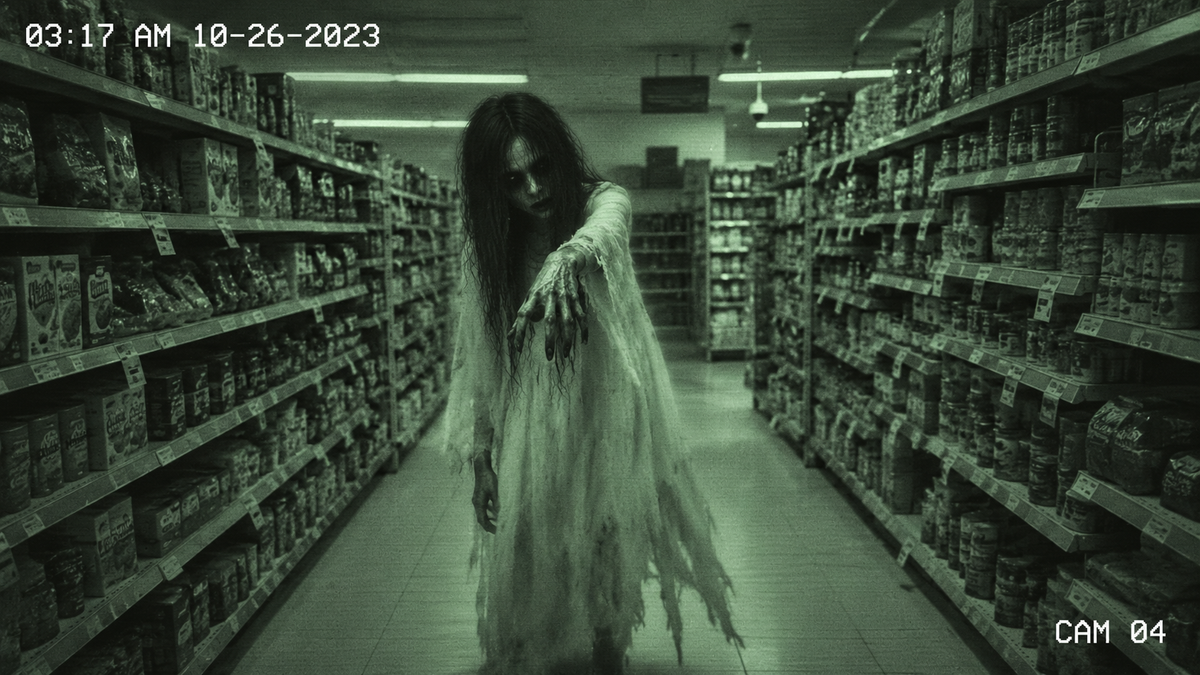
A ghostly figure appears at the end of an empty corridor. A shadow moves across a security camera recording. Someone claims to have photographed a mysterious creature in woodland, but nobody can establish where the picture was taken.
Images like these have circulated online for years, but artificial intelligence has introduced another complication. Modern image and video generators can create convincing scenes that never happened, including footage designed to resemble security cameras, mobile phones and old photographs.
The technology can be entertaining when used openly for horror fiction, but problems arise when synthetic material is presented as evidence of a genuine event.
Why AI ghost pictures can look convincing
Generative AI systems can reproduce realistic shadows, reflections, camera noise and the imperfect lighting associated with ordinary photography.
A fabricated image might show a pale figure standing in a doorway, complete with the blurred details and low resolution expected from a photograph taken in darkness.
Creators can also imitate the appearance of older photographs or security-camera recordings, making the image seem less like a polished digital creation.
These techniques mean that a picture doesn't need to look perfect to appear believable.
AI videos create another challenge
Video-generation systems can produce moving scenes from written descriptions or existing images.
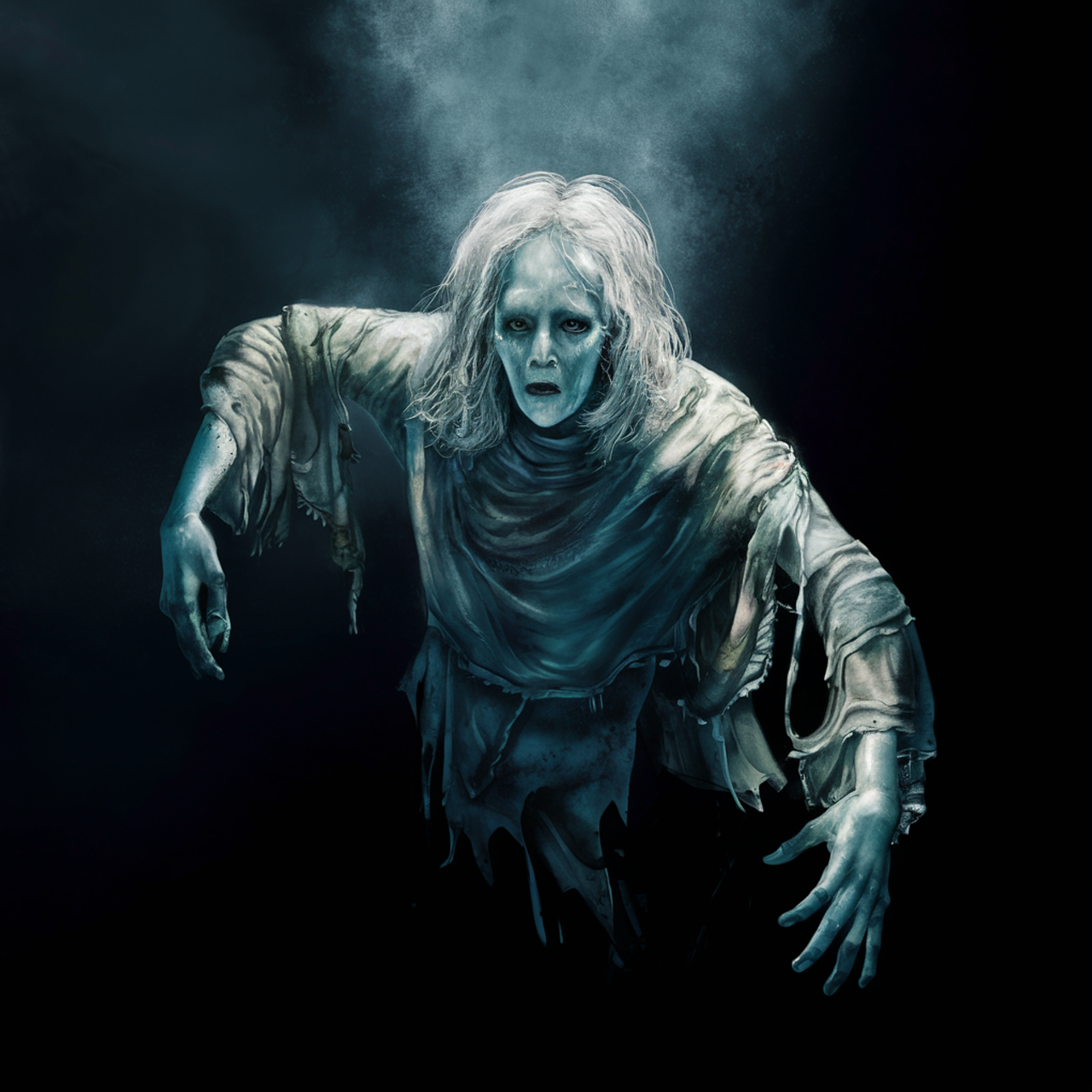
A creator could generate footage showing an empty corridor before a mysterious figure briefly appears in the background. Editing software can then add timestamps, distortion or sound effects to make it resemble recovered surveillance footage.
These techniques are not necessarily deceptive. Filmmakers and digital artists regularly create fictional horror content for entertainment. The distinction matters when viewers are encouraged to believe that the footage records a real incident.
Can strange hands reveal an AI image?
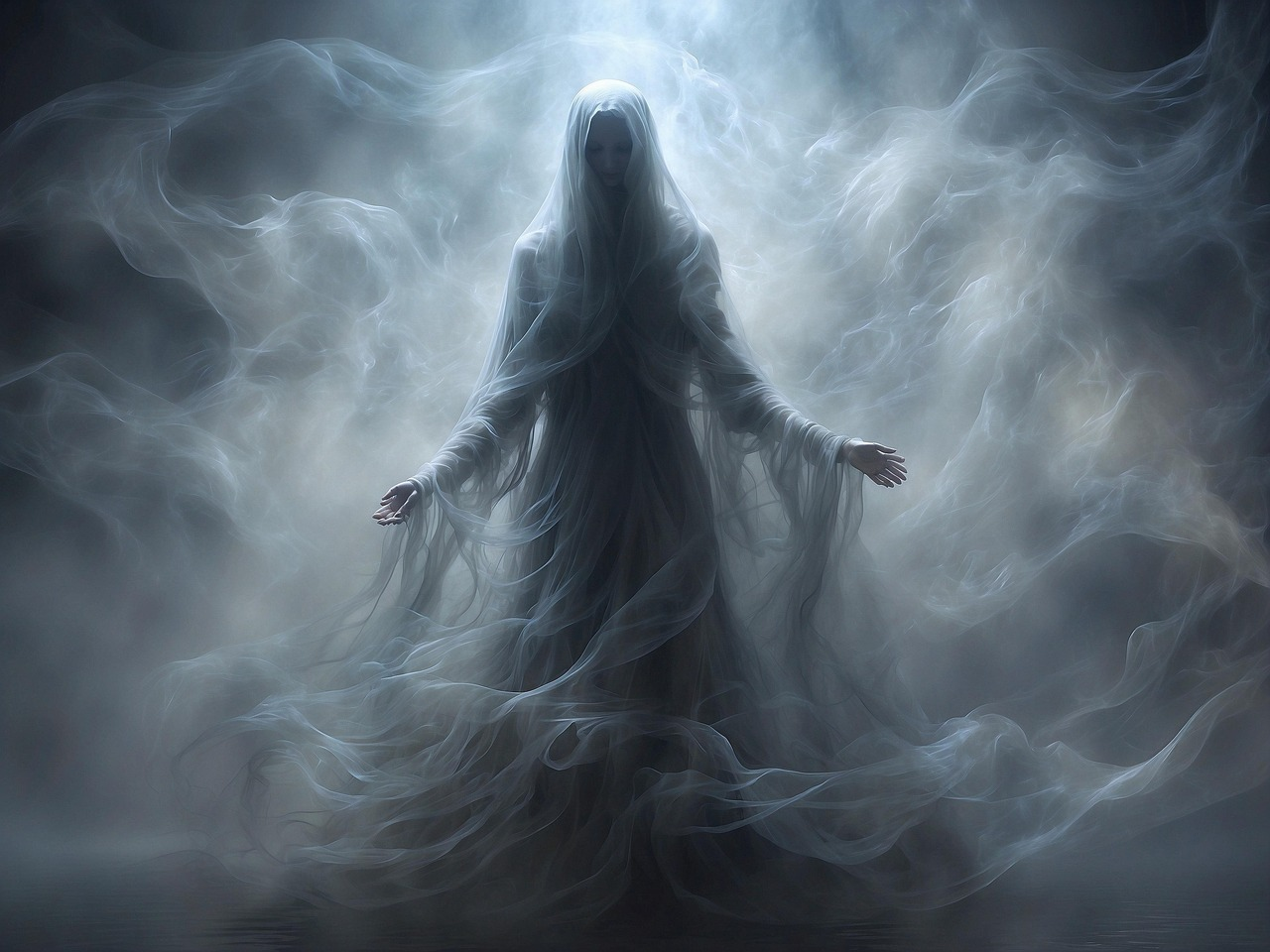
Early AI-generated pictures frequently contained obvious anatomical mistakes, particularly around fingers, hands and facial features.
Those errors became familiar warning signs, leading many people to assume that checking anatomy was enough to identify a synthetic image. Modern generators have improved considerably, however, and convincing hands or faces cannot establish that a photograph is genuine.
Equally, an unusual-looking limb does not automatically prove AI involvement. Camera movement, perspective, shadows and compression can all create misleading appearances.
Visual mistakes may provide clues, but they should never be treated as definitive evidence.
How to investigate a suspicious ghost photograph
The most useful starting point is the origin of the image. Look for the earliest available upload, the person who claims to have taken the photograph and any information about the location.
Google Lens and other reverse-image search tools can help identify earlier appearances of a picture, potentially revealing that it was originally shared as artwork or attached to a completely different story.
For videos, look for a longer recording showing what happened before and after the supposed encounter.
A few seconds removed from their original context can be misleading, particularly when dramatic captions are added by accounts that did not create the footage.
Can AI detectors identify fake paranormal footage?
Automated detection tools attempt to identify characteristics associated with synthetic images and videos.
Some examine visual patterns, while others may analyse technical information connected to the file. However, their results are not infallible. Compression, editing and repeated uploads can complicate detection, potentially producing incorrect conclusions.
A high probability score should therefore be treated as a clue rather than proof. The absence of a warning is equally limited, as some AI-generated material may not be recognised.
What are Content Credentials?
Digital provenance systems offer another way to investigate where an image came from and how it may have been processed.
Content Credentials, associated with the C2PA standard, can record information about the creation and editing of supported media files.
Where available, this information may indicate whether particular software or AI tools were involved. Readers can learn more about the system and explore available verification tools through Content Credentials.
However, provenance information can be absent or lost when files are edited or shared through platforms that do not preserve it.
The lack of Content Credentials does not prove that an image is fake, while their presence does not automatically establish that every claim attached to the picture is accurate.
Five checks before sharing a supposed ghost video
Before treating a frightening clip as evidence of a genuine paranormal encounter, consider five questions.
Who originally published it? An identifiable creator and a clear explanation provide more context than an anonymous repost.
Is there a longer recording? A short clip may exclude important details that explain what viewers are seeing.
Has the image appeared elsewhere? Reverse-image searching may reveal an earlier fictional version or a different explanation.
Does independent evidence support the claim? A supposed incident involving a real location may have witnesses, records or other information that can be checked.
Is the footage labelled as entertainment? A convincing horror creation isn't misinformation simply because it looks realistic.
These checks cannot resolve every mystery, but they help distinguish genuine uncertainty from unsupported claims.
Why this matters beyond Halloween
A fictional ghost photograph might appear harmless, particularly when shared as a seasonal joke or creative experiment.
The same technology, however, can also generate convincing images of real people and events, making synthetic media an issue far beyond supernatural entertainment.
Misleading photographs can circulate quickly, and once an image has been separated from its original context, correcting the accompanying story becomes more difficult.
Halloween can still be a time to enjoy frightening stories, elaborate visual effects and imaginative digital art. The important thing is understanding when a convincing horror scene is fiction rather than mistaking it for evidence of something that actually happened.