Sylvester Stallone Says Hollywood Must Embrace AI After His Rambo Idea Was Rejected
Sylvester Stallone defends AI in Hollywood after revealing his rejected plan to recreate a younger Rambo using artificial intelligence.

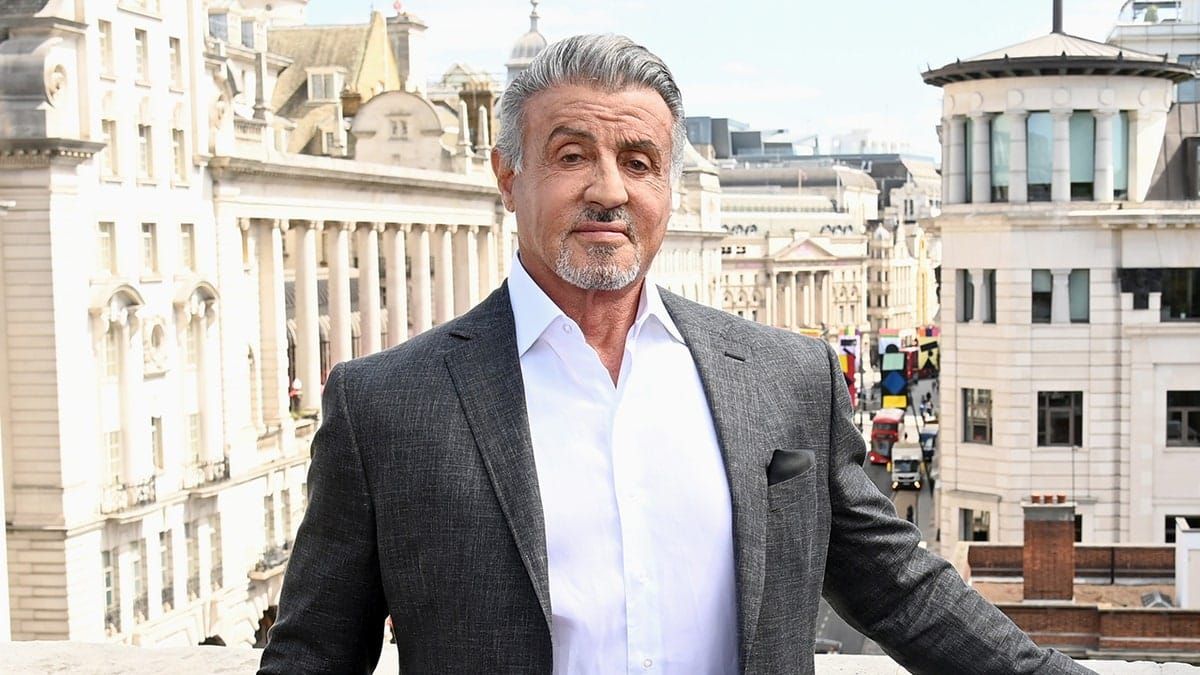
Sylvester Stallone has defended the growing use of artificial intelligence in Hollywood, revealing that he previously suggested combining a human performance with AI technology to portray a younger version of his famous action character John Rambo.
The 80-year-old actor discussed the idea during an appearance on The Overlap's Stick to Football, where he reflected on his career, the film industry and his willingness to experiment with new technology.
His comments come as Hollywood continues debating whether generative AI represents an opportunity for filmmakers or a threat to the performers and creative workers whose skills have traditionally brought productions to life.
Stallone Wanted to Play a Younger Rambo
Stallone explained that he had proposed using a combination of human performance and artificial intelligence to recreate a younger version of himself for the forthcoming Rambo prequel.
The proposal was rejected, with Noah Centineo instead cast to portray a younger John Rambo. Stallone remains involved with the new film as an executive producer.
His original suggestion reflects the growing interest in technology that can alter an actor's appearance, allowing established performers to portray characters at different stages of their lives.
Although digital de-ageing has been used in major films for years, generative AI introduces additional possibilities and concerns. Its use can extend beyond altering existing footage to producing new visual or audio material based on a performer's likeness.
Stallone Believes AI Cannot Be Stopped
During the interview, Stallone argued that artificial intelligence is becoming an unavoidable part of the entertainment industry. His comments suggest that he believes filmmakers should adapt to the technology rather than assume its development can be prevented.
However, he also acknowledged that creative professionals have legitimate concerns about its impact. That distinction makes his position more complicated than simple enthusiasm for replacing traditional filmmaking techniques.
The actor's willingness to experiment with AI comes from the perspective of someone whose image and performances have become internationally recognisable. For less established performers, however, questions about employment, consent and control over their likenesses may carry very different consequences.
What Would AI Mean for Actors?
The debate surrounding AI in film production extends beyond recreating younger versions of established stars. It also includes the potential reproduction of voices, facial expressions and performances, sometimes without the same practical involvement required in conventional filmmaking.
There is an important difference between an actor agreeing to participate in an AI-assisted performance and a studio generating material without meaningful permission or compensation. Those questions have become increasingly important as the technology develops.
Stallone's proposed approach would have involved his own participation, but the broader implications remain significant for performers whose images could potentially be reproduced long after an original production.
The next Rambo film is planned for 2027, with Centineo taking over the central role. While Stallone's AI proposal will not form part of that production, his comments demonstrate that even Hollywood's most established stars are divided over how artificial intelligence should shape the industry's future.
Image credits: Dave J Hogan/Getty Images