Why Some LGBTQ+ People Still Distrust Police and Whether Liaison Officers Can Help
Research reveals differences in LGBTQ+ experiences of policing and examines whether dedicated liaison officers can improve trust and community confidence.

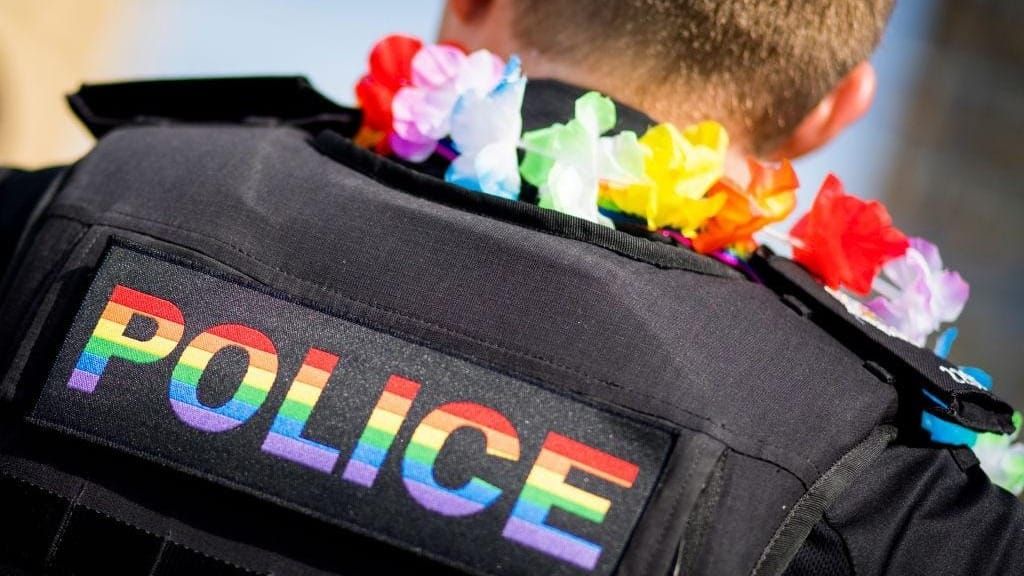
Police departments around the world have introduced specialist LGBTQ+ liaison officers in an effort to improve relationships with communities, but recent research into discrimination and police contact suggests that rebuilding confidence requires much more than appointing a dedicated representative.
A study published by the Williams Institute at UCLA School of Law in November 2025 examined how LGBTQ+ people experience law enforcement in the United States, identifying significant differences in reported police stops, searches and arrests compared with the wider population.
The findings highlight the difficulties facing police organisations attempting to strengthen community relationships, particularly where historical discrimination and more recent experiences have influenced whether LGBTQ+ people feel comfortable reporting incidents or seeking assistance.
What Does the Research Reveal About LGBTQ+ Experiences?
The Williams Institute reviewed research examining interactions between LGBTQ+ people and law enforcement, including findings published by the American Civil Liberties Union in 2024 that demonstrated substantial differences in respondents' lifetime experiences of police contact.
Among LGBTQ+ respondents, 51% reported having been stopped by police, compared with 42% of non-LGBTQ+ respondents, while 27% reported having experienced a police search compared with 16% of those outside the LGBTQ+ population.
The research also found that 20% of LGBTQ+ respondents had experienced an arrest, compared with 14% of non-LGBTQ+ respondents, illustrating differences that researchers believe warrant further examination of policing practices and community experiences.
These figures relate to the American population studied and do not establish that every encounter involved discrimination, but they provide important evidence when examining why different groups may experience and perceive law enforcement in different ways.
The Williams Institute also highlighted research documenting harassment, discriminatory treatment and reluctance among some LGBTQ+ individuals to seek police assistance, particularly where people have experienced previous negative interactions.
How Historic Discrimination Continues to Influence Trust
Relationships between LGBTQ+ communities and police services have been shaped by periods when same-sex relationships were criminalised and people faced investigation, harassment or arrest because of their sexuality or gender expression.
Although legal reforms have removed many discriminatory restrictions, the experiences of earlier generations continue to influence community perceptions, particularly when concerns about contemporary police conduct reinforce memories of historic mistreatment.
Transgender people, LGBTQ+ people of colour and individuals experiencing additional forms of discrimination may encounter different challenges when interacting with law enforcement, making it important for police organisations to recognise that LGBTQ+ communities do not share identical experiences.
For someone considering whether to report an assault, harassment or hate crime, confidence in the response they will receive can influence whether they approach officers, particularly if previous contact has involved dismissive treatment or a failure to understand their circumstances.
What Can a Dedicated LGBTQ+ Liaison Officer Offer?
Specialist liaison officers provide an identifiable point of contact for residents who may be unfamiliar with police procedures or uncomfortable approaching a department because of previous experiences.
Their responsibilities can include supporting people reporting crime, maintaining relationships with community organisations, advising colleagues about LGBTQ+ concerns and helping senior officers understand issues affecting different groups.
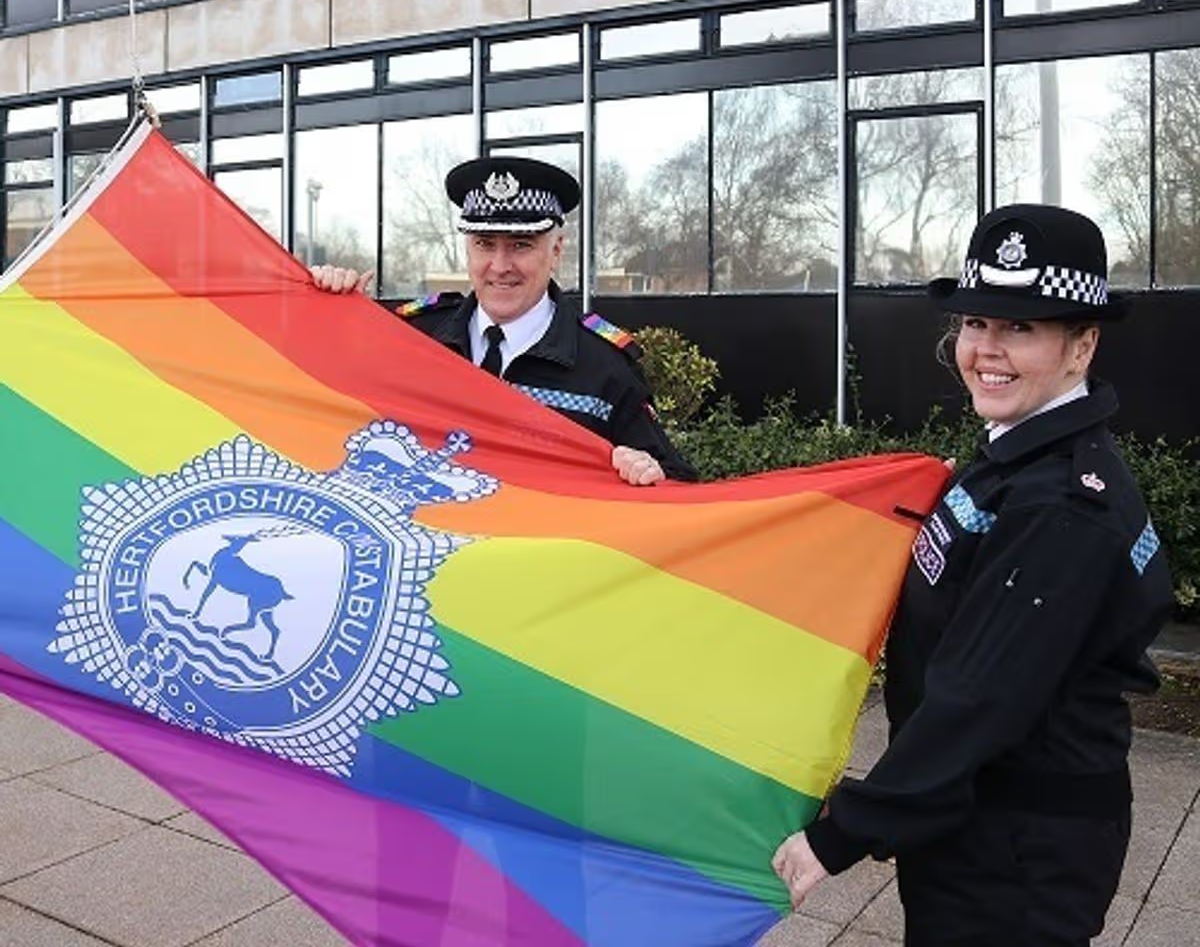
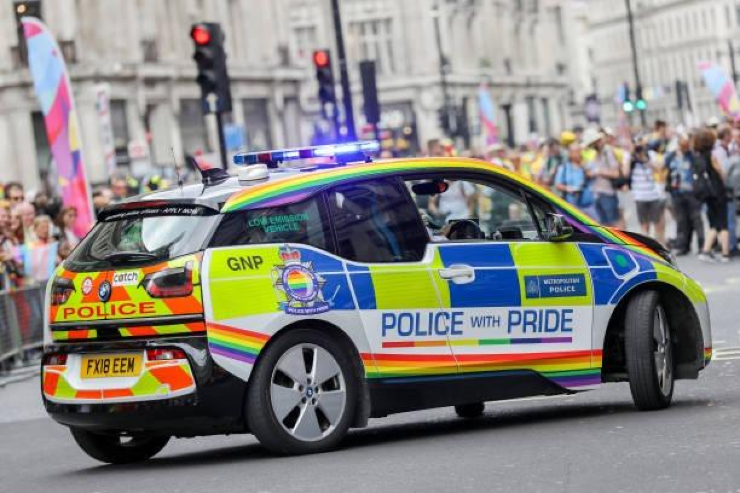
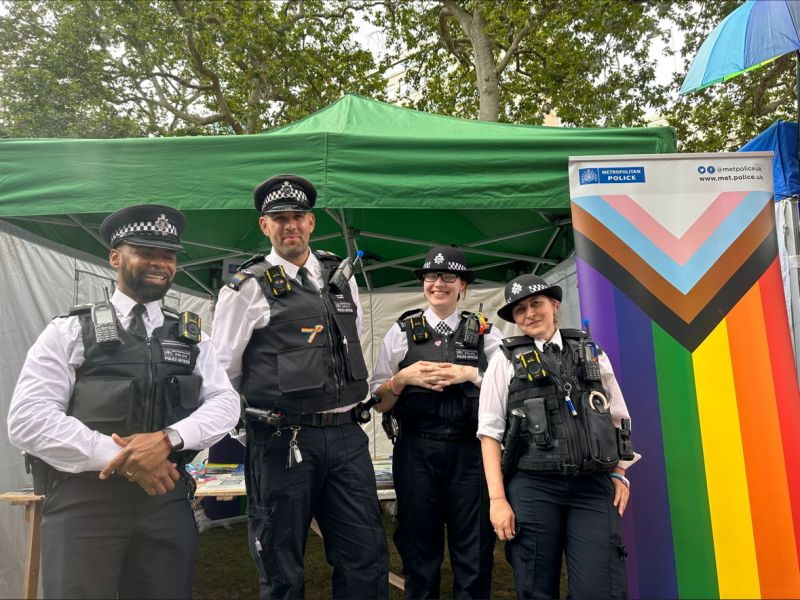
In London, the Metropolitan Police has dedicated LGBT+ Community Liaison Officers working across its policing regions, while police organisations in Australia and North America have developed arrangements reflecting their own community needs.
Such positions may make it easier for individuals to raise concerns or request assistance, particularly where liaison officers have established relationships with organisations already providing support to LGBTQ+ residents.
However, a welcoming initial conversation does not guarantee a positive experience throughout an investigation, meaning the conduct of other officers and the wider organisation remains essential to building confidence.
Is There Evidence That Liaison Officers Improve Trust?
Research supports the importance of fair treatment, effective communication and respectful interactions, although evidence directly measuring the impact of individual LGBTQ+ liaison programmes remains more limited.
Community confidence can be influenced by numerous factors, including local incidents, organisational leadership, complaints handling and people's previous experiences, making it difficult to attribute improvements to the appointment of specialist officers alone.
Changes in reported hate crime figures can also be difficult to interpret, because increased reporting may indicate greater confidence in approaching police rather than an actual increase in offending.
Independent community surveys, victim satisfaction data and long-term evaluation can provide a more detailed understanding of whether liaison arrangements are improving access to services and helping police organisations respond more effectively.
Why LGBTQ+ Communities Disagree About Police at Pride
Research published by the Williams Institute in June 2026 examined attitudes towards police participation in Pride events using data collected through the 2022 Policing the Rainbow study.
The findings showed that 48% of LGBTQ+ adults supported police presence at Pride, while 19% opposed it and 33% expressed neither support nor opposition, demonstrating the range of views within the community.
Support was highest among gay and lesbian respondents, with 60% favouring police participation, compared with 42% of bisexual respondents and 37% of transgender and non-binary respondents.
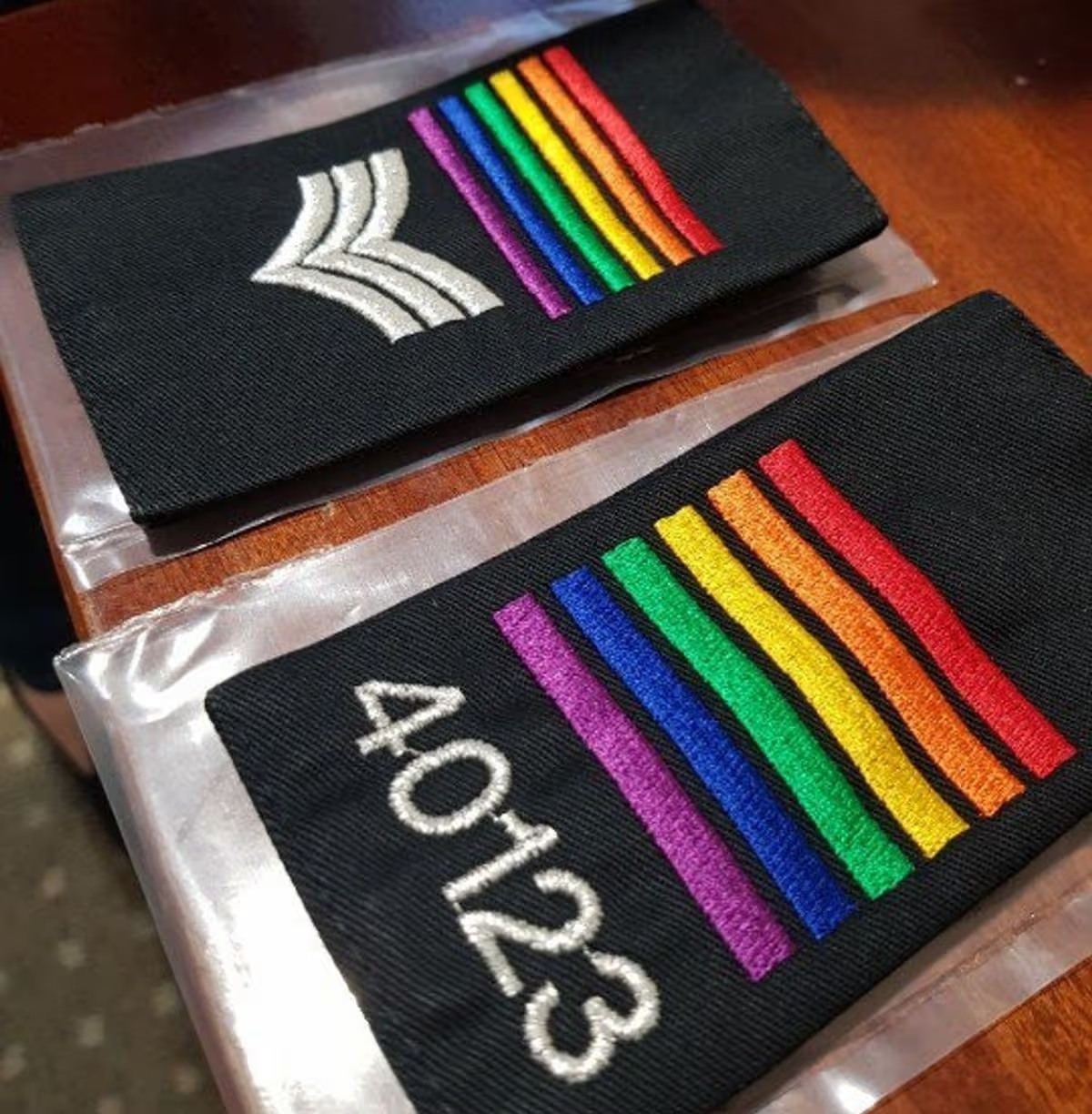
Age also influenced attitudes, with only 33% of LGBTQ+ adults aged between 18 and 29 supporting police participation compared with higher proportions among older respondents.
These differences demonstrate why effective community engagement requires police departments to listen to a range of perspectives rather than assuming that visible participation in LGBTQ+ events will be welcomed by everyone.
What Would Meaningful Improvement Look Like?
The effectiveness of specialist liaison arrangements should ultimately be considered through the experiences of people seeking police assistance, including whether they feel comfortable reporting incidents and receive fair treatment throughout the process.
Dedicated officers may provide valuable support, improve communication and help colleagues understand community concerns, but their work needs to be supported by appropriate training, professional accountability and effective responses to complaints.
The available evidence suggests that liaison officers can contribute to broader engagement efforts, although their presence alone is not sufficient to demonstrate that a police service has resolved longstanding concerns about discrimination or public confidence.
For LGBTQ+ residents, meaningful progress would involve being able to report crimes, seek advice and interact with police personnel knowing that their concerns will be taken seriously and handled professionally.
Further Reading: Williams Institute Report on LGBTQ+ Experiences of Law Enforcement and Research Into Police Participation at Pride.