Wentworth Star Nicole da Silva Backs Fight Against ‘AI Theft’ as Actors Demand Protection
Wentworth star Nicole da Silva has backed an Australian campaign against “AI theft” as performers demand stronger protection for their voices, likenesses and creative work.


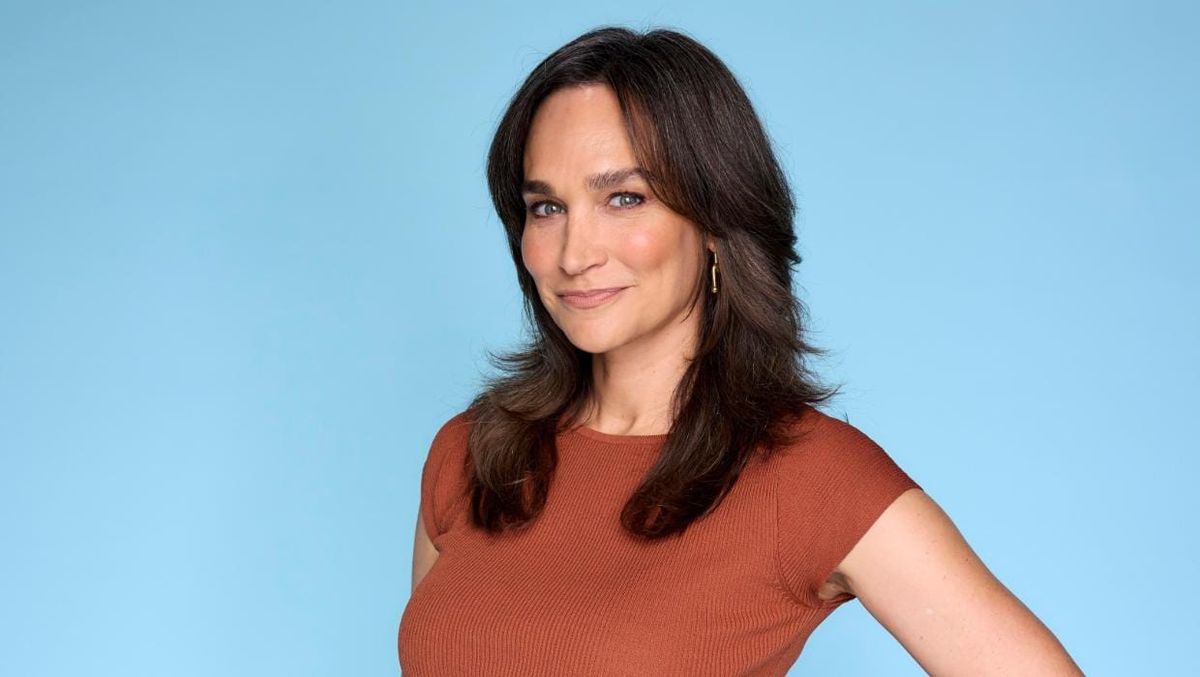
Wentworth star Nicole da Silva has backed calls for stronger protections for Australian performers as artificial intelligence makes it easier to recreate voices, faces and elements of human performance.
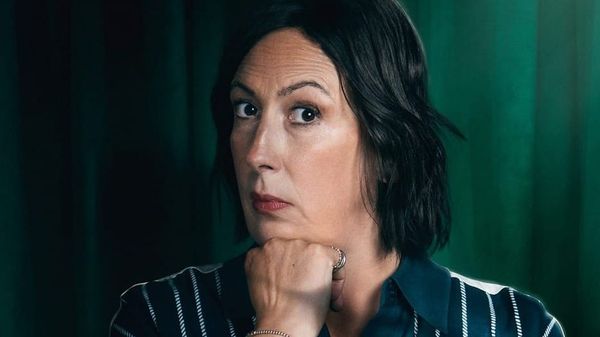
The actress, best known to many viewers as Franky Doyle in Wentworth, has supported a campaign led by the Media, Entertainment & Arts Alliance (MEAA), arguing that artists should be able to build sustainable careers without losing control of their work or identity
Nicole da Silva backs campaign against ‘AI theft’
Sharing the campaign publicly, Nicole urged people to help stop what organisers describe as “AI theft” and support Australian artists and performers.
In campaign material shared by Nicole and MEAA, she said: “Artists and performers uphold and enrich Australia’s cultural voice and identity. We deserve fair and sustainable work free from the threat of AI theft.”
She continued: “We need copyright laws to protect not only our livelihoods, but the pure expression of our collective human experience.”
“AI theft” is a campaign term rather than a specific legal definition. The wider argument centres on concerns that performers’ voices, likenesses, performances or creative work could be used to develop AI systems or generate new material without meaningful consent or appropriate payment.
Why are Australian performers concerned?
Generative AI can now create increasingly convincing voices, images and video. For performers, that raises questions about far more than somebody generating fictional pictures or voices for personal use.
An actor’s recorded voice could potentially be used to help produce synthetic dialogue, while images and footage can contribute to systems capable of generating realistic digital people. Technology can also create material that resembles an existing performer without requiring them to return to a recording studio or set.
The central argument is therefore about control. Performers want greater certainty over when their identity or work can be used, what exactly they are consenting to and whether further payment should be required when commercial material is created from it.
That does not mean every use of AI involving an actor is automatically exploitative. A performer can knowingly license a digital version of their voice or likeness under agreed conditions, but campaigners argue that those conditions should be clear, limited and properly compensated.
Australia’s existing laws face new questions
Australia already has copyright and performer protections, but those laws were not designed specifically around modern synthetic voices and digital replicas. That is one reason unions and performers are pushing for clearer contractual and legislative safeguards as the technology develops.
Copyright can protect recordings, films, scripts, photographs and other creative works, but a person’s face, voice, accent or style of performance does not always fit neatly into the same framework.
That becomes more complicated when AI creates something new rather than simply copying an existing recording. A synthetic voice might strongly resemble a particular actor without replaying one of their performances, while a generated character could look recognisably similar to somebody without reproducing a single photograph.
MEAA has been pushing for stronger protections around consent, control and compensation, with the wider campaign arguing that performers should not lose rights over their professional identities simply because technology can now reproduce them more easily.
The argument is also about jobs
Nicole’s comments place employment at the centre of the debate. The concern is not only that a famous actor might discover an unauthorised digital version of themselves, but that AI could reduce or change the amount of work available throughout the industry.
Actors are the most visible part of that discussion, although film and television productions employ much wider teams. Voice artists, extras, casting professionals, editors, designers, crew members and other specialists could all be affected if producers increasingly rely on synthetic material.
At the same time, AI is also creating new jobs involving digital production, technology and creative supervision. Supporters argue that the tools can reduce costs, help smaller producers realise ambitious ideas and create forms of entertainment that would previously have required far larger budgets.
The unresolved question is whether those new opportunities will compensate for jobs that may disappear or change, and who receives the financial benefit when AI systems have been developed using large amounts of human-created work.
Similar battles are happening in the US and UK
Australia is not dealing with these issues in isolation. Performer unions in the United States and United Kingdom have also been pushing for stronger rules covering digital replicas, synthetic voices and the scanning of actors.
In the US, SAG-AFTRA has negotiated protections requiring consent and disclosure around certain uses of digital replicas. In the UK, Equity has also been campaigning for clearer rules around consent, transparency and fair payment when performers’ voices, faces or bodies are digitally reproduced.
Those negotiations show how quickly the debate has moved. The argument is becoming less about whether AI should exist in entertainment and more about the conditions under which it should be used.
A performer who knowingly licenses a digital voice under a limited agreement is in a very different position from someone who discovers that a recognisable version of their performance has been generated without their involvement.
The fight is ultimately about control
Nicole’s support gives the Australian campaign another recognisable voice, but the issue extends well beyond individual celebrities. Performers are asking whether protections surrounding their faces, voices and work are developing quickly enough to keep pace with technology.
Artificial intelligence will continue to be used across entertainment, and some performers may actively choose to work with it. The more difficult question is what happens when technology can reproduce something recognisably human without the person behind it being part of the process.
For Nicole and MEAA, the answer begins with keeping performers involved in decisions about how their work and identities are used. As synthetic voices and digital characters become more convincing, control over consent, payment and future use is likely to become one of the biggest issues facing the entertainment industry.
Sources: Nicole da Silva’s public campaign post and MEAA material on AI, performer rights and protections for Australian creative workers.
For more on the arguments surrounding artificial intelligence, performers and creative rights, visit SoapLandTV’s AI & Entertainment hub. You can also explore our Industry & Debate, AI Films, AI Animation and Behind the Technology coverage.