US Supreme Court Rejects Trump’s Restrictions on Transgender Prisoners’ Healthcare
The US Supreme Court rejects Trump’s attempt to restrict transgender prisoners’ healthcare, allowing existing treatments to continue during a legal challenge.

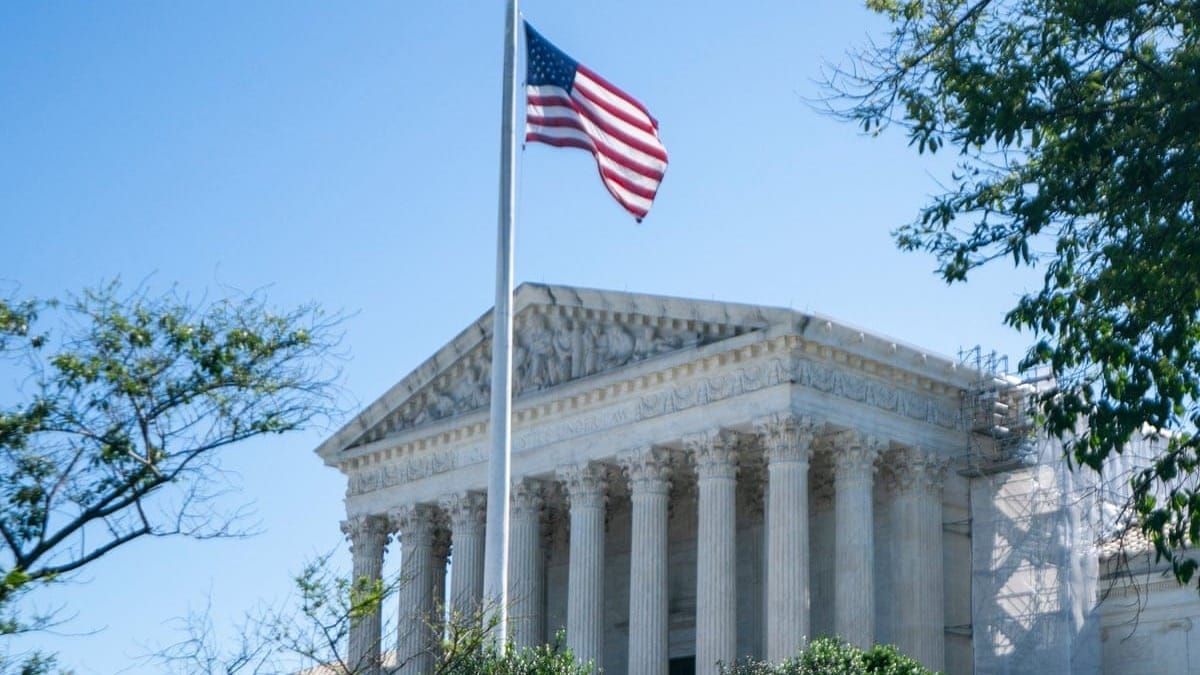
The US Supreme Court has rejected an attempt by Donald Trump’s administration to introduce restrictions on healthcare for transgender prisoners, allowing existing medical treatments to continue while a legal challenge moves through the courts.
The decision, announced on Wednesday 21 October, prevents the Federal Bureau of Prisons from immediately enforcing a policy that would have ended access to hormone therapy, gender-affirming surgery and certain personal accommodations for transgender people in federal custody.
Supreme Court refuses emergency request
The administration had asked the country’s highest court to overturn an earlier ruling that blocked the restrictions. However, the justices declined the emergency request without providing a detailed explanation.
Justices Clarence Thomas and Samuel Alito indicated that they would have allowed the policy to take effect.
The decision follows months of legal proceedings after three transgender prisoners challenged the restrictions, arguing that withdrawing established medical care could cause serious harm.
US District Judge Royce Lamberth initially blocked the policy in June, finding that prison officials had failed to provide sufficient justification for abandoning their previous approach to transgender healthcare.
An appeals court subsequently upheld the restrictions on implementing the new policy, concluding that officials had not adequately considered their own experience of providing gender-affirming treatment.
Healthcare protections remain in place
The Federal Bureau of Prisons has provided hormone treatment to prisoners diagnosed with gender dysphoria for decades, with legal representatives arguing that abruptly ending established care could have serious consequences.
The American Civil Liberties Union, which has supported the legal challenge, welcomed the Supreme Court’s decision.
The case affects a federal prison population that includes more than 2,000 transgender people, although not everyone requires the same medical treatment.
The ruling does not permanently overturn the administration’s policy or settle the wider legal dispute. Instead, it maintains the existing court-ordered protections while the case continues.
For transgender prisoners currently receiving medical care, the immediate significance is clear: treatment cannot be withdrawn under the challenged policy while the court order remains in force.