Unmasking a Monster recreates Aileen Wuornos with AI
Unmasking a Monster uses AI digital masks over actors’ performances to revisit Aileen Wuornos’ case. Explore the process and where to watch in the UK.

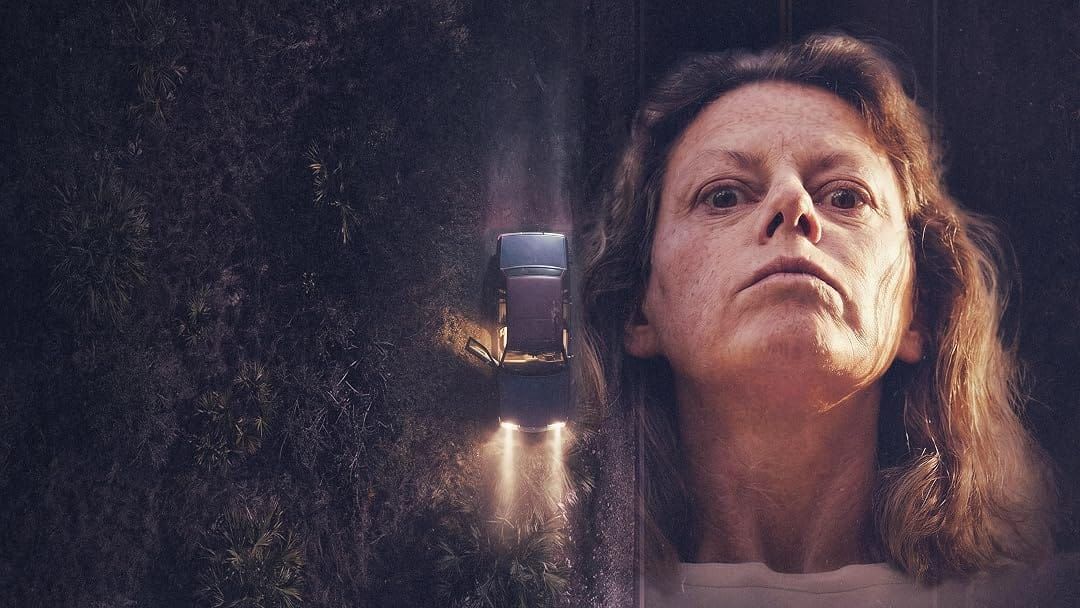
Unmasking a Monster uses an AI-assisted digital likeness of Aileen Wuornos to revisit her case, with actor Morag Peacock providing the performance beneath the transformation.
The three-part documentary combines reconstructed scenes with documented accounts, placing a recognisable face over an actor’s interpretation of real events.
The series launched in the US on 30 September and reached Quest Red in the UK on 1 October. Its use of artificial intelligence offers a specific example of how the technology can become part of a television performance, with acting and visual effects working together.
How the digital mask works
Peacock portrays Wuornos, supplying her voice, movements and interpretation. The production then combines that performance with a digitally recreated likeness, using AI alongside visual effects, often shortened to VFX

Archival photographs and video were used to build a model of Wuornos’ appearance. That model functions as a three-dimensional digital mask, which can be layered over Peacock’s performance to change the face viewers see.
The process starts with a person performing the scene. Peacock’s contribution remains central to the portrayal, while the digital work supplies the resemblance to Wuornos.
Other actors also perform reconstructed moments involving people connected to the case. The production uses digital replication to help depict those individuals as they appeared during the events being revisited.
What the reconstructed scenes are based on
The series draws on legal transcripts, documented evidence and first-hand testimony. Its makers say those materials informed the scenes, including accounts from Wuornos, people close to her and investigators who worked on the case.
That distinction matters when watching a documentary with convincing digital recreations. These sequences are newly performed interpretations of recorded accounts, rather than original footage of the events themselves.
Across its three parts, the programme examines the investigation, Wuornos’ capture and her time on death row. She was arrested in Florida in January 1991 and executed in October 2002.
Consent was part of the production
The producers say surviving victims’ families, others connected to the story and the living people whose likenesses were digitally replicated gave their consent. They also describe the series as having been developed in collaboration with its featured participants.
That statement explains the production’s approach to permission. It should not be read as personal consent from Wuornos, whose likeness has been recreated more than two decades after her death.
The combination gives viewers several layers to consider: the underlying testimony, the actor’s interpretation and the digitally altered image. A more lifelike face can change how a reconstruction feels, while the evidence behind the scene remains essential to understanding what it represents.
Where to watch Unmasking a Monster
Unmasking a Monster premiered on Investigation Discovery in the US on 30 September, with HBO Max announced as its streaming home. Its UK launch followed on Quest Red at 9pm on Thursday 1 October.
For UK viewers who missed that broadcast, the opening episode, Face to Face With the Monster, is listed again on Quest Red at 10pm on Sunday 4 October. It follows the investigation as an undercover officer comes face to face with Wuornos.