EU Passport Checks Explained as British Travellers Face New Border Process
easyJet warns British holidaymakers of longer passport queues at European airports as EU biometric checks continue to cause delays in October 2026.

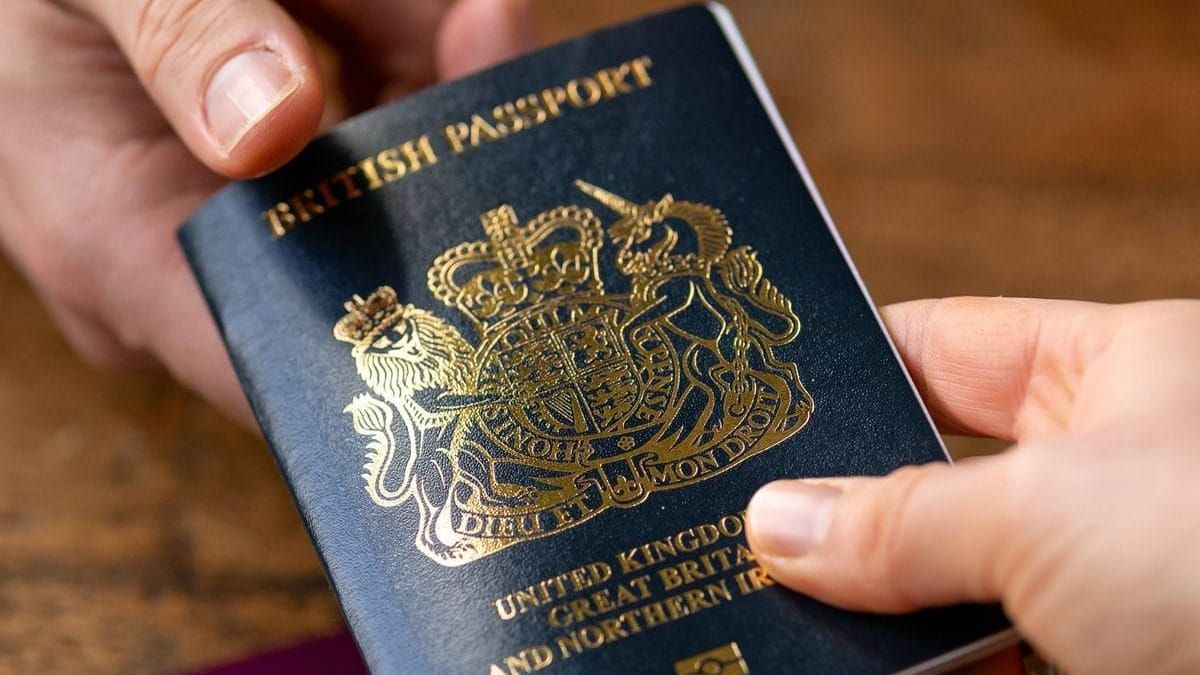
British holidaymakers travelling to Europe are being warned to prepare for longer passport queues after easyJet issued fresh advice about delays caused by the European Union's digital border checks.
The airline published its latest warning on 15 October 2026, advising passengers that additional biometric checks could affect waiting times at airports across Europe, particularly when travellers are entering or leaving the Schengen area.
The warning follows continuing concerns from European airport and airline organisations about the Entry/Exit System (EES), which became fully operational in April 2026 but has continued to create difficulties for passengers at some border crossings.
With travellers preparing for autumn breaks and winter holidays, passengers are being urged to allow sufficient time for passport checks and to consider possible delays when arranging airport transfers or onward journeys.
Why are European airports still experiencing passport delays?
The European Union introduced EES to replace traditional passport stamping with digital records of visitors entering and leaving 29 participating countries, including Spain, France, Portugal, Italy, Greece and the Netherlands.
British travellers registering for the first time normally have their passport scanned, a facial photograph taken and fingerprints recorded, with the information used to verify their identity during subsequent journeys.
Although the system was introduced gradually from October 2025 and became fully operational on 10 April 2026, its implementation has continued to raise concerns about passenger waiting times, staffing levels and the reliability of border technology.
On 14 October, European airport and airline organisations reported that some passengers were still experiencing substantial delays, with waiting times exceeding two hours in some circumstances and reaching five hours in the most extreme cases.
These figures do not represent typical waiting times at every European airport, but they highlight why travellers should prepare for possible disruption rather than assuming passport control will operate as quickly as before.
What has easyJet told British passengers?
In its 15 October travel update, easyJet warned that European airports may experience longer waiting times because of EES, with passengers potentially required to provide biometric information either before departure or on arrival.
The airline highlighted the importance of reaching passport control promptly, particularly at airports where passengers pass through security and a departure lounge before completing their final border checks.
Travellers were advised to proceed through security as soon as practical, continue towards passport control and monitor departure screens or the easyJet app for gate information.
Passengers checking in hold luggage should also follow their airport's bag-drop opening times, rather than arriving so early that they cannot complete the first stage of their journey.
The airline has warned that flights may not be held for passengers delayed at border control, making it particularly important to follow airport instructions and allow sufficient time to reach the departure gate.
Those arriving at European destinations should also consider possible delays when booking onward transport, particularly where airport transfers, railway connections or other services have fixed departure times.
Will travellers who have already registered face the same checks?
British passport holders who have previously completed EES registration should generally experience a simpler identity verification process on future visits, although border officials may still request additional biometric checks.
First-time registration is free and takes place at the border, meaning holidaymakers do not need to complete a separate application or pay a registration fee before leaving the UK.
Children under 12 are exempt from providing fingerprints, although their facial photograph may still be collected, while travellers holding certain residence permits or qualifying immigration documents may be exempt from EES registration altogether.
Passengers travelling to France through Dover, LeShuttle at Folkestone or Eurostar at London St Pancras complete the relevant French border procedures before leaving Britain, rather than waiting until they arrive in France.
Travellers using these routes should check instructions from their operator, as the facilities and procedures differ from those used at European airports.
UK airports introduce faster contactless passport checks
While British travellers are experiencing additional checks when visiting Europe, a separate development is taking place at airports across the UK, where contactless passport technology is beginning to replace the need to scan passports at some electronic gates.
The Home Office began introducing the technology on 6 October 2026, using facial recognition to compare arriving passengers against verified passport, travel and immigration information.
Government testing found that the new system could process eligible passengers up to 25% faster than conventional eGates, although the improvement is not guaranteed for every traveller or airport.
As of 20 October, a small number of contactless gates were operating at Birmingham Airport and East Midlands Airport, with the initial rollout restricted to British citizens.
Further installations are planned at airports including Heathrow, Gatwick, Manchester, Edinburgh, Bristol, Glasgow, Newcastle, Cardiff, Stansted, Luton and London City, with wider availability expected by early 2027.
Passengers must still carry a valid passport, and those who cannot complete the contactless process may be asked to scan their passport or speak to a Border Force officer.
The UK technology is separate from the European Entry/Exit System and does not remove the requirement for eligible British travellers to complete biometric registration when entering participating European countries.
Do British holidaymakers need to apply for ETIAS?
Another European travel requirement is approaching, although British holidaymakers do not currently need to apply for the European Travel Information and Authorisation System (ETIAS).
Unlike EES, which records passengers entering and leaving Europe, ETIAS will introduce an online travel authorisation for many visitors who can currently travel to participating European destinations without obtaining a visa.
As of 29 October 2026, the European Union has confirmed that ETIAS is not operational and that applications are not being accepted, with an official launch date to be announced ahead of its introduction.
When applications open, the standard fee will be €20, although travellers under 18 and over 70 will generally be exempt from paying, alongside certain qualifying family members of EU nationals.
British holidaymakers should avoid unofficial websites claiming to provide ETIAS authorisations before the scheme begins, as there is currently no requirement to purchase one.
The existing allowance of up to 90 days within any rolling 180-day period for most British visitors travelling to the Schengen area remains unchanged.
Where can British holidaymakers check the latest advice?
Passengers preparing to travel should check official information before departure, particularly when visiting destinations where biometric registration could affect arrival or departure procedures.
The UK government's EES guidance explains how digital border checks work, while the European Union's official travel website provides information about participating countries and the separate ETIAS scheme.
With airlines continuing to warn about passport delays and the UK gradually introducing faster contactless border checks, travellers heading abroad should follow the latest instructions from their airport and transport operator before departure.
Information checked and accurate as of 29 October 2026. Airport procedures, waiting times and official travel requirements may be updated at short notice.