UK Pet Passports Set to Return: What It Means for EU Holidays, Costs and Travel Rules
UK pet passports are planned to return under an EU agreement. Find out when, current vet certificate costs, travel requirements and what changes for pet owners.

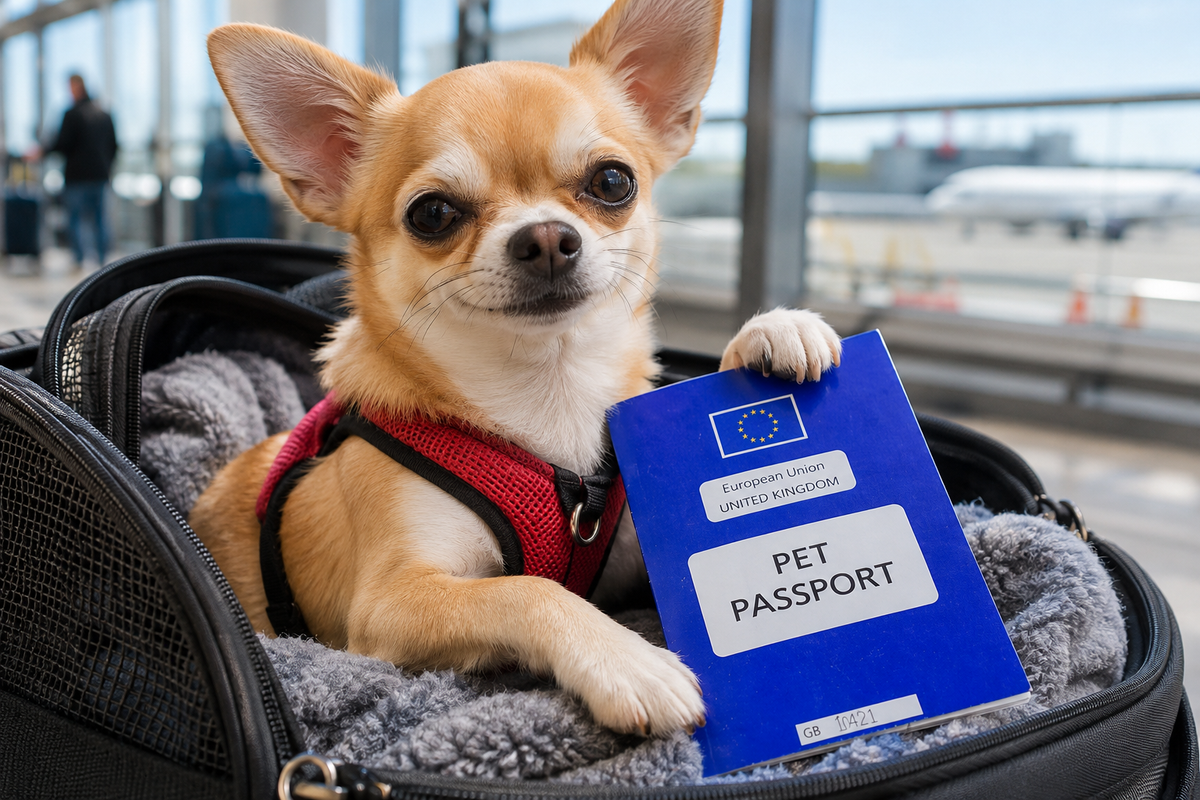
British holidaymakers could soon find it easier and cheaper to take their pets to Europe, with the UK Government confirming plans to bring back multi-use pet passports as part of a new agreement with the European Union.
The proposed system would end the need for owners to obtain a fresh Animal Health Certificate (AHC) every time they travel from Great Britain to the EU, potentially saving people who regularly holiday with their dogs or cats hundreds of pounds.
Research published in August 2026 found that the median advertised price of an Animal Health Certificate was £288, with some veterinary practices charging considerably more.
However, the passports have not yet been introduced, and the Government has not announced when they will become available. Anyone planning a European holiday with their pet must continue following the current requirements.
When Will UK Pet Passports Return?
The Government has confirmed that the proposed passports form part of negotiations over a sanitary and phytosanitary agreement with the EU, covering animal health, food standards and other cross-border arrangements.
In a parliamentary answer published on 16 October 2026, Environment Minister Stephen Morgan reaffirmed the Government's commitment to introducing a multi-use passport for pet owners travelling to the EU.
Ministers are aiming to conclude negotiations ahead of the UK-EU summit scheduled for 20 November 2026.
However, concluding an agreement would not necessarily mean the passports could be used immediately. The new system would still require an implementation timetable, with details of how owners apply and how the documents will be recognised.
No confirmed start date, application fee or validity period has been announced. The proposed system is intended to make travel easier for owners who regularly visit Europe, particularly those taking their pets on several holidays each year.
How Much Does an Animal Health Certificate Cost?
The current system can be expensive because an Animal Health Certificate is required for each separate journey from Great Britain to the EU.
Research by Rightvet, published in August 2026, examined advertised veterinary fees across Great Britain and found a median price of £288 for a standard certificate covering the first pet.
The research drew on published prices from more than 1,600 veterinary practices, with the middle half of comparable fees falling between approximately £223 and £317.
There were also substantial regional differences. The median advertised fee was £252 in London, £260 in Yorkshire, £290 in Wales and £299 in Scotland, while the North East recorded a median of £317.
The study also examined the difference between independently owned practices and larger veterinary groups. Among practices publishing comparable prices, independent providers had a median fee of £195, compared with £297 at group-owned practices.

These figures reflect advertised fees rather than the amounts paid by every pet owner, and the sample does not include veterinary practices that do not publish comparable prices.
Owners may find lower charges through specialist certificate providers, although additional fees can apply for urgent appointments, multiple animals or other services.
How Much Money Could the New Pet Passports Save?
For someone travelling to Europe twice a year with one dog, the current median certificate fee would amount to £576 annually.
Three separate holidays would bring that figure to £864, before including vaccinations, parasite treatments, ferry charges or other expenses.
A multi-use passport could significantly reduce those repeated costs by allowing owners to use the same document for multiple journeys.
However, the eventual savings will depend on how much the passport costs, how long it remains valid and whether additional veterinary appointments are required.
The Government has not announced a price cap for Animal Health Certificates. Ministers have confirmed that veterinary practices set their own fees, with neither Defra nor the Royal College of Veterinary Surgeons directly controlling those charges.
Until the new system begins, comparing prices between veterinary practices remains one way for owners to reduce their travel expenses.
What Are the Current Rules for Taking Pets to Europe?
People travelling from England, Scotland or Wales to an EU country with a dog, cat or ferret currently need an Animal Health Certificate issued by an official veterinarian.
The pet must be microchipped and have a valid rabies vaccination, with microchipping completed before or at the same time as vaccination.

Animals must be at least 12 weeks old when receiving their first rabies vaccination. Owners must then wait at least 21 full days before travelling, although some vaccines require a longer period.
The certificate must be used to enter the EU within ten days of being issued, with the issue date counted as the first day.
Once the animal has entered the EU, the certificate remains valid for onward travel between EU countries and for re-entry to Great Britain for up to six months, provided the rabies vaccination remains valid.
However, this does not mean owners can use the same certificate for several separate holidays. A new document is required each time a pet travels from Great Britain to the EU.
Can British Residents Still Use an Old EU Pet Passport?
New rules introduced on 22 April 2026 mean that people whose main residence is in Great Britain cannot rely on an EU-issued pet passport when travelling into the European Union.
The change also affects people who own holiday homes in Europe or spend part of the year there while remaining principally resident in Britain.
Even if an EU passport was issued before the rule change, it may no longer be accepted for entry, and an animal could be refused permission to travel.
The distinction is important because existing EU-issued passports may still be used to bring pets back into Great Britain, provided the relevant requirements are satisfied. The current restrictions apply to journeys from Great Britain into the EU, rather than preventing all use of previously issued passports.
Northern Ireland residents continue to have different arrangements, including the ability to use eligible EU pet passports.
Will Dogs Still Need Tapeworm Treatment?
Dogs travelling to Finland, Ireland, Malta and Norway generally require tapeworm treatment before entering those countries.
A veterinarian must administer the treatment between 24 and 120 hours before arrival and record the required details in the animal's travel documents.
Dogs returning to Great Britain from most European destinations also require treatment within the same period. However, treatment is not required when returning directly from Finland, Ireland, Northern Ireland, Malta or Norway.
Owners taking shorter holidays may be able to arrange the treatment before leaving Great Britain, provided their return falls within the permitted window.
Failure to meet the requirement can result in a dog being refused entry or placed into quarantine. The proposed pet passport system should not be assumed to remove these animal health requirements, which are separate from the travel document itself.
Are Pet Travel Rules Different for Northern Ireland?
Northern Ireland already has a separate arrangement allowing eligible Great Britain residents to take their pets there without obtaining an Animal Health Certificate.
Since June 2025, residents of England, Scotland and Wales have been able to apply for a free Northern Ireland Pet Travel Document.
The document remains valid for as long as the applicant owns the pet, avoiding repeated applications for regular journeys.
Animals must be microchipped, but rabies vaccination and tapeworm treatment are not required when travelling under this scheme. However, the document cannot be used for onward travel to the Republic of Ireland or elsewhere in the EU, where different requirements apply.
Northern Ireland residents travelling to and from Great Britain do not need the document, although their pets must still be microchipped.
Applications can be made through the official Northern Ireland Pet Travel Document service.
What If Someone Else Takes Your Pet Abroad?
The EU's April 2026 rule changes also affect pets travelling with someone other than their owner.
Where an authorised person accompanies the animal, they must carry written permission from the owner, and the pet must travel within five days of the owner's own journey.
This requirement can affect owners arranging for relatives, friends or pet transport services to accompany an animal. The updated rules also limit ordinary non-commercial journeys into the EU to five pets per private vehicle, rather than five pets per person.
The existing limit of five pets for foot passengers continues to apply, with exceptions available for certain qualifying competitions, shows and organised events.
Owners travelling with several animals should check the requirements before booking transport, particularly if their journey involves more than one vehicle or an authorised person accompanying their pets.
What Should UK Pet Owners Do Before Booking a Holiday?
Anyone planning to travel to France, Spain, the Netherlands or another EU destination should continue arranging an Animal Health Certificate until the Government confirms that the replacement passport system is operational.
Owners should contact an official veterinarian well before departure, particularly if their pet needs an initial rabies vaccination or updated records.
It is also worth comparing certificate fees and checking that the chosen veterinary practice can issue the required documents.
The destination country's entry requirements should be checked alongside the rules for returning to Great Britain, including any tapeworm treatment needed for dogs.
Transport arrangements also require attention because not every airline, ferry service or rail operator accepts pets on every route.
The Government's plans could make a considerable difference for people who regularly travel with animals, particularly those currently paying for several certificates each year.
However, the proposed passports remain dependent on the final UK-EU agreement and a confirmed implementation timetable. Until that happens, current travel documentation and animal health requirements remain in force.
For the latest official requirements, visit GOV.UK's pet travel guidance.