ChatGPT Can Now Turn Articles Into AI Videos – But Is Synthesia Really Free?
ChatGPT can now turn articles into AI videos with Synthesia. Find out how it works, UK pricing considerations, free credits and editing restrictions.

ChatGPT users can now turn written articles, documents and presentations into AI-generated videos without leaving their conversation, following the launch of a new integration with British technology company Synthesia.
Introduced on 3 November 2026, the service allows creators to generate videos featuring AI presenters, narration and visual effects using material they have already written. However, the free version has restrictions on editing, downloading and generation credits, raising questions about how practical it is for independent publishers producing regular content.
How Can ChatGPT Turn an Article Into a Video?
The new integration connects ChatGPT directly with Synthesia's video production technology, allowing users to request a video using ordinary written instructions.
A publisher could provide a completed entertainment article and ask for a 60-second explainer featuring narration, graphics and an AI presenter. The system can then develop a script, select visuals and generate a video based on the supplied material.
Synthesia also supports documents, presentations and other compatible files, allowing creators to adapt material without rebuilding the production manually.
However, generated scripts do not automatically preserve the exact wording of the original article. For news publishers, that creates a risk of important qualifications being removed or factual details being altered during the adaptation.
Anyone producing videos from approved editorial material should check the narration and visuals before publication, particularly when covering real people, television programmes or developing stories.
What Is the Difference Between Syren and Synthesia Studio?
The integration offers two different approaches to video production, each providing a different level of control.
Syren is designed for rapid creation, with users describing the video they want and requesting revisions through ChatGPT. The finished production can include AI presenters, motion graphics, music and supporting footage, with further changes made through conversational instructions.
However, Syren videos cannot currently be opened in Synthesia's conventional Studio editor. Although Syren has its own editing options, creators cannot transfer those productions into Studio for detailed scene-by-scene adjustments.
Studio takes a more structured approach, allowing users to create a draft from an approved script before opening it in Synthesia's separate editor.
That distinction is particularly important for publishers who need to preserve exact wording, use approved branding or control the placement of particular images.
Creating a Studio draft through ChatGPT does not consume generation credits, although producing the finished video does.
How Much Does Synthesia Cost in the UK?
Synthesia offers a free Basic plan alongside paid Starter, Pro and Enterprise subscriptions.
Its published pricing page currently lists Starter at $19 per month, with an introductory first-month offer of $9. Pro is advertised at $89 per month, with a first-month offer of $49, while Enterprise customers receive individual quotations.
Those are the company's displayed US-dollar prices rather than confirmed sterling checkout amounts. UK customers should check the final amount, currency and any applicable taxes before subscribing.
The Basic plan includes ten minutes of Studio video creation or dubbing each month, along with 500 credits that can be used across supported AI features.
Starter adds 1,250 credits to the standard allowance, giving subscribers 1,750 credits per month. Pro provides 6,500 monthly credits, with higher allowances available through additional plan tiers.
However, video minutes and AI generation credits are not interchangeable in every workflow, so users should check how a particular production will affect their allowance.
What Happens When the Free AI Video Credits Run Out?
Synthesia is offering promotional Syren credits to help users try the new video creation system, but the introductory allowance expires on 9 November 2026 at 11.59pm UK time.
The company estimates that these credits will cover approximately one minute of generated video with a few rounds of editing.
Importantly, revisions also consume credits. Someone repeatedly asking for different narration, graphics or other adjustments may therefore use their allowance more quickly than expected.
Once the promotional credits expire or are exhausted, Syren begins using the standard credits included in the user's account.
Synthesia says there is no separate notification when that switch happens, making it important for creators to monitor their remaining balance.
The Basic plan also places a Synthesia watermark on videos and limits Syren productions to three minutes. Paid plans remove the watermark and support videos of up to 60 minutes, subject to the available credits.
For creators considering regular video production, the cost of repeated revisions may be just as important as the initial generation.
Could This Help Publishers Produce More Video Content?
One practical use would be creating short video versions of existing articles without having to record narration or build a presentation from scratch.
A publisher with an approved 500-word feature could prepare a shorter script and ask Synthesia to create a one-minute video using that exact narration.
Studio would generally be the more suitable option where wording and branding require close editorial control, while Syren offers greater convenience for quick explainers and promotional material.
The integration can also work with connected applications and scheduled workflows, opening the possibility of generating videos when new material becomes available.
However, automatic creation should not be confused with automatic publication. AI-generated footage may not accurately represent the people or events being discussed, and copyrighted photographs, television clips or music still require appropriate rights.
Creators should also review the permissions requested when connecting Synthesia to ChatGPT, particularly before using confidential scripts, unpublished material or commercial documents.
Is Synthesia Suitable for AI Films and Web Series?
Synthesia is primarily aimed at informational videos, including explainers, presentations, training material and marketing content.
It is not designed to replace specialist AI filmmaking systems used for fictional dramas involving recurring characters, complex action sequences and detailed cinematic environments.
For publishers and smaller creators, its main attraction is the ability to turn written material into visual content without needing a studio, camera equipment or a presenter.
The new ChatGPT integration removes some of the work involved in moving between writing and video production tools, but it does not guarantee that the finished material will be accurate or ready to publish.
With introductory credits available for a limited period, users have an opportunity to test the system before deciding whether regular video production justifies a paid subscription.
How to Access Synthesia Through ChatGPT
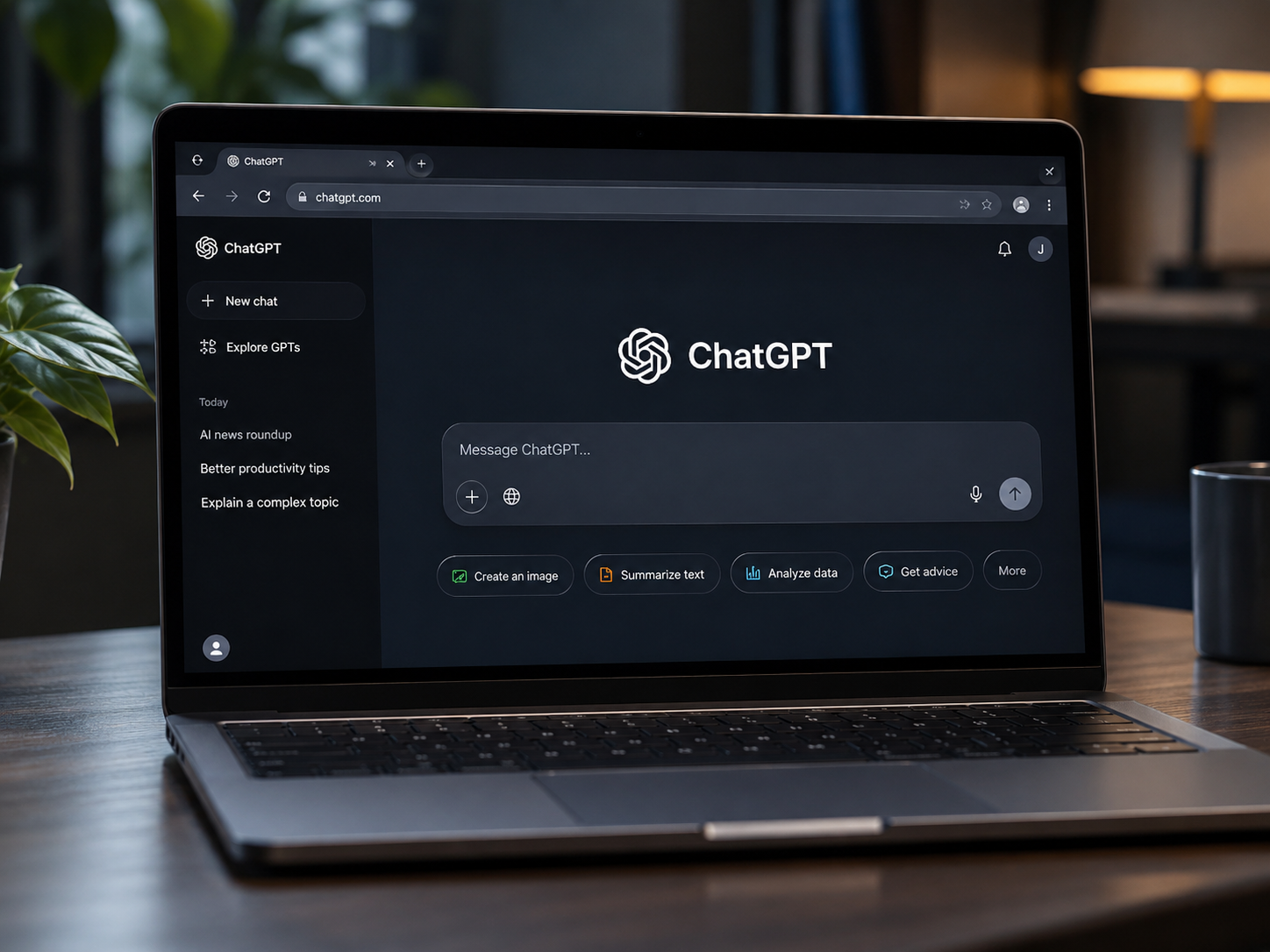
UK users can connect Synthesia through ChatGPT's Plugins directory by searching for the service and signing in to their Synthesia account.
Once connected, they can request a Syren video or a Studio draft using written instructions and supported source material.
The integration is currently in public beta, so features, restrictions and pricing arrangements may be revised as development continues.
For creators wanting to try it, the most useful starting point may be a short video based on an existing script, allowing them to compare the finished result with their original material before considering more complicated productions.