Neha Sharma threatens legal action over AI videos using her likeness
Indian actress Neha Sharma has warned of legal action over AI-generated images and videos using her face without consent, demanding their removal.

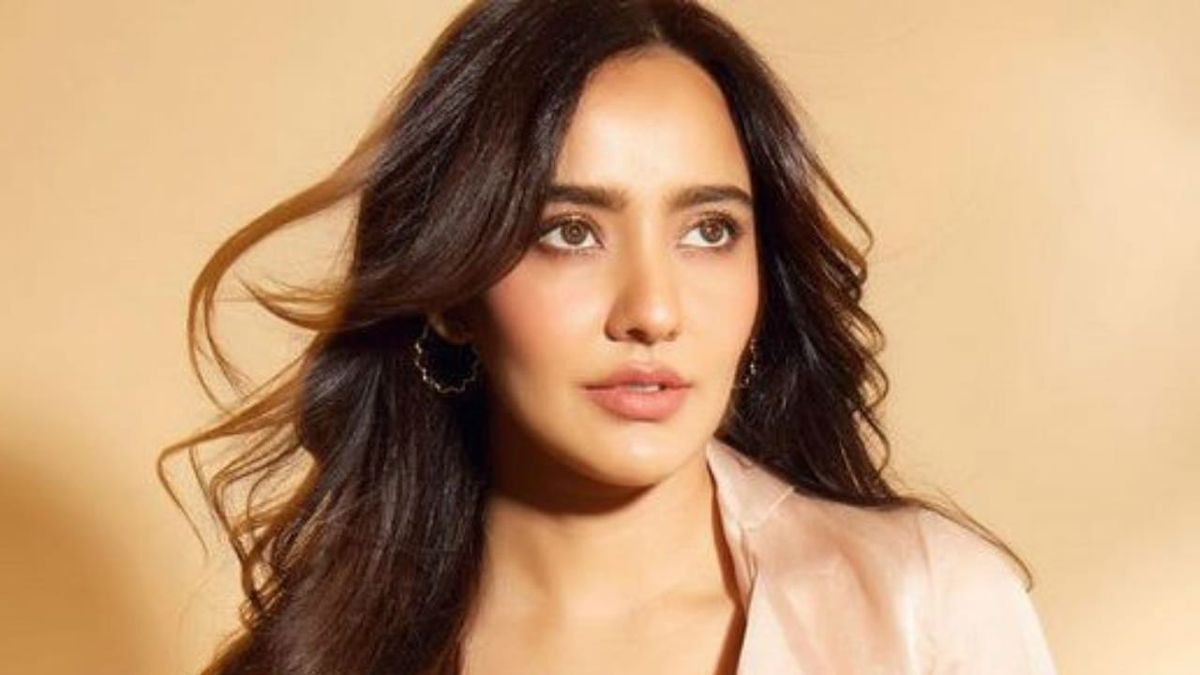
Indian actress Neha Sharma has warned that she will take legal action against people creating or sharing AI-generated images and videos using her face and likeness without her consent.
In a public statement on 17 October, Sharma demanded that the material be removed and called on people to stop creating, editing or circulating further content using her identity.
“TAKE IT DOWN NOW. YOU HAVE BEEN WARNED,” she wrote in her statement, making clear that she does not consent to the unauthorised use of her likeness.
The actress also warned that people should not assume that anonymous accounts or the use of artificial intelligence would protect them from accountability.
Her intervention highlights a growing concern for performers as generative AI tools make it easier to produce convincing images and videos involving real people without their participation.
Why are actors concerned about AI-generated likenesses?
AI tools can produce realistic-looking images and videos that appear to show someone doing or saying something they never did. Depending on how the material is created and distributed, this can raise concerns about consent, reputation and the unauthorised use of a person’s identity.
For actors, their face and voice are closely connected to their professional work. Content created without their permission can therefore raise questions about how their identity is represented online and whether audiences might mistake fabricated material for genuine footage.
The issue extends beyond celebrities. Similar technology can be used to generate misleading material involving ordinary people, sometimes without their knowledge.
Sharma’s statement makes her position clear: she does not consent to the use of her face or likeness in the AI-generated content she has challenged.
Can someone legally use an actor’s face in an AI video?
The answer depends on the circumstances and the law that applies. There is no single rule that makes every AI-generated depiction of a real person automatically lawful or unlawful.
In the UK, potential legal considerations can include data protection, privacy, defamation, passing off and copyright, depending on how the content was made and used. These are distinct legal routes, each with its own requirements.
For example, a misleading video that damages someone’s reputation may raise different issues from an image used commercially without permission. The fact that content was generated by AI does not, by itself, determine whether it breaks the law.
Sharma’s warning is a statement of her intention to pursue legal action. It should not be taken as a court finding or as proof that a particular legal claim has already succeeded.
What can people do about unauthorised AI content?
Anyone who discovers content that appears to misuse their identity can preserve evidence, including the original link, screenshots and publication dates, before reporting it to the platform hosting it.
Depending on the nature of the material and the circumstances, they may also seek legal advice about removal requests or other possible remedies.
For actors and other performers, the issue is particularly significant because AI-generated content can circulate widely before the person depicted has an opportunity to respond.
Sharma’s intervention adds her voice to the debate about consent and control over digital identity. As AI-generated images and videos become easier to create, the entertainment industry faces continuing questions about how performers can protect their likenesses while legitimate creative uses of the technology develop.
Her message is clear: she has not given permission for her identity to be used in the content she has challenged, and she wants it removed.