Muriel’s Wedding Is Far Darker, Funnier and More Feminist Than You Remember
Muriel’s Wedding is far darker and more feminist than its comedy reputation suggests, exploring marriage, self worth, friendship and one heartbreaking family story.


A recent rewatch of Muriel’s Wedding makes one thing very clear: describing it simply as a comedy does not really do it justice.
The 1994 Australian film is hilarious and deliberately ridiculous, but beneath the ABBA, enormous weddings and exaggerated characters is a surprisingly sharp story about class, female friendship, social conditioning, loneliness and the damage caused by being repeatedly told you are not good enough.
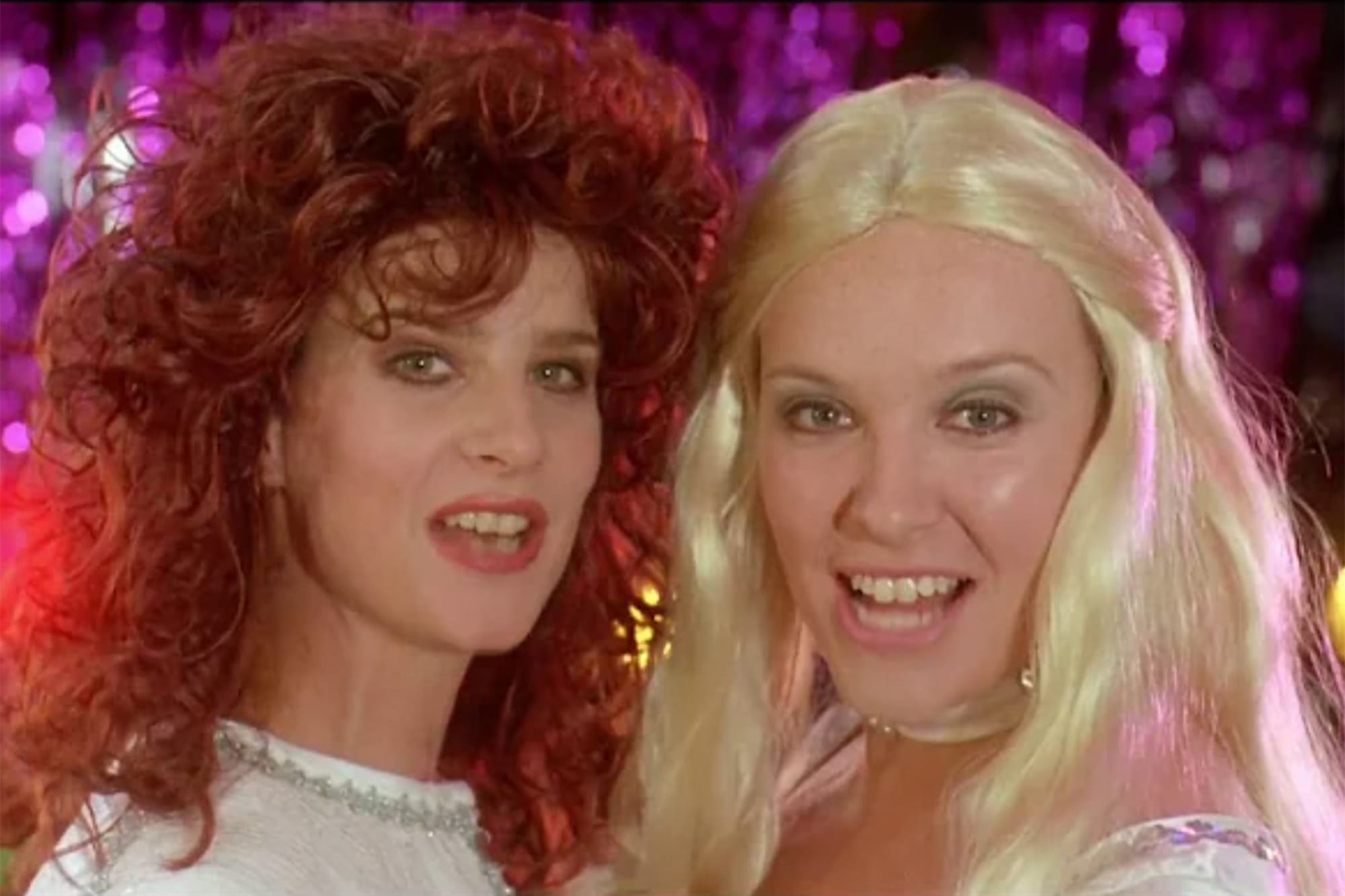
Written and directed by P.J. Hogan, the film follows Muriel Heslop, played by Toni Collette, as she tries to escape the fictional coastal town of Porpoise Spit.
Muriel does not really want a husband
The obvious reading of Muriel is that she is obsessed with marriage, but there is something more complicated going on. She is not particularly interested in romance. What she wants is what marriage represents to her and those around her.
Muriel has been told by her father that she is useless, rejected by the friends she desperately wants to impress and made to feel physically and socially inferior.
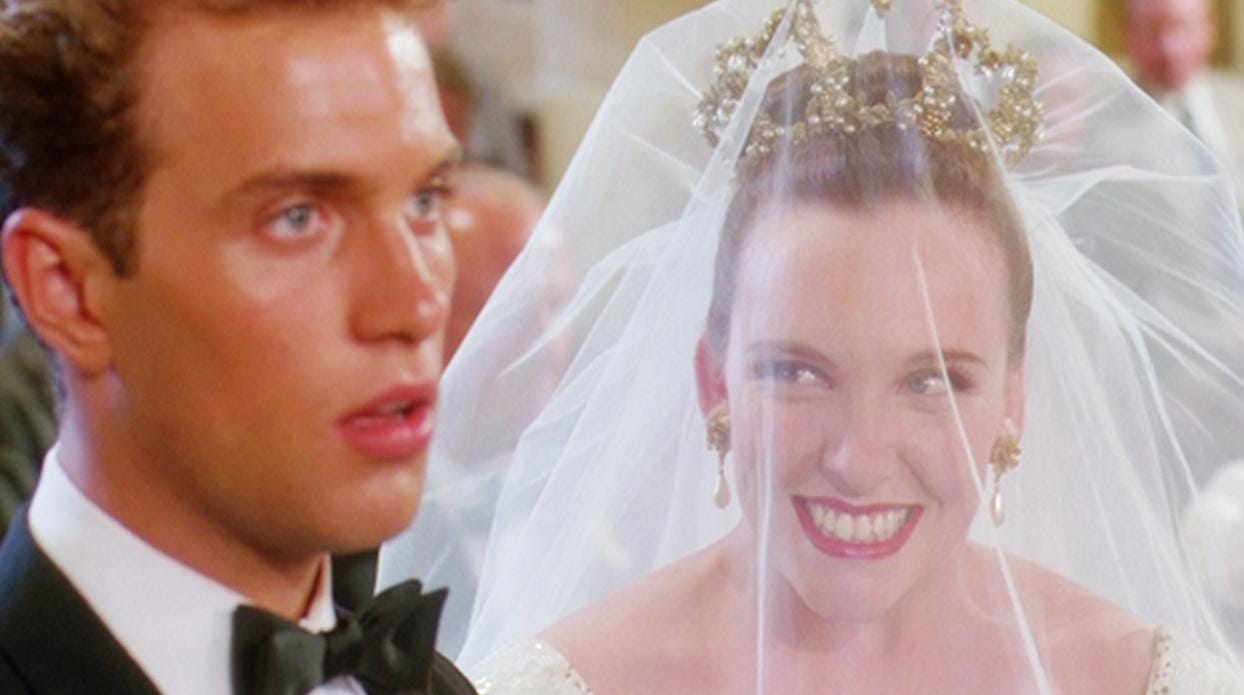
A wedding becomes evidence that they are all wrong. If someone wants to marry her, then perhaps she finally has value.
That is why her eventual arrangement with South African swimmer David makes complete sense within Muriel’s distorted thinking. He needs an Australian passport. She wants a wedding. Love is almost irrelevant.
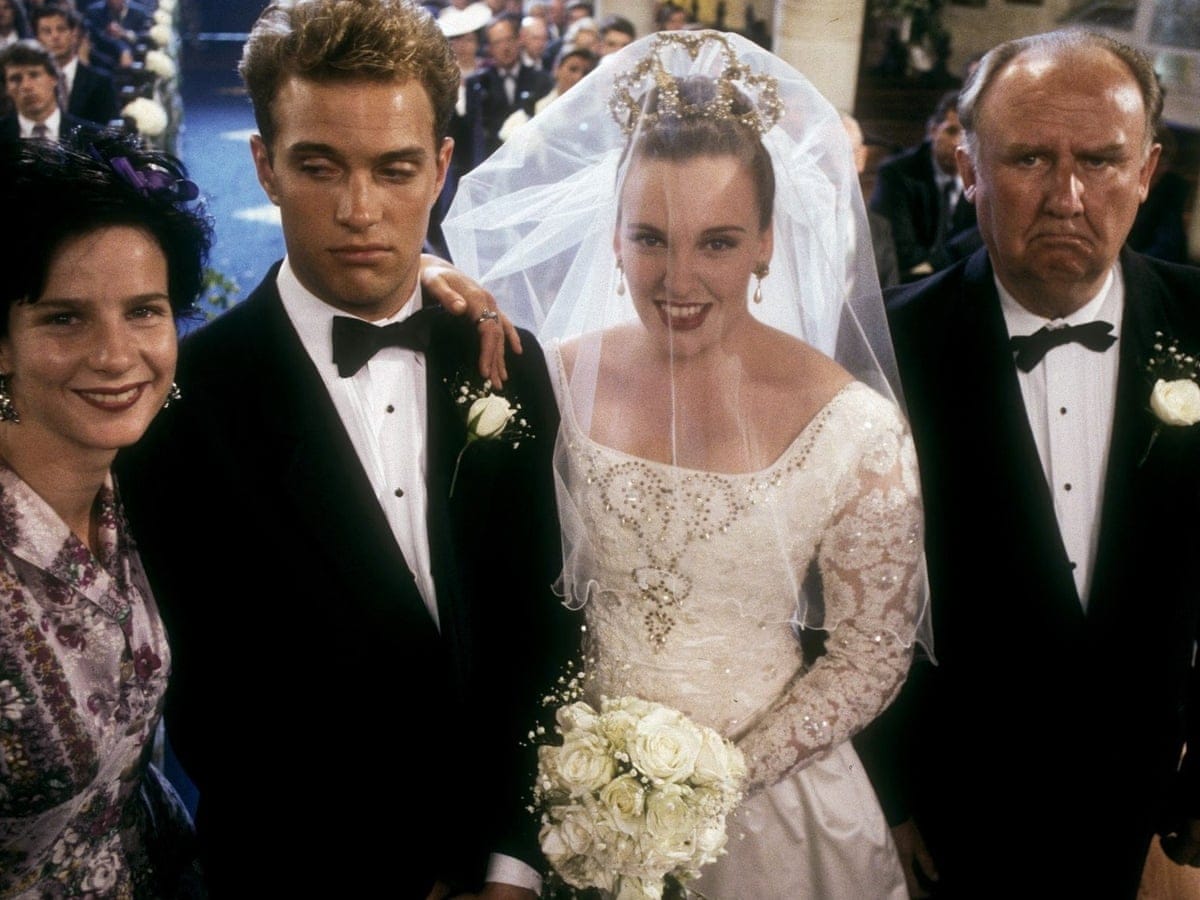
The marriage therefore becomes less of a romantic climax and more of an experiment. Muriel gets the dress, photographs, attention and status she has spent years imagining, yet she is still unhappy.
Even changing her name means something
One of the smartest details is Muriel reinventing herself as “Mariel” after leaving Porpoise Spit.
It is funny, particularly when the film later plays with “It’s Mariel,” but there is something sad about it too. Muriel does not initially escape because she has learned to accept herself. She escapes by constructing another version of herself.
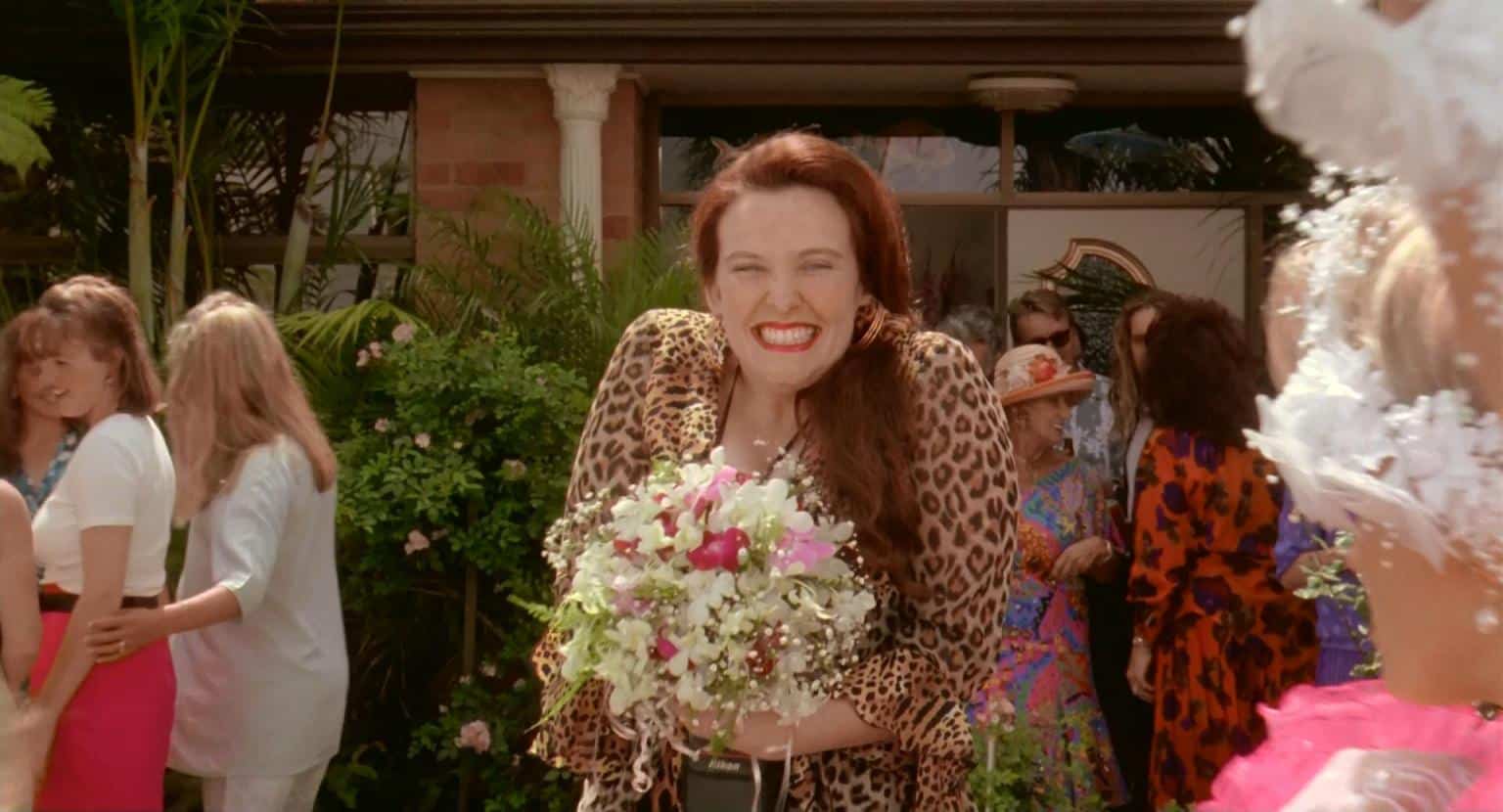
The name change becomes another form of disguise, just like the wedding. She thinks becoming somebody different will remove the shame she carries with her, but the film gradually shows that geography, clothes and social status cannot solve a problem created by years of humiliation.
Rhonda offers a completely different kind of love
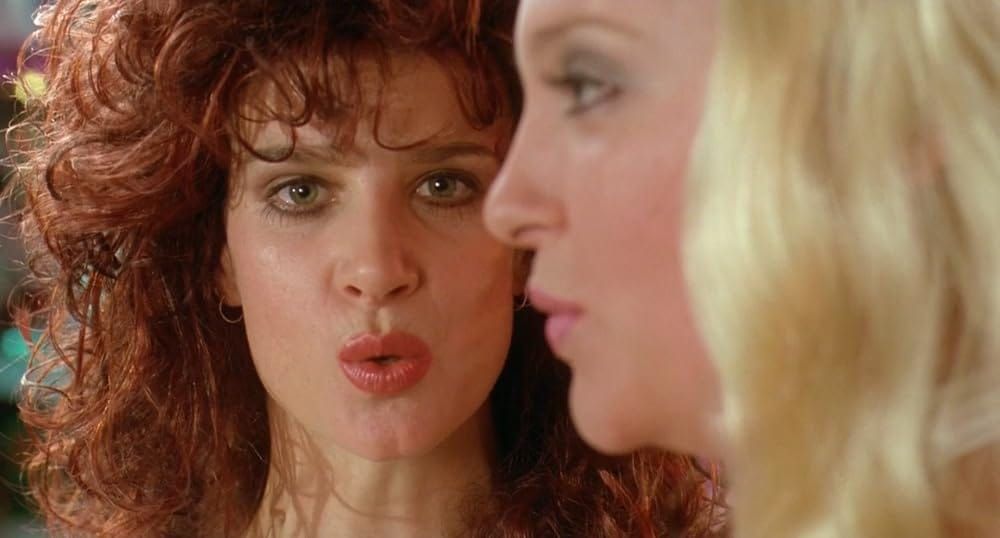
Rachel Griffiths’ Rhonda is crucial because she presents Muriel with something she has never really experienced: acceptance without conditions.
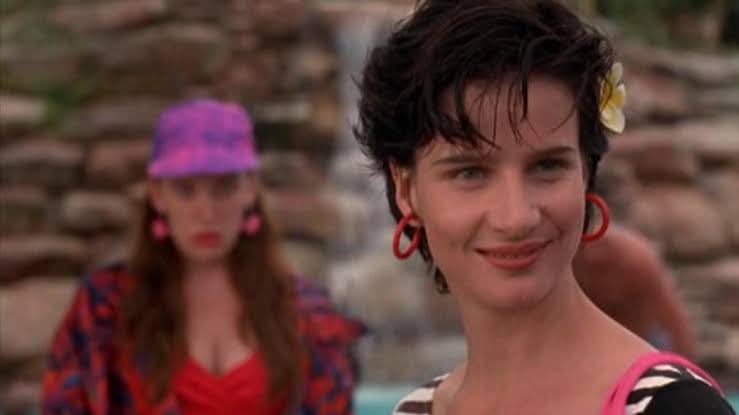
Their friendship is loud, funny and imperfect, but Rhonda likes Muriel before Muriel has achieved anything. Their “Waterloo” performance is one of the happiest sequences in the film because Muriel is briefly no longer performing for approval. She is simply having fun with somebody who wants her there.
Then the film changes direction again. Rhonda develops a tumour on her spine and undergoes treatment for cancer, leaving her using a wheelchair.
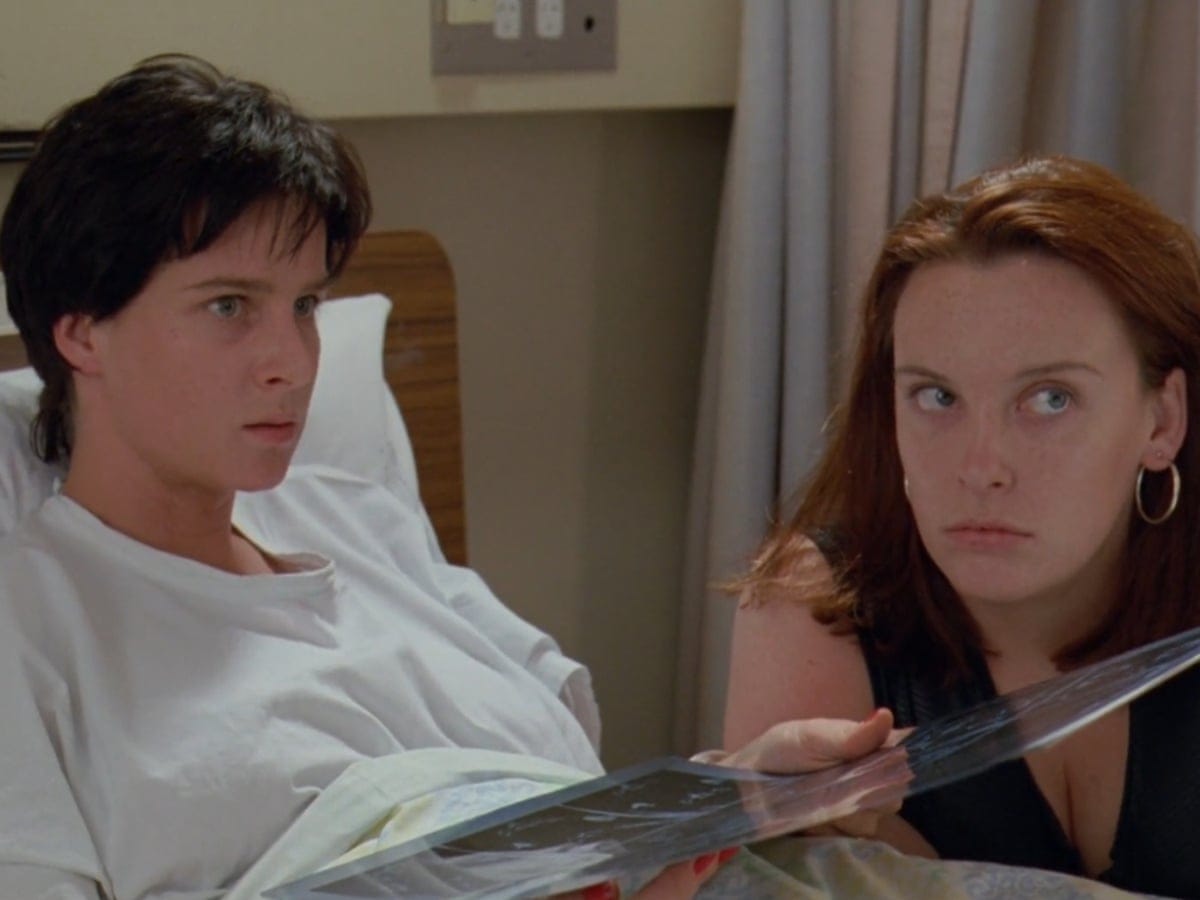
Her sudden loss of independence collides with Muriel’s increasing obsession with the marriage that she believes will transform her life.
One viewer discussing the film captured Rhonda’s importance perfectly:
“Everybody should have a friend like Rhonda.”
Another described Muriel’s Wedding as a poignant film with funny moments rather than a conventional comedy. That description arguably gets closer to Hogan’s film than its cheerful reputation does.
Betty changes the meaning of the entire film
The darkest interpretation of Muriel’s Wedding arguably comes through Betty Heslop, played with extraordinary restraint by Jeanie Drynan.
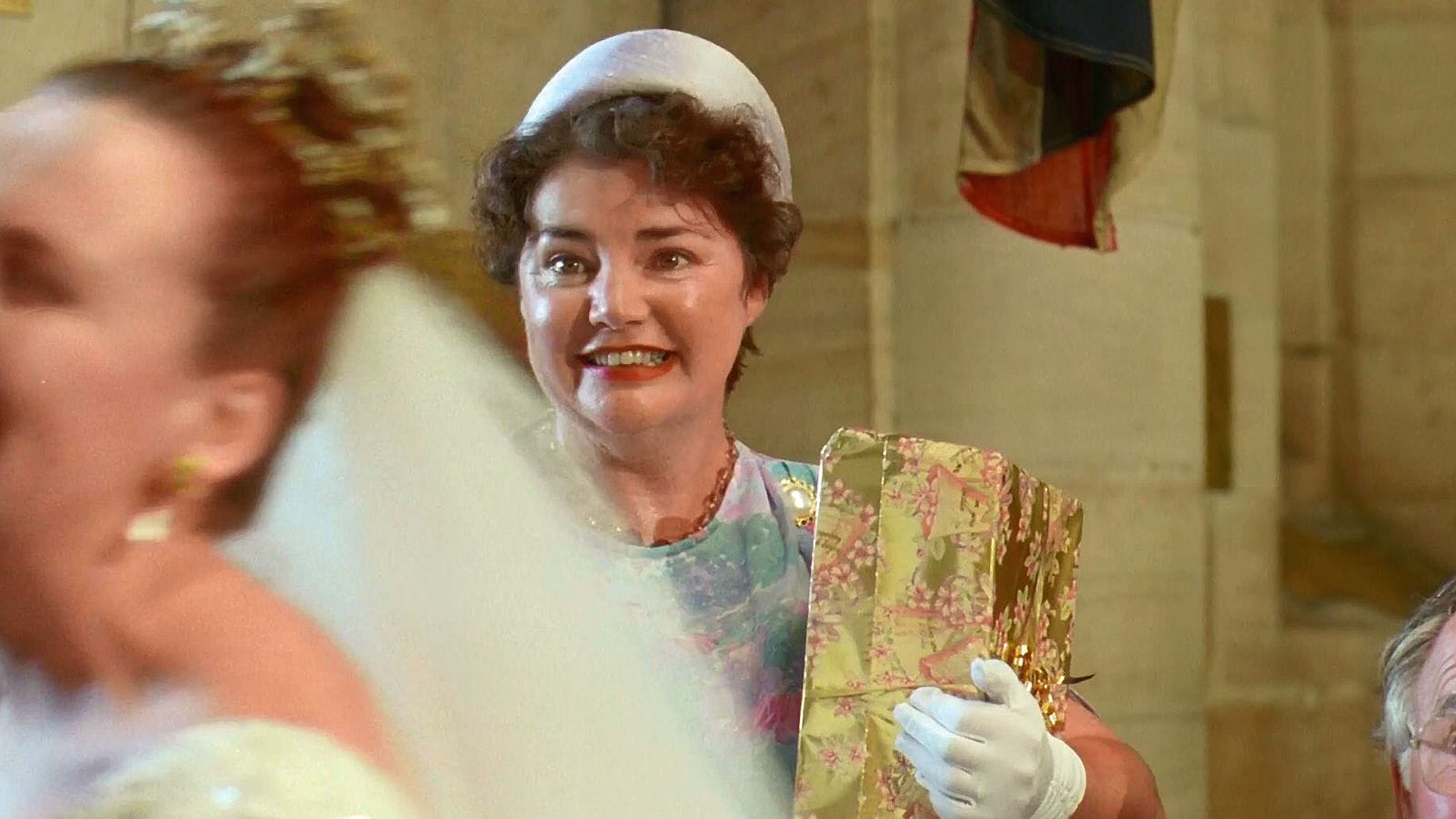
Betty is what Muriel could become if she remains trapped inside a life built around pleasing other people. She cooks, cleans, supports her family and is barely acknowledged by them. Her husband humiliates her, her children barely notice her and even at Muriel’s wedding she seems almost invisible.
One viewer said the wedding scene had stayed with them for 20 years, adding that they could still “feel the pain” of Betty being there. Another praised Drynan for making something as ordinary as microwaving a cup of tea look seriously depressing.
That ordinary domestic sadness is precisely why Betty’s story is so powerful. The film does not present her tragedy as something that suddenly appears. It has been happening quietly in front of everyone for years.
Is Muriel’s Wedding actually a feminist film?
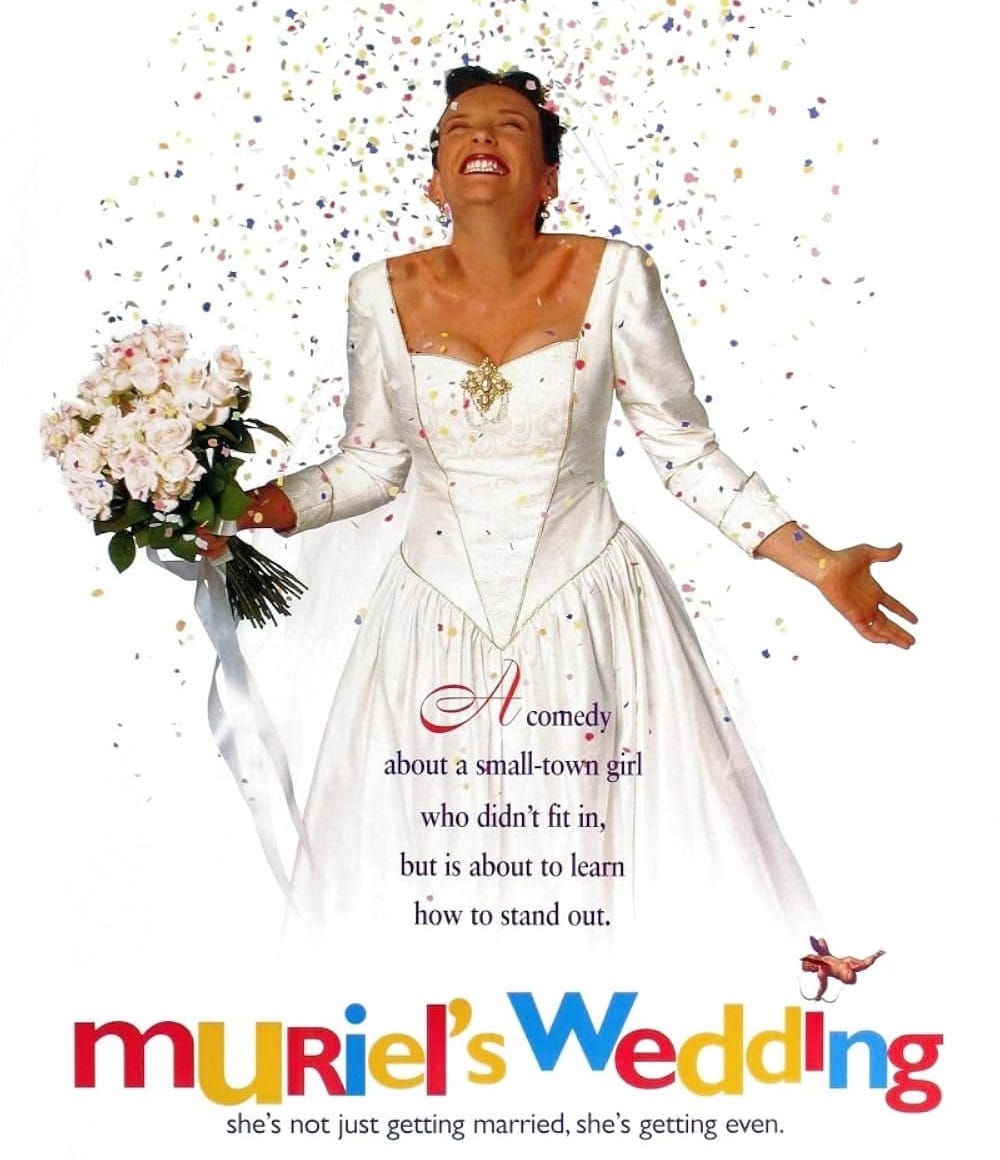
There is a strong feminist reading of the film because its central fantasy is ultimately dismantled.
Muriel has absorbed the idea that female success means being attractive, popular and married. Her shallow friends reinforce it, her family reinforces it and Muriel eventually reinforces it herself.
Yet the traditional romantic ending never arrives. The marriage fails, while the emotionally significant relationship is between Muriel and Rhonda.
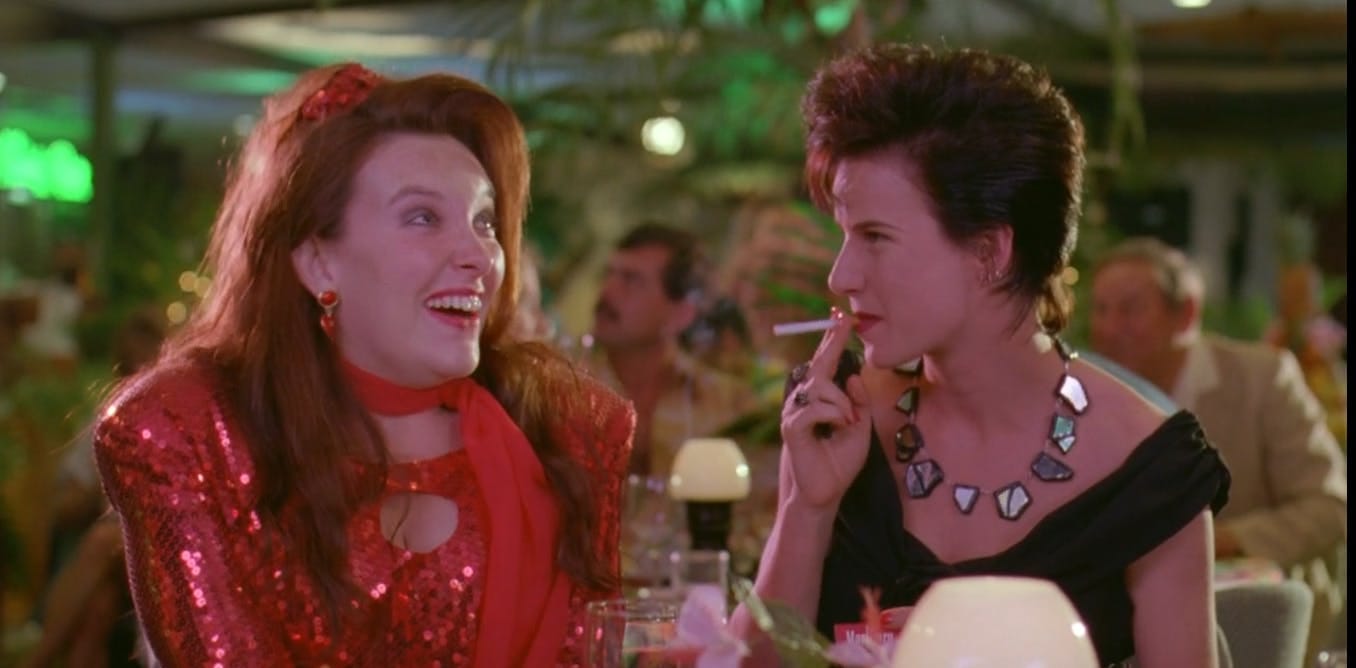
By the end, Muriel has not found a better husband. She has recognised a better definition of happiness.
There is also an important generational contrast between Muriel and Betty. Betty disappears into marriage and family life. Muriel ultimately refuses to do the same.
Why the comedy and tragedy work together
Perhaps the reason Muriel’s Wedding still feels unusual is that it never settles comfortably into one genre.
One fan called it both a “fantastic film” and a “cringe fest”, which is remarkably accurate. It contains grotesque Australian stereotypes, absurd social situations and broad comedy, then suddenly confronts cancer, emotional abuse, suicide, grief and profound loneliness.
Those tonal shifts should clash. Instead, they make the story feel more human.
Muriel eventually returns to Rhonda and takes her back to Sydney. Importantly, she is no longer escaping Porpoise Spit simply because she hates herself. She is leaving because she finally understands who and what deserves a place in her life.
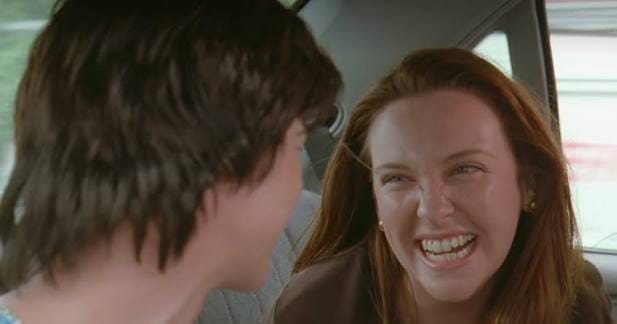
More than 30 years later, Muriel’s Wedding remains very funny. What a rewatch reveals is that the sadness, social commentary and female friendship underneath the comedy may actually be the reasons it has lasted.
Watch the trailer below:
Rachel Griffiths, whose performance as Rhonda remains at the emotional heart of Muriel’s Wedding, is also set to appear in the new Wentworth series coming to BINGE.
We’ll be following the latest Wentworth news, cast updates and first looks as the new chapter gets closer.
Images: Muriel’s Wedding / House & Moorhouse Films / Roadshow Films