Microsoft president Brad Smith calls for stronger AI safeguards as regulation debate grows
Microsoft president Brad Smith has called for stronger AI safety rules, including incident reporting and independent evaluations of artificial intelligence systems.

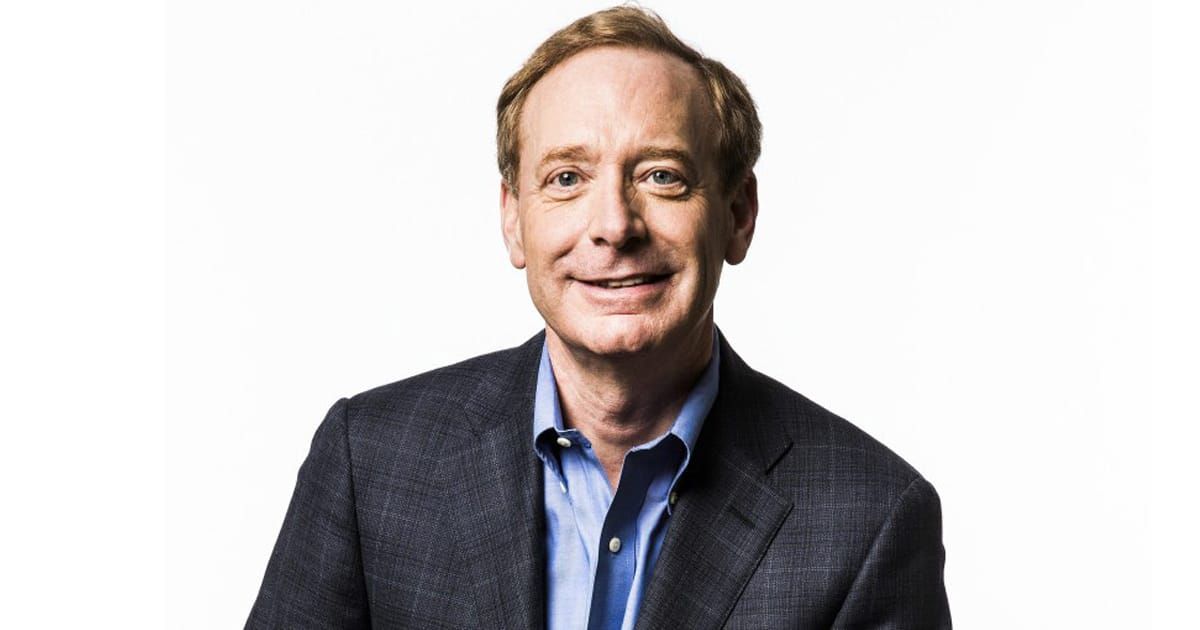
Microsoft president Brad Smith has called for stronger international safeguards for artificial intelligence, arguing that the technology needs clearer safety requirements as its capabilities continue to develop.
In an interview with the BBC, Smith compared the regulation of AI with everyday products such as milk, arguing that basic safety expectations can be more demanding for ordinary consumer goods than for powerful AI systems.
His comments on 12 October 2026, add to the growing debate about how governments should oversee AI developers and what responsibilities technology companies should have when their systems cause harm.
What safeguards does Microsoft want?
Smith has called for a more comprehensive framework covering AI safety, including mandatory reporting of significant incidents and requirements to notify people affected by AI-related breaches.
He has also supported independent evaluations of AI systems and the development of emergency mechanisms that could help prevent dangerous behaviour. The proposals reflect concerns that AI systems may be deployed at scale before all their potential risks are fully understood.
Such measures could give regulators and the public greater visibility into how AI products behave after launch. They would also place more emphasis on what companies do when something goes wrong, rather than relying solely on voluntary assurances made before a product is released.
Why the debate matters for entertainment
AI is becoming increasingly relevant to film, television and other creative industries, from script development and visual effects to voice generation and post-production. As these tools become more widely available, questions about transparency, accountability and the consequences of misuse are becoming harder for the industry to ignore.
Stronger oversight could affect how creative companies assess AI suppliers, document their use of automated systems and respond to complaints about generated material. It could also influence the expectations placed on companies developing tools used by studios, broadcasters and independent creators.
However, Smith's comments do not amount to a new law or a confirmed change in UK regulation. They are a call for stronger safeguards, and any binding requirements would depend on decisions made by governments and regulators.
The discussion also raises questions about how oversight should balance public protection with innovation. The challenge is not simply deciding whether AI should be regulated, but determining which risks require intervention, who should be responsible and how rules can be enforced consistently.
Smith's intervention gives fresh momentum to that discussion at a time when AI is becoming more deeply embedded in everyday digital services and professional creative workflows.