Manchester Pride 2026 Travel Guide: Gay Village, Coronation Street Tours and a Perfect LGBTQ+ Weekend
Manchester has always held a powerful place within LGBTQ+ culture in Britain, but in 2026 the city now sits at the centre of something broader

Manchester has always held a powerful place within LGBTQ+ culture in Britain, but in 2026 the city now sits at the centre of something broader involving television, fandom tourism, soap culture, nightlife, Pride, queer history and online travel culture.
Thanks to Coronation Street, Canal Street, Russell T Davies, streaming television history and the rise of social media fandoms, Manchester has become one of the UK’s most important LGBTQ+ entertainment destinations. It is no longer only a city people visit for shopping, football, music or a night out. For many LGBTQ+ television viewers and soap fans, Manchester is becoming a place where screen memory, queer culture and real world tourism overlap.
That is what makes the current travel trend so interesting. Visitors are not only coming to see one attraction. They are building whole trips around the city’s connection to television and LGBTQ+ life. A fan can walk the Coronation Street cobbles in the afternoon, head into the Northern Quarter for coffee or record shops, visit Sackville Gardens for LGBTQ+ history, then spend the evening around Canal Street, one of Britain’s most recognisable queer nightlife districts.
Very few UK cities combine those worlds so naturally. London has scale, landmarks and West End theatre, but Manchester offers something more compact and emotionally connected to British television culture. The city feels familiar before visitors arrive because so much of it has already been seen through soaps, drama, music videos, travel clips, fandom edits and LGBTQ+ screen history.
For international soap fans especially, Manchester now offers something specific and memorable: the chance to visit the place where Coronation Street is made while also experiencing one of the UK’s most important LGBTQ+ neighbourhoods in the same trip.
Why Coronation Street Gives Manchester A Unique Tourism Pull
Coronation Street is central to Manchester’s television identity. First broadcast in 1960, the ITV soap became one of Britain’s defining TV institutions and helped shape how audiences understood northern working class life on screen. Weatherfield is fictional, but its emotional geography is deeply connected to Greater Manchester: terraced streets, corner shops, local pubs, factory work, family tensions, neighbourly loyalty and everyday survival.
That connection matters because Coronation Street is not simply a programme people watch. For many viewers, it is part of family memory. It has been on in living rooms for generations, discussed over tea, argued about on social media, quoted in kitchens and followed through births, deaths, weddings, murders, returns and classic soap twists.
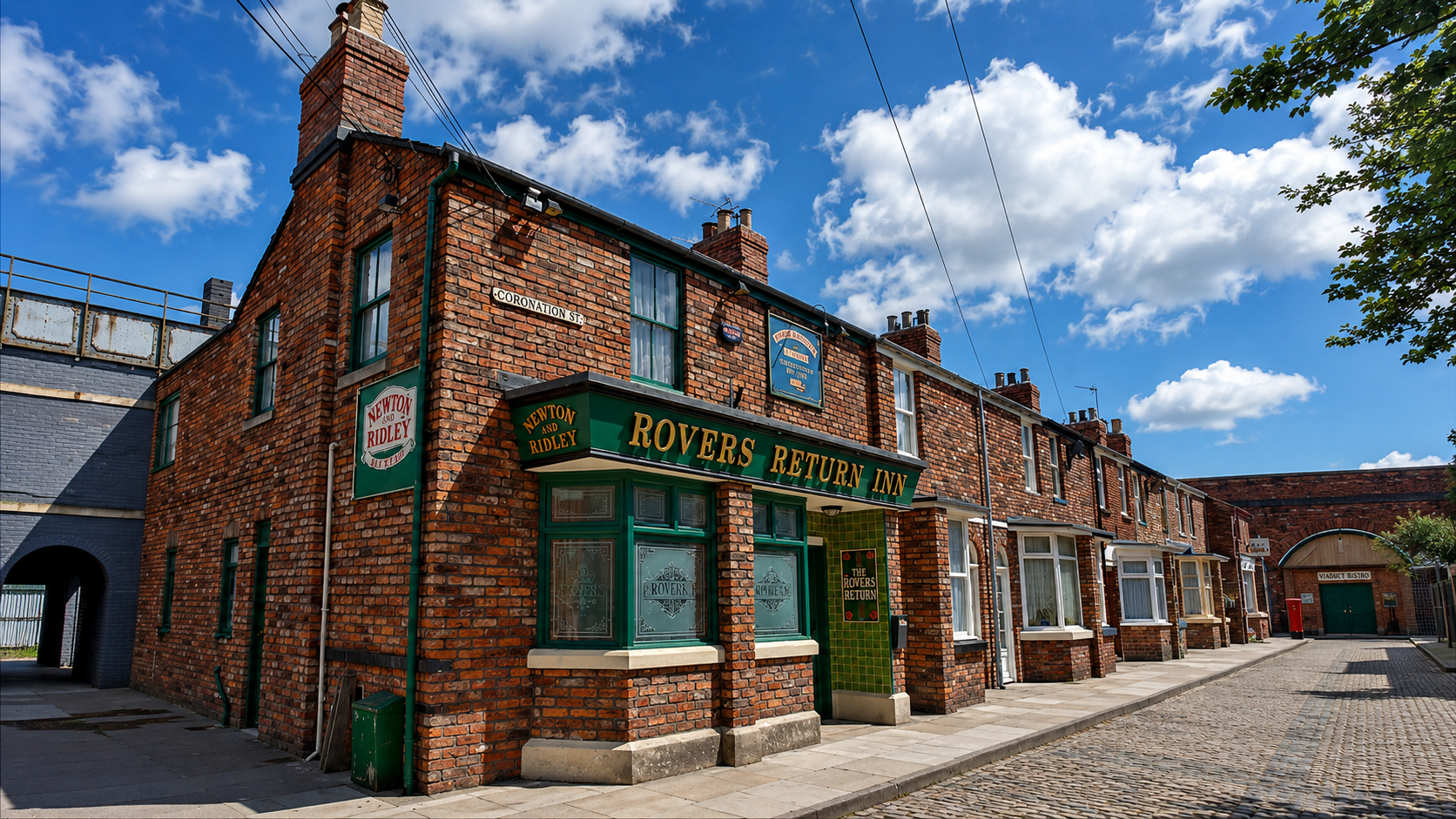
The Coronation Street Experience turns that long running emotional connection into a physical visit. Soap fans can move from watching the cobbles on screen to standing on the street itself, seeing familiar exterior locations and stepping into a carefully built world that has become part of British television history.
For LGBTQ+ soap fans, Corrie carries an added layer of importance. The show has included major LGBTQ+ characters and storylines over the years, from Hayley Cropper’s groundbreaking place in British television to later queer stories involving characters such as Todd Grimshaw, Sean Tully, Sophie Webster, Sian Powers, Kate Connor, Rana Habeeb, Billy Mayhew, Paul Foreman, Carla Connor and Lisa Swain.
That does not mean every visitor comes to Manchester because of LGBTQ+ storylines, but it does mean that for many queer fans, the Corrie set is not only a soap attraction. It is connected to representation, comfort viewing, online fandom and characters who have meant something beyond the screen.
What To Expect At The Coronation Street Experience
The Coronation Street Experience is now one of Manchester’s key television tourism attractions. Official tours allow visitors to explore the exterior set, walk along the famous cobbles and see recognisable locations connected to the soap. The experience also includes exhibition areas, replica sets, props, costumes, a cinema experience and the chance to step inside recreated spaces linked to Weatherfield life.
For fans, the emotional pull is obvious. The Rovers Return, Roy’s Rolls, the Kabin and the street itself are not just sets. They are places attached to decades of story. Characters have fallen in love, fallen apart, argued, celebrated, grieved and rebuilt their lives across those locations. Being able to stand there gives viewers a different kind of connection to the programme.
Visitors should book through the official Coronation Street Experience website rather than relying on random third party pages. The official site lists guided tours, exhibition access, available dates, ticket options and any special events, including star tours where available.
Tours are especially popular around weekends, school holidays, bank holidays and major soap events, so advance booking is strongly recommended. Visitors travelling from outside Manchester should also check transport and hotel options before choosing a tour time, especially if they want to combine the set visit with Canal Street, the Northern Quarter or MediaCity on the same day.
For SoaplandTV readers, further tour reviews, first hand fan experiences and personal stories can be found on the Tours page of the SoaplandTV website. These are useful because official booking pages explain how to visit, while fan reviews can show what the tours actually feel like, what to look out for and why visiting the sets can carry such emotional meaning for long term viewers.
Manchester’s TV Identity Goes Far Beyond Coronation Street
Coronation Street may be the city’s most famous television export, but Manchester’s TV identity goes much further. The city and its surrounding region have repeatedly shaped British television culture, from Granada’s long history of production to the modern creative hub around MediaCity and Salford Quays.
Greater Manchester has been associated with soaps, factual programming, entertainment, drama, children’s television, news, reality formats and digital content. That wider screen identity matters because it makes Manchester feel like a working television city rather than a place with one famous set tour.
For visitors, this helps create a bigger story. A trip to the Coronation Street Experience can connect naturally with MediaCity, Salford Quays, ITV, BBC production in the North and the wider feeling that television is part of the region’s economy, culture and identity.
For LGBTQ+ audiences, that screen connection becomes even richer. Manchester is not only linked to mainstream TV history. It also has a major place in queer television history, especially through Russell T Davies and dramas that brought LGBTQ+ lives into the centre of British popular culture.
Queer As Folk remains one of the most important LGBTQ+ television dramas in British history. Created by the brilliant Russell T Davies and first broadcast on Channel 4 in 1999, the series followed gay men living around Manchester’s Gay Village and placed Canal Street directly into mainstream popular culture.
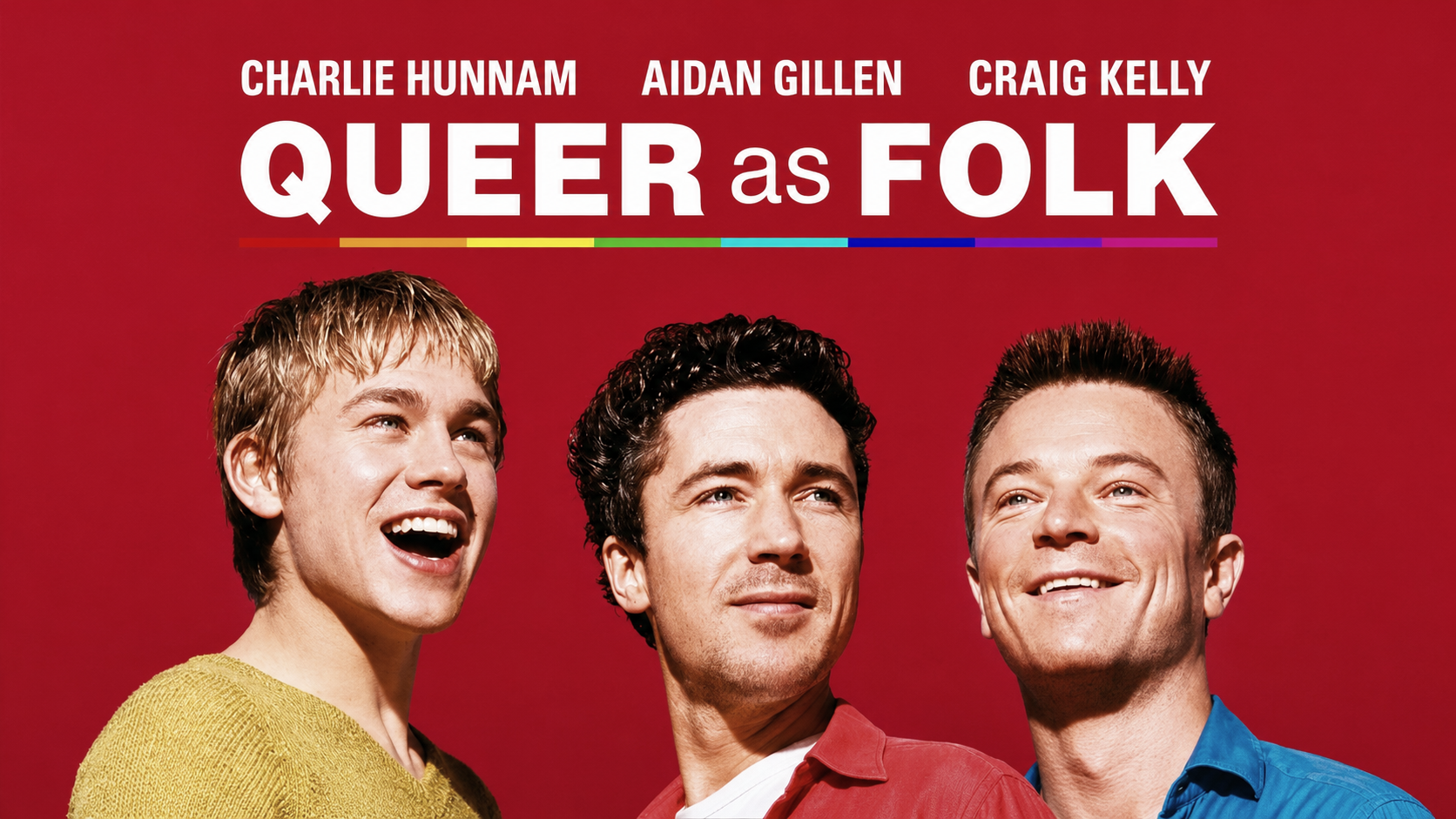
The series did not treat the village as a vague background location. It made Manchester’s queer nightlife feel alive, specific and recognisable. The bars, streets, friendships, desire, humour and emotional complications of queer life were presented with a boldness that had rarely been seen on British television before.
For many viewers, especially those watching from smaller towns or less accepting homes, Queer As Folk made Canal Street feel like a symbol of possibility. It showed a visible queer world with its own energy, language, flaws, joy and danger. It was not sanitised into respectability. It felt loud, messy, funny, sexual, emotional and alive.
Davies’ later work also keeps the North West connected to major LGBTQ+ storytelling. Cucumber returned to Manchester’s queer world, while It’s A Sin, although centred on London, carried a strong North West connection through filming and production. More recent coverage of Davies’ work has also kept attention on the relationship between Channel 4, Canal Street and contemporary LGBTQ+ storytelling
That gives Manchester a rare screen position. It is a soap city, a production city, a queer screen city and a fandom city all at once.
The Gay Village Is A Living Community, Not Just A Backdrop
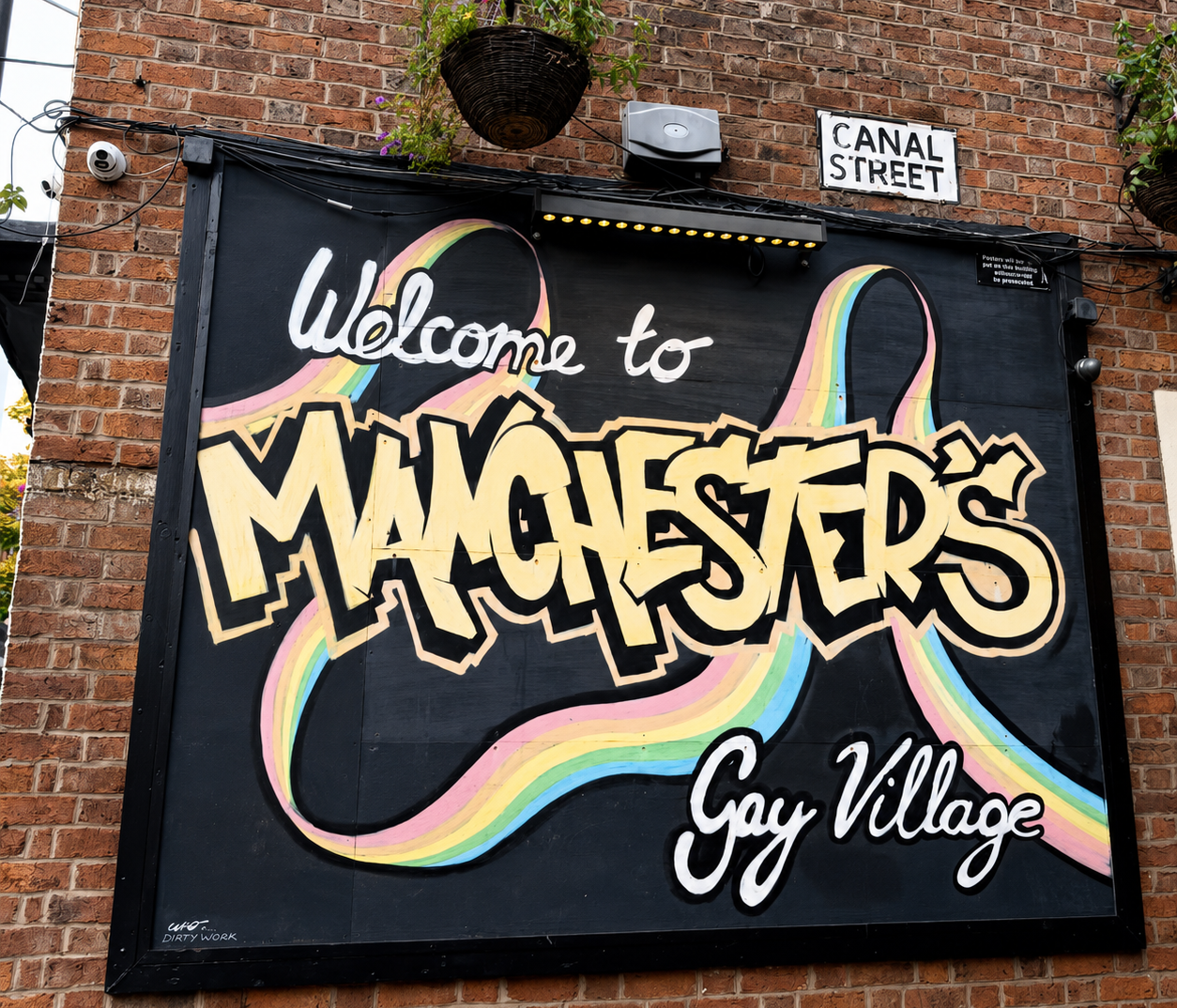
Manchester’s Gay Village is one of the most recognisable LGBTQ+ districts in Britain, but it should not be treated simply as a nightlife backdrop for photographs. Canal Street is important because it carries decades of community history. The area around the Rochdale Canal became a place where LGBTQ+ people could meet, socialise, organise and build visibility at times when wider society was often hostile.
For generations, LGBTQ+ people often had to find safety in coded spaces, private networks or venues known quietly through word of mouth. Places like Canal Street became vital because they offered more than entertainment. They offered recognition. A person could walk into a bar, see people like themselves, hear familiar language, meet friends, fall in love, find support and feel less alone.
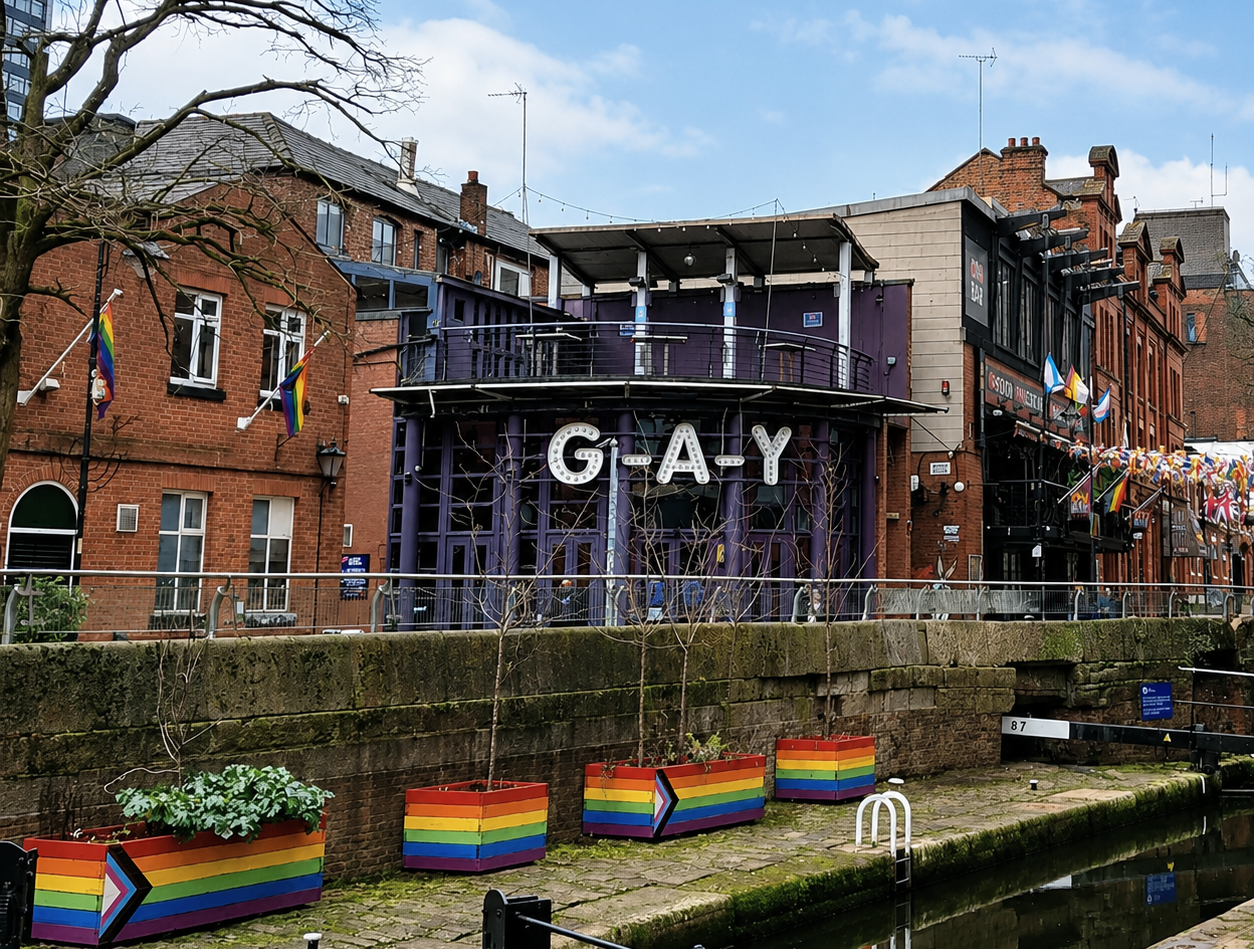
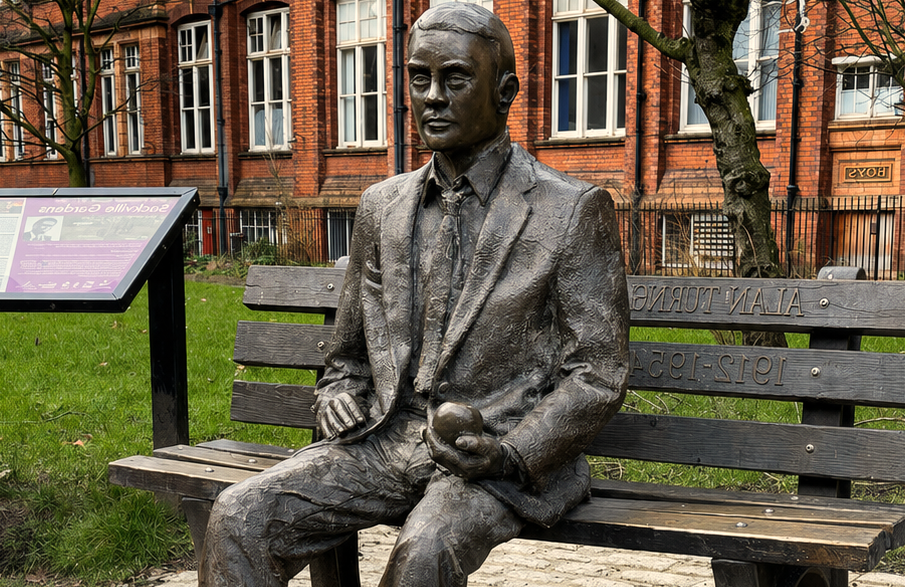
It is easy to focus only on the lights, bars and late night energy, but Manchester’s Gay Village also sits close to some of the city’s most important LGBTQ+ memorial spaces. Sackville Gardens, just beside the village, is home to the Alan Turing Memorial and the Beacon of Hope, which remembers those affected by HIV and AIDS. That closeness gives the area a deeper meaning. Celebration and remembrance sit within walking distance of each other.
The village is also part of a wider queer heritage trail. Manchester’s LGBTQ+ walking trail helps people explore queer life, activism, resilience and memory across the city, with locations that encourage visitors to look beyond the most obvious nightlife venues. For visitors, that means Canal Street can be experienced in several ways.
That is why the village still matters in 2026. It is not frozen in the 1990s and it is not only a memory of Queer As Folk. It continues to change with the people who use it: locals, students, older LGBTQ+ residents, tourists, drag performers, trans and non binary visitors, Pride crowds, soap fans, international travellers and people finding queer community for the first time.
Manchester’s Gay Village works because it is compact enough to feel accessible, but historically rich enough to carry real meaning. It can be joyful, messy, commercial, political, emotional and complicated all at once, and that complexity makes it real.
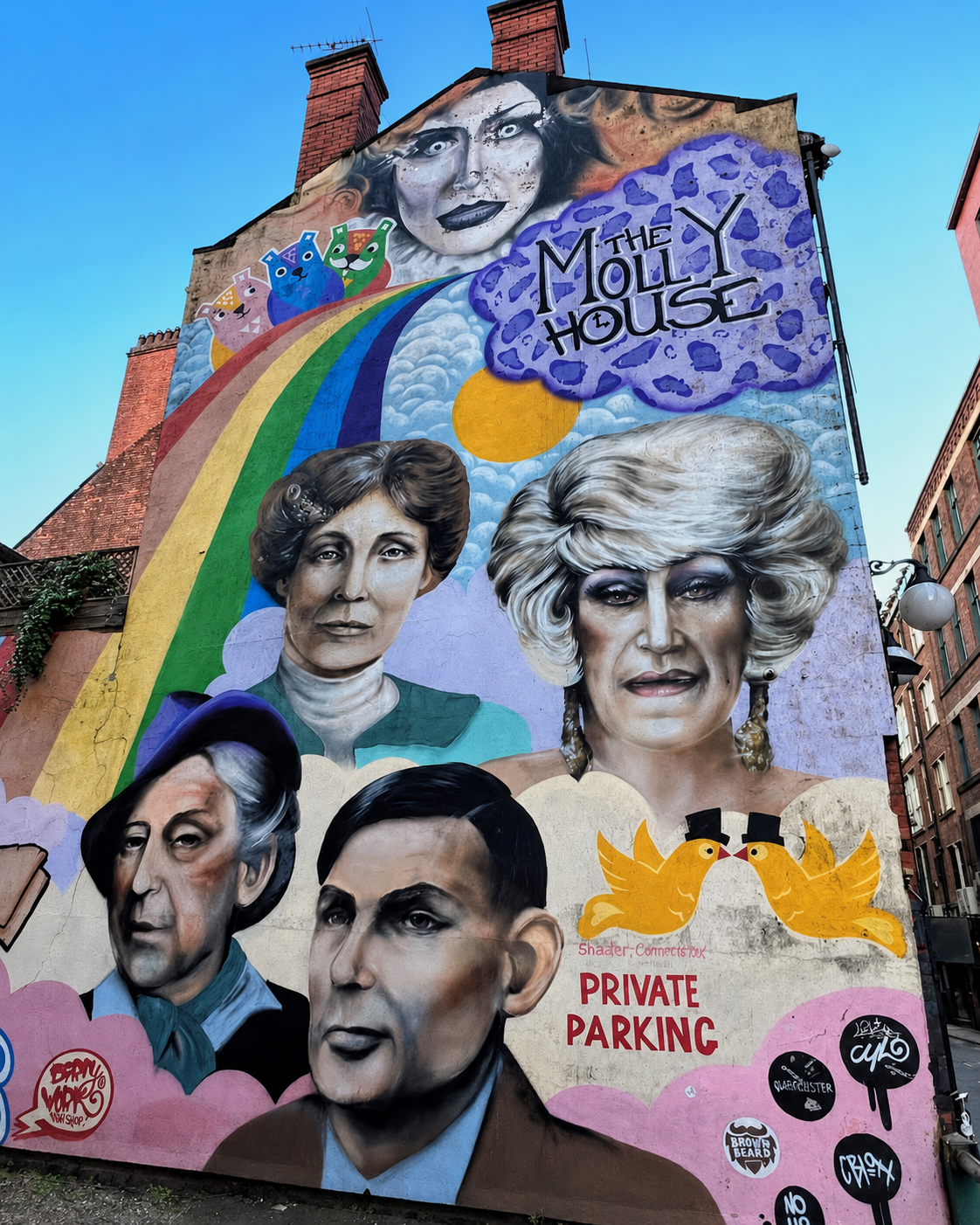
What To See Around Canal Street And The Gay Village
For first time visitors, Canal Street is the obvious starting point. It runs along the canal in the heart of the Gay Village and is lined with LGBTQ+ venues, restaurants, bars, clubs and places that have been part of Manchester nightlife for years. It is most atmospheric in the evening, but it is worth visiting in daylight too, especially for anyone interested in queer history, architecture and screen locations.
Sackville Gardens should be part of any LGBTQ+ Manchester visit. The Alan Turing Memorial is one of the city’s most photographed and meaningful LGBTQ+ landmarks. Turing’s story connects Manchester to computing history, wartime codebreaking and the injustice faced by gay men under discriminatory laws. Nearby, the Beacon of Hope offers a place of remembrance connected to HIV and AIDS, making the gardens one of the most important reflective spaces in the village area.
Manchester Pride is another major part of the city’s LGBTQ+ identity. The parade, performances and public celebrations bring colour and visibility into the city centre, while the Candlelit Vigil in Sackville Gardens provides a more reflective moment connected to HIV, AIDS, loss, survival and community solidarity.
That balance matters because Manchester’s LGBTQ+ culture is not only about nightlife. It also carries memory, grief, activism and political struggle. A visitor experiencing the Gay Village only as a party district misses part of what makes it significant.
The village also works well as part of a wider city centre day. It sits close to Piccadilly station, the Northern Quarter, Chinatown and other central areas, making it easy to combine with food, shopping, nightlife or a TV themed itinerary.
For soap fans, the simple version is this: do the Corrie tour, return to the city centre, visit Sackville Gardens and Canal Street, then spend the evening in the Gay Village. That gives the trip both the television connection and the LGBTQ+ cultural context.
Manchester’s Creative Culture Adds To The Appeal
Manchester’s LGBTQ+ entertainment appeal is not confined to the Gay Village or Coronation Street. The Northern Quarter has become a major part of the city’s visitor identity, particularly for younger travellers. Its cafés, vintage shops, record stores, street art, bars and independent venues fit naturally with the way people now experience cities through social media.
For LGBTQ+ visitors, this matters because queer culture is often tied to creative spaces. It lives in music, fashion, art, small events, performance nights, bookshops, independent venues and informal social scenes.
Manchester has always had a strong music identity, from club culture to bands, DJs and live venues. That music history feeds into the city’s queer nightlife and cultural confidence. The result is a city that feels expressive rather than polished.
The city also translates especially well online. Wet pavements reflecting neon lights, tram lines crossing the city centre, brick warehouses, old pubs, music venues, rainy streets, independent coffee shops, record stores, canal side nightlife, MediaCity, the Northern Quarter and the Gay Village all fit naturally into online travel culture.
For international soap fans, the appeal is obvious. Manchester is not only where Coronation Street is made. It is also a city that looks and feels like the wider world around the soap: northern, urban, creative, rainy, emotional and full of character.
Fandom travel is rarely only about one attraction. People want a full atmosphere. They want the set, the street, the café, the bar, the train ride, the photo, the video and the sense of being inside the world they have watched from far away. Manchester gives them that.
How To Get To Manchester And The Corrie Experience
Manchester is one of the easiest UK cities to reach, which helps explain why it works so well as a soap and LGBTQ+ tourism destination.
For international visitors, Manchester Airport provides a direct gateway into the North of England. That can make a major difference for fans travelling from overseas, because they do not always need to route their whole trip through London first. From the airport, visitors can travel into Manchester city centre by train, tram, coach, taxi or rideshare, depending on budget, luggage and arrival time.
For UK visitors, Manchester is also well connected by rail. Manchester Piccadilly is the city’s main railway station and has strong links to London, Birmingham, Leeds, Liverpool, Sheffield, York, Newcastle, Edinburgh, Glasgow and many other cities. Manchester Victoria and Oxford Road also serve key routes, making the city practical for both day trips and overnight stays.
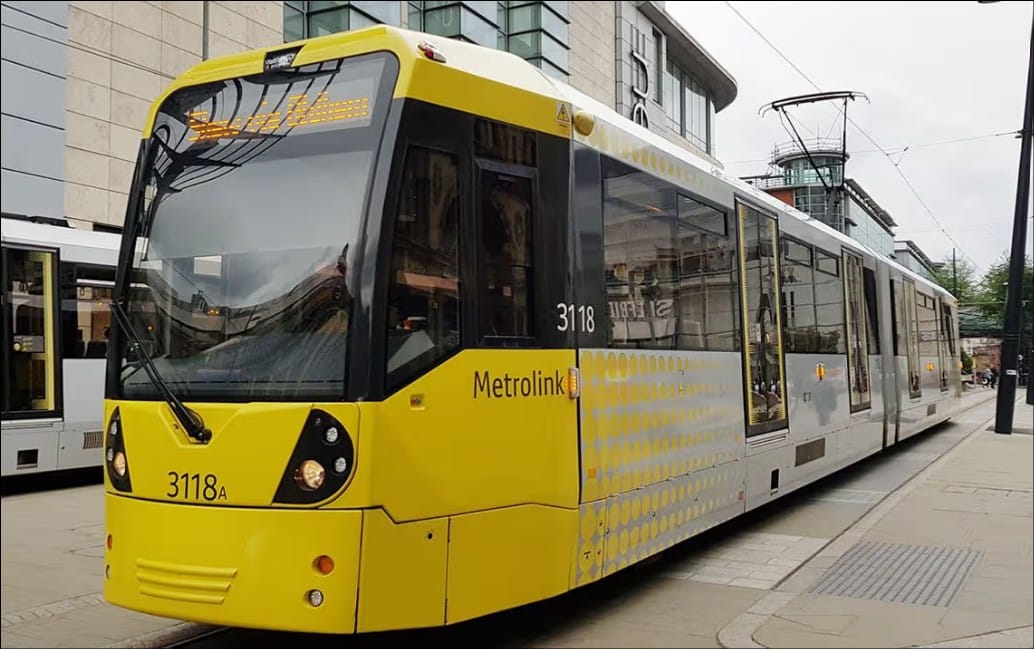
The Coronation Street Experience is based at the Trafford Wharf Road site near MediaCity and Salford Quays. Many visitors use Manchester’s Metrolink tram system to get close to the area, with tram stops around MediaCityUK, Imperial War Museum and Trafford Wharf making it easier to reach the set without needing a car.
Canal Street and the Gay Village are much closer to Manchester city centre. From Manchester Piccadilly, the Gay Village is usually a short walk across town. The route takes visitors towards the Canal Street area, with Sackville Gardens, the Alan Turing Memorial and the Beacon of Hope all close by. For many people, that makes the village one of the easiest parts of the city to include in a short trip.
A simple route for fans would be to arrive into Manchester Piccadilly, travel by tram or taxi to the Coronation Street Experience, return towards the city centre afterwards, then walk to Canal Street for the evening. Visitors staying overnight can also add the Northern Quarter, Sackville Gardens, MediaCity and Salford Quays without needing to make the trip feel rushed.
That practical accessibility is part of Manchester’s appeal. The city has the airport, the trains, the trams and the walkable centre needed to support fandom tourism properly. A Corrie fan can travel in for the cobbles, but the wider city makes it easy to turn that visit into a full LGBTQ+ culture weekend.
How To Plan A Corrie And LGBTQ+ Manchester Weekend
A strong Manchester weekend for soap and LGBTQ+ culture can be built around a simple route, with the Coronation Street Experience as the main anchor. Because the tour is the most specific fan attraction and needs booking in advance, it makes sense to choose a time that allows enough space for travel, photos, the exhibition and a relaxed return towards the city centre.
After the Corrie tour, visitors can head towards MediaCity and Salford Quays if they want to connect the trip to wider television production. Even a short walk around the waterfront adds a broader screen culture feel to the day, especially for anyone interested in how Greater Manchester became such an important television hub.
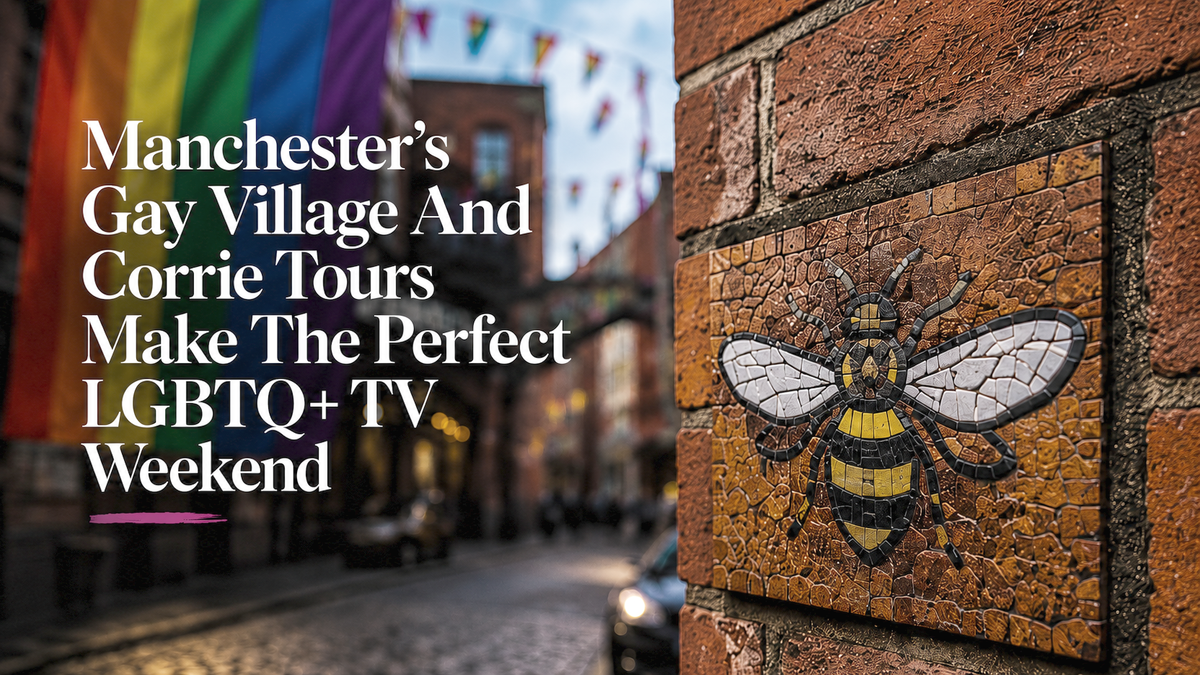
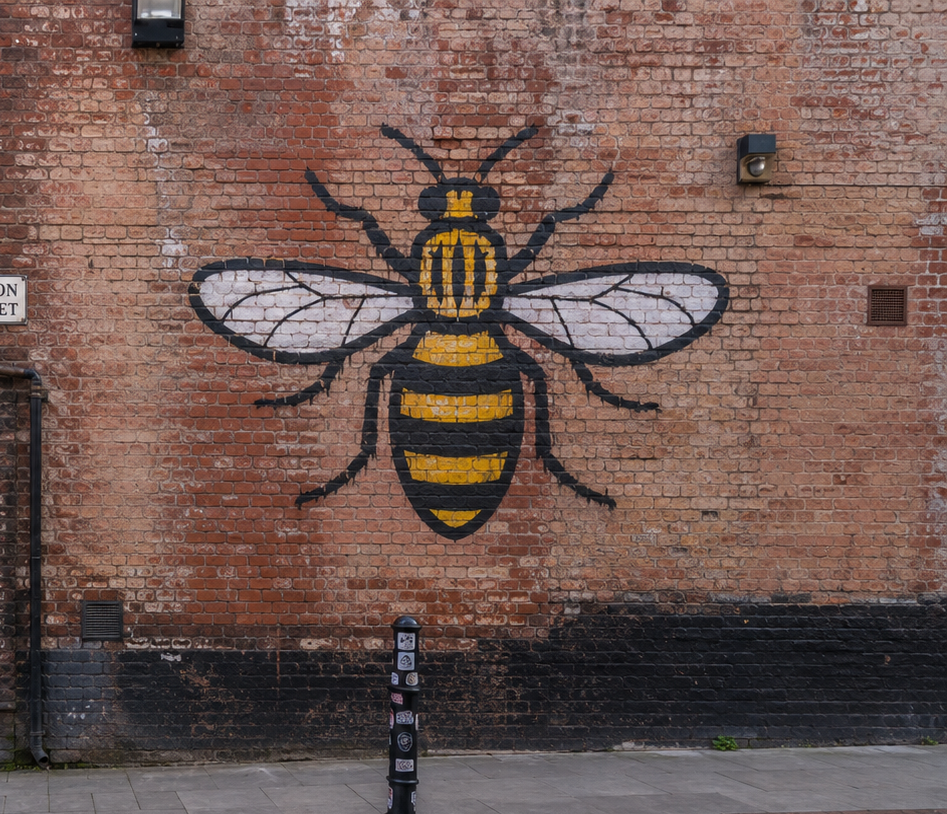
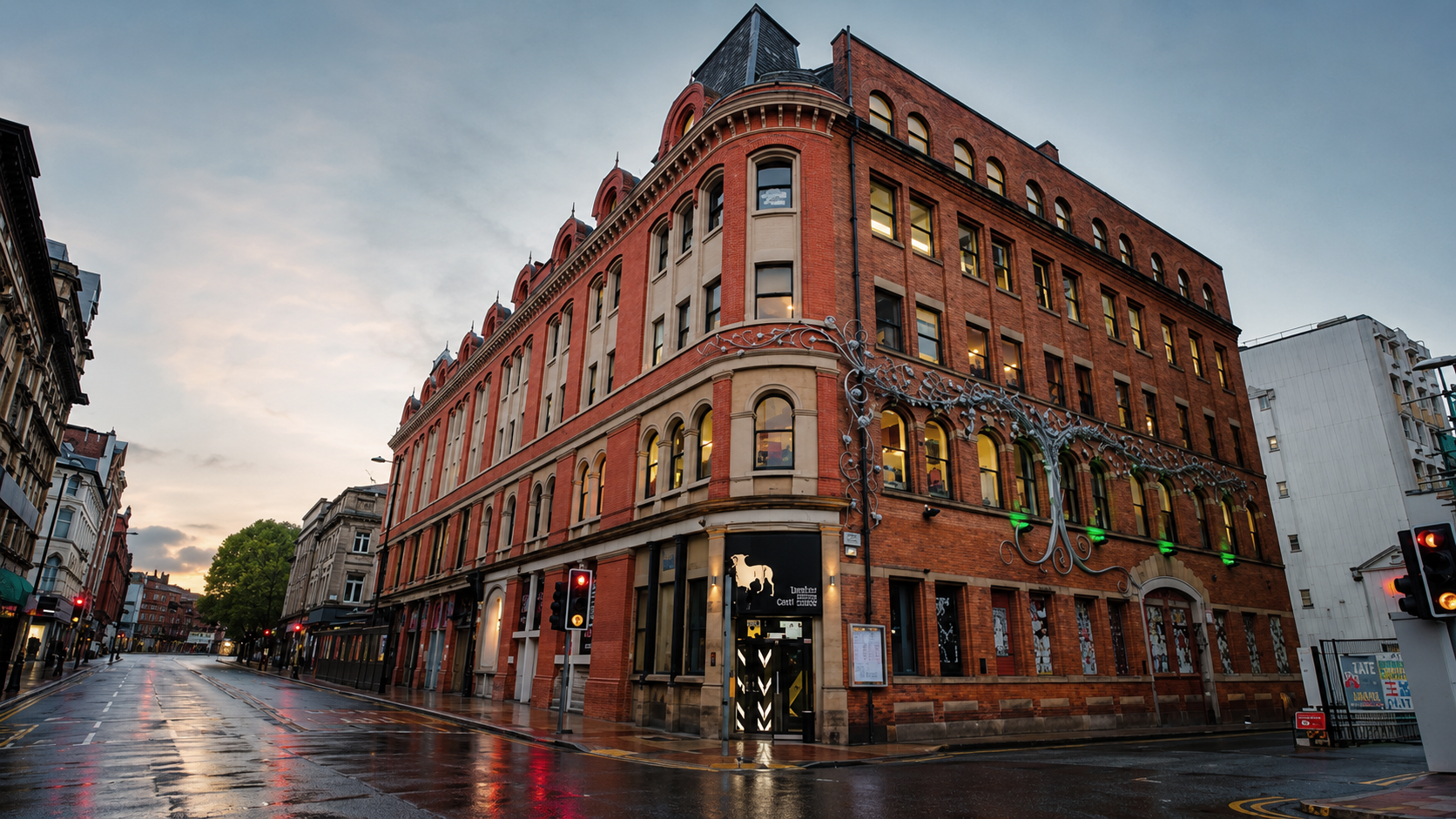
Back in the city centre, Manchester works best when visitors leave time to wander. Look up at the red brick buildings, stop for a bit of shopping, follow the side streets and keep an eye out for the city’s famous worker bee. The bee became linked with Manchester during the Industrial Revolution, when the city’s mills, factories and working communities helped shape its identity. Today, it has become a symbol of resilience, pride and togetherness. For visitors, spotting the bees on walls, bins, tiles, signs, souvenirs and shopfronts can become part of the fun. How many will you find?
The Northern Quarter is a good next stop for cafés, street art, record shops, vintage stores and independent spaces. It has long been seen as the city’s alternative creative quarter, full of quirky shops and places that feel different from the usual high street. Oldham Street is a strong starting point for vintage clothing, with shops such as Retro Rehab offering affordable vintage dresses, clothing and accessories. Afflecks, formerly known as Afflecks Palace, remains one of the area’s most famous shopping stops, with floors of independent traders, alternative fashion, gifts and things visitors did not know they needed until they saw them.
Food, beer and wine in Manchester could easily be an article in itself, and probably should be, because the city has so much choice. For this kind of weekend guide, it is enough to say visitors are spoiled for choice, especially around the Northern Quarter, Ancoats, the Gay Village and the city centre. Whether someone wants a quick bite, a proper meal, cocktails, coffee, casual drinks or somewhere to settle in for the evening, Manchester has plenty of options.
From the Northern Quarter, the Gay Village is within easy reach. Canal Street, Sackville Gardens, the Alan Turing Memorial and the Beacon of Hope give the trip its LGBTQ+ cultural heart. Some visitors may want nightlife, food and drinks, while others may prefer a quieter daytime walk, photos by the canal or a reflective stop in Sackville Gardens.
If the weather turns, Manchester still has plenty to offer. Manchester Art Gallery and the Whitworth are both strong options for visitors who want an arty morning, while HOME is a good place to check for independent films, theatre, exhibitions and evening programming. It gives visitors another way to experience the city’s creative side without turning the whole weekend into a rushed checklist.
A second day could include more time around the village, Manchester Art Gallery, a queer history walk, HOME, shopping, or a relaxed wander through the Northern Quarter and city centre. The key is not to over plan it. Manchester works best when visitors leave room for atmosphere: the tram ride, the brick streets, the canal, the cafés, the memorials, the music history and the familiar feeling of being somewhere that has shaped British television and LGBTQ+ culture for decades.
If visitors have a longer weekend and fancy a short train ride, Hebden Bridge is a lovely option around half an hour away by rail. The market town has its own creative, independent character, with quirky shops, walks, cafés and a strong LGBTQ+ friendly reputation. It is also known to TV viewers through Happy Valley filming connections, which gives it another screen culture link for visitors who enjoy exploring places tied to British drama.
For those travelling from abroad or planning a bigger UK soap trip, Manchester can also work as part of a wider northern route. Liverpool is a brilliant city for culture, music, food, waterfront walks and possibly a Hollyoaks inspired visit, while Leeds and Yorkshire can connect visitors to the Emmerdale Village Tour. Both cities are worth far more than a quick stop, but for soap and TV fans building a longer itinerary, Manchester can sit naturally at the centre of a northern screen culture trip.
Why Manchester Matters Now
Manchester’s LGBTQ+ entertainment identity was not created overnight. It has been built slowly, through decades of nightlife, television, activism, Pride, music, community spaces and screen moments that helped people see the city differently.
Queer As Folk gave Canal Street a permanent place in British television history. Coronation Street gave Manchester one of the most recognisable soap worlds anywhere in the world. Russell T Davies and later queer dramas deepened the North West’s connection with LGBTQ+ storytelling, while MediaCity helped confirm Greater Manchester as one of the UK’s major television centres. Now social media fandom has added another layer, turning familiar streets, bars, cobbles and landmarks into places viewers want to visit, photograph and experience for themselves.
That is why Manchester matters so much in 2026. It is not just a city with a famous soap tour, and it is not just a city with a famous Gay Village. It is a place where those things meet. LGBTQ+ history, television fandom, Pride culture, tourism and real community life all overlap in the same streets.
For LGBTQ+ travellers and soap fans, that combination is powerful. Manchester offers the chance to step into a city that already feels familiar before you arrive. The cobbles, the canal, the rain, the worker bees, the cafés, the bars, the memorials, the flags and the television memories all become part of one shared story.
That is what makes the city special. Manchester is not trying to copy London or become a polished tourist postcard. Its appeal is in its texture: red brick streets, northern humour, creative energy, queer visibility, TV history and the feeling that real life and screen life are never too far apart.
Manchester has always had a strong LGBTQ+ identity, and that history should never be treated as a recent discovery. However, thanks to television, fandom, Pride, nightlife, history and online culture, more visitors are beginning to understand what locals and long time fans already knew.
This is one of Britain’s most exciting queer entertainment cities, and for soap fans, it might just be the perfect LGBTQ+ TV weekend