Lip Service Put LGBTQ+ Women At The Centre Of British Television
Explore Lip Service, BBC Three’s Glasgow-set drama about lesbian and bisexual women, its relationships and its lasting place in LGBTQ+ television.


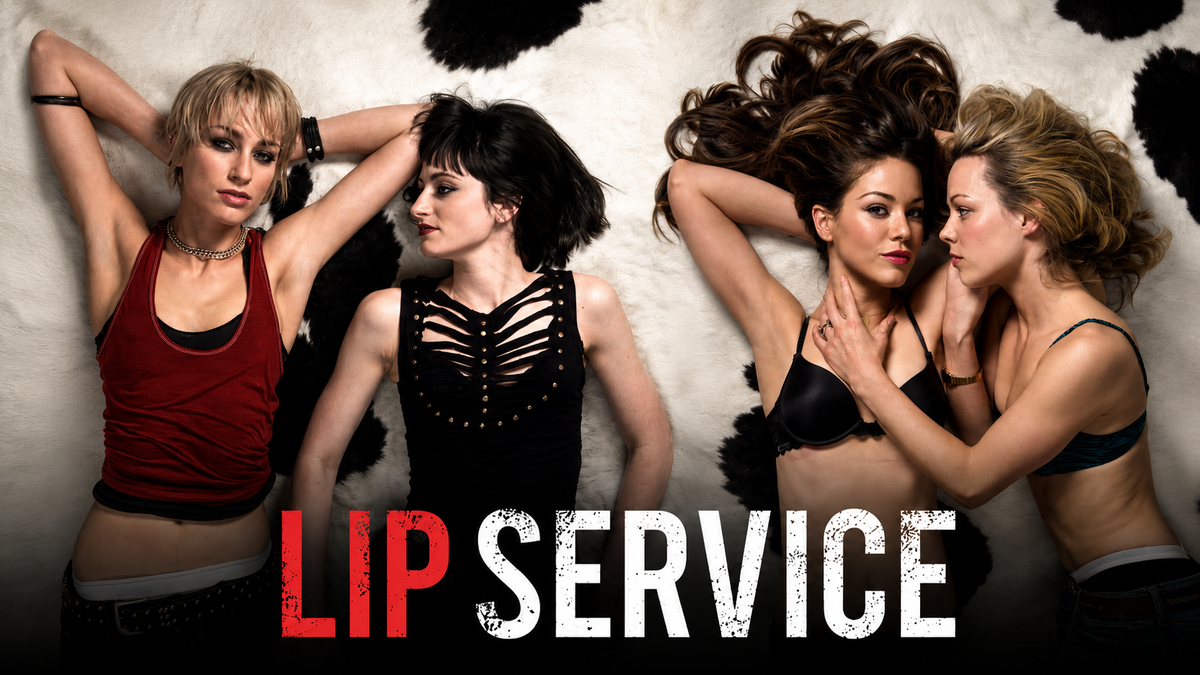
When Lip Service premiered on BBC Three in 2010, it was immediately compared to The L Word. The comparison was understandable. Both series focused on the lives, friendships, relationships and challenges faced by a group of lesbian and bisexual women.
Yet Lip Service quickly established its own identity. Set in Glasgow and packed with drama, romance, heart break and humour, the series became one of the most significant LGBTQ+ dramas ever produced by the BBC. While its run lasted only two seasons, Lip Service remains fondly remembered by viewers and continues to attract new audiences more than a decade after it left television screens.
For many LGBTQ+ women in the UK, it was one of the first times they saw a modern British drama focused almost entirely on women like themselves.
What Is Lip Service About?
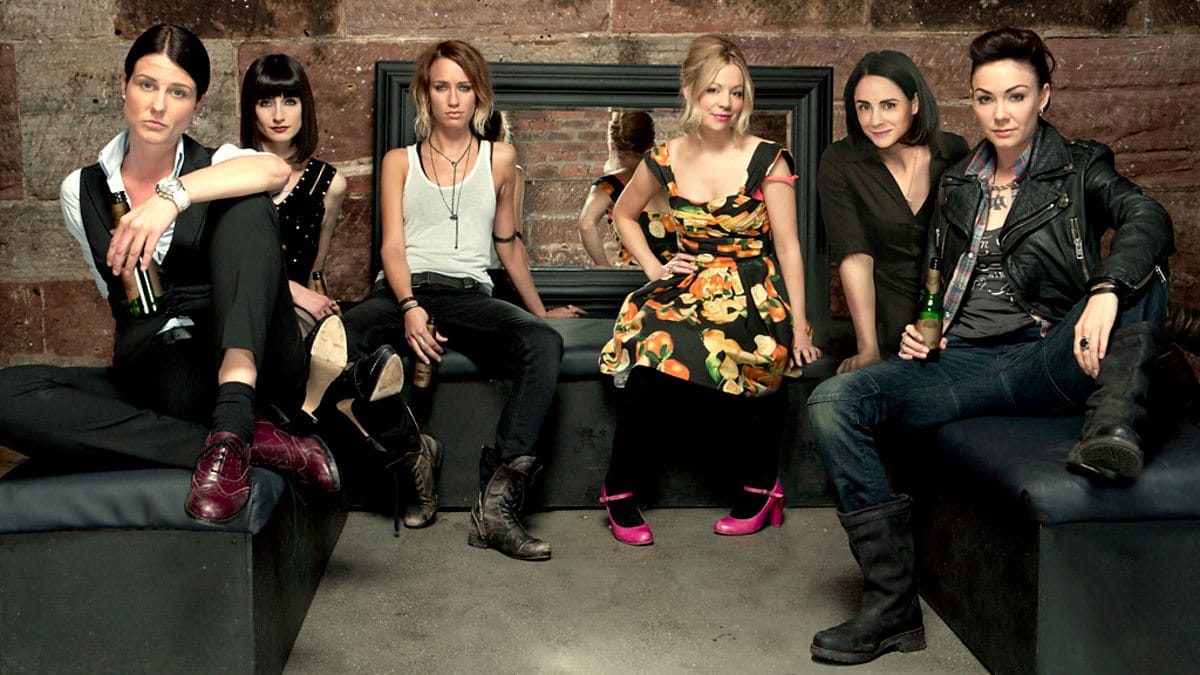
Lip Service follows a close group of lesbian and bisexual women living in Glasgow.
At the centre of the story is Frankie Alan, a charismatic but emotionally complicated photographer whose return to Scotland reignites old feelings and unresolved tensions. Her arrival brings her back into the life of Cat MacKenzie, a former partner who has spent years trying to move on.
As the series develops, viewers follow the friendships, romances, betrayals and personal struggles that shape the lives of the women around them.
Unlike many earlier LGBTQ+ dramas, Lip Service focused on everyday life rather than coming out stories. Relationships, careers, friendships and heartbreak all play a role in the narrative. The result is a drama that feels grounded, contemporary and recognisably British.
Main Cast And Characters
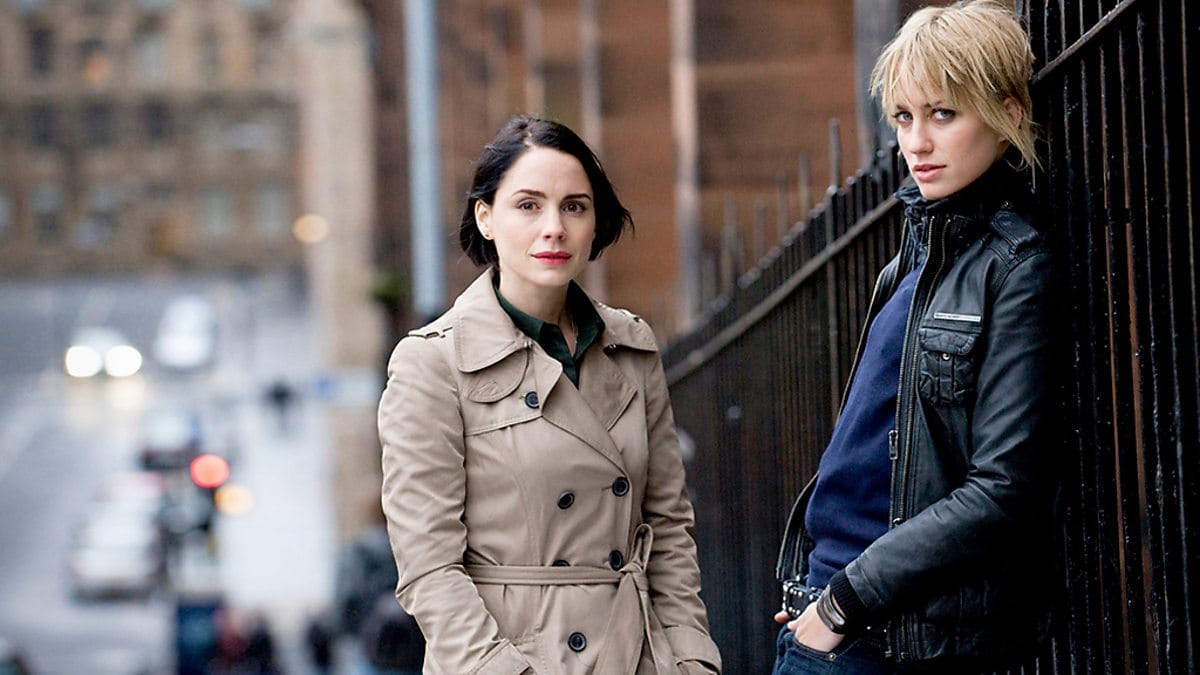
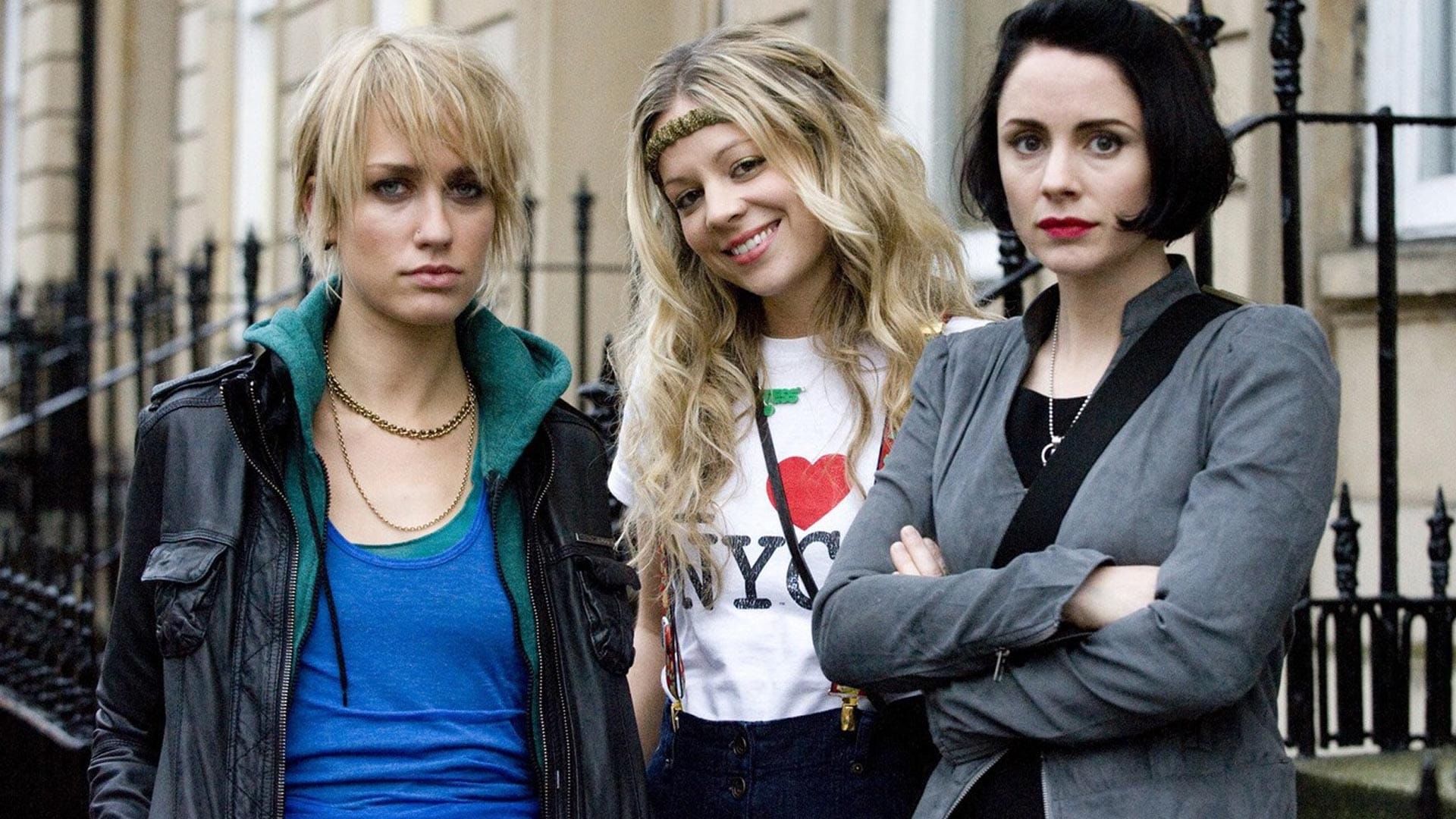
Lip Service featured a strong ensemble cast. Laura Fraser stars as Cat MacKenzie, an architect whose complicated history with Frankie forms one of the central storylines.
Ruta Gedmintas plays Frankie Alan, a talented photographer whose confidence often hides deeper emotional struggles. Fiona Button appears as Tess Roberts, whose optimism and warmth provide many of the show’s lighter moments.
Heather Peace plays Detective Sergeant Sam Murray, a police officer who quickly became one of the most popular characters among viewers.
Other key cast members include:
- Emun Elliott as Jay Bryan
- James Anthony Pearson as Ed MacKenzie
- Lexy McLean as Bea Maxwell
- Anna Skellern as Lexy
- Roxanne McKee as Lou Foster
The chemistry between the cast helped create a believable friendship group that felt authentic and relatable.
LGBTQ+ Representation
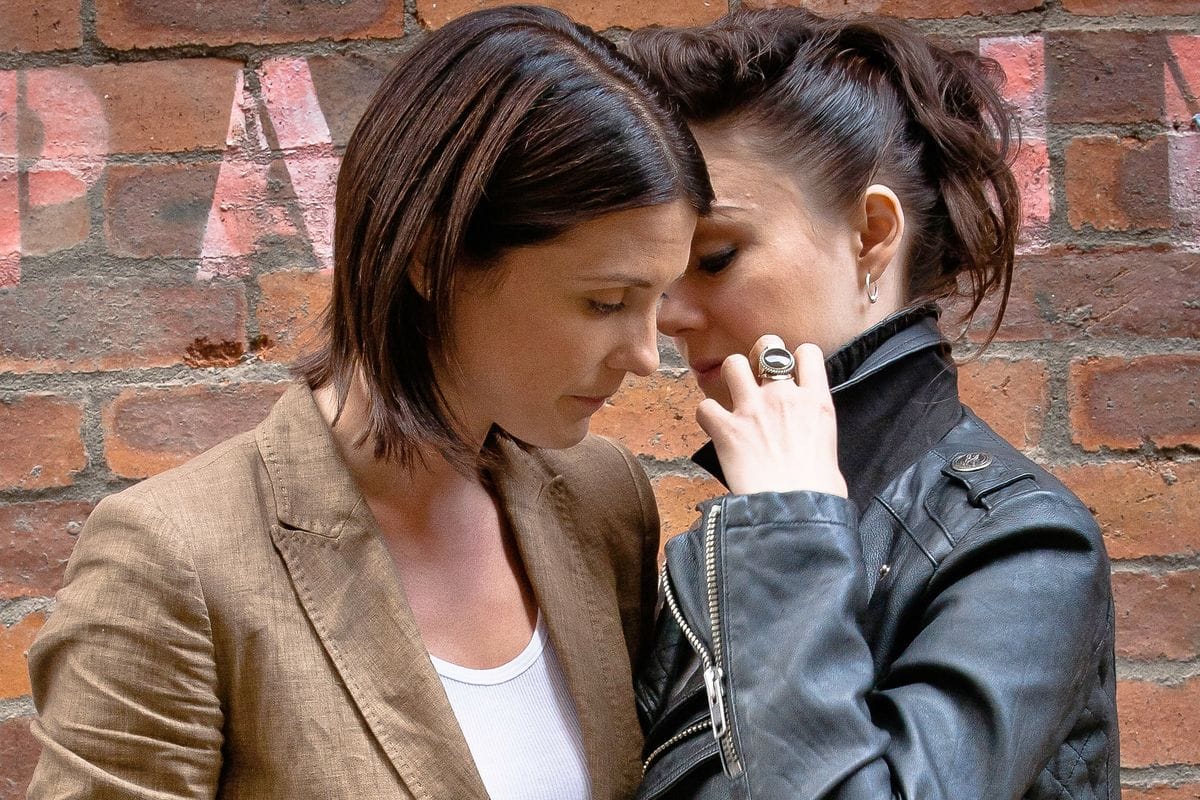
Lip Service arrived at an important moment for LGBTQ+ television. While queer characters had become more visible on British television, there were still very few dramas where LGBTQ+ women were the primary focus.
The series explored a variety of relationships and experiences without reducing characters to stereotypes. Women were allowed to be flawed, successful, selfish, vulnerable, ambitious and complicated.
Relationships did not always work out. Friendships sometimes fell apart. Characters made mistakes. That complexity helped make the show feel realistic.
One of Lip Service’s greatest strengths was its refusal to present LGBTQ+ characters as symbols or educational tools.Instead, viewers were given a group of women simply living their lives.
The relationship between Cat and Frankie became one of the most discussed aspects of the series, while Sam Murray developed a particularly devoted following among viewers. For many LGBTQ+ women in the UK, Lip Service provided a level of representation rarely seen on mainstream television at the time.
Filming Locations
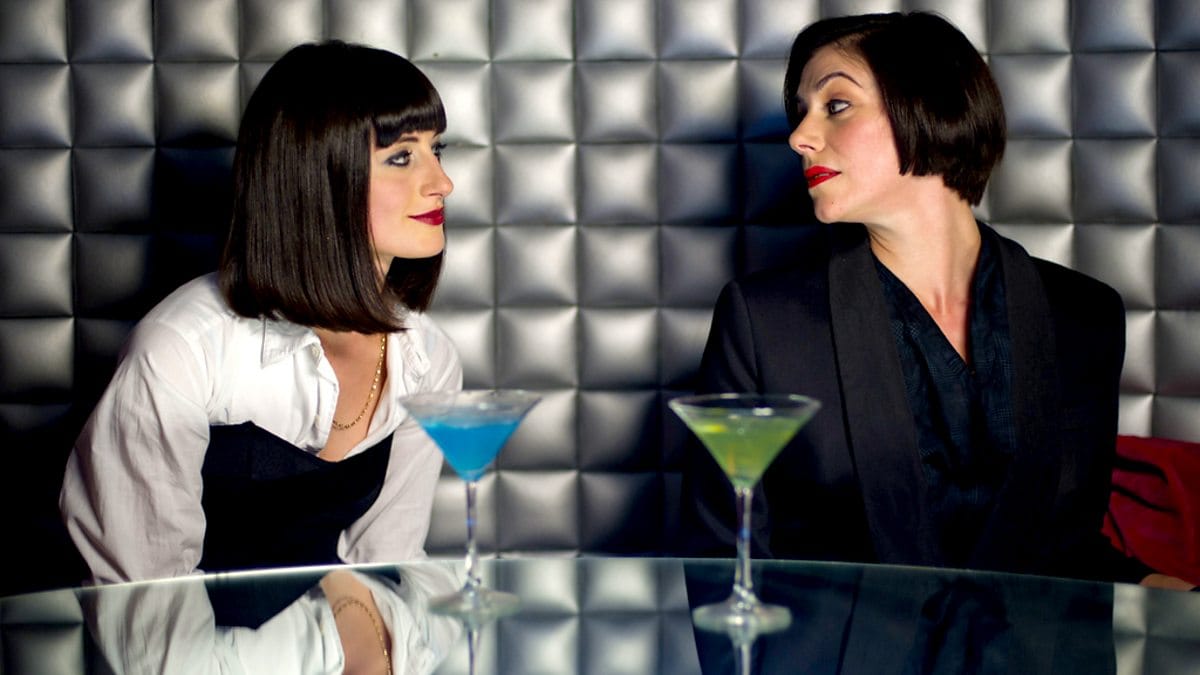
One of the things that set Lip Service apart was its location. The series was filmed primarily in Glasgow, Scotland. Rather than using London as its backdrop, the show embraced Glasgow’s historic architecture, nightlife, parks and streets.
Locations around the city became an important part of the show’s identity.
Viewers regularly saw:
- Glasgow city centre
- Merchant City
- West End locations
- Kelvingrove areas
- Various bars, restaurants and apartments across the city
The Scottish setting gave Lip Service a distinctive atmosphere and helped it stand apart from many other television dramas of the period. The city itself almost became another character within the story.
Seasons, Episodes And Release History
Lip Service premiered on BBC Three in October 2010.
The first season consisted of six episodes and attracted strong interest from LGBTQ+ audiences.
A second season followed in 2012.
As a viewer guide:
Seasons: 2
Episodes: 12
Original Broadcaster: BBC Three
Country of Origin: United Kingdom
Original Run: 2010 to 2012
Although the show developed a loyal fanbase, the BBC decided not to commission a third season.
The cancellation disappointed many viewers, and discussions about what might have happened in a potential third season continue to this day.
Awards, Ratings And Reviews
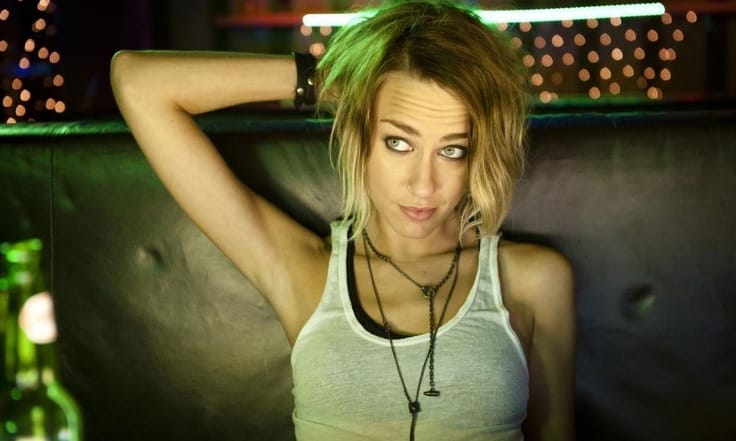
Lip Service received generally positive reviews during its run. Critics praised the performances, writing and commitment to LGBTQ+ storytelling. The series was also recognised for bringing lesbian and bisexual female characters to mainstream BBC drama in a way that had rarely been attempted before.
Many reviewers highlighted:
- Strong lead performances
- Authentic relationships
- Glasgow setting
- Representation of LGBTQ+ women
- Emotional storytelling
While some comparisons to The L Word were inevitable, many critics felt Lip Service succeeded in establishing its own voice and identity.
The series has also benefited from positive retrospective reviews, with many viewers appreciating its importance within British LGBTQ+ television history.
IMDb Score And Audience Reception
Lip Service currently holds an IMDb rating of approximately 7.4 out of 10. That score reflects a generally positive audience response and a loyal fanbase that has remained engaged years after the series ended.
Viewers frequently praise:
- Laura Fraser’s performance
- Heather Peace’s portrayal of Sam Murray
- The chemistry between the cast
- The Scottish setting
- LGBTQ+ representation
One reason the show continues to be discussed is because it arrived before the recent boom in LGBTQ+ streaming content. For many viewers, Lip Service filled a gap in British television that had existed for years.
The fact that audiences are still talking about the series more than a decade later demonstrates its lasting impact.
Where Can UK Viewers Watch Lip Service?
Availability can change depending on licensing agreements. Lip Service has previously been available through BBC iPlayer and digital purchase platforms.
The complete series has also been released on DVD. Viewers interested in watching the programme should check BBC iPlayer, Amazon, Apple TV and other digital retailers for current availability. Because the series has become something of a cult favourite, physical media remains a popular option among fans.
Why Lip Service Matters Today
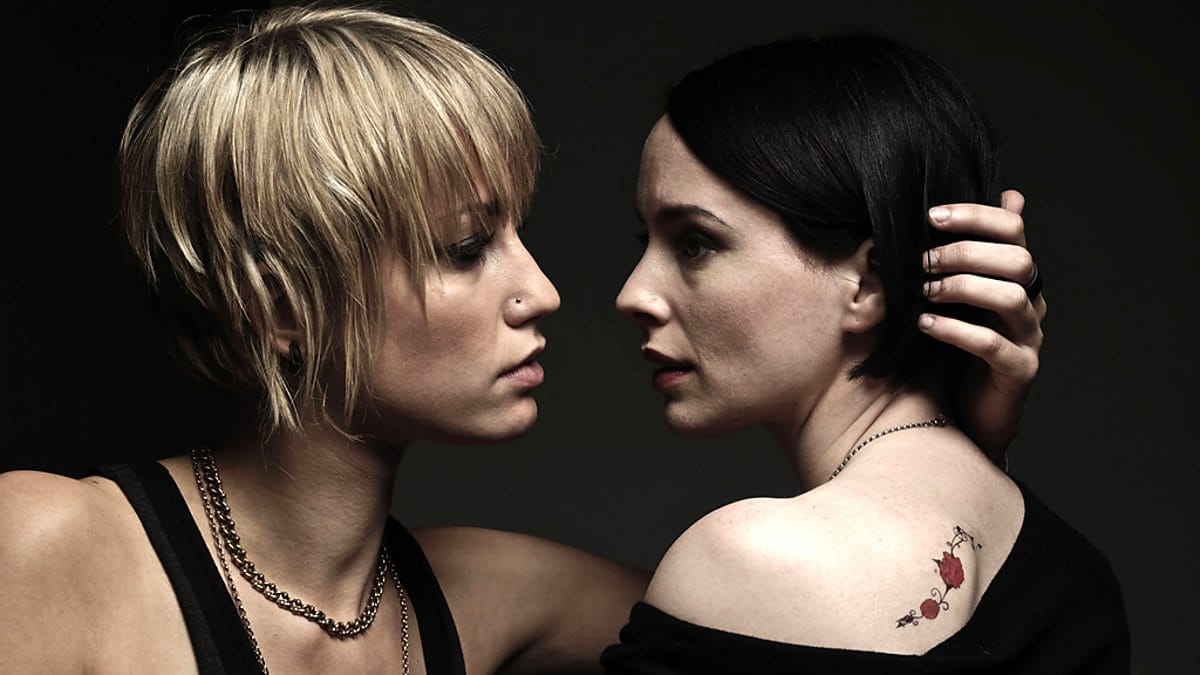
Lip Service remains important because it helped normalise LGBTQ+ women as the central focus of a mainstream British drama. Today, audiences have more choice than ever when it comes to LGBTQ+ television.
Shows such as Heartstopper, Gentleman Jack and Deadloch have benefited from an environment where representation has become more visible. When Lip Service arrived in 2010, the landscape looked very different.
The series helped demonstrate that there was an audience for stories centred on LGBTQ+ women and their experiences. It also showcased Scotland on screen in a fresh and contemporary way.
Perhaps most importantly, it gave many viewers characters they could recognise themselves in. Representation is not just about visibility. It is about allowing people to see their lives reflected on screen. Lip Service achieved exactly that.
Watch a short clip here:
Image credits: Kudos Film/BBC Scotland