Is It Safe to Fly After Europe’s Bomb Threats?
Bomb threats have disrupted European flights, prompting fighter jet escorts. Discover how the RAF protects UK airspace and what passengers need to know.

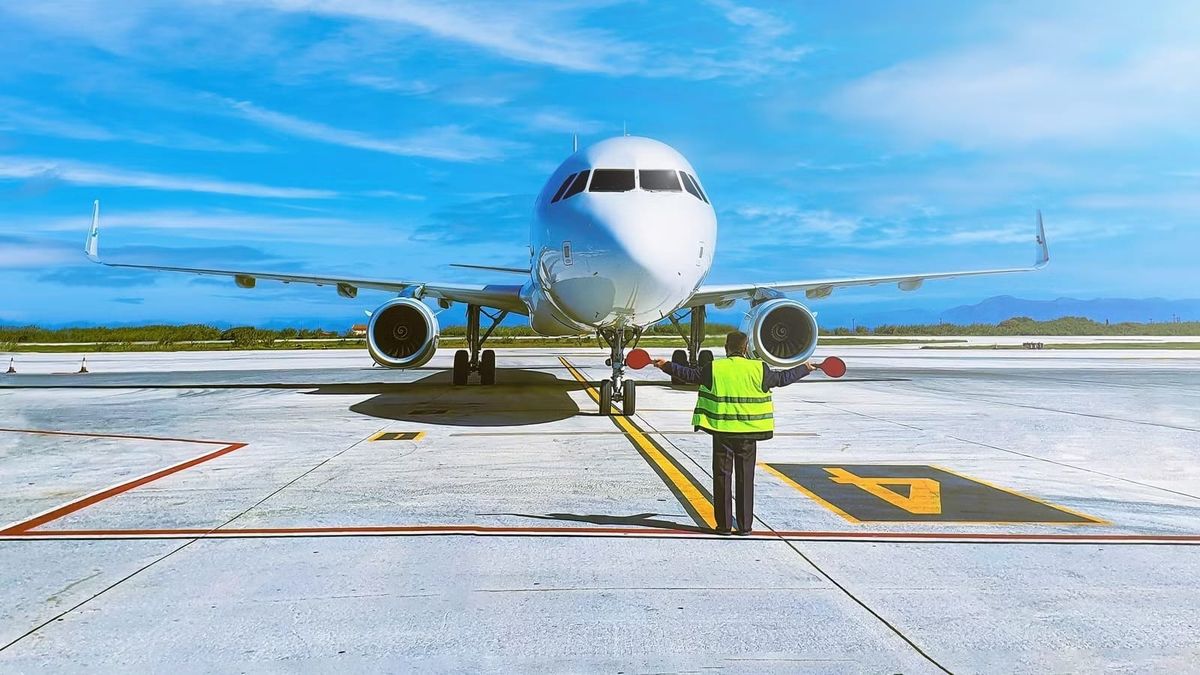
A wave of bomb threats targeting passenger aircraft across Europe has prompted emergency diversions, military fighter jet escorts and security searches. However, with more than 25,000 flights scheduled across European airspace on Thursday alone, the number affected remains relatively small, and extensive safety procedures are already in place to protect passengers.
At least 27 flights were targeted on Thursday, 5 November 2026, with further threats investigated at Copenhagen Airport on Friday. Despite the disruption, the affected aircraft have arrived safely, and no explosives have been discovered in the reported searches.
For travellers concerned about upcoming journeys, there is reassurance in the scale of aviation security operations, including Britain’s highly trained RAF crews who remain ready to defend UK airspace around the clock.
How Many Flights Have Been Affected?
The incidents have affected more than 30 flights across Europe this week, involving airlines including Aer Lingus, Ryanair, easyJet, Finnair, Wizz Air and LOT Polish Airlines.
To put the disruption into perspective, European air traffic organisation EUROCONTROL recorded 25,072 scheduled flights on Thursday, compared with at least 27 reported as targeted by bomb threats.
That represents approximately 0.11% of scheduled flights, or around one affected aircraft for every 929 flights. The comparison illustrates the scale of reported disruption, rather than an individual passenger’s risk of encountering a genuine bomb.
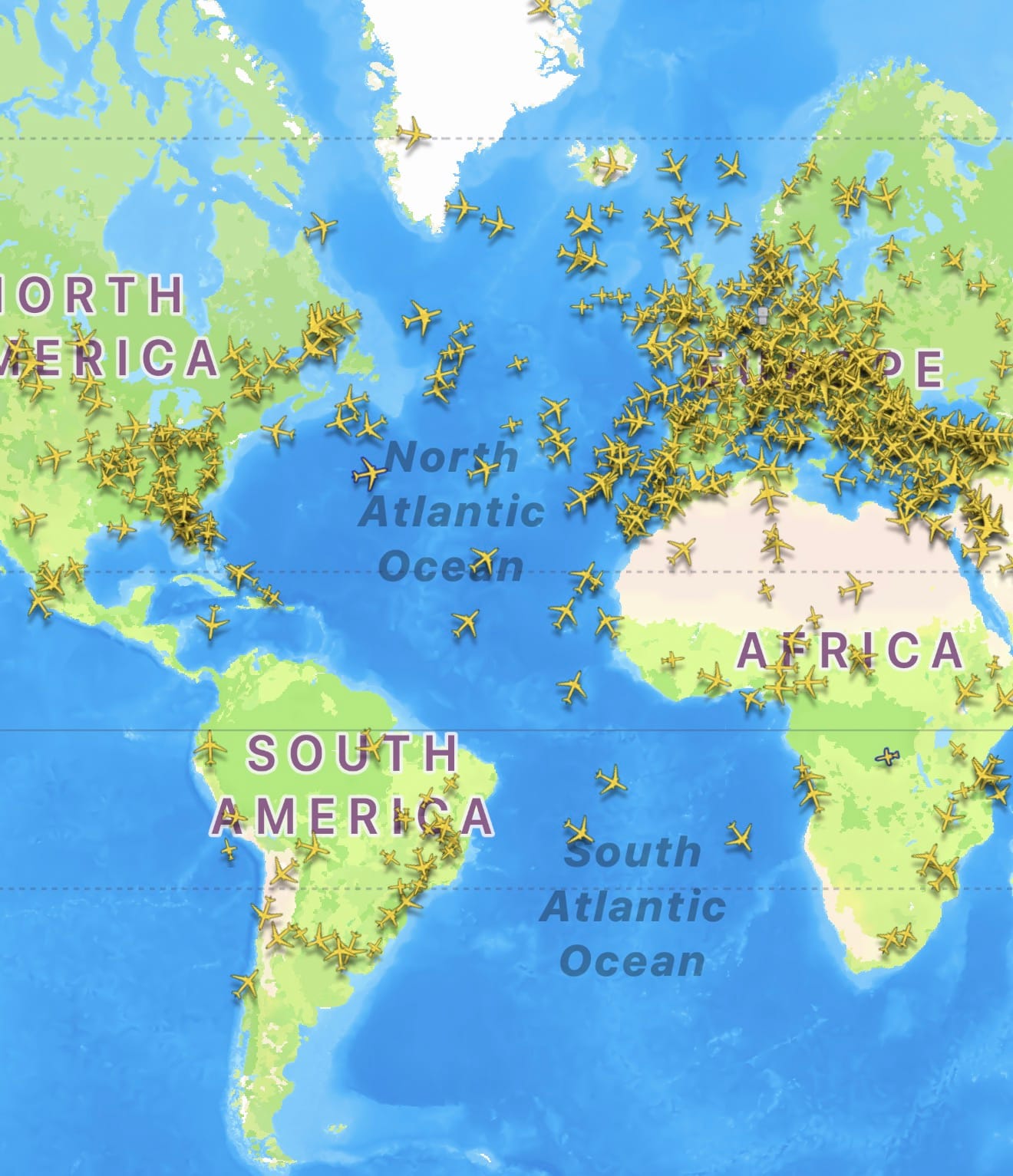
EUROCONTROL recorded 11.12 million flights during 2025, averaging 30,474 every day. Its figures also show that, at one particularly busy moment in September 2024, 4,577 aircraft were simultaneously airborne over Europe, carrying an estimated half a million people.
Those figures demonstrate the enormous scale of European aviation and the extensive air traffic management system supporting it.
Which Flights Have Needed Fighter Jet Escorts?
Military aircraft have already been deployed in several countries during this week’s incidents.
An Aer Lingus flight travelling from Dublin to Rome was diverted to Évreux military airbase in France after a security alert. French fighter jets escorted the aircraft, carrying 151 passengers and six crew, and bomb disposal specialists were called in.
Bulgaria’s air force escorted three Ryanair services arriving from Copenhagen, Madrid and London Stansted. Two reached Sofia, while the London service was diverted to Plovdiv.
Italian fighter jets accompanied a Finnair flight from Helsinki to Rome, while Hungarian military aircraft escorted a Wizz Air service from London Luton to Sofia that diverted to Budapest earlier in the week.
These escorts demonstrate the ability of European air forces to respond when national authorities consider military assistance necessary.
Importantly, fighter jets accompanying a passenger aircraft do not automatically indicate that explosives have been discovered.
Why Are These Threats Happening?
European investigators are examining whether the warnings are connected, although responsibility has not been established.
Many were delivered through anonymous emails, raising the possibility of coordinated hoaxes, copycat activity or deliberate attempts to cause costly disruption to airlines and airports.
Security specialists have also discussed the possibility of hybrid warfare, where intimidation and disruption are used to place pressure on countries without a conventional military attack.
Some threatening messages claimed an association with a Russian extremist movement. However, their authenticity has not been established, and there is no verified evidence that a foreign government or particular organisation is responsible.
Aviation security specialists have warned that a single diversion can create substantial costs through additional fuel, replacement crews, missed connections and passenger accommodation.
Whatever the motive, the warnings are being investigated as serious security incidents.
What Happens When an Airline Receives a Bomb Threat?
The aviation industry has established procedures for assessing potential threats, rather than automatically diverting every aircraft.
The British Airline Pilots’ Association has explained that specialist assessors evaluate warnings using three classifications: red for credible, amber for partially credible and green for not credible.
For aircraft already airborne, only red and green classifications are used.
When a warning is considered credible, the flight crew is informed immediately. The captain then follows established procedures, deciding how best to protect the aircraft and those on board.
This may involve diverting to a suitable airport, coordinating with air traffic controllers or requesting emergency assistance.
Aircraft on the ground may be evacuated, while police and specialist security teams carry out appropriate checks.
These procedures allow trained professionals to assess the information available and take proportionate precautions rather than making decisions based on speculation.
How Does the RAF Protect British Airspace?
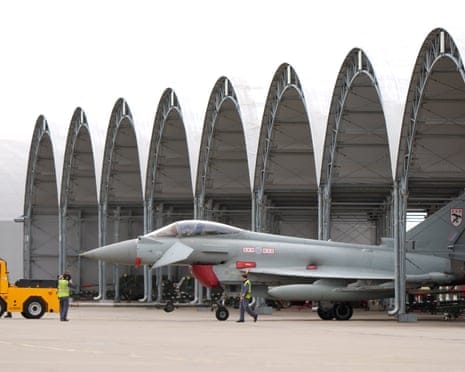
Behind Britain’s air defence capability is an extraordinary team of RAF personnel who remain prepared to respond every hour of every day.
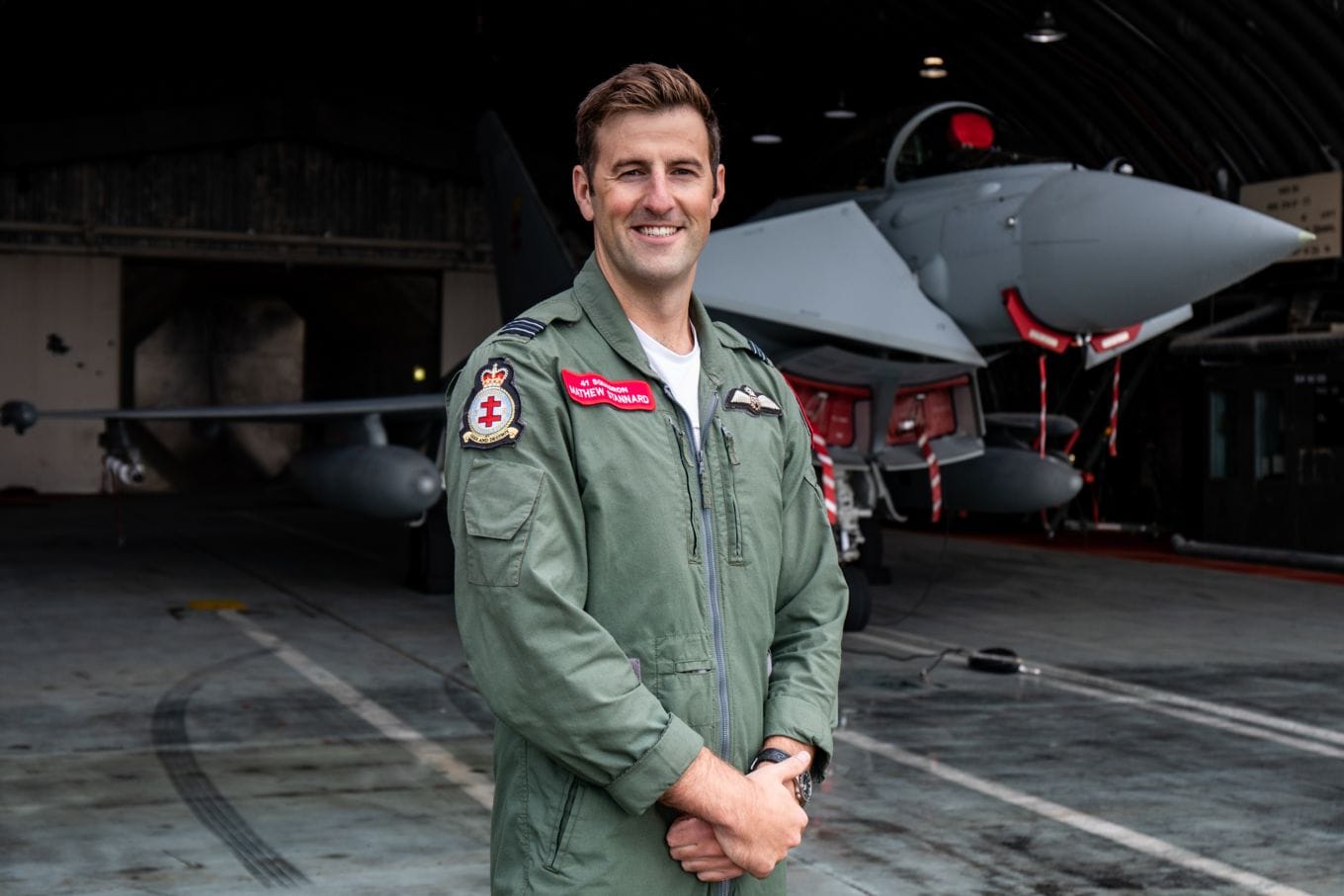
At RAF Coningsby in Lincolnshire and RAF Lossiemouth in Scotland, Eurofighter Typhoon aircraft are maintained at constant readiness under the Quick Reaction Alert (QRA) system.
The RAF publicly lists a two-minute scramble capability for QRA North, demonstrating the speed at which specially prepared crews can respond when required.
However, protecting British skies involves far more than the pilots who take the aircraft into the air.
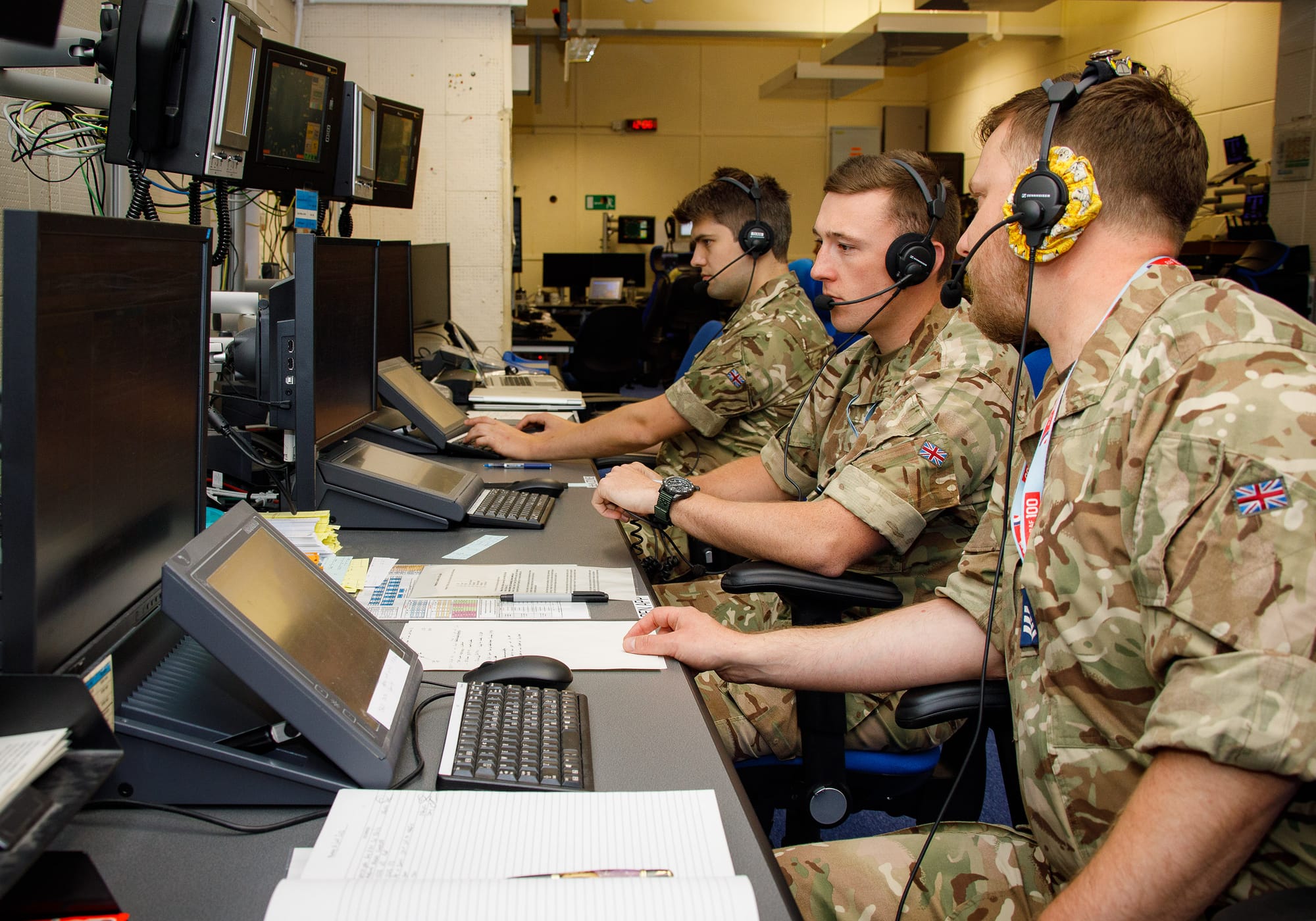
At RAF Boulmer in Northumberland, military specialists use information from radar systems, civilian air traffic services and other sources to monitor aircraft activity around the UK.
The National Air and Space Operations Centre coordinates the wider response, while specialist air traffic controllers help military aircraft navigate safely through busy civilian airspace.
Engineering teams, maintenance personnel, radar operators and support crews all play essential roles in keeping the operation ready.
Nearly 3,000 military personnel, civil servants and contractors work at RAF Coningsby across its various operations, including frontline squadrons and Typhoon training.
The professionalism and dedication required to maintain this level of preparedness deserve considerable recognition. While most passengers never see their work, RAF personnel continue training, monitoring potential threats and maintaining aircraft throughout the year.
Has the RAF Been Scrambled Recently?
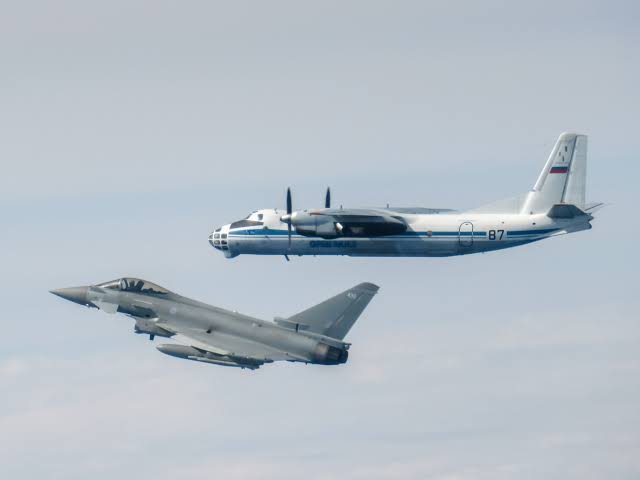
The RAF’s Quick Reaction Alert operation is far from a historical arrangement.
On 14 April 2026, two Typhoon aircraft were scrambled from RAF Lossiemouth after unidentified aircraft were tracked approaching British airspace.
A Voyager refuelling aircraft from RAF Brize Norton supported the operation. The unidentified aircraft remained outside the area of concern, so no interception was required.
The RAF also confirmed in April that its Quick Reaction Alert operations remain active 24 hours a day, seven days a week, with aircraft ready to launch within minutes.
There has been no confirmed RAF scramble specifically connected to this week’s European bomb threats. The reported military escorts were conducted by other countries’ air forces.
Nevertheless, the RAF’s continued preparedness provides an important additional layer of protection for British airspace, working alongside civilian aviation authorities.
Watch Inside the RAF’s Quick Reaction Alert Team
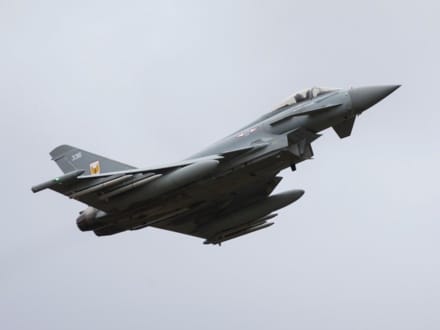
For passengers interested in how Britain’s air defence system operates, a fascinating 23-minute documentary provides rare access to the people responsible for protecting UK skies.
Filmed at RAF Coningsby in 2015, the programme follows Typhoon pilots, ground crews and military personnel as they explain the training, preparation and responsibilities involved in responding to potential airborne threats.
Although the documentary is more than a decade old, the fundamental Quick Reaction Alert operation remains active today.
Watch the video - Fly With RAF’s Quick Reaction Alert Crews
*Video credit: Sky News, 14 September 2015. This archive documentary explains the RAF’s air defence operation and is not footage of the November 2026 incidents.
What Should Passengers Do If Their Flight Is Affected?
Travellers with upcoming flights across Europe should continue checking official airline websites and mobile applications for updated departure information.
Passengers should not automatically cancel their travel plans because of the reported threats. Unless their airline advises otherwise, they should continue making their usual travel arrangements.
If an aircraft is delayed, diverted or held for security checks, passengers should follow instructions from cabin crew, airport personnel and emergency services.
Travellers should keep essential medication, travel documents and contact details accessible in their hand luggage, while avoiding unverified reports circulating on social media.
For passengers already aboard an aircraft, the flight crew will provide any instructions necessary for their safety.
What Are Your Rights If Your Flight Is Delayed?
Passengers whose flights are covered by UK261 or EU261 legislation may be entitled to assistance if a security incident disrupts their journey.
Depending on the length of the delay and the journey involved, airlines may need to provide refreshments, communication facilities and, where necessary, overnight accommodation and transport.
Passengers whose flights are cancelled will generally have rights to reimbursement or alternative travel under the applicable regulations.
Bomb threats may qualify as extraordinary circumstances, potentially affecting eligibility for additional financial compensation. However, airlines cannot automatically disregard their responsibilities to provide care and assistance.
UK261 and EU261 coverage depends on factors including departure location, destination and airline, so passengers should check the rules applying to their particular journey.
Further information is available through the UK Civil Aviation Authority’s passenger rights guidance.
Is It Still Safe to Fly Across Europe?
The recent incidents are understandably concerning, particularly when footage shows fighter jets escorting commercial aircraft.
However, the responses also demonstrate that airlines, pilots, security specialists, air traffic controllers and military personnel are prepared to act when potential threats are identified.
Across Europe, tens of thousands of flights continue operating daily, supported by established aviation safety procedures.
In Britain, the RAF’s dedicated Quick Reaction Alert crews provide further reassurance that highly trained professionals are continuously monitoring and protecting UK airspace.
No aviation security system can eliminate every possible risk. Nevertheless, the preparedness of the people responsible for protecting aircraft, airports and passengers is a strong reason for travellers to remain confident when flying.
For now, passengers should follow official travel advice, stay informed about their individual flights and remember that the presence of additional security measures is evidence of precautions being taken, not proof of immediate danger.