Derry Girls Stars Back AI Voice Campaign as Petition Passes 10,000 Signatures
Siobhán McSweeney, Nicola Coughlan and other stars back Save Our Voices Now as its petition passes 10,000 signatures, triggering a UK Government response.

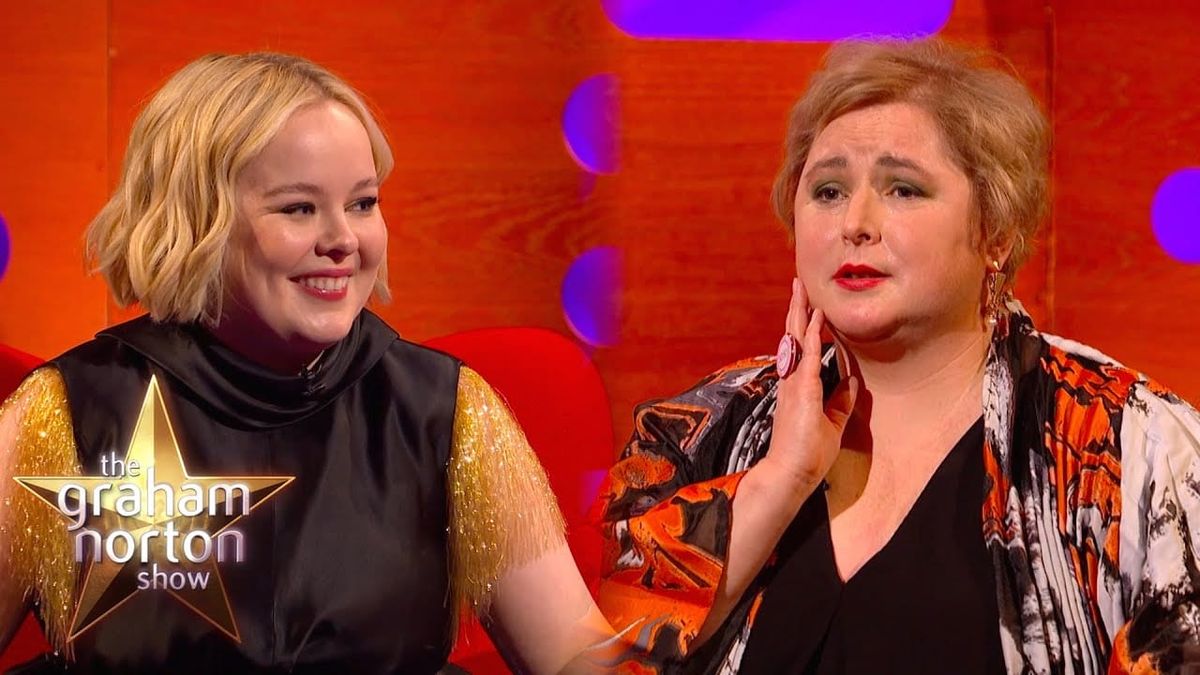
Derry Girls stars Siobhán McSweeney and Nicola Coughlan are among around 80 performers backing a campaign against unauthorised AI voice cloning, with a parliamentary petition now passing 10,000 signatures.
Save Our Voices Now has secured a significant development in its campaign for stronger UK legal protections. Parliament confirmed on 3 November 2026 that the petition had crossed the threshold requiring a Government response, with the total reaching 10,356 signatures by the morning of 5 November.
The campaign is calling for clearer rights over people’s voices as artificial intelligence makes it increasingly possible to reproduce speech without the original speaker’s involvement.
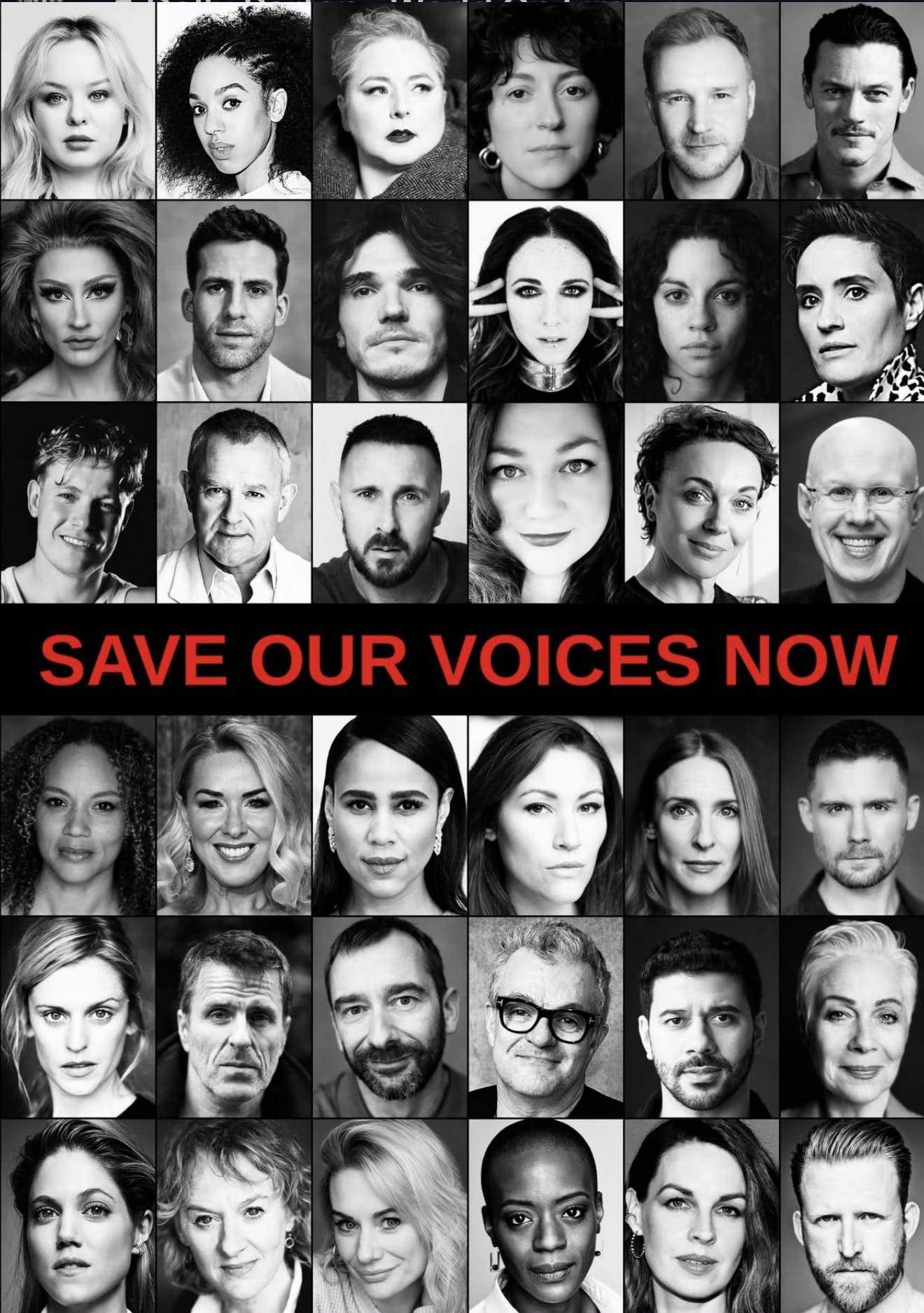
Which celebrities are supporting Save Our Voices Now?
Alongside Siobhán and Nicola, the campaign’s supporters include Hugh Bonneville, Matt Lucas, Luke Evans, Pearl Mackie and comedian Jen Brister.
Siobhán, who played Sister Michael in Derry Girls and presents The Traitors Ireland, has expressed concern that protections for performers are struggling to keep pace with rapidly developing technology.
“My voice is one of my tools,” she said, while arguing that artificial intelligence should be used alongside human creativity rather than replacing it.
Hugh Bonneville, familiar to audiences from Downton Abbey and Paddington, also spoke about the personal significance of a recognisable voice.
“My voice is unique, it’s mine, it’s part of my identity,” he said.
Their comments highlight concerns about AI-generated performances being produced without an actor’s permission or involvement.
Who started the campaign?
Save Our Voices Now was founded by actor and voice artist Peter Caulfield, who wants stronger protection against unauthorised digital reproductions.
The campaign gathered around 80 signatures for an open letter during the summer, bringing together performers from television, film, theatre and comedy.
Its parliamentary petition, titled Strengthen copyright laws on our voices, was published on 6 July 2026.
Campaigners argue that voices are both personal characteristics and, for professional performers, an important part of their work. They want clearer legal protections to prevent recordings and synthetic performances from being exploited without meaningful consent.
What happens now the petition has passed 10,000 signatures?
Reaching 10,000 signatures means the UK Government must issue a formal response, although it does not automatically introduce new legislation.
The petition remains open until 6 January 2027. If it reaches 100,000 signatures, it will be considered for debate in Parliament, but a debate is not guaranteed.
The Government is already examining whether additional legal protections are needed for AI-generated copies of people’s voices and appearances.
For Save Our Voices Now, the petition milestone provides an opportunity to press ministers for a clearer position on the issue.
Readers can view or sign the official parliamentary petition, follow Save Our Voices Now on Instagram and visit Siobhán McSweeney’s Instagram.