Could AI Scammers Target Your Missing Pet?
AI scammers are targeting missing cats and dogs with fake photographs, reward demands and threats. Discover real cases and how to protect your pets.

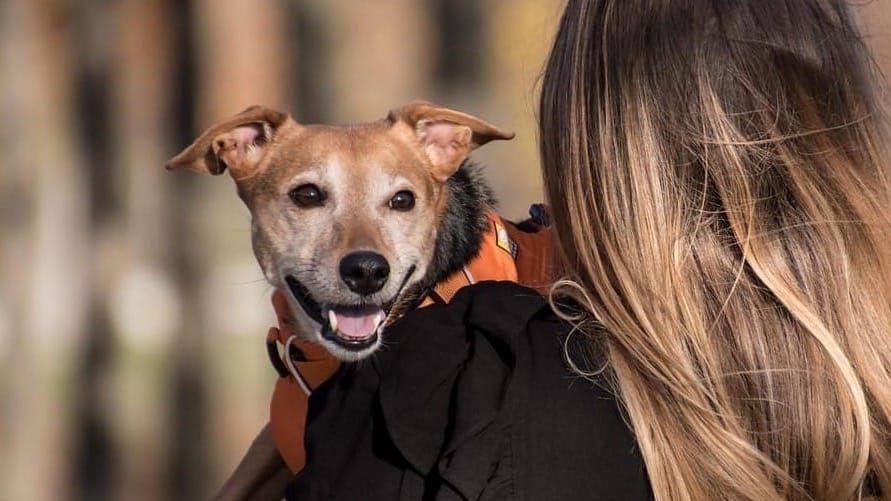
Losing a beloved pet is distressing enough, but a growing form of online fraud is making the search even harder. Criminals are using artificial intelligence to create convincing photographs of missing cats and dogs, claiming to have found them before demanding money from their owners.
Recent cases in Britain, Australia and Canada show how scammers can exploit missing-pet appeals shared on social media. Some have demanded gift cards, others have invented veterinary emergencies, and several owners have received threats against animals that the scammers have never proved they possess.
How Are AI Scammers Targeting Missing Pets?
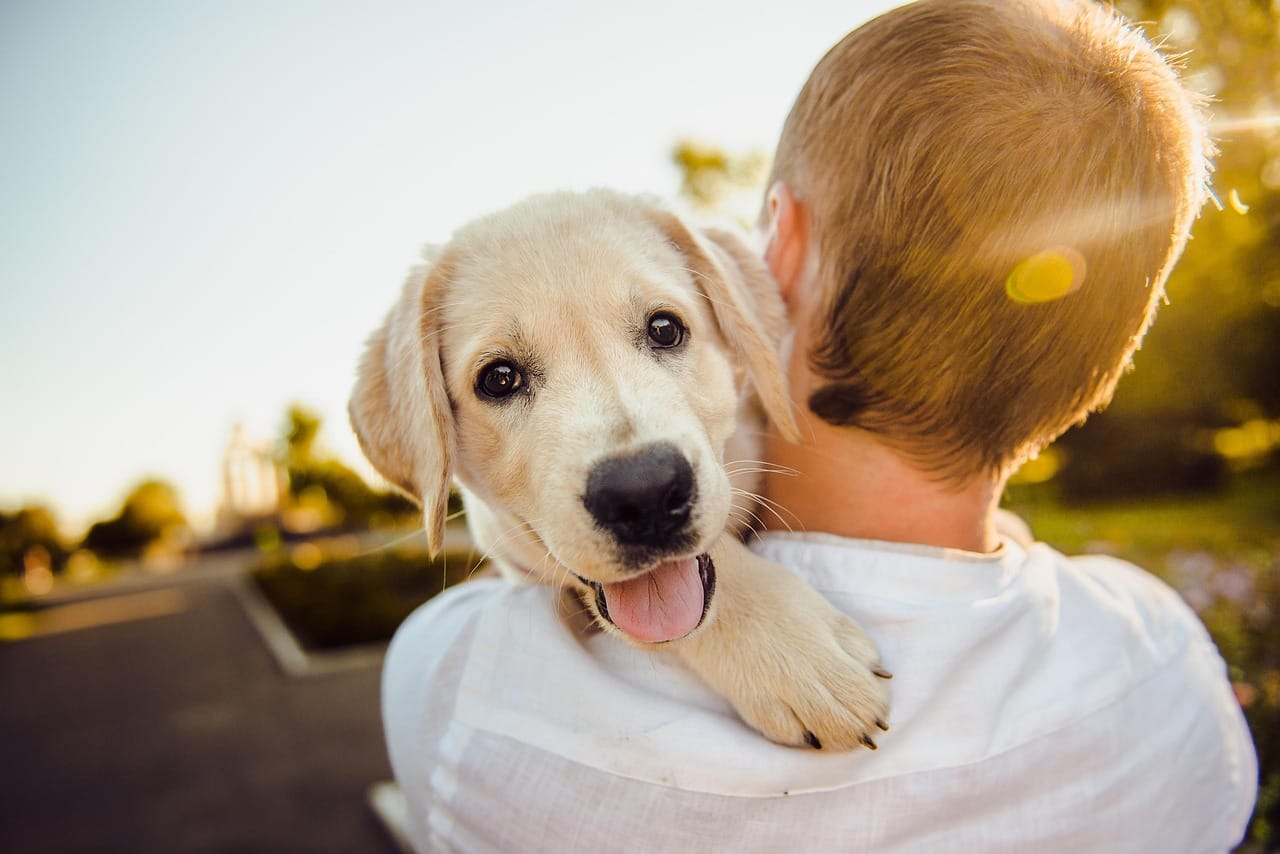
The scam often begins when an owner posts photographs of a missing animal on Facebook, a local community group or a pet-search website.
Criminals can use those images to generate new pictures showing the animal in an unfamiliar garden, home or veterinary setting. The resulting photographs may look convincing enough to suggest that somebody has genuinely found the pet.
The person contacting the owner then requests money, sometimes claiming they need help with veterinary bills, transport or a reward before arranging a reunion.
The photographs are particularly concerning because they can appear to provide visual evidence even when the sender has never seen the missing animal.
Three British Cat Owners Targeted
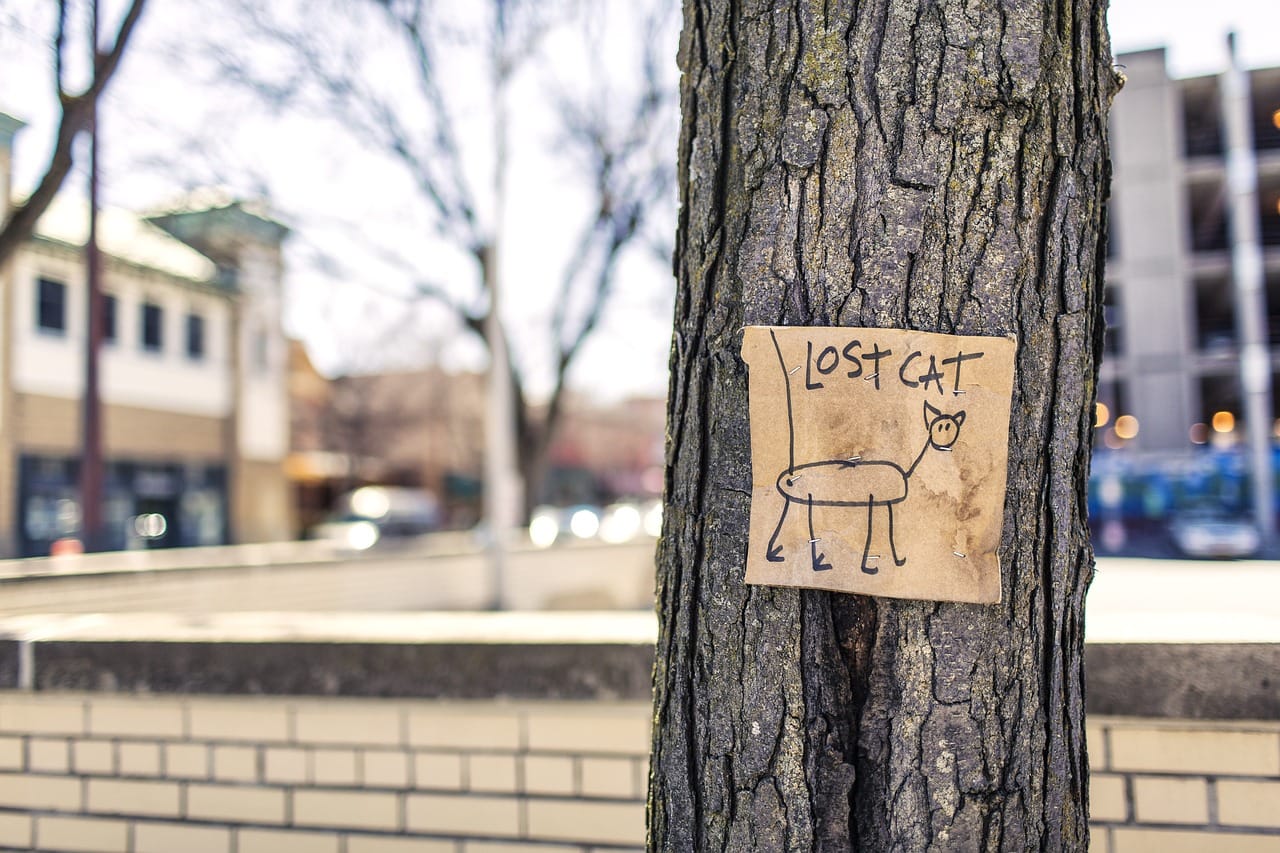
Stephanie Young, from Birmingham, was searching for her missing cat Buddy when someone calling herself Melissa sent photographs claiming to show him.
Stephanie believed she was about to be reunited with Buddy and arranged to collect him. However, the person failed to appear and instead demanded 100 Apple gift cards.
When Stephanie discovered the photographs were AI-generated and questioned the claims, she received threats that Buddy would be sold or killed.
Another owner, Cam Chauhan from Wednesbury, received a photograph resembling her missing cat Creed. The sender demanded a £200 Apple gift card before arranging a reunion, but Cam refused to pay without first seeing her pet.
In Northampton, Sarah Robinson was contacted by someone claiming to have found her missing cat Cookie. She received a photograph resembling Cookie, followed by an extraordinary demand for £40,000 and threats against the animal.
These cases illustrate how the same approach can be adapted to different owners, using fabricated photographs and emotional pressure to demand payment.
Missing Dogs Are Being Targeted Too
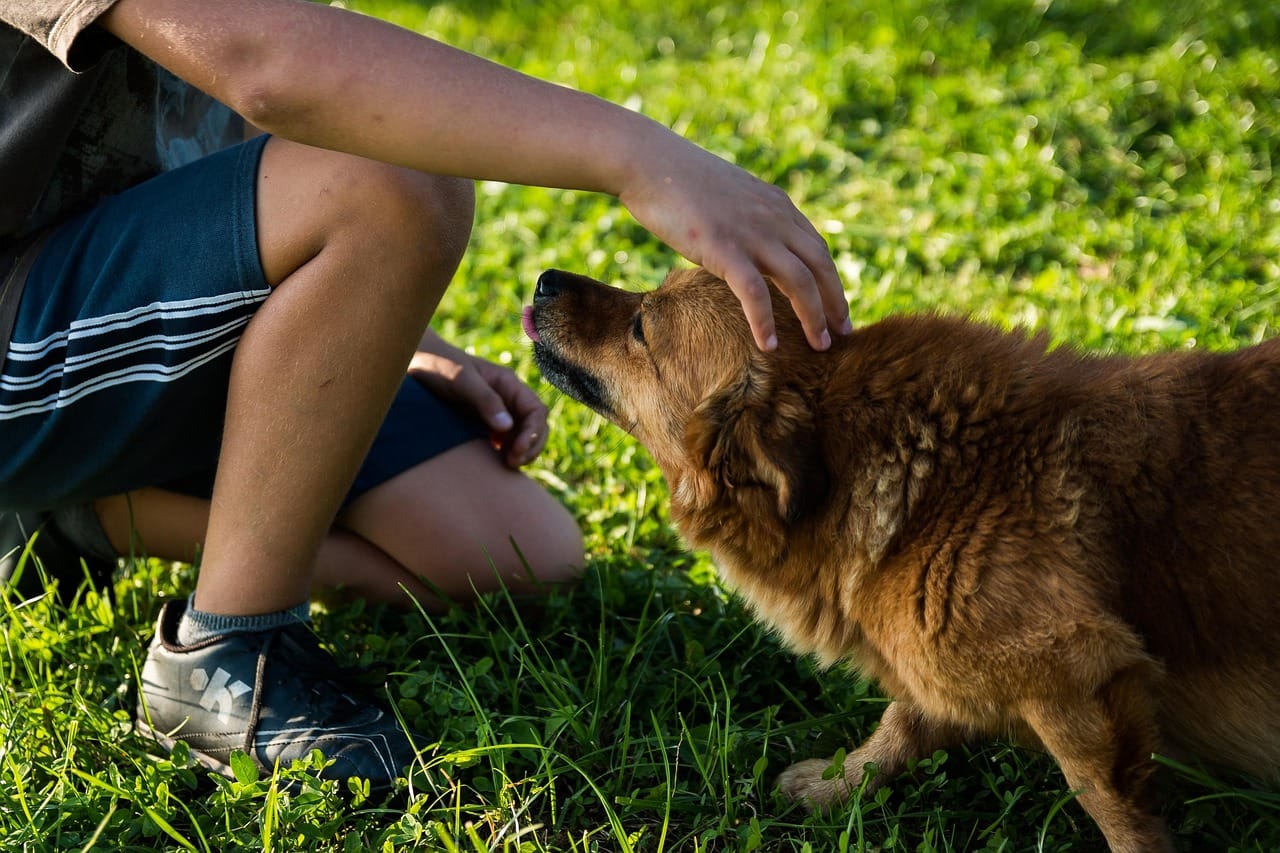
The problem extends beyond cats. In Western Australia, Westyn Ruyter was searching for his missing Irish wolfhound, Bundy, after offering a substantial reward for his return.
He subsequently received AI-generated images purporting to show the dog, adding to the distress of an already difficult search.
Australian consumer authorities have acknowledged reports of scams targeting people searching for missing pets.
In Canada, police in Guelph also investigated an incident involving a missing cat whose owner received an AI-generated photograph after making an initial payment. The person demanding money then requested further funds.
Police reported another case involving a missing dog, demonstrating that criminals may target owners of different animals using similar tactics.
Scammers Can Pretend to Be Vets and Animal Charities
Not every missing-pet scam begins with an AI photograph.
Fraudsters may impersonate veterinary practices, animal shelters or rescue organisations, claiming that a missing animal has been found but requires urgent treatment.
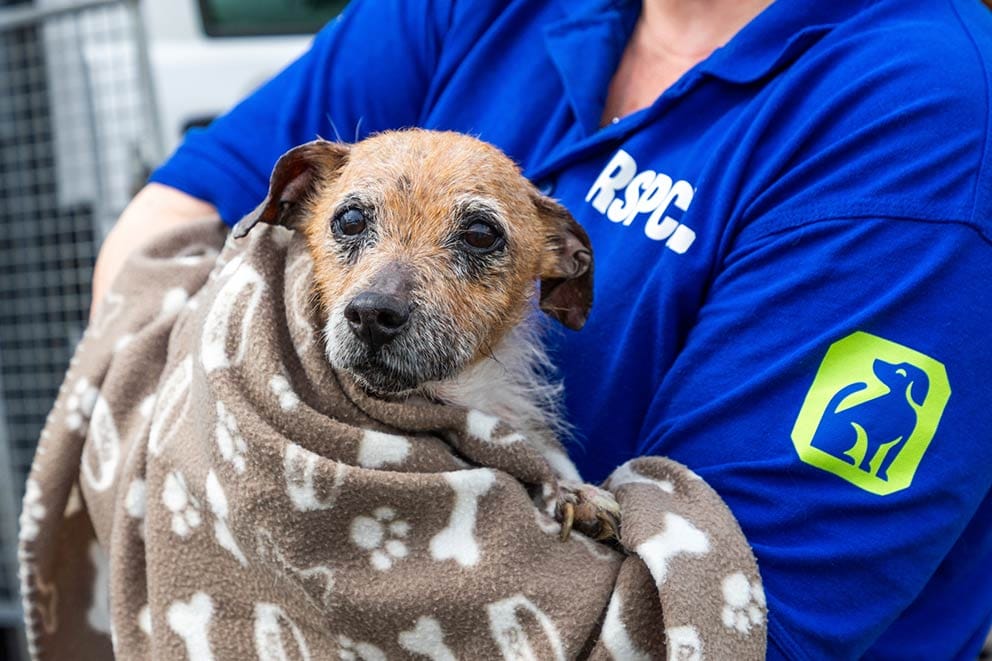
The RSPCA has warned that criminals sometimes pretend to represent the charity and demand money for veterinary treatment or the return of missing pets.
The charity does not request payment for veterinary care for missing animals over the telephone.
Anyone receiving such a call should independently contact the organisation using its official details rather than relying on the number provided by the caller.
AI-generated images and videos can make these impersonation attempts more convincing, particularly when combined with information taken from public missing-pet appeals.
How Can You Tell Whether a Photograph Is Fake?
AI-generated images are becoming increasingly difficult to identify through appearance alone.
Unusual markings, distorted backgrounds or inconsistent details can sometimes raise suspicion, but an image that looks convincing should not automatically be considered genuine.
Owners can ask for a live video call or request details about distinctive features that were not visible in the original missing-pet appeal.
A photograph showing a different angle may provide useful additional information, although photographs and videos can also be manipulated.
The safest approach is to verify the person’s claim independently and arrange to see the animal before handing over money.
Should You Offer a Reward for a Missing Pet?
Offering a reward can encourage people to report genuine sightings, but it may also attract fraudulent messages.
Owners should avoid paying money before their pet has been positively identified and safely returned.
Requests for Apple gift cards, cryptocurrency, bank transfers or urgent online payments should be treated with particular caution.
Scammers may claim that payment is needed immediately because the animal is injured, being transported or about to be handed to somebody else.
Threats and attempts to rush a decision are additional warning signs.
What Should You Do If Your Pet Goes Missing?
The RSPCA recommends contacting your pet’s microchip database to report the animal missing, alongside local veterinary practices, animal hospitals and rescue centres.
Owners can also register missing animals through Animal Search UK and check local social media groups for genuine sightings.
For missing dogs, contacting the local council’s dog warden service can help establish whether the animal has been found.
When publishing an appeal, use clear photographs and an accurate description, but consider keeping a distinctive feature private so that someone claiming to have found the animal can be asked to identify it.
Make sure microchip contact details are current and avoid publishing unnecessary personal information.
What if someone threatens to harm my pet?
Owners receiving threats should preserve screenshots, messages, payment requests, usernames and contact details.
Do not assume the person making the threats actually has the animal, particularly if they refuse to provide independently verifiable evidence.
If money has already been transferred, contact the bank or payment provider immediately.
Suspected fraud in England, Wales and Northern Ireland can be reported through Report Fraud. In Scotland, suspected fraud should be reported to Police Scotland.
Anyone facing an immediate threat should contact police.