UK Plans Wider AI Facial Recognition Use at Transport Hubs and Public Events
UK facial recognition plans could bring AI cameras to transport hubs and public events. Explore the Home Office trials, privacy safeguards and proposals.


The UK Home Office is developing plans to expand its use of artificial intelligence-powered facial recognition cameras, potentially bringing the technology to transport hubs, ports and major public events as part of immigration enforcement operations.
Updated government documents reveal how live facial recognition could be used to identify people facing removal, those subject to deportation orders and individuals actively sought for immigration-related offences or enforcement action.
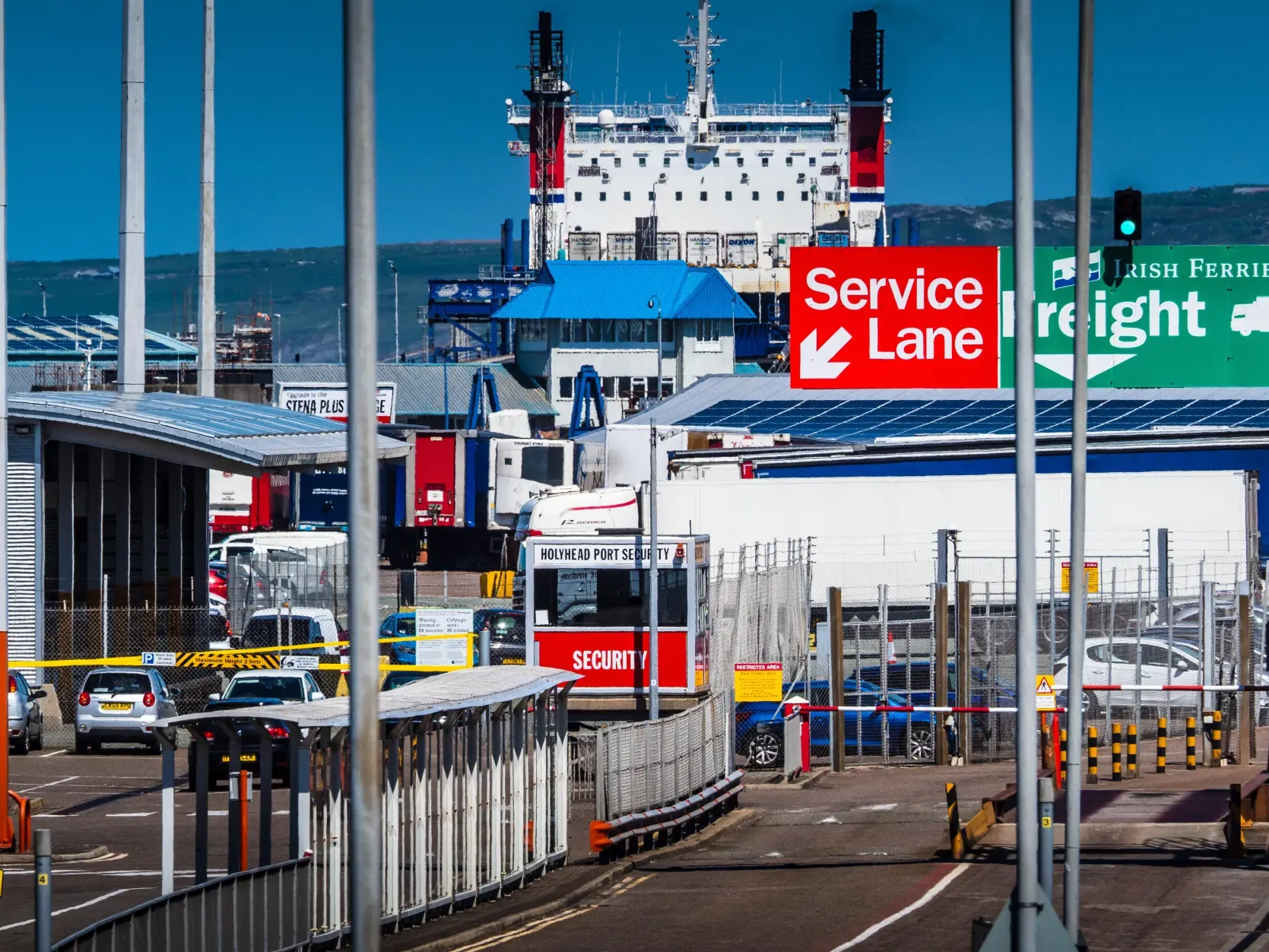
The development follows trials at Holyhead Port in North Wales, where cameras recorded more than 10,000 facial observations.
How Will the AI Cameras Identify People?
Live facial recognition uses specially positioned cameras to capture faces as people pass through a designated area.
Artificial intelligence converts facial features into numerical biometric templates, comparing them against photographs of individuals on an authorised immigration enforcement watchlist.
If the software identifies a possible match, it sends an alert to trained officers, who must review the identification before deciding whether further action is justified.
The Home Office states that the technology does not automatically authorise arrests or detention, with decisions remaining the responsibility of immigration officers.
What Did the First Trials Reveal?
Official deployment records show that 10,264 facial observations were recorded at Holyhead between November 2025 and February 2026.
The cameras generated two positive alerts, while officers recorded four positive interventions and three arrests or other enforcement disposals.
No incorrect alerts were reported, although the figures cannot establish how many individuals on the watchlists might have passed through without being identified.
Privacy Concerns and New Government Safeguards
The potential expansion raises wider questions about biometric surveillance, particularly because cameras also process the faces of people who are not suspected of wrongdoing.
The Home Office says biometric data from individuals who do not trigger an alert is automatically deleted, while deployments must be authorised, necessary and proportionate.
A separate government announcement on 4 November outlined plans for new legislation governing law enforcement facial recognition, alongside an independent oversight body and stronger requirements for accuracy and bias testing.
Those proposals are not yet law, and the precise arrangements for future immigration enforcement deployments have not been announced.
The Home Office has not confirmed a nationwide installation schedule, individual airport locations or the total cost of expanding the programme.