Hungary Removes Anti-LGBTQ+ Provisions but Wider Restrictions Remain
Hungary’s parliament voted on 13 October 2026 to remove provisions from an Orbán-era law targeting LGBTQ+ content, but wider restrictions remain.

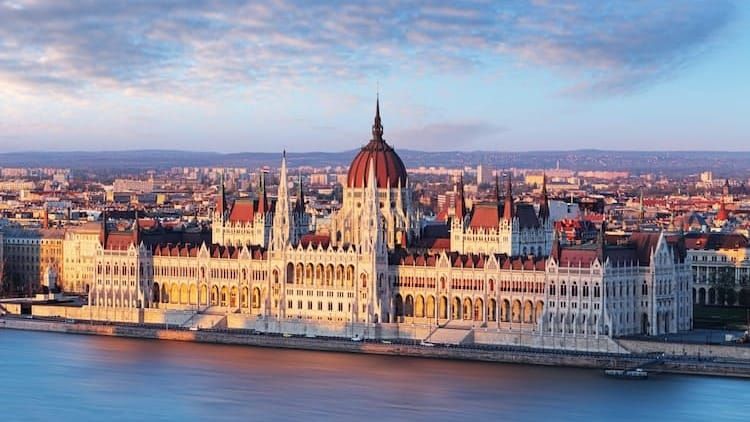
Hungary’s parliament voted on 13 October 2026 to remove anti-LGBTQ+ provisions from a law introduced under former prime minister Viktor Orbán, marking a significant reversal while leaving broader concerns about LGBTQ+ rights unresolved.
The vote was reported as 139 lawmakers in favour and 51 against. The provisions were part of the country’s 2021 child-protection legislation, which restricted the portrayal or promotion of LGBTQ+ identities in content accessible to children.
The law drew sustained criticism from LGBTQ+ rights organisations and European institutions, which argued that it stigmatised LGBTQ+ people by placing restrictions on how their lives and identities could be represented. Its effects were felt in areas including media, education and public discussion.
The parliamentary move signals a change in direction under the government of Péter Magyar, who succeeded Orbán after Hungary’s political shift. However, removing these provisions does not automatically resolve every legal or practical barrier affecting LGBTQ+ people in the country.
The distinction matters because rights can be affected by several layers of legislation, policy and enforcement. A parliamentary vote may remove specific wording from one law, while other restrictions or discriminatory practices can continue unless they are separately addressed.
The decision is therefore a notable development, but it should not be read as evidence that Hungary has fully reversed its record on LGBTQ+ equality. The next questions concern how the change is implemented, whether remaining restrictions are challenged and what further steps the government takes.
For LGBTQ+ people and campaigners in Hungary, the vote offers a sign that a controversial part of the previous government’s approach may be rolled back. The wider test will be whether that change leads to stronger protections in everyday life, including in education, public services and the media.
The outcome also carries significance beyond Hungary, where disputes over LGBTQ+ rights have become part of broader debates about democratic standards, minority protections and the role of national governments within the European Union.