How Sally Ride Made Space History and Became an LGBTQ+ Icon
Discover Sally Ride's incredible journey from NASA astronaut to LGBTQ+ icon, her historic space missions and her 27-year love story with Tam O'Shaughnessy.

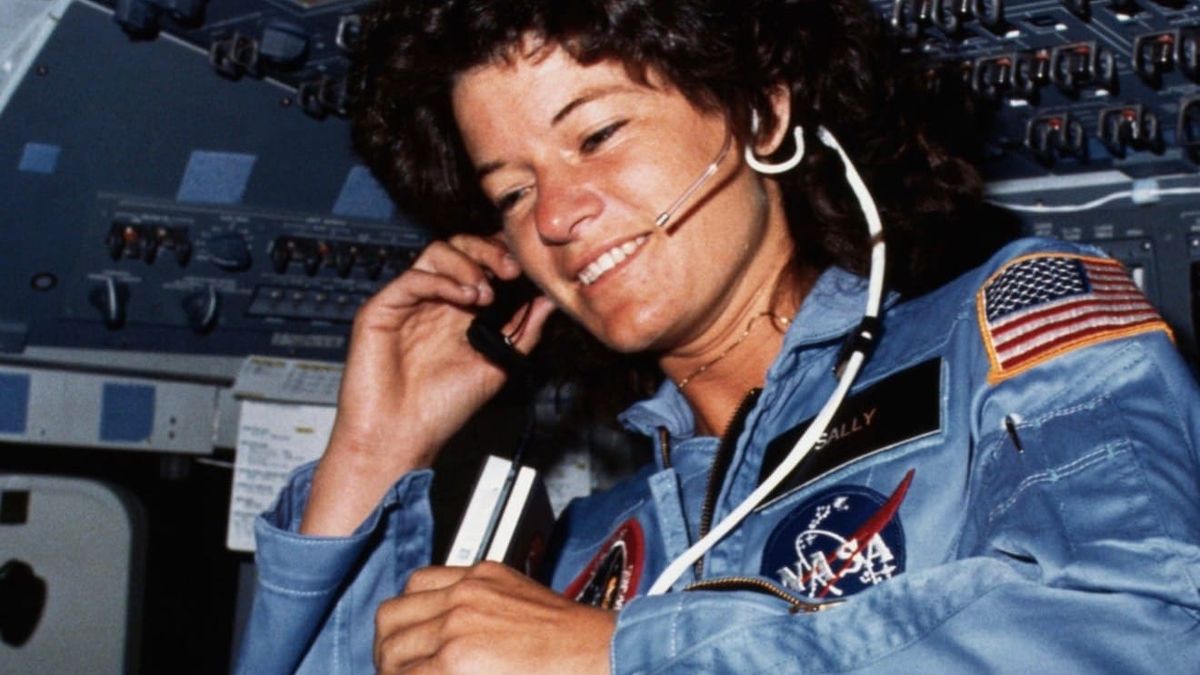
Sally Ride broke one of the greatest barriers in space exploration when she became the first American woman to travel into space. But behind her extraordinary scientific career was a 27-year love story that would also establish her place in LGBTQ+ history.
Today, Sally is celebrated as a pioneering astronaut, physicist and educator, as well as the first known LGBTQ+ astronaut, whose achievements continue to inspire generations.
The girl who reached for the stars
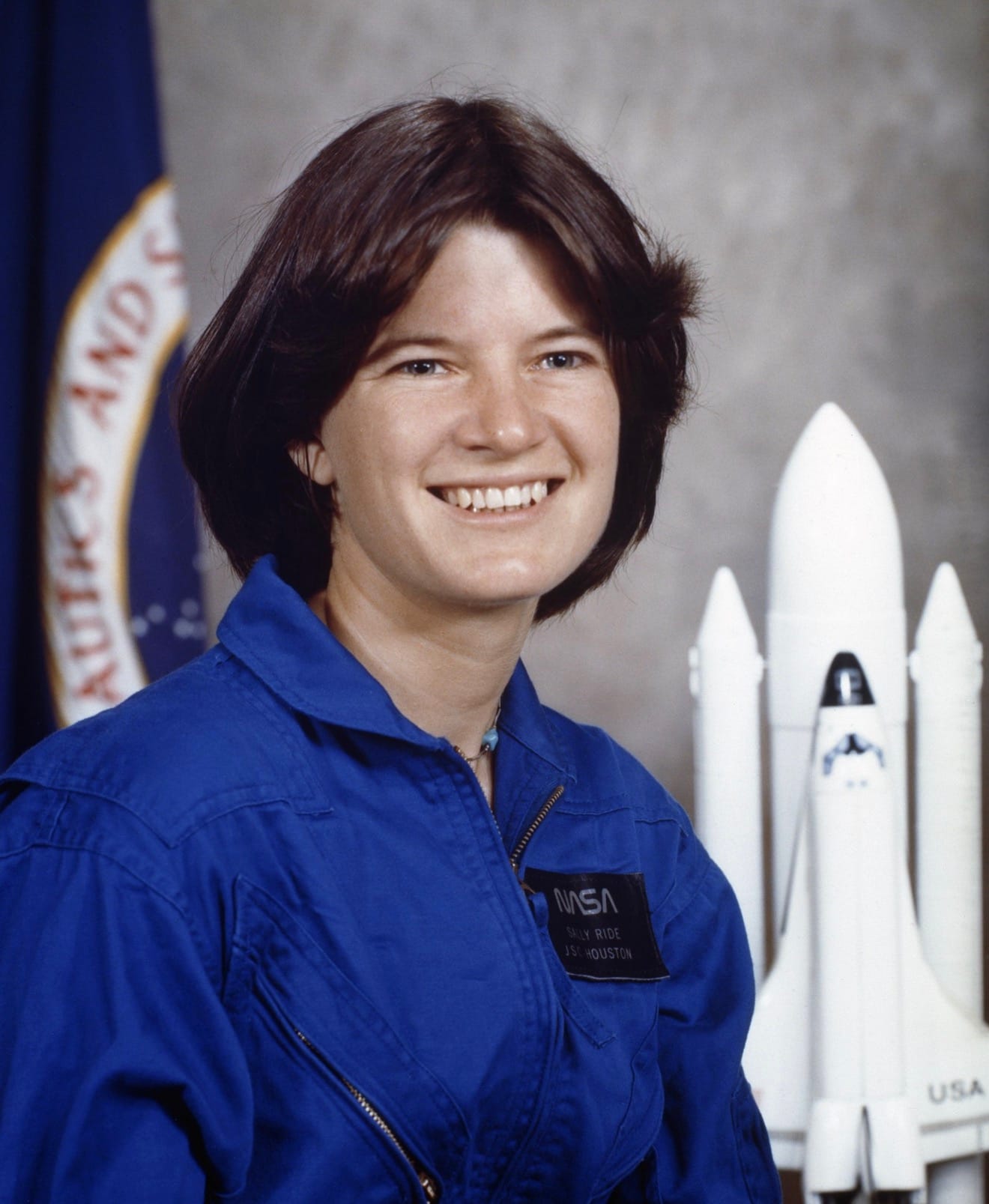
Born in Los Angeles on 26 May 1951, Sally grew up fascinated by science and competitive tennis. She earned a doctorate in physics from Stanford University before joining NASA in 1978 as one of the agency’s first six female astronaut recruits.
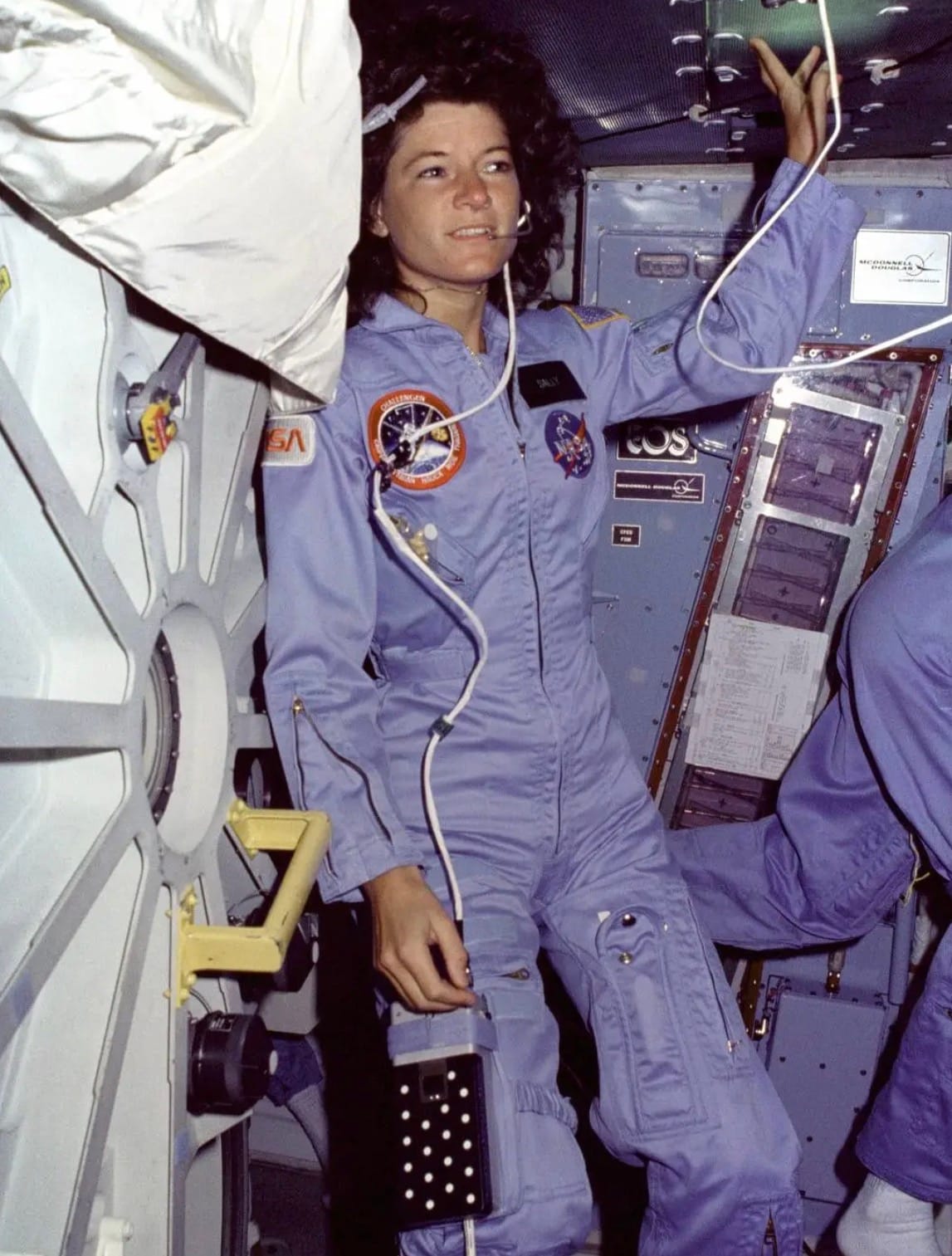
On 18 June 1983, aged 32, Sally made history aboard the space shuttle Challenger, becoming the first American woman in space. Soviet cosmonaut Valentina Tereshkova had become the world’s first woman in space in 1963, exactly 20 years earlier.
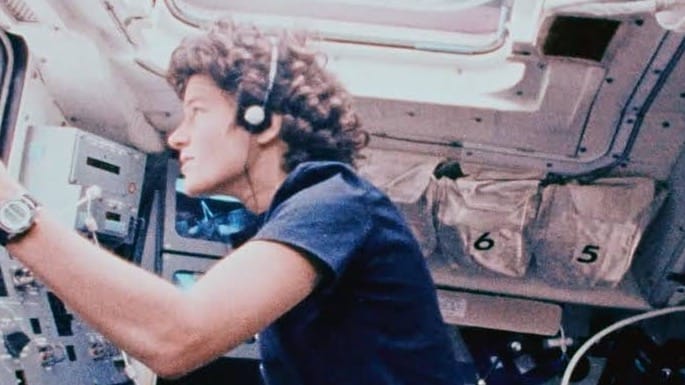
During her six-day mission, Sally operated the shuttle’s robotic arm to deploy and retrieve the experimental SPAS-01 satellite, a significant achievement in the development of space operations.
She returned to space aboard Challenger in October 1984 and later became the only person to serve on the investigation commissions examining both the Challenger disaster in 1986 and the Columbia disaster in 2003.
After retiring from NASA in 1987, Sally continued her scientific career, becoming a professor of physics at the University of California San Diego.
The extraordinary woman who shared her life
Long before her historic space missions, Sally met Tam O’Shaughnessy through junior tennis competitions in California. Their friendship developed into a romantic relationship in 1985, beginning a partnership that would last for 27 years.
Tam was a successful professional tennis player before pursuing a career in science and education. She later became an accomplished author, writing 13 science books for children, including six with Sally.
Their shared book The Third Planet received the American Institute of Physics Children’s Science Writing Award in 1995.
In 2001, Sally and Tam joined Karen Flammer, Terry McEntee and Alann Lopes to establish Sally Ride Science, an organisation dedicated to inspiring young people, particularly girls, to pursue science, technology, engineering and mathematics.
While their relationship was known to family and close friends, Sally chose not to discuss her sexuality publicly during her lifetime.
When Sally died from pancreatic cancer on 23 July 2012, aged 61, Tam was acknowledged as her partner of 27 years in her obituary, bringing their relationship to wider public attention.
Why Sally Ride is an LGBTQ+ icon
Sally is widely recognised retrospectively as the first known LGBTQ+ astronaut, although she was never publicly out during her lifetime. Her story has become an important part of LGBTQ+ history, celebrating a woman whose professional achievements broke barriers while her personal life challenged assumptions about some of America’s most celebrated figures.
In 2013, President Barack Obama posthumously awarded Sally the Presidential Medal of Freedom, America’s highest civilian honour. Tam accepted the award on her behalf.
Her remarkable legacy has also been recognised through a US Navy research vessel named R/V Sally Ride, commissioned in 2016, and a commemorative American quarter released in 2022 featuring her image.
Sally Ride Science continues its educational work through UC San Diego, with Tam serving as executive director. The organisation celebrated its 25th anniversary in 2026, continuing the mission Sally and her colleagues began.
Their relationship is also explored in the 2025 documentary Sally, available to stream on Disney+ in the UK.
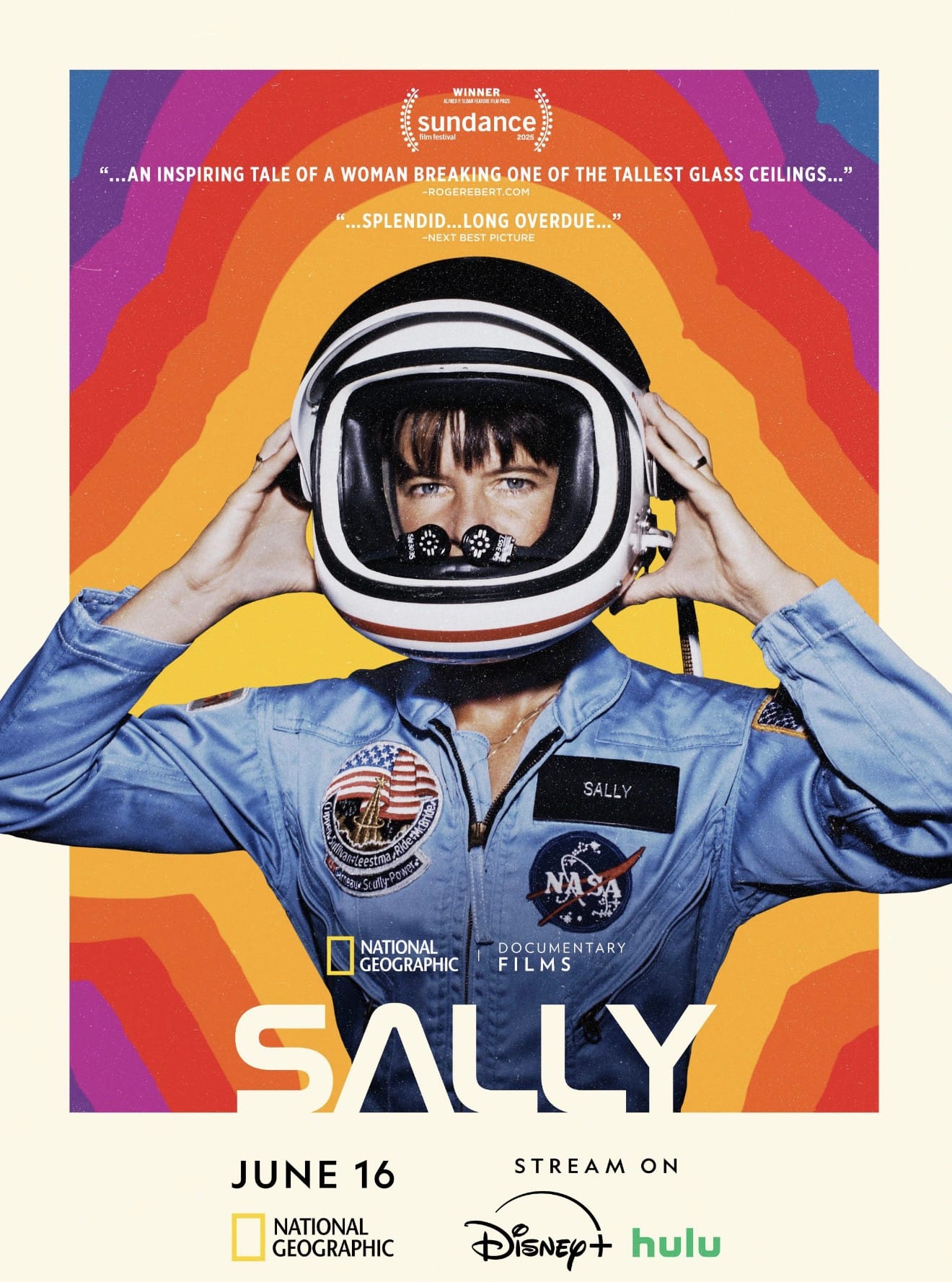
More than four decades after her historic spaceflight, Sally’s achievements continue to inspire those following careers in science, while her relationship with Tam remains a powerful and moving part of her LGBTQ+ legacy.
Image credit: NASA.