Giorgia Meloni moves to protect voice from AI clones
Italian Prime Minister Giorgia Meloni has applied to trademark her voice in an unusual attempt to strengthen protection against AI deepfakes.

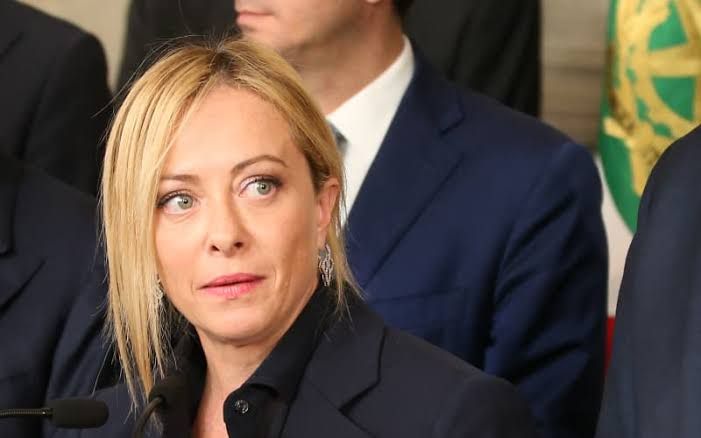
Italian Prime Minister Giorgia Meloni has applied to trademark her own voice as concerns grow over AI being used to create convincing audio and video deepfakes.
The application was filed with the European Union Intellectual Property Office on 5 October and includes a roughly four-second recording of Meloni repeating the phrase “Io sono Giorgia Meloni”, meaning “I am Giorgia Meloni”, twice.
It is an unusual attempt to give a public figure another legal tool against people using artificial intelligence to imitate their voice without permission.
What would trademarking her voice actually do?
A sound trademark can protect a distinctive audio identity in much the same way that companies can protect names, logos or other recognisable parts of a brand.
That does not mean Meloni would suddenly own every imitation of her voice or automatically be able to remove any AI-generated recording of her.
The application is still being examined and has not yet been approved. Even if it is registered, the trademark would instead create another potential legal route when her protected voice recording is reproduced or used in areas covered by the registration.
Meloni’s chosen phrase is already closely associated with her. “Io sono Giorgia” became particularly well known following a political speech in 2019 and was later used as the title of her autobiography.
AI deepfakes are becoming harder to ignore
The move comes amid growing concern about AI systems capable of reproducing a person’s voice from relatively small amounts of recorded audio.
Actors, musicians and other public figures have increasingly faced questions over how their voices and likenesses can be protected when generative AI is capable of creating convincing performances they never recorded.
Meloni has experienced manipulated material herself and has previously spoken about the dangers of false images being circulated online as though they were genuine.
Her application will now go through the EU trademark examination process before a decision is made.
Whatever the outcome, the filing highlights a much wider question facing performers and public figures: as AI cloning becomes easier, will voices eventually need the same kind of legal protection as names and images?
Image credits: BARIS SECKIN / ANADOLU / AFP