Genies and UTA Deal Raises Questions About Celebrity AI Clones
An agreement could help UTA clients develop AI personas, bringing questions about celebrity likeness, consent and control into focus.

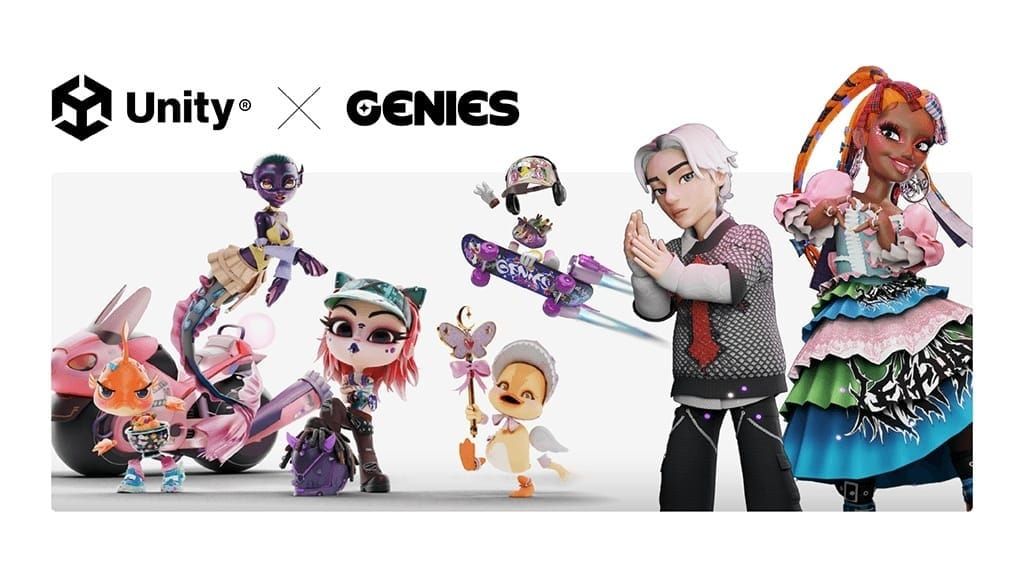
AI company Genies and talent agency United Talent Agency have announced a partnership intended to help UTA clients explore AI-powered versions of themselves.
The agreement, reported on 12 October 2026, centres on digital personas that could draw on a celebrity’s likeness, personality and personal experiences. Such systems could potentially be used in digital entertainment, fan experiences and other forms of interactive content, although the precise uses will depend on each project and the permissions granted.
The deal highlights how entertainment companies are exploring ways to extend a public figure’s presence beyond traditional film, television, music and social media appearances. An AI persona could, in principle, respond to fans or appear in digital environments without requiring the person to participate in every interaction themselves.
But the technology also raises difficult questions. A convincing digital likeness is not simply another photograph or prerecorded clip. If an AI system can generate new words or behaviour in someone’s name, audiences need to understand whether they are interacting with the person, an authorised digital version or a fictional simulation.
Consent and control will be central. Contracts need to make clear what material can be used to develop a persona, what the system is permitted to say or do, how it will be monitored and whether permission can be withdrawn. There are also questions about how revenue is shared and what safeguards prevent a digital identity from being used outside its agreed purpose.
The companies have presented the partnership as a way for talent to explore AI personas while retaining control over their use. That assurance will need to be reflected in the practical arrangements for individual clients and projects.
As generative AI becomes more capable of reproducing recognisable voices, appearances and conversational styles, agreements such as this could help establish how the entertainment industry handles digital likenesses. The challenge is to make new forms of interaction possible without blurring the line between authorised participation and imitation.