Dune Sound Designer Joins New Push to Stop Film and TV Sounds Being Scraped for AI
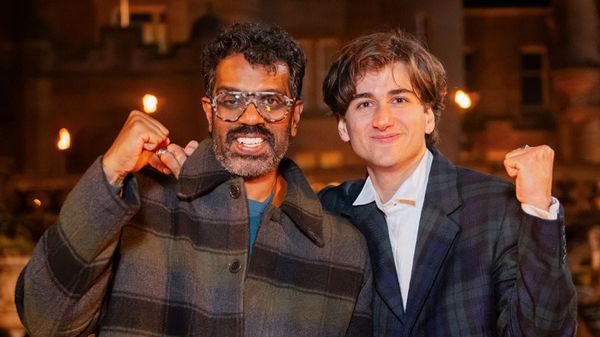
Dune sound designer Mark Mangini backs a new push to protect film and TV sound effects from unauthorised use in AI training.

The sounds behind some of Hollywood's biggest films are becoming the latest focus of the entertainment industry's battle over AI, with a new organisation launched to protect professionally created sound effects from being used without permission.
The Professional Sound Alliance brings together sound designers, recordists, mixers, editors and sound-effects libraries, with two-time Academy Award winner Mark Mangini among the professionals supporting the initiative. His credits include Dune, Mad Max: Fury Road and Blade Runner 2049.
While arguments around AI have frequently focused on actors' likenesses, musicians' work and writers' material, the Alliance is concentrating on another huge part of film and television production: sound.
That can include everything from footsteps, doors and vehicles to explosions, weather, crowds and background ambience. These sounds can be specially recorded, edited and developed before being organised into professional libraries used by productions around the world.
The Alliance wants those libraries and the work of individual sound creators protected from unauthorised use, including being scraped to train commercial generative AI systems.
However, its position isn't simply that professional sound should never be used to train AI. The organisation is pushing for permission, licensing and compensation when companies want access to that material.
That distinction is already visible within the industry. Pro Sound Effects, whose founder Douglas Price chairs the new Alliance, offers a licensed AI training dataset containing 1.27 million sounds and more than 5,000 hours of audio.
Sony AI has also previously worked with licensed material from Pro Sound Effects and Boom Library while developing technology capable of generating sound effects from video.
It means the argument isn't necessarily over whether AI should learn to create footsteps, explosions or other cinematic sounds. The growing question is whether the professionally recorded material used to teach those systems has been licensed in the first place.
For an area of filmmaking that audiences rarely see but hear in virtually every scene, the arrival of the Professional Sound Alliance brings another group of entertainment creators directly into the industry's rapidly expanding AI rights debate.