US Military Boards Defy Transgender Ban as Majority Vote to Keep Troops
US Navy and Marine Corps boards recommend keeping transgender troops in nine of 12 cases despite Pentagon rules requiring their removal.

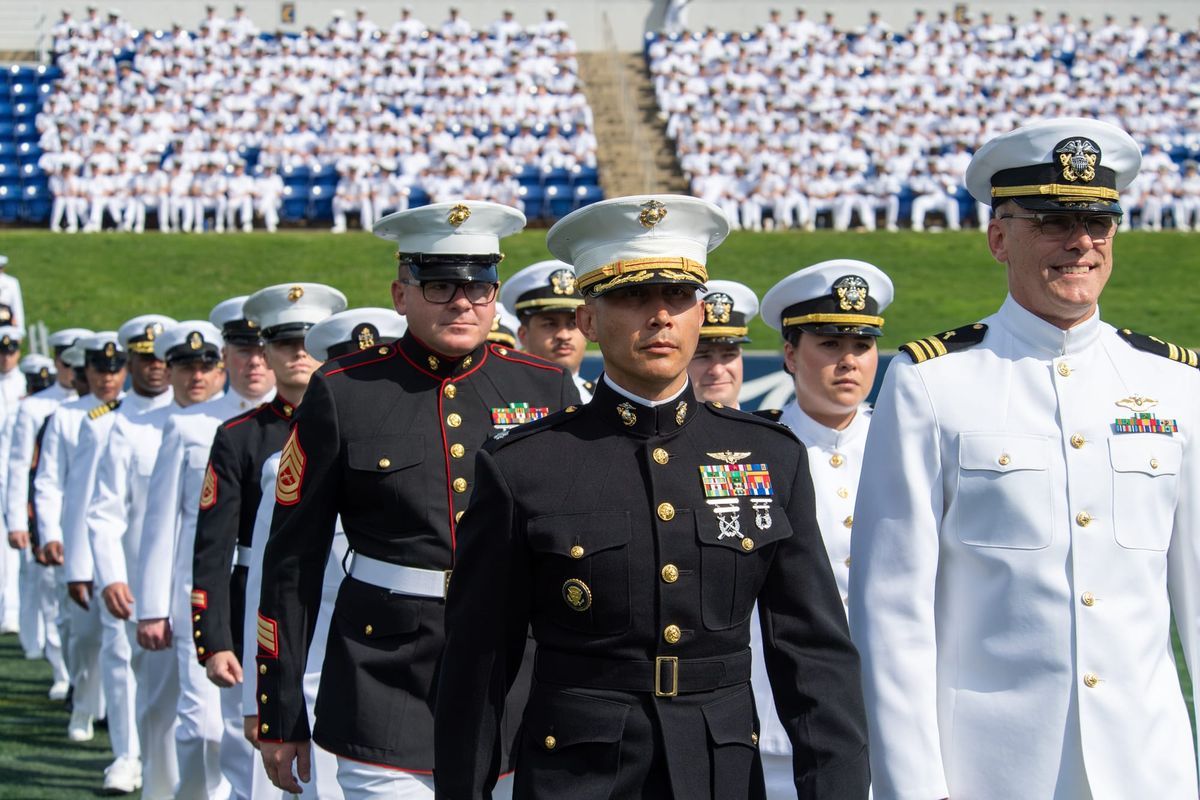
US military personnel tasked with reviewing the dismissal of transgender colleagues have voted overwhelmingly to keep them in uniform, despite Pentagon rules directing their removal from the armed forces.
Review boards in the US Navy and Marine Corps recommended retaining transgender service members in nine of 12 cases examined in an investigation published on Friday 23 October, exposing a growing divide between government policy and the judgments of military personnel reviewing individual careers.
The findings raise questions about how the Pentagon's restrictions are being enforced, particularly when experienced officers and specialists with years of service are appearing before panels of fellow military personnel.
Military boards vote against dismissing transgender colleagues
The investigation found that Navy review boards recommended retaining transgender sailors in seven of nine cases examined since hearings began in July, while Marine Corps panels voted to keep personnel in two of three cases since August.
The results are particularly significant because the boards were established to assess cases under rules introduced following President Donald Trump's decision to restrict transgender military service.
Defence Secretary Pete Hegseth has supported the removal of personnel covered by the policy, arguing that military service requirements should prioritise readiness and operational standards.
However, some of the personnel reviewing individual cases have reached different conclusions after examining service records, professional achievements and recommendations from colleagues.
In one Marine Corps case, a board recommended discharge but also recorded its unanimous view that the individual deserved to remain because of his commendable service and specialist skills.
The findings suggest that some military personnel are reluctant to lose experienced colleagues whose records demonstrate their ability to perform their duties.
Decorated Marine recommended for retention
Among those appearing before the boards was Staff Sergeant Damien Contreras, a Marine Corps logistics specialist who had completed three overseas deployments.
His hearing considered years of performance evaluations and testimony from colleagues, including senior personnel who supported his continued service.
After reviewing the evidence, the panel voted to retain him, despite the policy under which his case had been brought forward.
Contreras described the experience as deeply meaningful because his fellow Marines assessed his professional record and contribution to the service rather than focusing solely on his transgender identity.
His case highlights the difficult position facing military review boards, whose members must consider the achievements of colleagues while operating under rules intended to remove personnel with a current or previous diagnosis of gender dysphoria.
Why are transgender troops facing dismissal?
The Trump administration introduced restrictions on transgender military service in 2025, with the Pentagon directing the armed forces to begin separation proceedings for personnel covered by the policy.
The rules affect service members with a diagnosis or history of gender dysphoria, with limited opportunities to request exemptions.
In March 2026, the Department of the Navy issued further guidance establishing procedures for involuntary separation hearings, including the role of review boards and the authority of senior officials to make final decisions.
The restrictions have faced legal challenges and opposition from LGBTQ+ military organisations, which argue that transgender personnel should be assessed on their abilities, conduct and service records rather than their gender identity.
Supporters of the policy maintain that the armed forces must apply consistent medical and operational requirements, although critics dispute the suggestion that transgender personnel are inherently unable to meet those standards.
Does this mean transgender troops can stay?
Despite the encouraging recommendations for some personnel, the votes do not overturn the Pentagon's policy or guarantee that those individuals will be allowed to remain in uniform.
The reported figures cover only 12 Navy and Marine Corps cases identified through interviews with service members and lawyers, rather than a complete official record of every hearing.
The position is also different across military branches, with Army and Air Force review boards more frequently recommending discharge under the same wider policy.
Senior military officials retain authority over final separation decisions, meaning a favourable recommendation from a review board does not necessarily prevent a service member from being dismissed.
The latest findings nevertheless reveal an important disagreement within the military itself, where some personnel responsible for assessing their colleagues have concluded that experienced transgender troops should continue serving.
For those facing dismissal, the question is now whether those recommendations will be upheld by senior officials or overturned as the Pentagon continues implementing its restrictions.
Information checked as of Friday 30 October 2026.
Images: US Department of Defense.