China Is Already Making Entire TV Shows With AI While Hollywood Sets New Limits
China is rapidly expanding AI-generated television and digital performers while Hollywood introduces new rules governing AI actors and digital replicas.

Hollywood is still working out how far artificial intelligence should be allowed to go in film and television. In China, parts of that future are already appearing on screen.
Fresh reporting in September has highlighted the growing scale of AI across China's entertainment industry, from digital versions of real performers to AI-generated dramas and production systems capable of creating increasingly sophisticated video.
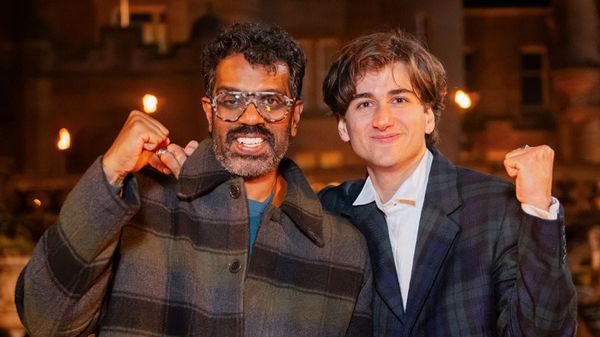
One of the clearest examples is actor Chen Yilong, who has licensed his likeness for the creation of a digital human. It demonstrates why the idea of a “digital twin” has become one of the biggest questions facing performers as AI improves.
A digital version of an actor can potentially reproduce their face, movements and voice without requiring that performer to physically appear every time new material is created. That creates obvious opportunities for producers, but also raises questions about consent, payment and how long somebody's digital likeness can be used.
China's booming short-form drama industry is providing another testing ground. The Los Angeles Times reported this month that 128,000 Chinese microdramas were produced during the first three months of 2026 alone, creating an enormous market in which cheaper and faster AI production tools can be deployed.
AI has also moved into longer-form Chinese television, including a 30-episode Journey to the West production created using generative technology.
Hollywood is hardly avoiding AI. Studios are experimenting with generated visual effects, dubbing, pre-production and other filmmaking tools, while Netflix has openly discussed using generative AI across hundreds of its productions.
The difference is that Hollywood's expansion is happening alongside increasingly detailed union protections. SAG-AFTRA's new 2026 agreement strengthens rules covering digital replicas and synthetic performers, including consent, compensation and negotiations over certain uses.
The result is two huge entertainment industries experimenting with the same rapidly improving technology while developing very different production environments around it. As generated video becomes more convincing, the biggest question may no longer be whether AI can make television, but how much of television audiences will eventually accept being made that way.