AI filmmaker wins $450,000 after huge global contest
The Astana AI Film Festival has awarded its $450,000 Grand Prix after attracting 8,067 films from creators across 125 countries.

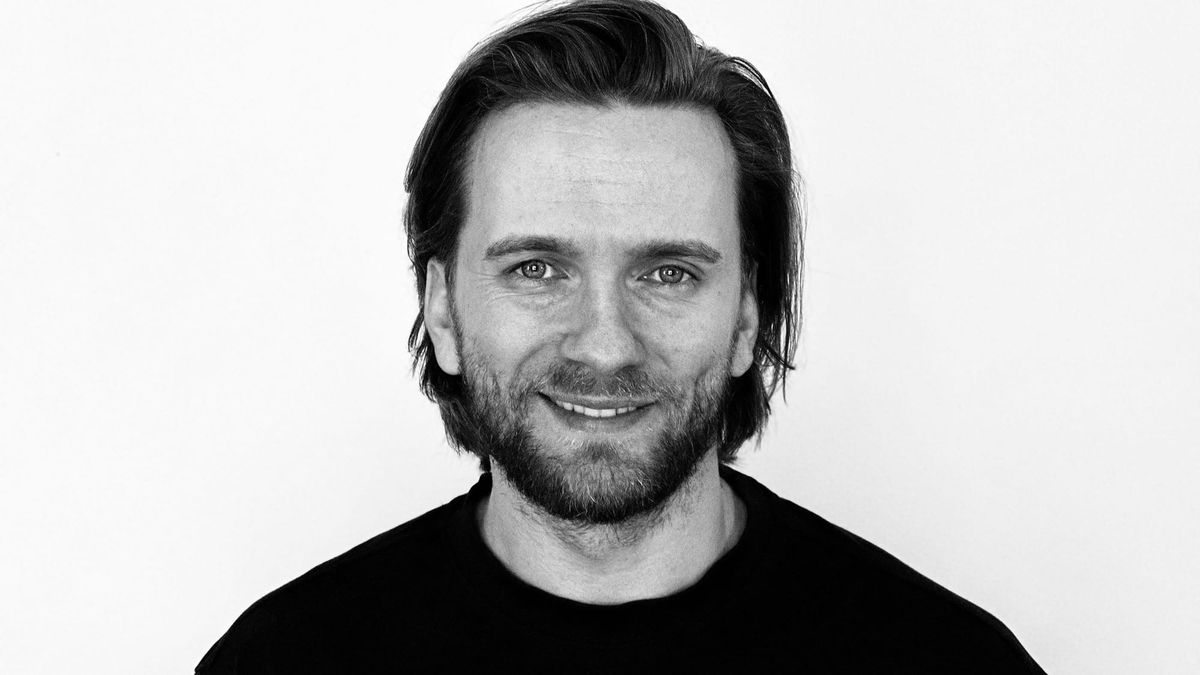
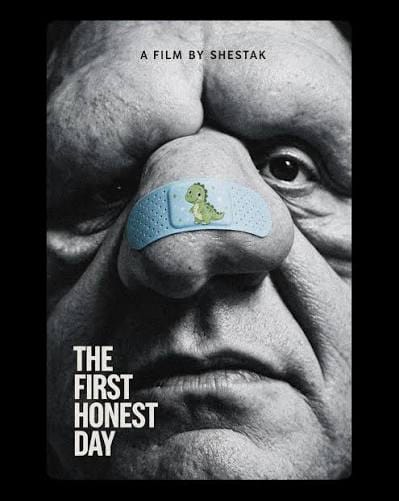
A filmmaker from Latvia has won $450,000 at one of the world's largest competitions dedicated to films created using artificial intelligence. Nikolay Shestak took the Grand Prix at the Astana AI Film Festival for The First Honest Day, emerging from a competition that attracted 8,067 submissions from 125 countries.
SoapLandTV previously reported on the extraordinary number of films entered into the inaugural festival. The winners have now been revealed, showing which productions survived a selection process that reduced thousands of submissions to just 25 finalists.
Which films won the biggest prizes?
Shestak received the $450,000 first prize for The First Honest Day, giving the Latvian filmmaker the largest individual award at the festival. His victory places him at the top of a competition that brought together filmmakers using AI in very different ways rather than rewarding one particular visual style or production method.
Indian filmmaker Abhik Banerjee finished second with SITARA and received $200,000. Spain's Ernest Desumbila took third place with Looking For Perseida and collected another $100,000.
Kazakhstani filmmaker Myrzakhan Zhumakhan also won the Best Character category for It Was Just a Joke. His success gave the host country a winner alongside filmmakers from a competition that attracted entries from Europe, Asia, North America and many other parts of the world.
Only 25 films made the final programme from the original 8,067 submissions. The size of that reduction shows how competitive the festival became before judges even reached the stage of choosing the main prize winners.
Why is a $450,000 AI film prize significant?
The amount of money involved moves the event well beyond the small experimental competitions that surrounded AI filmmaking only a few years ago. A $450,000 individual award is enough to finance substantial future creative work rather than simply acting as recognition for a completed short film.
Astana had a total $2 million fund connected to the festival, with half allocated to competition prizes. Another $1 million was intended to support promising AI filmmaking teams and future production, creating a potential route from a festival screening into another project.
That matters because one of the biggest questions surrounding AI filmmaking has been whether creators can turn experimental work into sustainable production. Thousands of people can now make impressive individual AI clips, but financing longer projects with consistent characters, performances and storytelling remains far more difficult.
Shestak has been directing for around four years and working with AI filmmaking for roughly two. Following his win, he indicated that prize money would be used to continue creating films, meaning the award could directly influence what he makes next.
What counted as an AI film?
The festival was not designed simply for conventional films that happened to include one AI-generated image or minor visual effect. Artificial intelligence had to play a meaningful role in production, while filmmakers were expected to disclose information about how the technology contributed to their work.
Modern AI filmmaking can involve generated environments, characters, animation, voices, visual development and entire shots. Other creators combine those tools with live-action performances, traditional editing, conventional scripts and human-directed photography.
That makes the phrase “AI film” increasingly difficult to define as the technology moves into ordinary production workflows. A film can contain extensive AI-generated imagery while still depending heavily on human writing, direction, editing and performance decisions.
What happens next for AI cinema?
The 8,067 submissions demonstrate that there is already a large international community experimenting with this type of filmmaking. The more important question now is whether the strongest projects can attract audiences outside specialist AI festivals.
Winning hundreds of thousands of dollars proves serious investment is entering the sector, but money alone will not create a lasting audience. Viewers ultimately need memorable characters, understandable stories and emotional reasons to keep watching regardless of which technology produced the images.
Astana's first competition therefore represents more than another demonstration of what generative tools can produce. It is an early test of whether AI filmmaking can start developing its own professional careers, funding structures and filmmakers whose work audiences actively seek out.