AI could threaten the traditional route into directing for Britain's next generation
AI is transforming advertising production, raising concerns that Britain could lose a traditional training ground for future film and TV directors.

Artificial intelligence could threaten one of the traditional routes into film and television directing, with concerns growing over the impact of AI on Britain's advertising industry.
Advertising has historically given emerging directors the chance to work with actors, crews and production teams before moving into larger film and television projects. Directors including Ridley Scott and Guy Ritchie built important parts of their careers through commercial work.
Why advertising matters
Commercials can give young filmmakers valuable practical experience. Directors have to work quickly, communicate with performers, manage crews and deliver a finished piece within strict creative and financial limits.
Those skills can then help them move into increasingly ambitious productions. The concern is that AI could reduce the amount of traditional commercial production taking place, particularly as companies look for faster and cheaper ways of producing advertising content.
Britain's industry is investing in AI
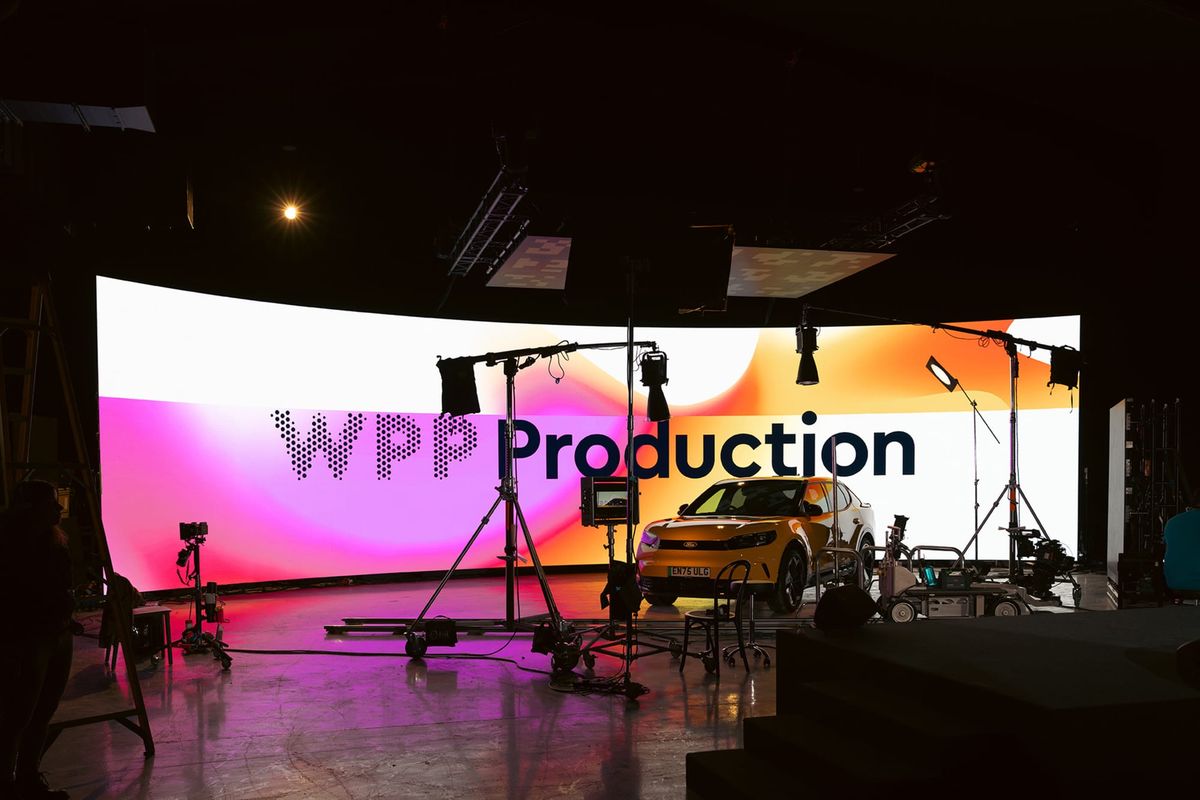
The shift is already being backed by major investment. WPP has been developing a £600 million global production facility in London as part of its wider push into AI-powered advertising.
For agencies, the attraction is clear. AI can potentially allow companies to create and adapt large amounts of content far more quickly.
But the industry question is what happens to the people who would previously have learned their craft making that content.
Could the talent pipeline shrink?
The issue is not simply whether AI replaces an individual director. If fewer traditional productions are available, there could be fewer opportunities for young filmmakers to learn on the job. That could eventually affect the wider film and television industry because today's commercial director can become tomorrow's feature or television director.
The consequences may not be immediately visible. A reduction in opportunities now could take years to show up in the number of experienced filmmakers coming through.
AI could ultimately create new creative opportunities, but Britain's industry will have to consider whether it is also removing some of the opportunities that helped previous generations learn how to make films.