AI Actress Tilly Norwood Faces Fresh Questions About Hollywood's Future
A new public interview with AI character Tilly Norwood puts copyright, human performers and the future of synthetic entertainers back in the spotlight.

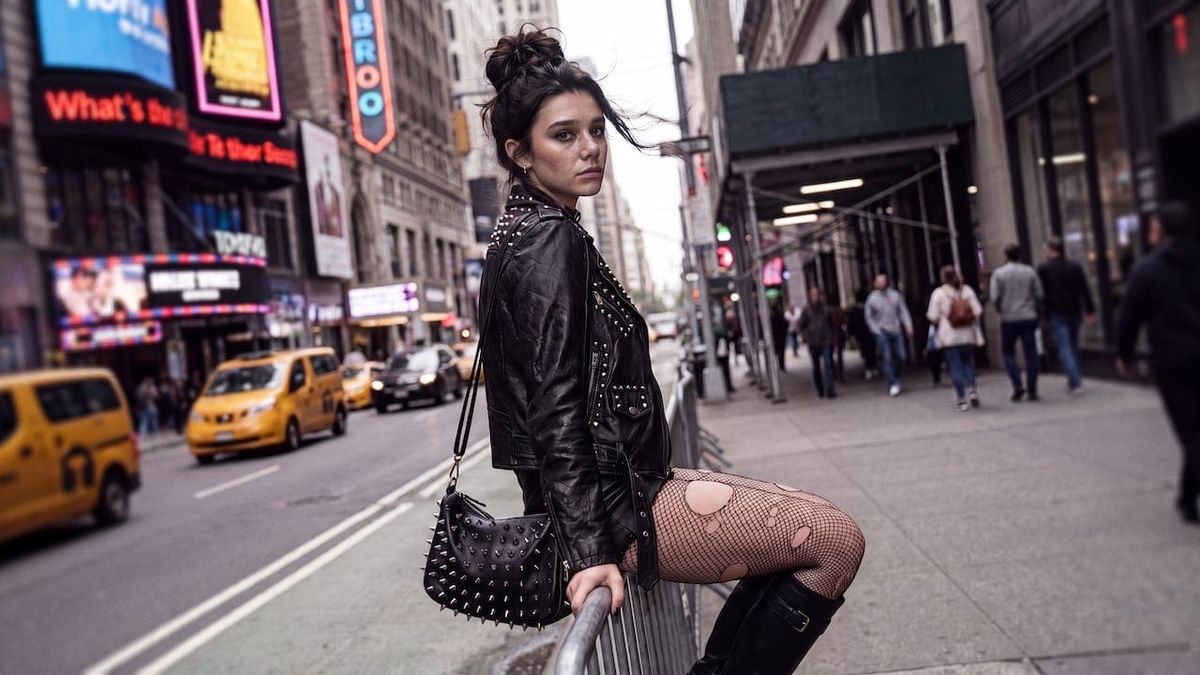
AI-generated actress Tilly Norwood is back in the spotlight after making an unusual appearance in front of some of America's biggest advertising professionals, proving she can hold a conversation, deliver a cutting remark and leave an audience laughing.
But behind the humour, her latest appearance has reopened a much more serious debate about the future of entertainment, particularly whether artificial intelligence could eventually compete with the actors, writers and performers who bring television and film to life.
Created by British production company Particle6, Tilly has become one of the most controversial digital personalities in entertainment. Unlike a traditional animated character, she has been designed to respond to questions and interact with people, giving the impression of a personality that extends beyond a scripted performance.
However, she is not a real person, and her behaviour is shaped by technology and human creative decisions.
Tilly Norwood Takes Centre Stage in Orlando
Tilly's latest public appearance came at the Association of National Advertisers' Masters of Marketing conference in Orlando, Florida, where she participated in a live discussion about artificial intelligence and its growing influence on advertising.
Appearing alongside Particle6 executive creative director Sarina Da Costa Gomez, the digital character demonstrated her quick responses and deliberately cheeky personality as the conversation moved between entertainment, technology and the future of creative work.
Her ability to deliver humorous answers provided some lighter moments, although the discussion also exposed the considerable concerns surrounding AI-generated personalities.
Audience members questioned the environmental impact of artificial intelligence and whether copyrighted material is being used without permission to train the technology behind increasingly sophisticated digital performers.
Da Costa Gomez explained that Tilly had been developed to be lively and outspoken, with safeguards designed to prevent inappropriate responses.
Yet even with those protections, her behaviour can still be unpredictable, providing an interesting glimpse of both the possibilities and limitations of interactive AI characters.
Why Hollywood Is Still Worried About Tilly Norwood
Tilly's appearance comes months after plans were announced for her first feature film, Misaligned, a comedy-drama exploring artificial intelligence, identity and performance.
The project has already attracted attention because it proposes placing a computer-generated character at the centre of a feature-length production.
For some filmmakers, the idea presents an opportunity to experiment with storytelling and create characters that would previously have been difficult or expensive to produce.
For others, it raises uncomfortable questions about employment, creative ownership and the possibility of studios choosing synthetic performers over human talent.
British performers' union Equity has called for transparency, consent and fair remuneration when digital avatars and AI technology are used within the entertainment industry.
These concerns extend beyond the appearance of individual characters. They also involve how AI systems are trained, whether performers' work has been used with permission and how the industry should protect creative professionals.
The Human Team Behind an Artificial Actress
Particle6 founder Eline van der Velden has repeatedly defended Tilly as an original fictional creation rather than a digital replacement for a particular performer.
The company maintains that human creativity remains central to its approach, with writers, directors and other production professionals contributing to the development of its AI projects.
SoaplandTV has previously spoken exclusively with Van der Velden about Tilly's development and the creative team responsible for bringing the character to life.
That distinction is important because, despite her convincing appearance and increasingly sophisticated responses, Tilly cannot independently develop the emotional understanding or lived experience of a human actor.
Her personality, visual appearance and performances remain dependent on technology operated and directed by people.
Could AI Performers Become Hollywood's Next Big Stars?
Tilly's latest appearance demonstrates how quickly artificial intelligence is developing beyond simple images and prerecorded demonstrations.
Digital personalities are increasingly being presented as entertainers capable of interacting with audiences, promoting products and participating in public events.
But being able to answer questions and make an audience laugh is very different from delivering a convincing dramatic performance.
Successful films and television programmes depend on strong writing, believable characters and emotional connections that audiences genuinely care about.
Whether viewers will embrace an AI-generated performer as the lead in a major production is a question that Misaligned may eventually help answer.
For now, Tilly Norwood remains both an intriguing experiment and a controversial symbol of where entertainment technology might be heading.
Her appearance in Orlando showed that an artificial character can attract attention and even entertain a room full of industry professionals. What it has not settled is whether Hollywood's future needs digital stars, or whether the people behind the performances will always be its greatest strength.
As AI continues to find its place in film, television and advertising, that debate is unlikely to disappear.