Whitby Goth Weekend 2026: Dracula, Goths & Nina Lucas
Whitby Goth Weekend returns 30 October to 1 November 2026. Discover Whitby’s Dracula history, goth culture, famous abbey and the Nina Lucas connection.

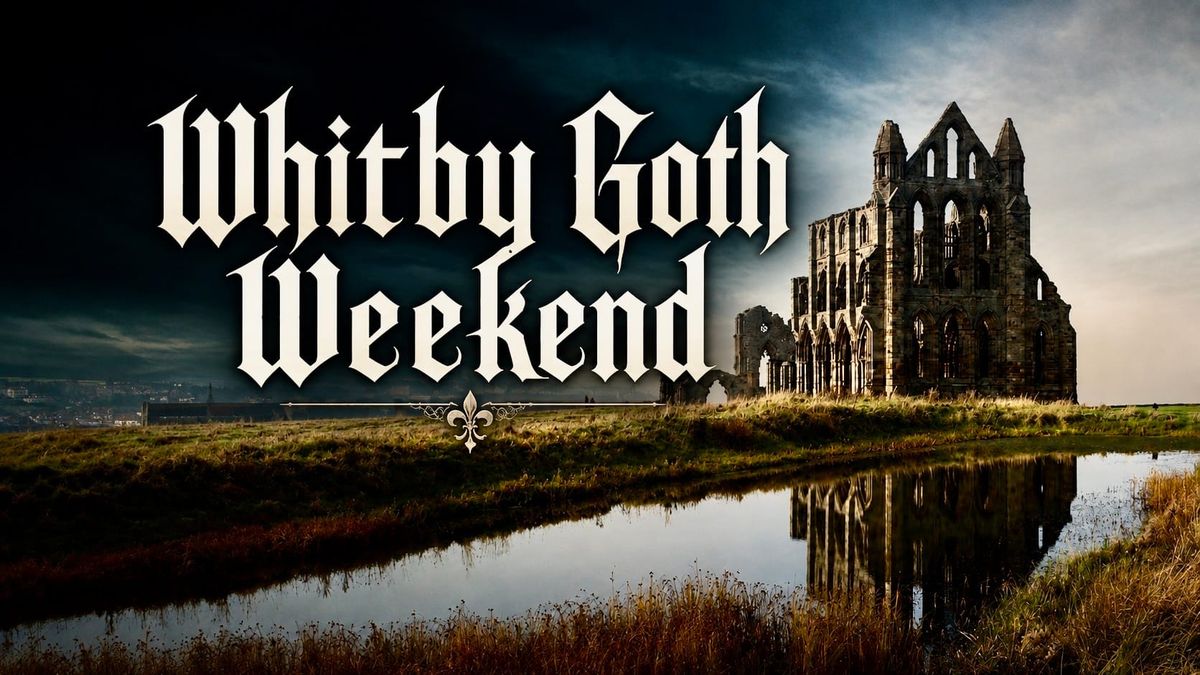
Whitby is already one of Yorkshire’s most distinctive seaside towns, but twice a year it takes on an even more extraordinary identity. Whitby Goth Weekend brings music, alternative fashion, art, markets and visitors from across the UK and overseas to a town already famous for its haunting abbey ruins and connections to Bram Stoker’s Dracula.
The spring Whitby Goth Weekend took place from 1 to 3 May 2026, while the autumn event runs from 30 October to 1 November 2026. For Coronation Street viewers, there is another familiar connection through Nina Lucas, a character who has helped introduce millions of viewers to goth culture while also being at the centre of one of Corrie’s most important stories about prejudice and hate crime.
Whitby therefore offers much more than a weekend of spectacular clothes. Its story brings together centuries of history, gothic literature, music, creativity, individuality and a community that has made the Yorkshire coast one of the most recognisable places in alternative culture.
When Is Whitby Goth Weekend 2026?
Whitby Goth Weekend has two gatherings during 2026. The spring event took place from 1 to 3 May, while the autumn event runs from Friday 30 October to Sunday 1 November.
The autumn event falls across Halloween weekend, which could hardly be more appropriate for a town with such strong associations with Dracula and gothic culture. Activities take place around Whitby rather than inside one enclosed festival site, meaning the atmosphere spreads through its streets, hotels, entertainment venues and markets.
Anyone planning a visit should check official Whitby Goth Weekend information before travelling, as individual performances, markets and social events can have their own schedules and admission arrangements.
Where Is Whitby?
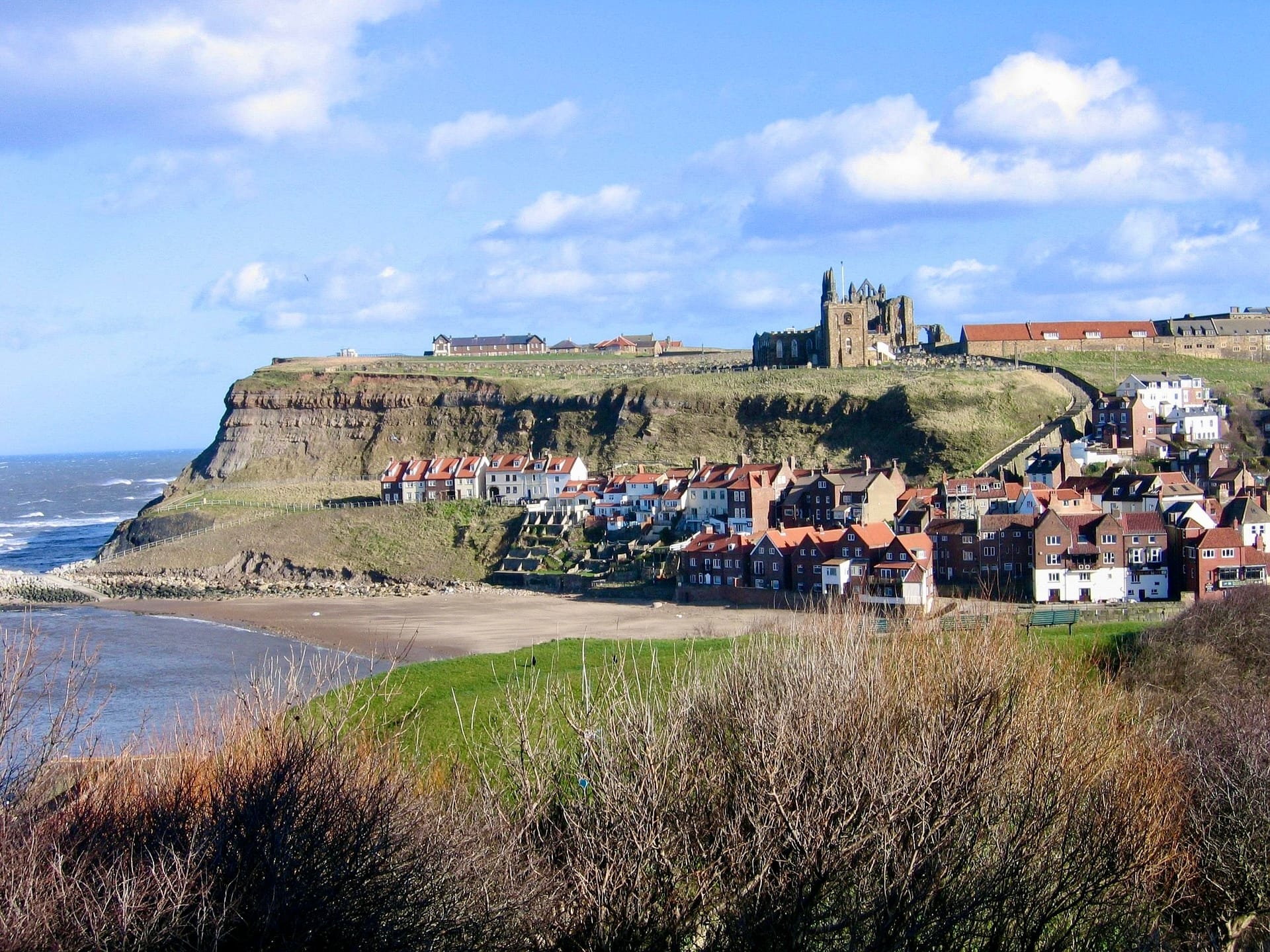
Whitby is a historic English seaside town on the North Yorkshire coast overlooking the North Sea. The River Esk runs through the centre before reaching the sea at Whitby Harbour, while the town rises dramatically on either side of the water.
Fishing, shipbuilding and maritime history have played major roles in Whitby’s past, and Captain James Cook also has strong links with the town. Today, Whitby attracts visitors for its harbour, beaches, historic streets, independent shops, traditional pubs and restaurants, as well as some particularly famous fish and chips
Above the town stand the spectacular ruins of Whitby Abbey. Visitors can climb the famous 199 Steps from the old town towards St Mary’s Church and the abbey, with impressive views stretching back across the harbour and coastline.
Whitby can look like a traditional Yorkshire seaside resort on a bright summer afternoon. When mist arrives from the North Sea and the abbey appears against dark skies, however, the town takes on a completely different, some might say, eerie character.
Why Is Whitby Connected to Dracula?
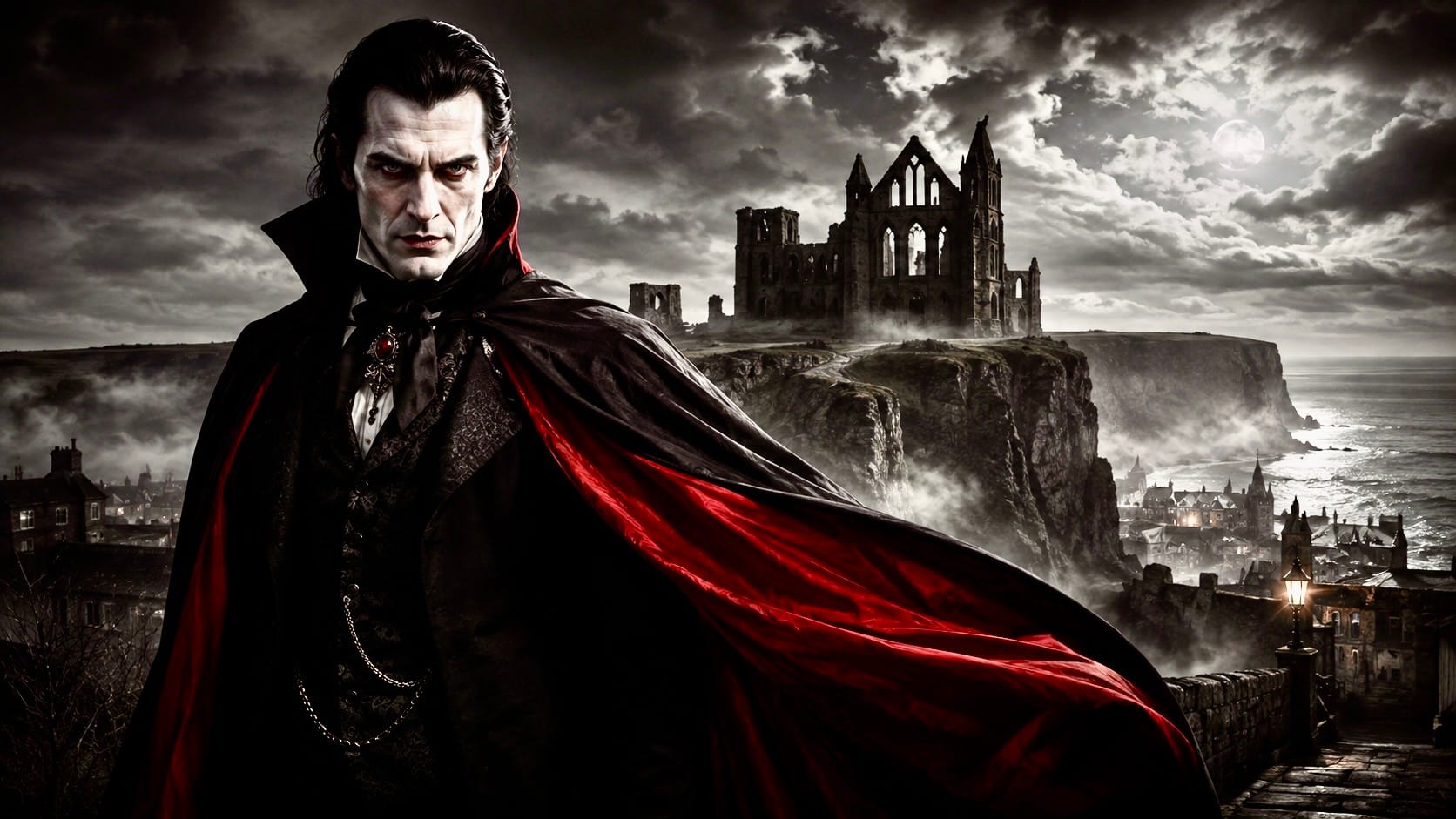
Whitby’s association with Dracula begins with Bram Stoker, who stayed in the town in 1890, several years before Dracula was published in 1897.
Whitby and its surroundings influenced Stoker while he was developing the novel, and the town itself became part of the story. Dracula reaches the English coast following a terrifying voyage at sea, while Whitby’s cliffs, harbour, churchyard and dramatic abbey contribute to some of the book’s most memorable imagery.
Stoker also encountered the name Dracula while carrying out research during his stay in Whitby. More than a century later, the connection between the fictional vampire and the Yorkshire town has become an important part of Whitby’s identity.
Visitors can explore locations associated with the story, including Whitby Abbey, St Mary’s Church, the churchyard, the 199 Steps and the historic streets below. The Dracula Experience in Whitby provides another attraction for people interested in the famous novel and its lasting legacy.
What Does Goth Mean?
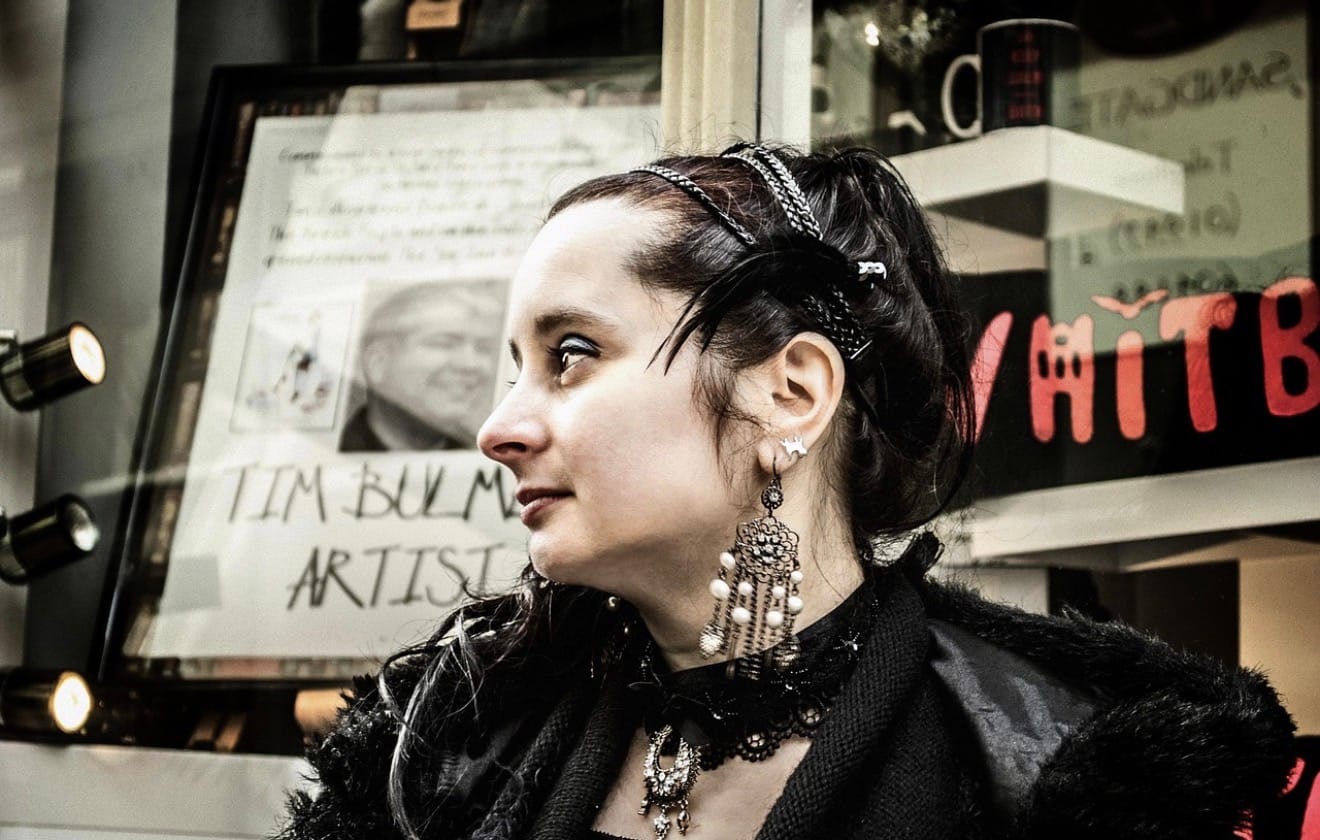
Being goth does not simply mean wearing black clothes. Modern goth is primarily a music based alternative subculture that developed from the British post punk scene during the late 1970s and early 1980s.
As gothic rock developed its own recognisable sound, a community began forming around the music. Clubs and venues became important meeting places, with London’s famous Batcave becoming closely associated with the emerging goth scene during the early 1980s.
The word gothic itself is considerably older. Gothic architecture dates back centuries, while gothic literature later became associated with mystery, supernatural themes, romance, dramatic landscapes and imposing buildings. Dracula became one of the most famous examples of gothic fiction, creating an interesting link between Whitby’s literary history and the modern subculture that arrived generations later.
Music remains central to goth culture, but the community now also embraces fashion, art, photography, literature and many other forms of creative expression.
What Does Being Goth Look Like?
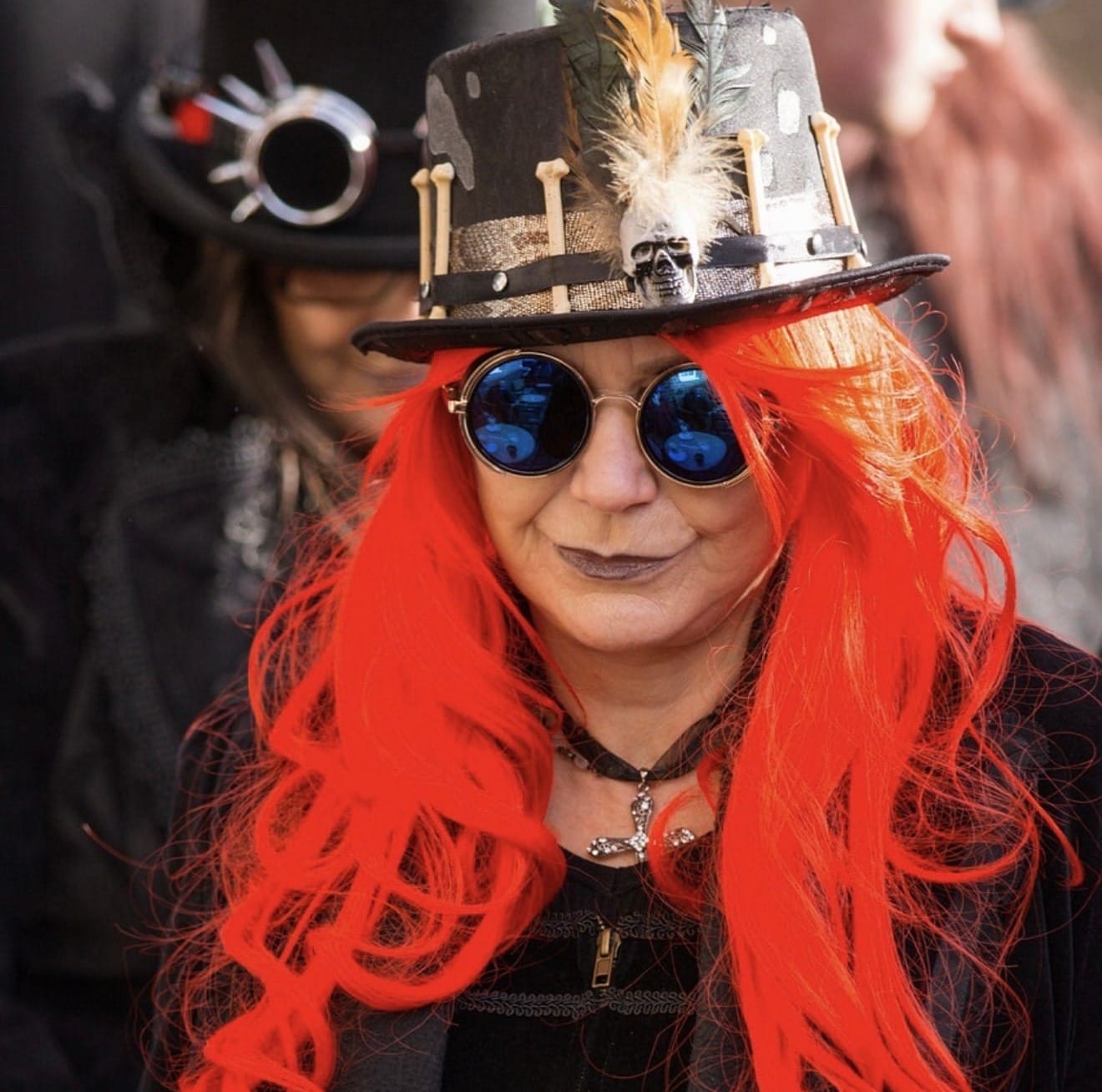
There is no single goth uniform. Black clothing is probably the most recognisable feature, but goth fashion can draw inspiration from Victorian clothing, punk, romantic styles, vintage fashion and many other influences.
Make up, jewellery, boots and carefully created outfits can all form part of somebody’s personal style, while another person may have a far more understated appearance. People within goth culture do not all dress identically, listen to precisely the same music or express themselves in the same way.
That individuality is part of its appeal. Rather than encouraging everybody to fit a particular image, goth culture can give people an opportunity to explore music, fashion and creativity in a way that feels authentic to them.
Goth Culture, Individuality and Belonging
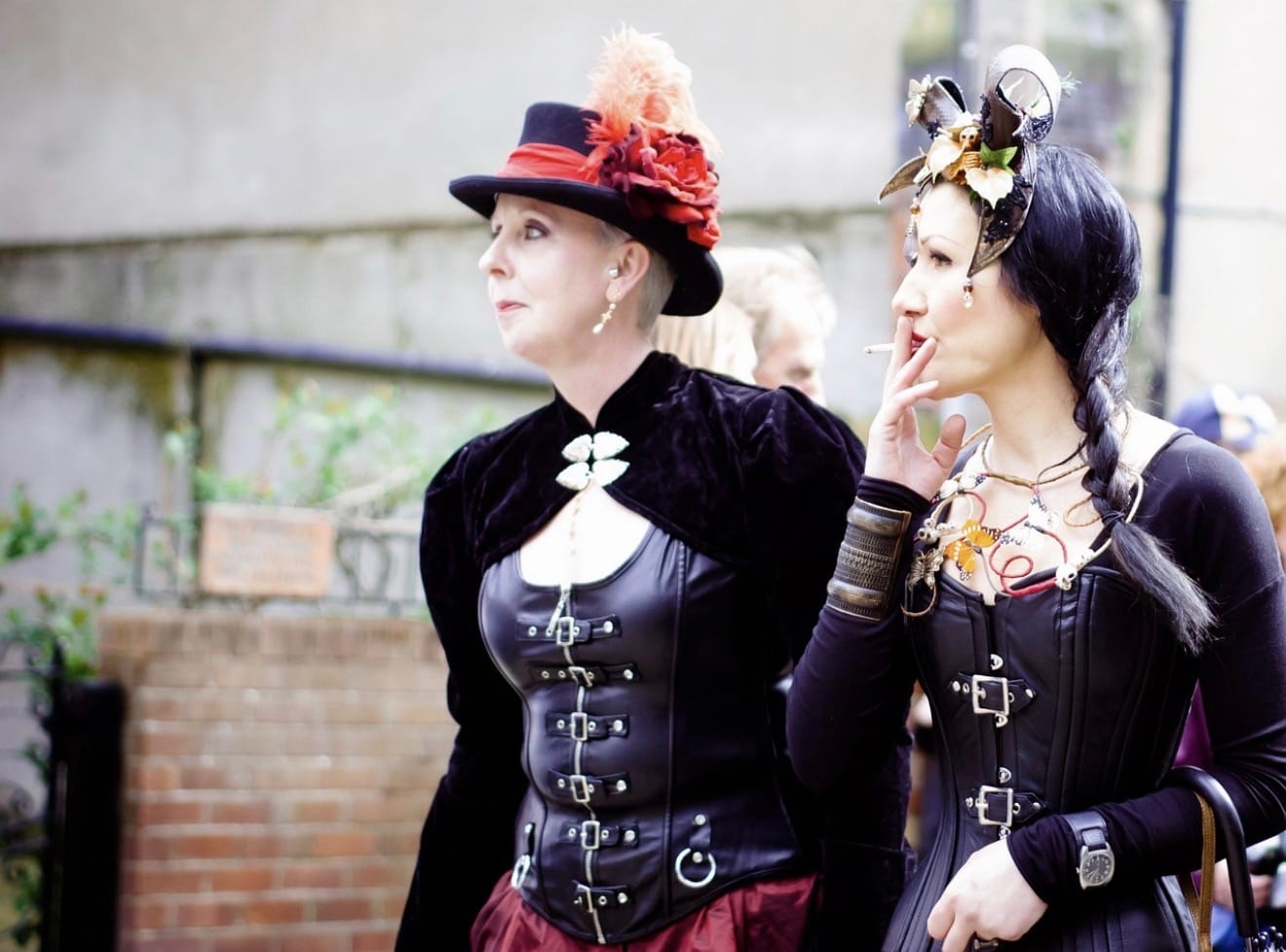
Goth culture can offer a strong sense of community for people who enjoy expressing themselves differently. Some discover it through music, while others first become interested through fashion, literature, art or friends.
An interest in gothic imagery, cemeteries, old buildings, horror or vampires should never be confused with somebody being negative, unhappy or unfriendly. Being goth also does not automatically reveal anything about somebody’s religion, beliefs or personality.
Whitby Goth Weekend demonstrates how positive and varied the community can be. Visitors may see contemporary goth fashion alongside elaborate Victorian clothing, steampunk creations, punk influences and spectacular outfits that have taken months to design.
Other people attend in completely ordinary everyday clothes. They can enjoy the music, markets, photography, history and atmosphere without feeling any pressure to look a particular way.
At its heart, Whitby Goth Weekend is a celebration of creativity, individuality and people feeling comfortable being themselves.
How Did Whitby Goth Weekend Begin?
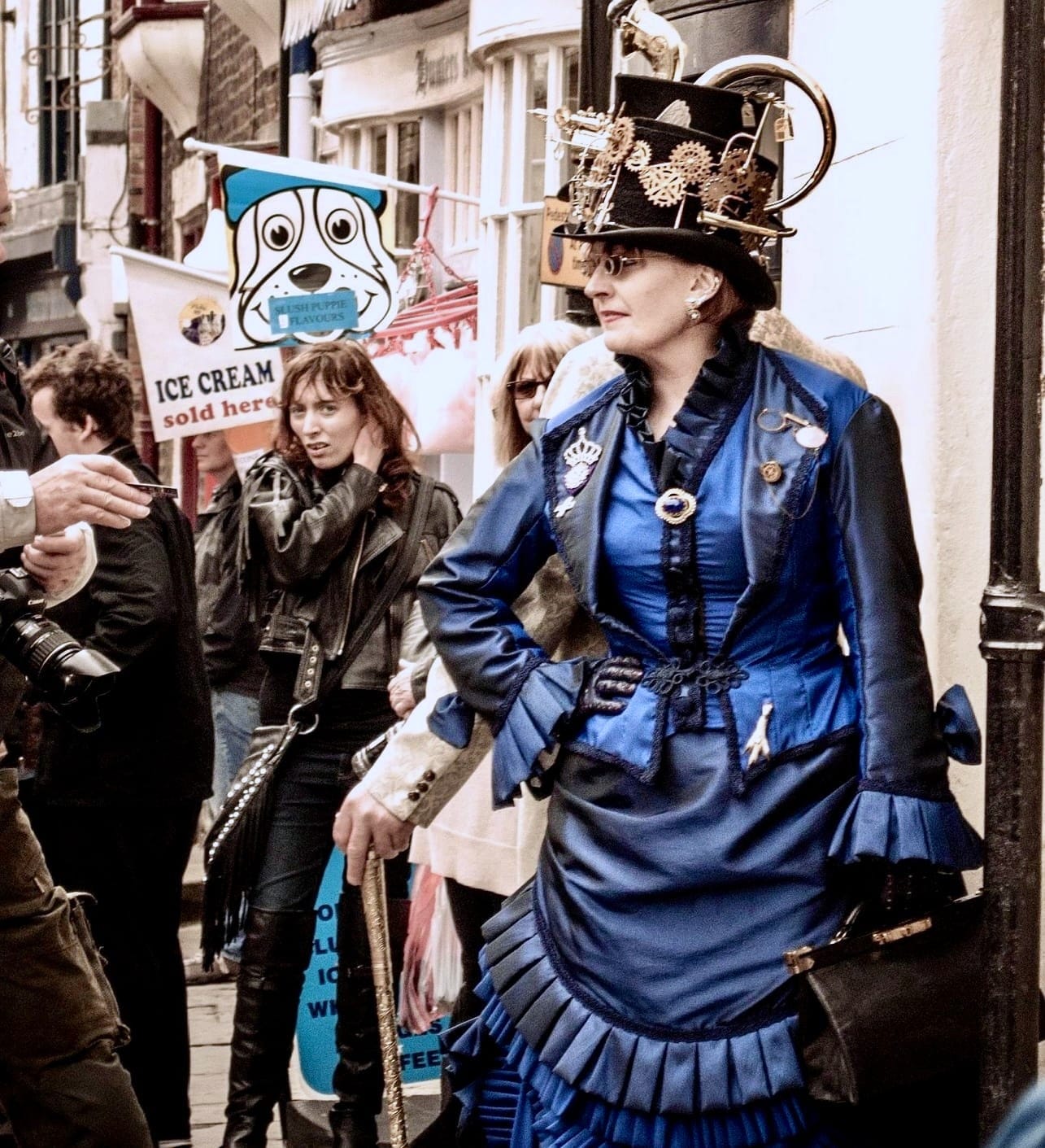
Whitby Goth Weekend was founded by Jo Hampshire in 1994 and began as a much smaller gathering of people brought together through a shared interest in goth culture.
The early gathering was associated with The Elsinore pub in Whitby, but the event grew considerably over the decades that followed. What started as a relatively small community gathering became one of Britain’s best known celebrations of goth and alternative culture.
Whitby proved to be an almost perfect home for it. Long before the modern goth movement existed, the town already had Bram Stoker’s Dracula connection, Whitby Abbey, Victorian architecture, historic streets and the dramatic North Sea coastline.
More than 30 years later, Goth Weekend and Whitby have become closely associated with one another, attracting goths, alternative music fans, artists, photographers, steampunks and curious visitors from far beyond Yorkshire.
What Happens at Whitby Goth Weekend?
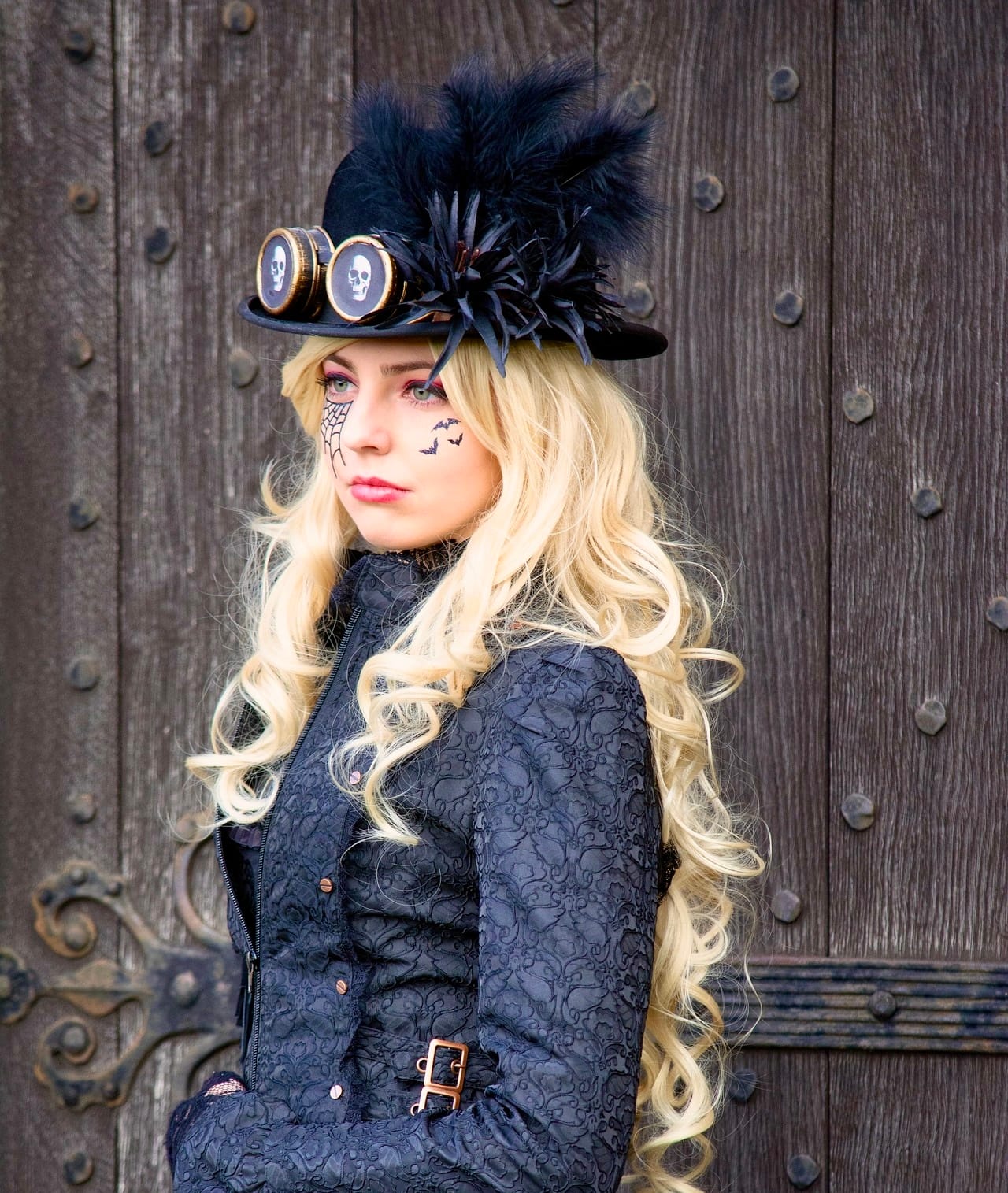
There is much more to Whitby Goth Weekend than the spectacular clothing seen around the town.
Music, markets, exhibitions, performances, social gatherings, parties and meet ups can all form part of the experience. Some visitors organise their trip around particular music events, while others simply explore Whitby and enjoy seeing the town transformed by thousands of creative visitors.
One of the major attractions is the Bizarre Bazaar Alternative Market. More than 100 traders can take part, offering alternative clothing, artwork, jewellery, handmade creations, collectables and unusual gifts.
The market operates across major Whitby venues including Whitby Leisure Centre and the Brunswick Centre. Free entry makes it particularly accessible for first time visitors who want to experience part of Goth Weekend without attending ticketed evening events.
The Royal Hotel on West Cliff is another important gathering point, with Revenant bringing alternative music and DJs to Whitby. Meet ups for newcomers can also give people attending for the first time an opportunity to meet others and become part of the community.
Do You Have to Be Goth to Attend?
No. Whitby Goth Weekend welcomes visitors regardless of whether they identify as goth or wear alternative clothing.
Some people attend because they love the music and fashion, while others are interested in Dracula, photography, alternative markets or simply seeing Whitby during one of its most distinctive events.
First time visitors can arrive wearing their everyday clothes and still enjoy the weekend. The spectacle comes partly from the outfits, but the wider appeal lies in the atmosphere, creativity and community surrounding them.
Coronation Street’s Nina Lucas and Goth Representation
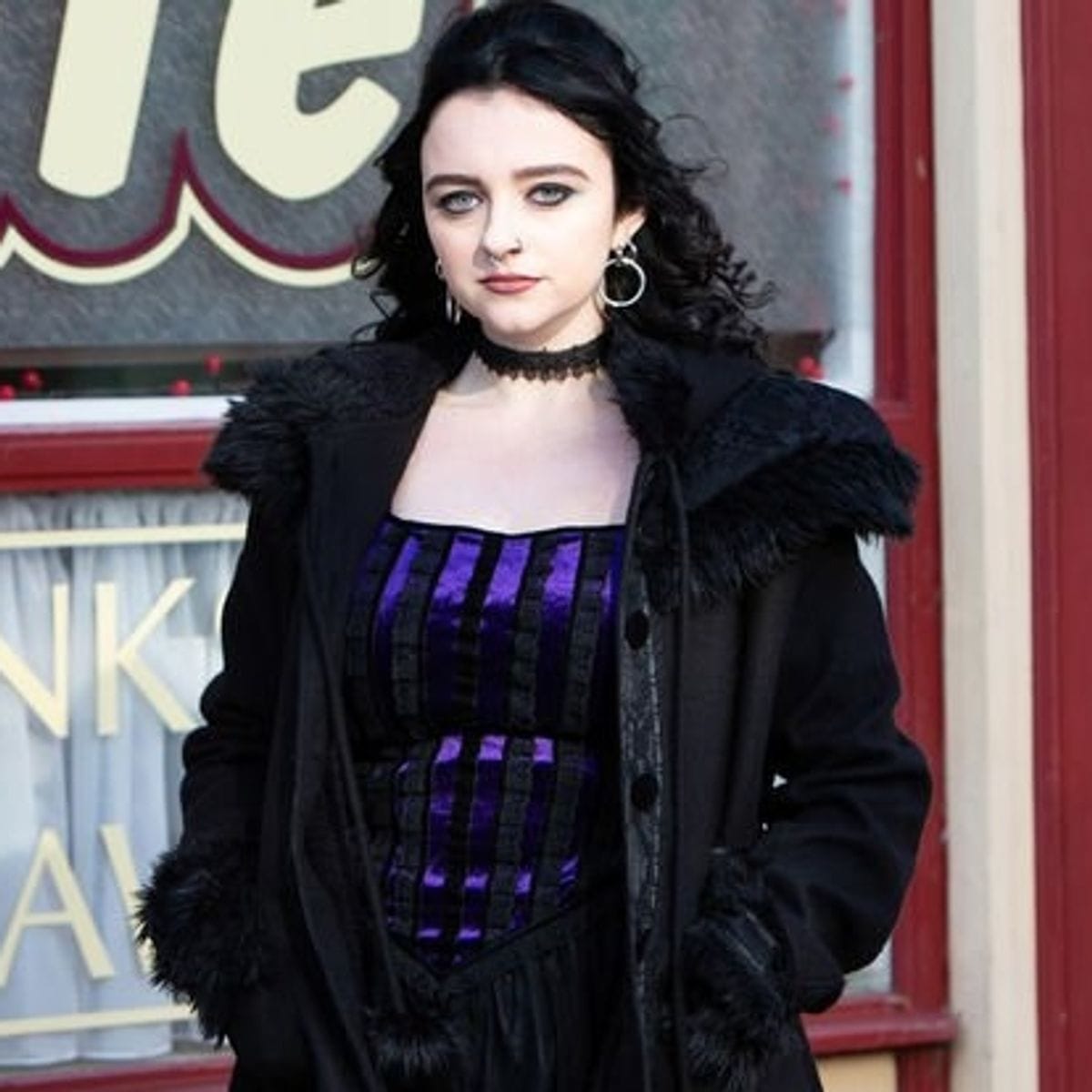
For millions of television viewers, Coronation Street has provided a familiar introduction to modern goth culture through Nina Lucas.
Played by Mollie Gallagher, Nina immediately stood out in Weatherfield through her black clothing, distinctive make up and individual style. Importantly, Corrie has allowed her goth identity to be part of the character without suggesting that it is the only thing that defines her.
Nina is also caring, intelligent, independent and comfortable expressing herself in her own way. Her friendships, relationships and family life have been developed alongside her alternative identity, giving viewers a rounded portrayal rather than reducing her to how she dresses.
That representation became particularly significant when Coronation Street took Nina into an extremely difficult hate crime storyline in 2021.
Nina and Seb’s Hate Crime Storyline
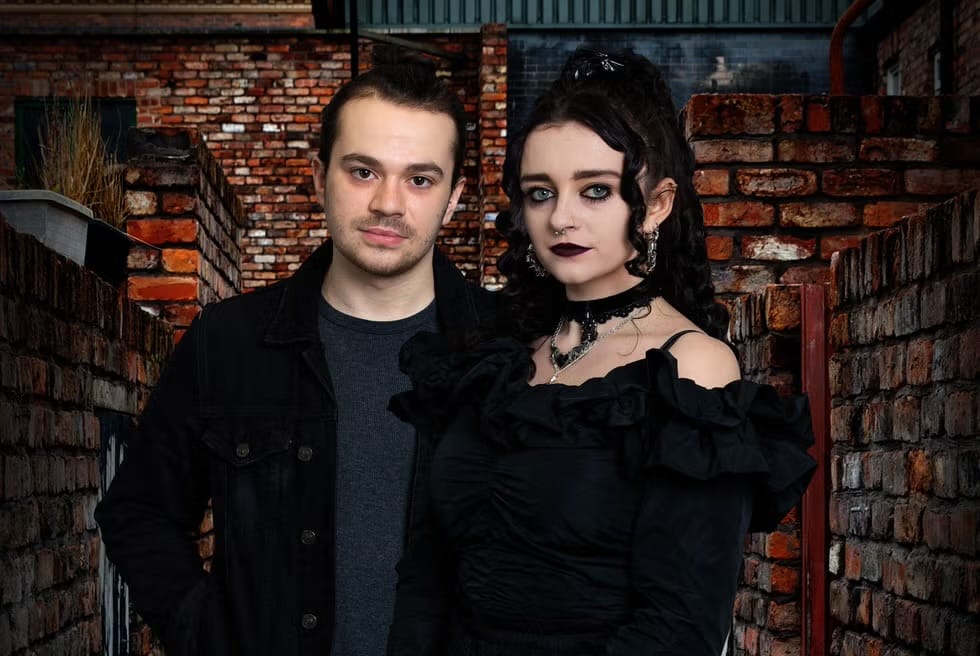
Nina’s goth identity also became central to one of Coronation Street’s most powerful storylines when she and Seb Franklin were subjected to a violent hate crime attack because of prejudice towards the way she looked.
Seb later died from his injuries, leaving Nina traumatised and struggling with grief and guilt. In the aftermath, Nina temporarily stepped away from her distinctive goth style because she blamed her appearance for what had happened, but her eventual return to the look became an important part of her recovery.
By reclaiming her goth identity, Nina showed that the hatred directed at her would not decide who she was, allowing the character to gradually reconnect with the individuality and confidence that had always made her stand out.
From Nina Lucas to Whitby’s Goth Community
Anyone who enjoys Nina’s distinctive style on Coronation Street would discover just how broad alternative culture can be during a visit to Whitby.
Traditional goth influences appear alongside Victorian clothing, steampunk, punk, fantasy inspired creations and contemporary alternative fashion. Some outfits are extravagant, while others are deliberately understated.
The common theme is not everybody looking the same. It is the opposite. Goth culture can celebrate the freedom to express yourself, discover a community and be comfortable with what makes you individual. That positive message is reflected both in Nina’s continuing place on the Coronation Street cobbles and in the thousands of people who gather in Whitby.
Why Whitby and Goth Culture Work So Well Together
Whitby did not create modern goth culture, and the movement developed long after Bram Stoker stayed in the town. However, the two have become remarkably natural companions.
Whitby already possessed the architecture, literary connections and atmosphere that fitted comfortably alongside gothic culture. The ruins of the abbey, old churchyard, narrow streets and Dracula history provided a dramatic setting, while Goth Weekend gave the town another modern cultural identity.
The result is much more positive than simply a fascination with dark imagery. Whitby has become somewhere creativity can be displayed openly and where people who might stand out elsewhere can gather in their thousands and celebrate what makes them individual.
For somebody attending for the first time, that may be one of the most enjoyable discoveries of the weekend. Behind elaborate clothes and dramatic make up is a diverse community built around music, creativity, friendships and shared interests.
Whitby Is Much More Than Goth Weekend
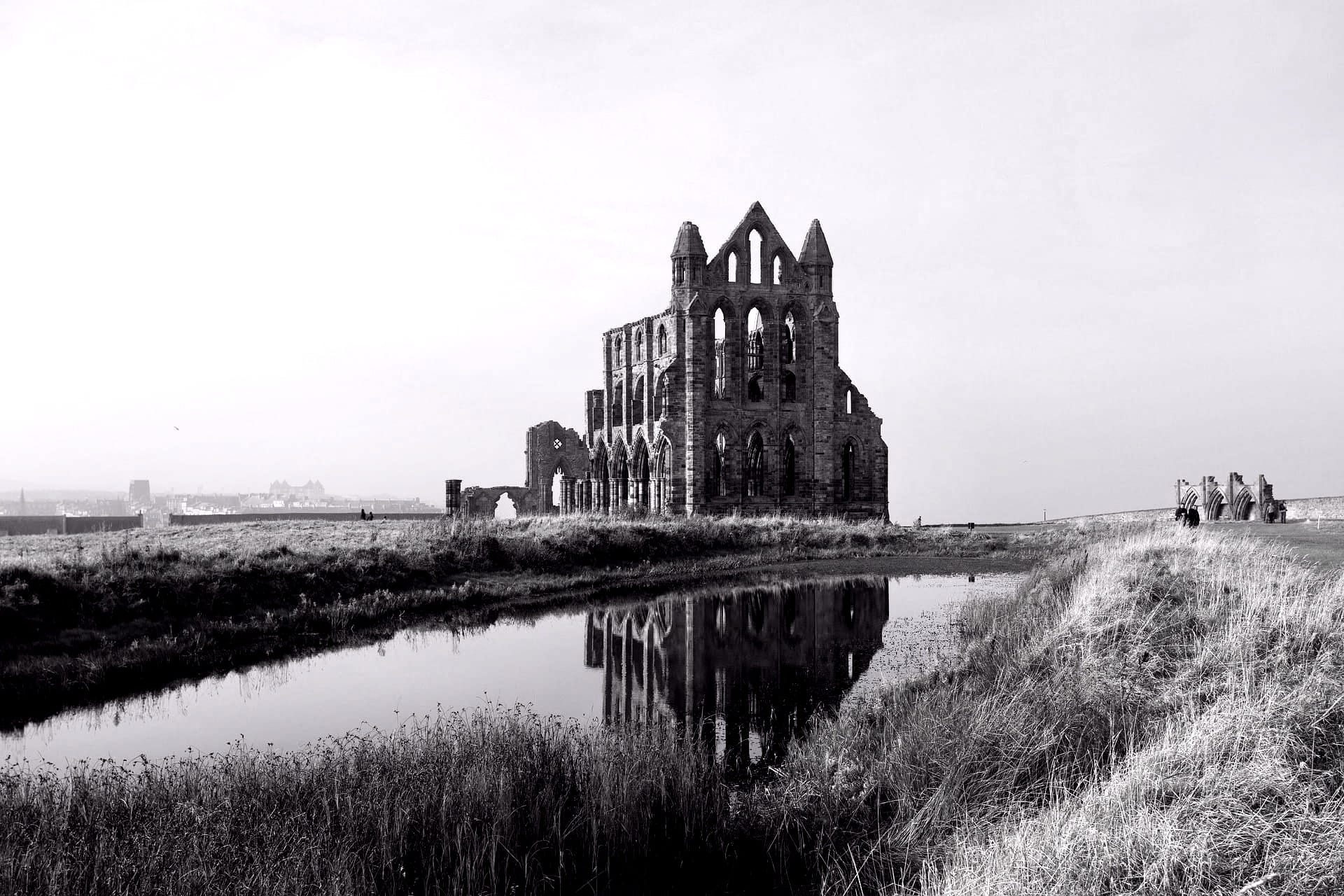
Whitby’s gothic reputation attracts international attention, but the town remains worth visiting throughout the year.
Its harbour, beaches, old town, independent shops and surrounding North Yorkshire coastline provide plenty to explore. Whitby Abbey is one of its most famous landmarks, while Church Street and the smaller streets surrounding the harbour are ideal for discovering the historic side of the town on foot.
Visitors can climb the 199 Steps, explore the abbey, follow Whitby’s Dracula connections and then return to the harbour for a completely different seaside atmosphere.
That combination is what makes Whitby so unusual. It remains a historic Yorkshire coastal town while simultaneously being connected with one of literature’s most famous characters and one of Britain’s best known alternative communities.
Conclusion: Why Whitby Is So Special
Few British destinations bring together so many different stories within such a small area. Whitby offers centuries of history, a dramatic abbey overlooking the North Sea, Bram Stoker’s Dracula legacy, traditional seaside attractions and one of the country’s most recognisable celebrations of goth culture.
Whitby Goth Weekend adds something particularly special. Beyond the fashion and music, it is an opportunity for people to celebrate creativity, individuality and belonging, while visitors who know little about goth culture can discover a community that is far broader and more welcoming than old stereotypes might suggest.
For Coronation Street fans, Nina Lucas provides another important connection. Corrie has not only given mainstream television a positive goth character, but also had the courage to confront the consequences of prejudice through Nina and Seb’s hate crime story.
Whether someone visits because of Dracula, Whitby Abbey, Goth Weekend, Nina Lucas or simply because they love the Yorkshire coast, Whitby offers something genuinely different.
FAQs: Whitby Goth Weekend, Dracula and Goth Culture:
Why Is Whitby Famous for Dracula?
Bram Stoker stayed in Whitby in 1890 and used elements of the town and surrounding scenery while developing Dracula. Whitby also appears within the novel, helping create a connection between the Yorkshire town and the famous vampire that continues more than a century later.
The abbey, churchyard, harbour and dramatic coastline all contribute to Whitby’s Dracula identity, while visitors can explore many of these locations themselves.
Where Did Goth Culture Come From?
Modern goth culture developed primarily from Britain’s post punk music scene during the late 1970s and early 1980s. Gothic rock developed its own recognisable sound and community, while clubs including London’s Batcave became important meeting places for the emerging scene.
The movement later grew internationally, with fashion, art, photography and literature becoming important parts of a culture that remained strongly connected to music and individual expression.
What Does Being Goth Mean?
There is no single definition that describes every goth beyond the culture’s strong musical roots. People may become interested through music, fashion, art, literature or the wider community.
Being goth is not simply about wearing black. Goth culture can be creative, expressive and highly individual, with people from very different backgrounds and personalities sharing an appreciation for parts of the culture.
Is Goth Culture Negative?
No, not at all. An interest in darker music, gothic imagery, horror or alternative fashion should not be confused with having a negative personality or outlook.
For many people, goth culture is a positive source of creativity, friendships, confidence and self expression. Whitby Goth Weekend offers a particularly visible example of people coming together to celebrate their interests and individuality.
Is Whitby a Goth Town?
Whitby is not exclusively a goth town, but it has become one of Britain’s best known destinations for goth and alternative culture.
Whitby Goth Weekend has taken place there since 1994, while the town’s Dracula history, abbey ruins and historic architecture provide an atmospheric setting for the event.
Do You Have to Be Goth to Visit Whitby Goth Weekend?
No. Visitors can attend wearing alternative clothing or simply arrive in their everyday clothes.
Many people visit because they enjoy the atmosphere, markets, music, photography and spectacular fashion. First time visitors do not need any previous involvement with the goth community to enjoy the weekend.
When Is the Next Whitby Goth Weekend?
The next confirmed Whitby Goth Weekend runs from Friday 30 October to Sunday 1 November 2026.
Visitors should check official event information before travelling for current details about individual entertainment, markets, venues and entry arrangements.
What Is the Bizarre Bazaar in Whitby?
The Bizarre Bazaar is the alternative market associated with Whitby Goth Weekend and features more than 100 traders.
Visitors can find alternative clothing, art, jewellery, handmade goods, collectables and unusual gifts across major venues in Whitby.
Is Nina Lucas From Coronation Street a Goth?
Nina Lucas is presented as a goth character in Coronation Street, with her distinctive fashion, make up and alternative identity forming an important part of who she is.
Corrie has also shown that Nina is defined by far more than her appearance. Her friendships, relationships, family life and major storylines have helped make her a rounded character and a positive example of goth representation on mainstream British television.
What Happened to Nina and Seb in Coronation Street?
Nina and Seb Franklin were subjected to a hate crime attack after being targeted because of Nina’s alternative appearance. Seb subsequently died from his injuries, while Nina survived and had to deal with the consequences of the attack.
Coronation Street worked with the Sophie Lancaster Foundation on the storyline, using Nina and Seb’s story to highlight prejudice faced by people from alternative communities and reinforce the message that nobody should be attacked simply because they look different.
For more UK destinations, events and places worth discovering, visit the Travel section on SoapLandTV.co.uk. For more Nina Lucas, Weatherfield news and Coronation Street stories, follow the Coronation Street Hub on SoapLandTV. Images: Pixabay/ITV