What does BRCA stand for? Coronation Street's Bernie gets test results as Kit battles cancer
Coronation Street's Bernie Winter receives a BRCA test result as Kit Green battles breast cancer. Find out what BRCA1 and BRCA2 mean and how inherited cancer risk works.

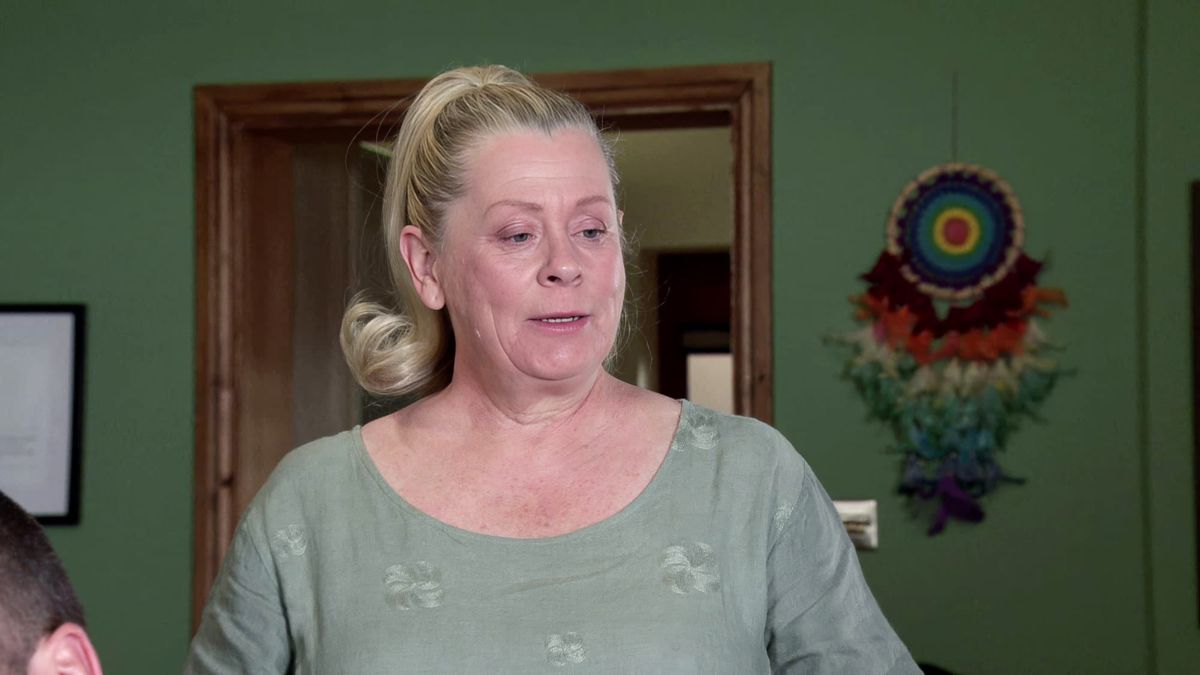
Coronation Street is exploring the impact of inherited cancer risk as Bernie prepares to receive a genetic test result that could have implications for her family, while Kit continues to face his stage three breast cancer diagnosis.
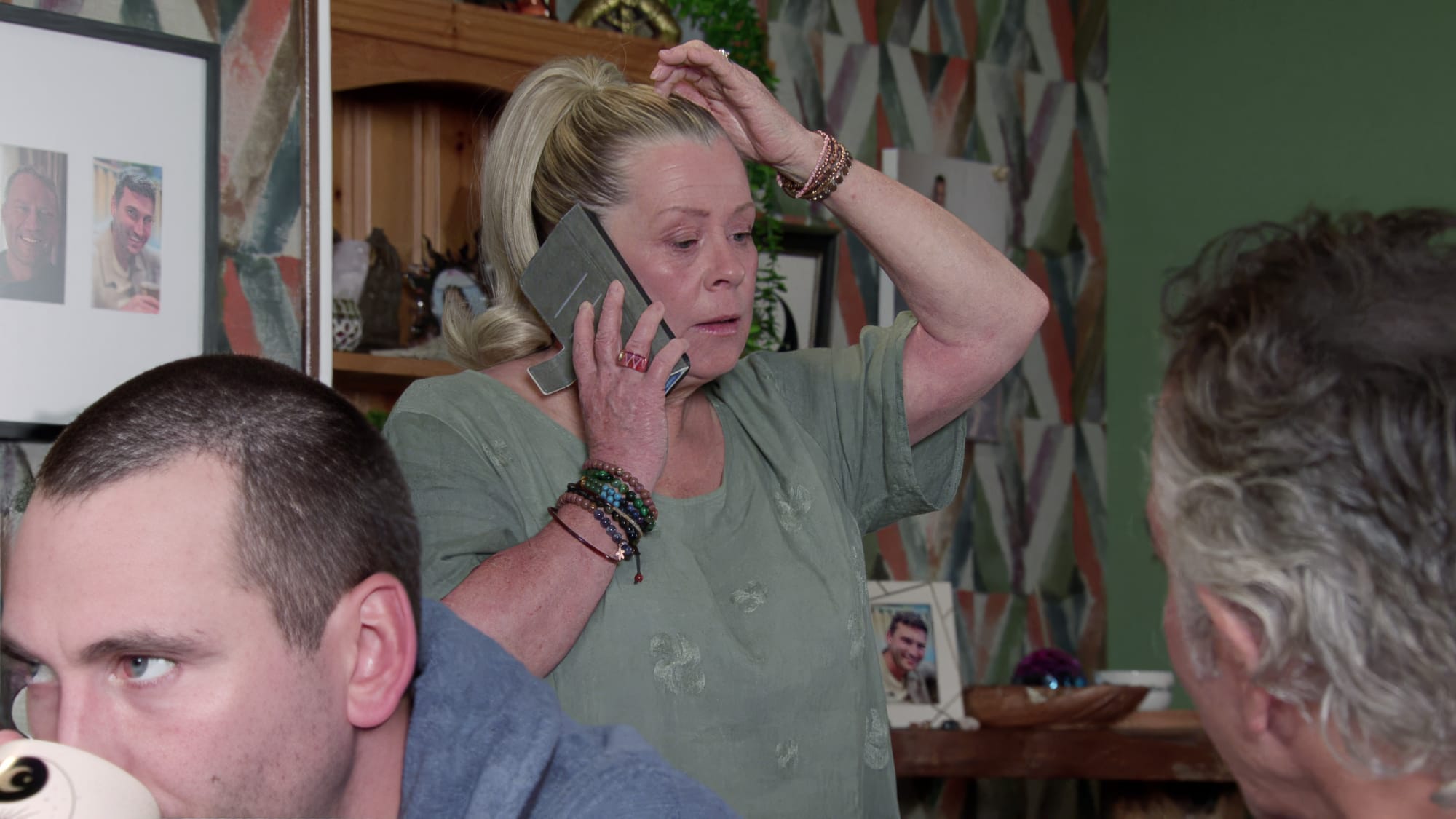
In scenes next week, Bernie receives confirmation that she carries a BRCA mutation. The news leaves her struggling to process what it means, and she attempts to conceal her distress from husband Dev and Kit, although they both notice that something is wrong.
The development raises an important question for viewers: what exactly does BRCA mean, and what does it mean to carry a harmful variant in one of these genes?
Although Bernie's result brings genetic risk into focus at a particularly difficult time for the family, it is important to distinguish an increased risk of cancer from a diagnosis.
What does BRCA stand for?
BRCA stands for BReast CAncer and refers to two genes, BRCA1 and BRCA2. Everyone has both genes, which are inherited from their parents and play an important role in protecting the body against cancer.
BRCA1 and BRCA2 are known as tumour suppressor genes because they help prevent cells from growing uncontrollably. They produce proteins involved in repairing damaged DNA, helping maintain the stability of cells and reducing the chance that harmful genetic changes will accumulate.
The genes themselves are not faulty or dangerous simply because someone has them. The concern arises when a person carries a harmful variant in BRCA1 or BRCA2 that affects how the gene works. When the normal repair process is disrupted, cells can become more vulnerable to changes that contribute to cancer developing.
Despite the name, BRCA genes are not linked exclusively to breast cancer. Harmful variants can increase the risk of several cancers, including breast, ovarian, prostate and pancreatic cancer. The level of risk depends on factors including which gene is affected and the particular variant involved.

Does carrying a BRCA mutation mean someone will get cancer?
No. A harmful BRCA1 or BRCA2 variant can significantly increase a person's lifetime risk of developing certain cancers, but it does not mean they will definitely become ill.
This distinction is central to understanding Bernie's result. A positive test for an inherited harmful variant is information about her risk, not confirmation that she has cancer. The result may lead to discussions with healthcare professionals about her personal circumstances, family history and whether additional screening or other ways of managing her risk would be appropriate.
The implications can differ between BRCA1 and BRCA2. Both are associated with an increased risk of breast cancer, while harmful variants in BRCA1 are particularly associated with ovarian cancer risk. BRCA2 variants are also linked to ovarian cancer and increased risks of prostate and male breast cancer. Both genes can be relevant to pancreatic cancer.
Men can carry BRCA variants as well as women, and men with certain harmful variants can face an increased risk of breast cancer. That is particularly relevant to a storyline in which Kit is already dealing with the disease, although Bernie's result alone cannot establish whether he carries the same variant or whether his cancer has an inherited cause.
A genetic test result therefore needs to be interpreted carefully. It can provide valuable information about possible risks, but it cannot predict with certainty whether someone will develop cancer or when it might happen.

Can the BRCA mutation run in families?
Yes. Harmful variants in BRCA1 and BRCA2 can be passed down through families, and a person can inherit a variant from either their mother or their father. This means a family history of certain cancers can sometimes provide clues that an inherited risk may be present, although not every family with a history of cancer will have a BRCA variant.
If a parent carries an inherited harmful BRCA variant, each of their children has a 50% chance of inheriting it. This applies separately to every child, regardless of whether they are male or female. A person can also carry a variant without knowing of any close relatives who have had cancer.
For Bernie, the result could therefore have implications beyond her own health. Depending on the precise finding, biological relatives may wish to discuss their family history and whether genetic counselling or testing would be appropriate.
What does Bernie's result mean for Kit Green?
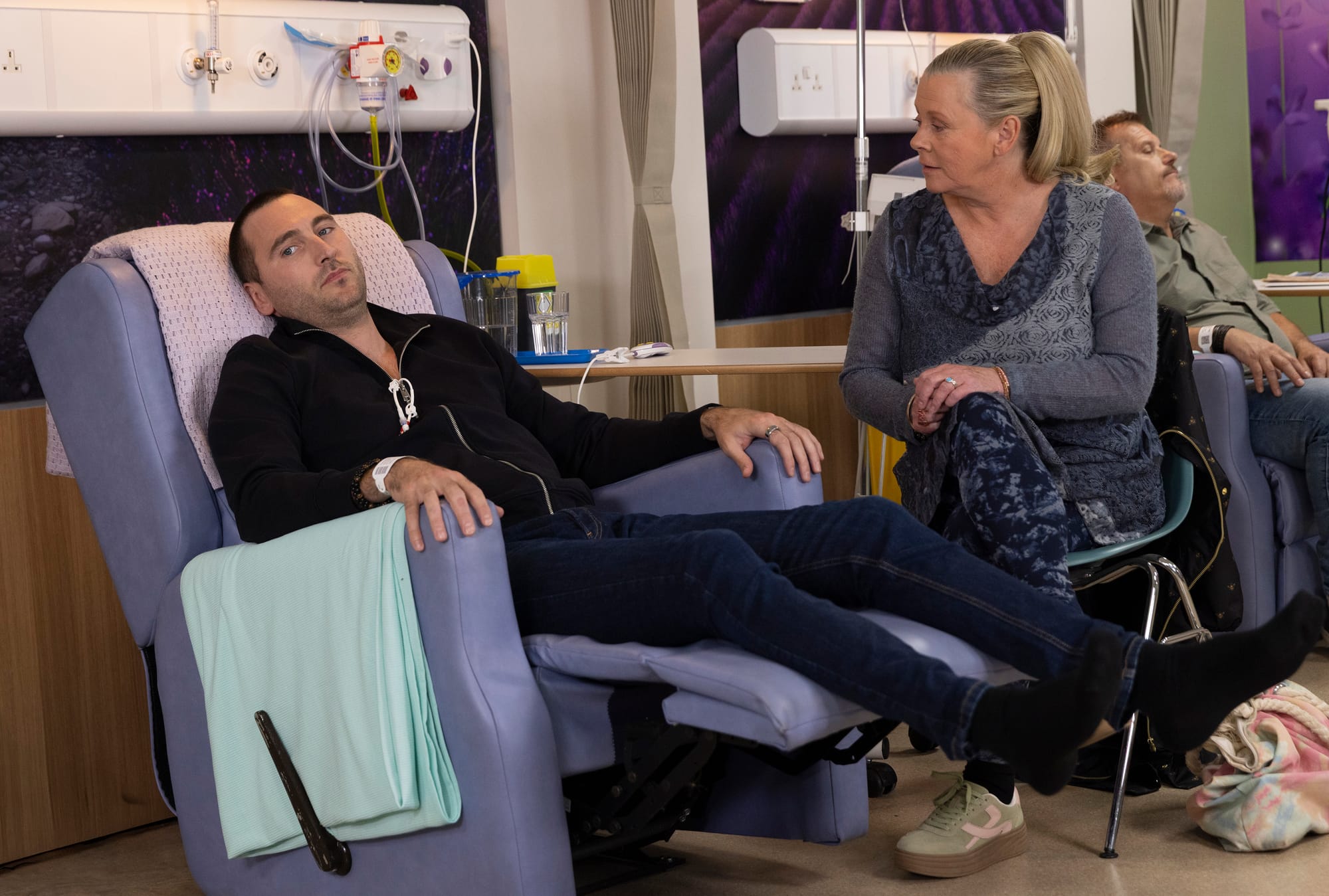
Kit's stage three breast cancer diagnosis gives Bernie's test result an especially personal significance, as the family faces questions about cancer and the possibility of inherited risk. The storyline also provides an opportunity to highlight that breast cancer can affect men, even though it is much less common in men than in women.
Jacob Roberts, who plays Kit, has spoken about his own lack of awareness before taking on the storyline. Discussing the portrayal, he said:
“I genuinely didn’t know that men could get breast cancer and I felt, to make it authentic, that Kit shouldn't know that men can get breast cancer either.”
His comments underline the value of bringing male breast cancer into a mainstream soap storyline. While a diagnosis may be unexpected for some men, breast cancer is not exclusive to women, and inherited BRCA variants can be relevant to cancer risk in both sexes.
By placing Bernie's genetic test result alongside Kit's diagnosis, Coronation Street is exploring how cancer can affect an entire family. Understanding BRCA1 and BRCA2 helps explain why the result matters, while also making clear that an increased risk is not the same as a cancer diagnosis.
Sources/Where to seek help: Anyone concerned about their risk of inherited cancer should speak to their GP, who can assess their personal and family history and advise whether genetic counselling or testing may be appropriate.
Further information about BRCA1 and BRCA2, inherited cancer risk and genetic testing is available from the NHS and the National Cancer Institute.
In the UK, people affected by breast cancer can also find information and support through Breast Cancer Now.