Two LGBT Veterans Win High Court Fight Over £50,000 MOD Compensation
Two LGBT veterans have won permission to challenge MOD compensation rules after receiving £7,000 and £5,000 instead of the £50,000 dismissal payment.

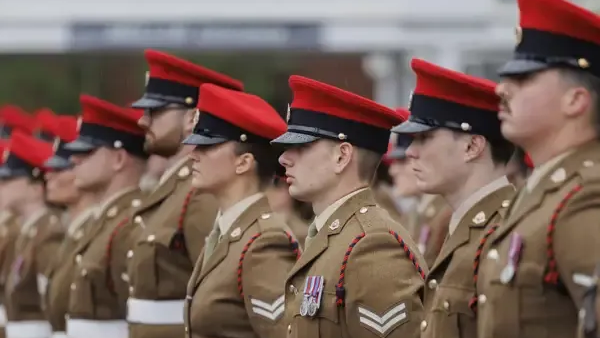
Two former members of the British Armed Forces have won the first stage of a High Court challenge over compensation for LGBT veterans who were forced to leave military service because of their sexuality.
Steven Stewart and Mark Shephard have been granted permission to proceed with a full judicial review of the Ministry of Defence’s LGBT Financial Recognition Scheme, after arguing that its rules unfairly distinguish between personnel who were formally dismissed and those who resigned under pressure.
Mrs Justice Eady gave the case permission to proceed on Wednesday 28 October 2026, opening the way for a full hearing expected in January 2027. The ruling does not determine whether the compensation rules are unlawful, but it means the veterans’ challenge can now be examined in greater detail.
Why are the veterans challenging the MOD?
Steven Stewart, a former corporal in the Royal Military Police, says he was subjected to an investigation and threatened with a court martial and imprisonment because of his perceived sexuality during the 1990s.
Mark Shephard, who served in the Royal Air Force, also experienced discrimination and bullying before leaving military service. Both men argue that their resignations were the result of circumstances that made continuing their careers impossible.
Under the current compensation scheme, Stewart received £7,000 and Shephard £5,000, but neither qualified for the separate £50,000 payment available to eligible veterans who were formally dismissed or administratively discharged.
Their legal challenge centres on whether the MOD can fairly distinguish between veterans dismissed because of the ban and those who say they were effectively forced to resign before formal disciplinary action was completed.
How much compensation can LGBT veterans receive?
The LGBT Financial Recognition Scheme was introduced in December 2024 following the independent Etherton Review, which examined the treatment of LGBT personnel during the military ban that ended in January 2000.
Under the scheme, qualifying veterans who were dismissed or administratively discharged because of their sexuality or gender identity can receive a £50,000 payment.
A separate impact payment of between £1,000 and £20,000 is available to eligible veterans who experienced harm, including investigations, harassment, bullying or pressure to leave the Armed Forces.
Some veterans can therefore receive combined payments of up to £70,000, while those whose departures were recorded as voluntary resignations may qualify only for the lower impact payment.
The scheme already recognises certain officers who were formally instructed to resign by their Service Board, but the two claimants argue that other personnel who resigned under pressure are being treated differently despite experiencing comparable harm.
Could hundreds of other veterans be affected?
The legal challenge is supported by Fighting With Pride, the charity working with LGBT veterans affected by the military’s former ban, alongside legal representatives at Irwin Mitchell and Good Law Project.
Campaigners believe several hundred former personnel may have experienced similar circumstances, including those who resigned after investigations, threats or pressure from senior officers.
Fighting With Pride has identified approximately 70 individuals who have approached the charity or legal representatives concerning similar experiences, although the eventual number affected by any court decision is not yet known.
The charity argues that the official classification of a departure does not necessarily reflect whether a service member had a genuine choice about remaining in the military.
What has the MOD said?
The Ministry of Defence maintains that the Financial Recognition Scheme was established to acknowledge historic harm rather than determine legal liability for individual cases.
Its legal position is that the scheme operates within an allocated budget and that there are grounds for distinguishing between personnel formally dismissed under the ban and those whose departures were recorded differently.
The government has also acknowledged the suffering caused by the former military policy and introduced restorative measures following the Etherton Review, including official apologies, the restoration of medals and corrections to service records.
The High Court will now consider whether the disputed compensation rules are lawful and whether the distinction between dismissal and resignation is justified.
When is the deadline for LGBT veterans to apply?
The legal proceedings come at an important point for former service personnel because the LGBT Financial Recognition Scheme closes to new applications at 11.59pm on Saturday 12 December 2026.
That deadline falls before the full judicial review, which is currently expected in January 2027, meaning eligible veterans should not assume the court case will automatically extend the application period.
The MOD has confirmed that eligible financial applications are expected to be processed by 1 April 2027, while approved non-financial restorative measures may continue beyond that date.
Veterans who believe they were affected by the ban can check their eligibility and apply through the government’s official scheme, with support also available through Fighting With Pride.