Virgin unveils new European train as Eurostar faces fresh competition
Virgin has revealed its new Alstom Avelia Stream trains, with London to Paris, Brussels and Amsterdam services planned from 2030.

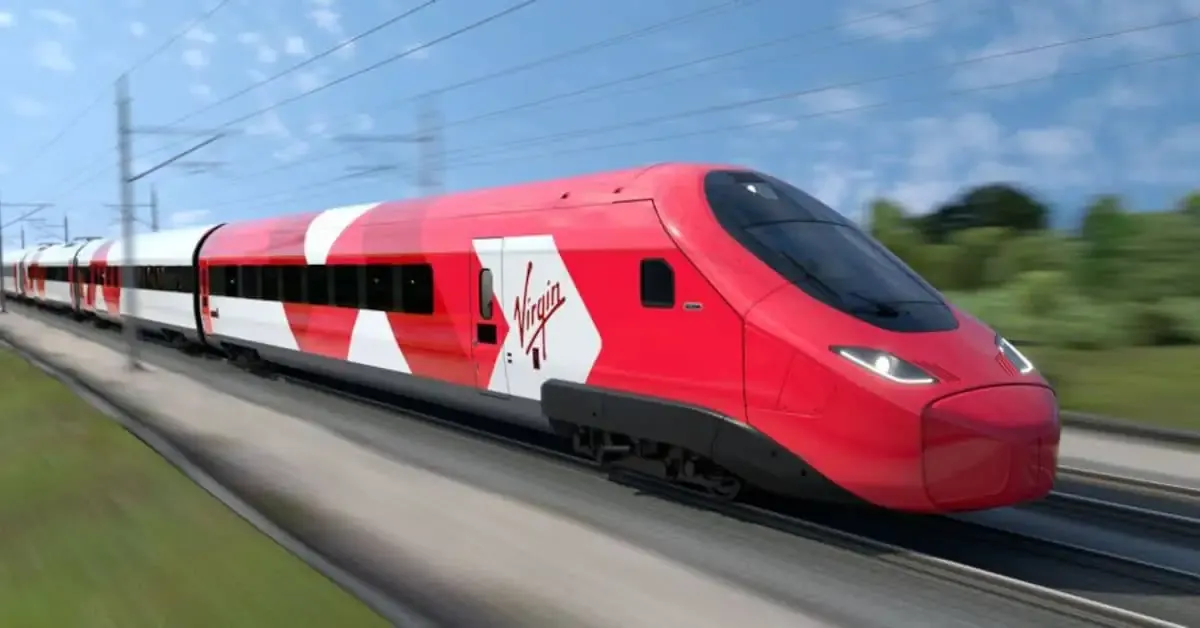
Virgin has unveiled the striking black-and-red design of its planned European high-speed trains as the company prepares to challenge Eurostar with new services connecting London with Paris, Brussels and Amsterdam from 2030.
The company has signed agreements with French rail manufacturer Alstom for 12 new high-speed trainsets, marking a major step towards its planned entry into the cross-Channel market. The trains will be capable of reaching speeds of up to 300km/h (186mph), with Virgin promising a different onboard experience inspired by its airline, hotel and cruise businesses.
The announcement, made on 9 October, brings the project closer to reality, although regulatory approval, financial arrangements and other operational preparations must still be completed before services can begin. Virgin plans to introduce up to 20 daily return services, which it estimates could add almost 7.5 million seats to the cross-Channel market every year.
What trains will Virgin use? Meet the Alstom Avelia Stream
For railway enthusiasts, the most significant detail is the choice of rolling stock. Virgin has selected Alstom's Avelia Stream high-speed platform, continuing a relationship with the manufacturer that stretches back to the Class 390 Pendolino trains used on the West Coast Main Line during Virgin's previous era as a British rail operator.
The Avelia Stream is a different proposition from those familiar tilting Pendolinos. It uses a single-deck, distributed-traction design, with powered equipment spread throughout the train rather than concentrated in a separate locomotive. This arrangement is intended to deliver efficient high-speed performance while making effective use of the space available for passengers and onboard facilities.
The trains will be capable of operating at speeds of up to 300km/h, or approximately 186mph. Their actual speeds will depend on the infrastructure and operating conditions on each route, but the specification places them firmly within Europe's high-speed rail market.
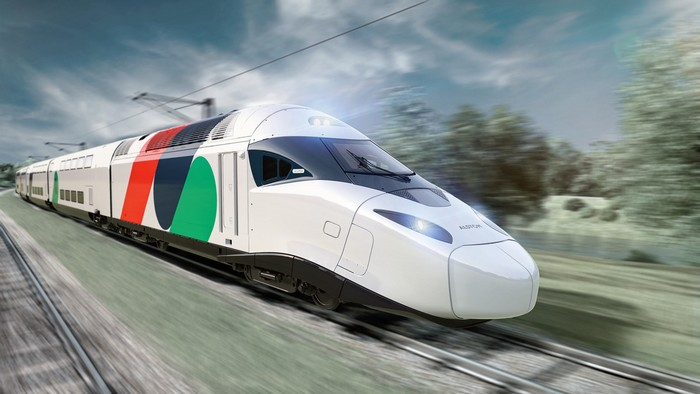
Alstom's Avelia range covers several different train designs, so it is worth distinguishing Virgin's choice from the trains ordered by Eurostar. Eurostar has selected the Avelia Horizon, a separate platform featuring articulated double-deck carriages, with deliveries scheduled to begin in 2031. Virgin's Avelia Stream trains will instead use a single-deck configuration, offering a different approach to passenger accommodation and interior layout.
The distinction matters because the two operators are pursuing different fleet strategies as competition on international rail routes develops. Eurostar's double-deck trains are designed to increase capacity, while Virgin's Avelia Stream order gives the new entrant a modern high-speed fleet intended specifically for its proposed cross-Channel operation.
How will the new trains work across Europe?
Operating between London and mainland Europe involves more than building a train capable of travelling at high speed. International services must meet the relevant safety requirements, accommodate different railway signalling systems and work with the electrical supplies and infrastructure used across the networks they serve.
Virgin's trains will need to be configured and approved for their intended routes, including operation through the Channel Tunnel. Their final technical specification and the details of their compatibility with each railway network will be important developments to follow as the project advances.
Alstom will manufacture the trains at its Savigliano facility in Italy, a site with extensive experience in producing high-speed rolling stock. The manufacturer will also provide long-term maintenance under a 30-year agreement, supporting the fleet throughout its operational life.
Maintenance arrangements are particularly important for a new international operator, which needs dependable access to specialist facilities and expertise. Virgin has also secured an agreement with Eurostar covering access to the Temple Mills International depot in east London, providing a base for maintaining its trains without having to establish an entirely separate facility from scratch.
What will the passenger experience be like?
Virgin is promising more than simply another way to cross the Channel, with plans to bring elements of its wider travel business into the onboard experience.
The company has drawn inspiration from Virgin Atlantic's airport lounges, Virgin Hotels and Virgin Voyages, with proposed features including social spaces, flexible areas for working and relaxing, and food and drink influenced by its cruise operation.
Virgin Red loyalty programme members are also expected to have opportunities to earn and spend points through the service. The company has indicated that it is exploring closer links between its trains and Virgin Atlantic flights, potentially offering further options for travellers combining rail and air journeys.
However, detailed carriage layouts, seating capacity, catering arrangements and the final onboard specification have not yet been confirmed. Ticket prices and booking dates have also not been announced, meaning passengers cannot yet compare the proposed service with existing Eurostar fares.
Which routes will Virgin serve from 2030?
Virgin plans to connect London with Paris, Brussels and Amsterdam, three of the most established destinations for international rail travel from the UK. The proposed timetable of up to 20 daily return services is intended to give passengers more choice when planning European city breaks, business trips and longer holidays.
The company estimates that the additional capacity could bring almost 7.5 million seats to the cross-Channel market annually. It also expects the project to support more than 1,000 jobs across the UK and Europe.
For travellers, the arrival of another operator could eventually mean greater competition on routes that have long been dominated by Eurostar. More capacity may create additional departure options, while competing operators could also put pressure on fares and encourage improvements to onboard services.
Those benefits are not guaranteed, however, and will depend on the final timetable, ticket pricing and how Virgin's services develop once they enter operation.
The proposed 2030 launch remains the target, with the train order and depot agreement representing important steps towards establishing the service. Further approvals, financing and operational preparations must still be completed before passengers can book their first journeys.
For railway enthusiasts, the choice of the Alstom Avelia Stream and the continuation of Virgin's relationship with the manufacturer behind its former Pendolino fleet make this a particularly interesting development. For holidaymakers, the bigger question is whether the new trains will deliver more convenient journeys, competitive fares and a genuine alternative for travelling between London and mainland Europe.