Viral Paris images highlight the dangers of AI-generated misinformation
Fact-checkers identify viral images supposedly showing an elderly couple robbed in Paris as AI-generated, highlighting the growing challenge of online misinformation.

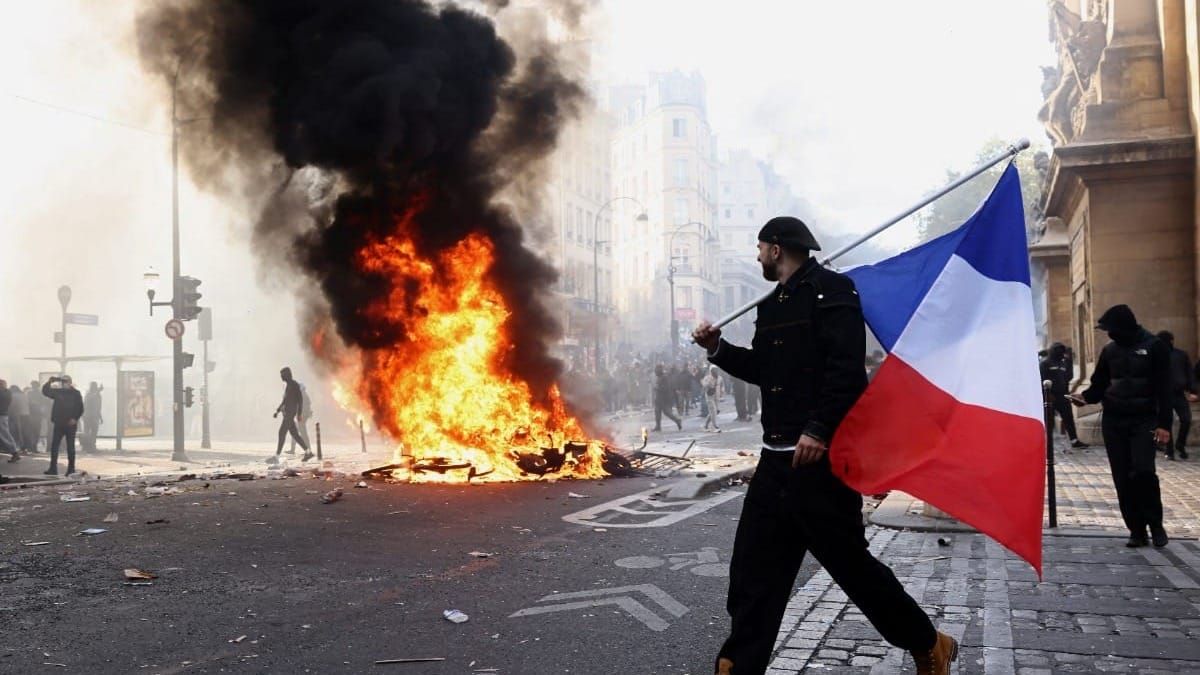
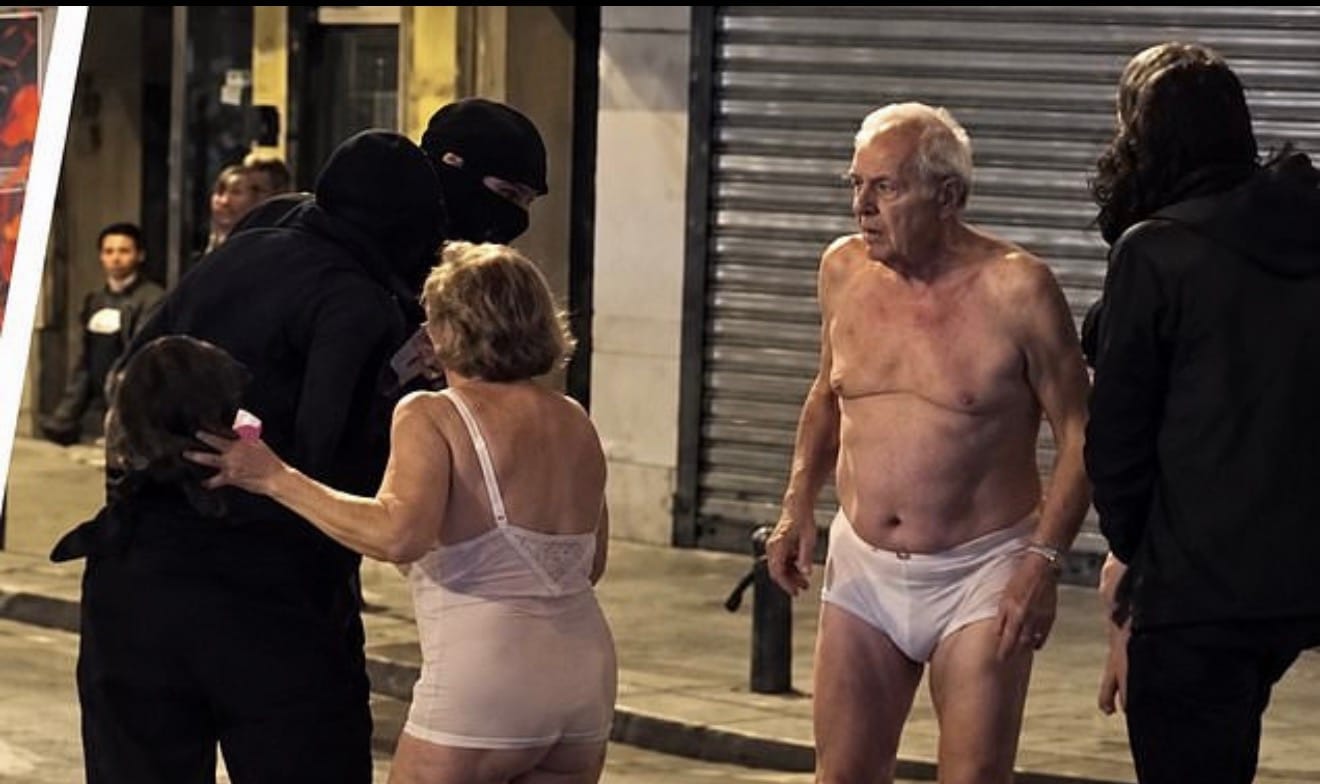
AI-generated images supposedly showing an elderly couple who had been robbed and left in their underwear in Paris have circulated online, highlighting how convincing artificial intelligence imagery can spread misinformation.
Fact-checking organisations investigated the images after they were shared alongside claims that the couple, reportedly in their eighties, had been attacked during unrest in the French capital.
French broadcaster TF1 Info reported on 19 October that the images were not reliable evidence of the alleged incident.
Spanish fact-checking organisation EFE Verifica and verification outlet Newtral also investigated the photographs, identifying evidence of AI generation.
The investigations highlighted visual inconsistencies and digital watermark evidence indicating that artificial intelligence had been used to create the imagery.
The Paris prosecutor’s office reportedly had no information confirming the alleged assault. The incident therefore remains unconfirmed by the authorities cited in the reporting, and the images cannot establish that it took place.
The case illustrates one of the growing challenges posed by AI-generated content. Modern image-generation tools can produce realistic scenes that appear to document real events, even when the people and circumstances depicted may be entirely fabricated.
When such images accompany dramatic claims, they can influence how people understand a story before reliable information becomes available.
AI-generated misinformation can spread beyond its original post, making it increasingly difficult for audiences to distinguish authentic photographs from synthetic imagery.
This is especially concerning when an image is designed to provoke shock, sympathy or anger, because an emotional response can encourage people to share it before checking its authenticity.
The issue also has implications for the entertainment industry, where AI-generated images and videos are becoming increasingly realistic and can blur the boundaries between genuine footage, fictional scenes and fabricated events.
For audiences accustomed to seeing dramatic imagery shared across social media, distinguishing creative content from material presented as real is becoming an increasingly important part of media literacy.