V for Vendetta’s Heartbreaking LGBTQ+ Story: Valerie, Ruth and the Fight to Exist
Discover V for Vendetta's heartbreaking LGBTQ+ storyline, Valerie and Ruth's relationship, the secret behind her letter, Gordon's story and where to watch.

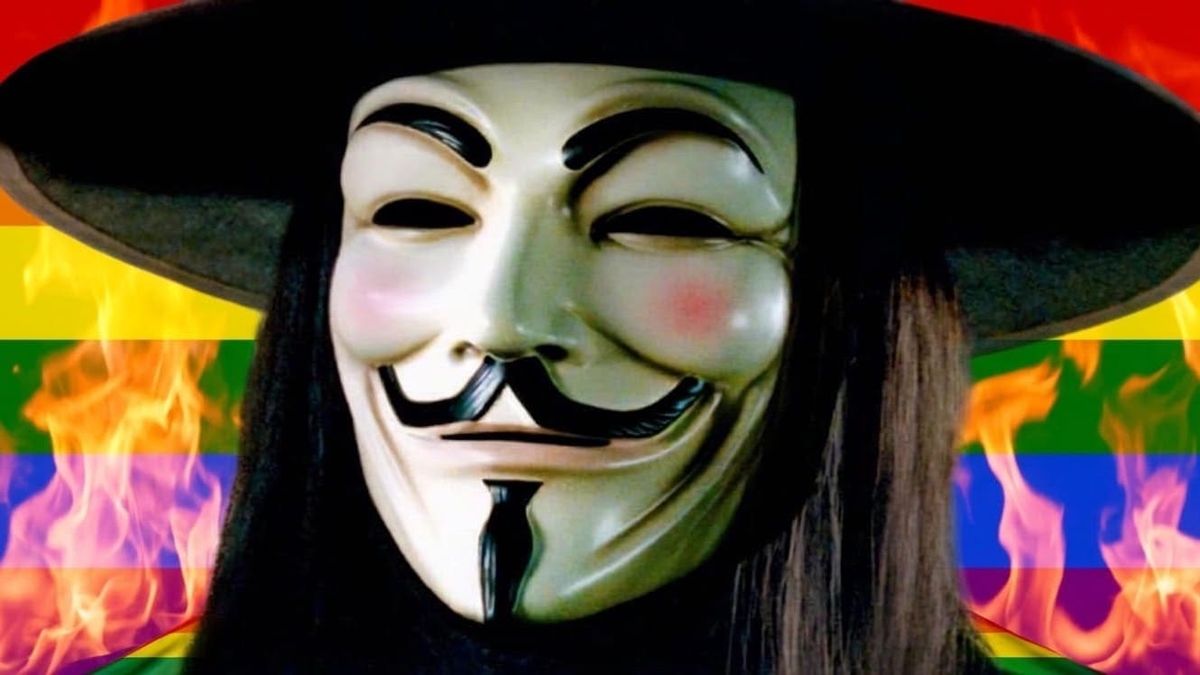
Behind the famous Guy Fawkes mask, political rebellion and explosions of V for Vendetta lies a devastating LGBTQ+ love story that provides one of the film’s most powerful moments.
As the 2006 thriller celebrates its twentieth anniversary, the experiences of lesbian actress Valerie Page, her partner Ruth and gay television presenter Gordon Deitrich deserve renewed attention. Their stories reveal the human consequences of a fictional government determined to punish people for their sexuality.
Valerie and Ruth: Three Years of Love Before Persecution
Valerie Page, portrayed by Natasha Wightman, is introduced through a handwritten letter discovered by Evey Hammond, played by Natalie Portman, during what she believes is her imprisonment.
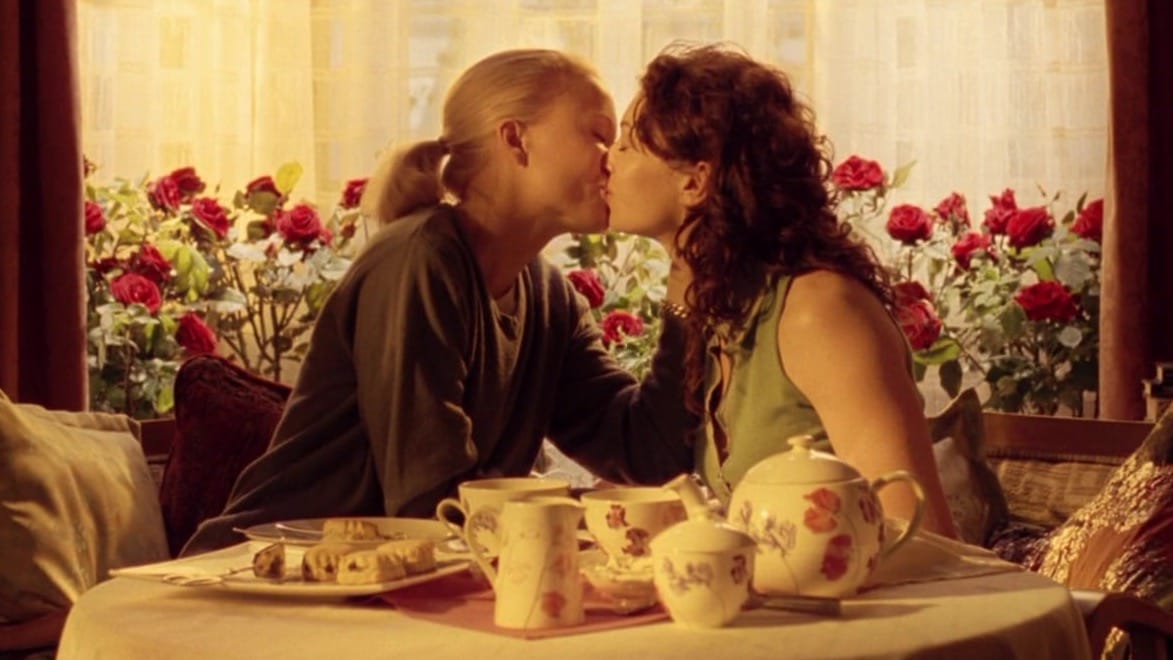
Through flashbacks, Valerie recalls discovering her sexuality, facing rejection from her family and eventually establishing an acting career.
She meets Ruth while working on a film, and the women fall in love. Their relationship lasts three years, during which Ruth sends Valerie roses every Valentine’s Day.
Those flowers become an important symbol of their happiness, representing a life built around love rather than fear. V later grows roses in memory of Valerie, connecting her story to his own experiences.
However, the rise of Britain’s fascist Norsefire government destroys their future. LGBTQ+ people are systematically persecuted, and Ruth is arrested while buying food.
What Really Happened to Ruth?
The original screenplay provides disturbing details about Ruth’s fate that are absent from the finished film.
During interrogation, Ruth is tortured and forced to identify Valerie. Unable to forgive herself for betraying the woman she loves, she subsequently dies by suicide in prison.
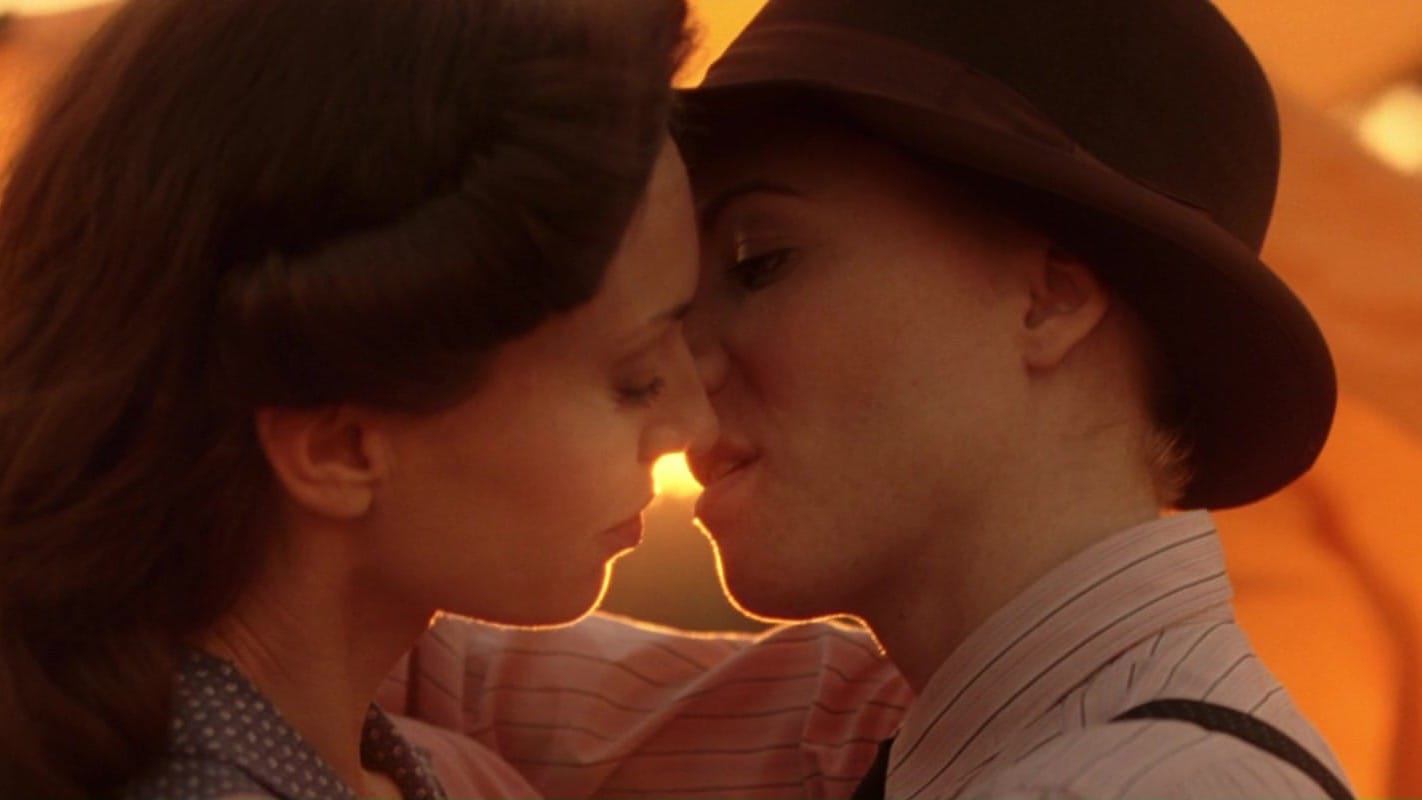
The released film does not explicitly recount those events, instead revealing that Ruth was taken away and Valerie was subsequently arrested.
Valerie is imprisoned at the Larkhill detention facility, where prisoners are subjected to medical experimentation. Her account becomes one of the clearest examples of the regime’s brutality.
The Meaning Behind Valerie’s Letter
While imprisoned, Valerie writes her life story on toilet paper, preserving her memories when almost every other freedom has been taken from her.
One of the letter’s most memorable passages reads:
“Every inch of me shall perish. Every inch… but one.”
That final inch represents her integrity and identity, something she refuses to surrender despite the brutality surrounding her.
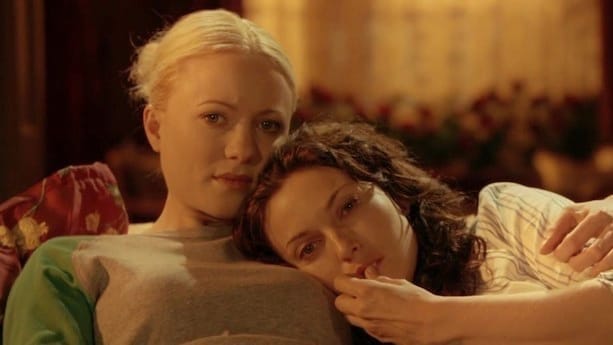
Valerie writes to an unknown future reader, offering compassion to someone she may never meet. Her words eventually reach V, who is also imprisoned at Larkhill, and later provide strength to Evey.
However, Evey discovers that V orchestrated her imprisonment and psychological abuse, believing the ordeal would free her from fear.
The revelation complicates his role as a revolutionary. While V uses manipulation and violence, Valerie’s resistance comes through preserving her memories and refusing to deny who she is.
Gordon’s Secret Reveals Another Side of LGBTQ+ Persecution
Stephen Fry portrays Gordon Deitrich, a successful television presenter who secretly lives as a gay man.
Unlike Valerie, whose relationship with Ruth represents a period of openly shared happiness, Gordon survives by concealing his sexuality.
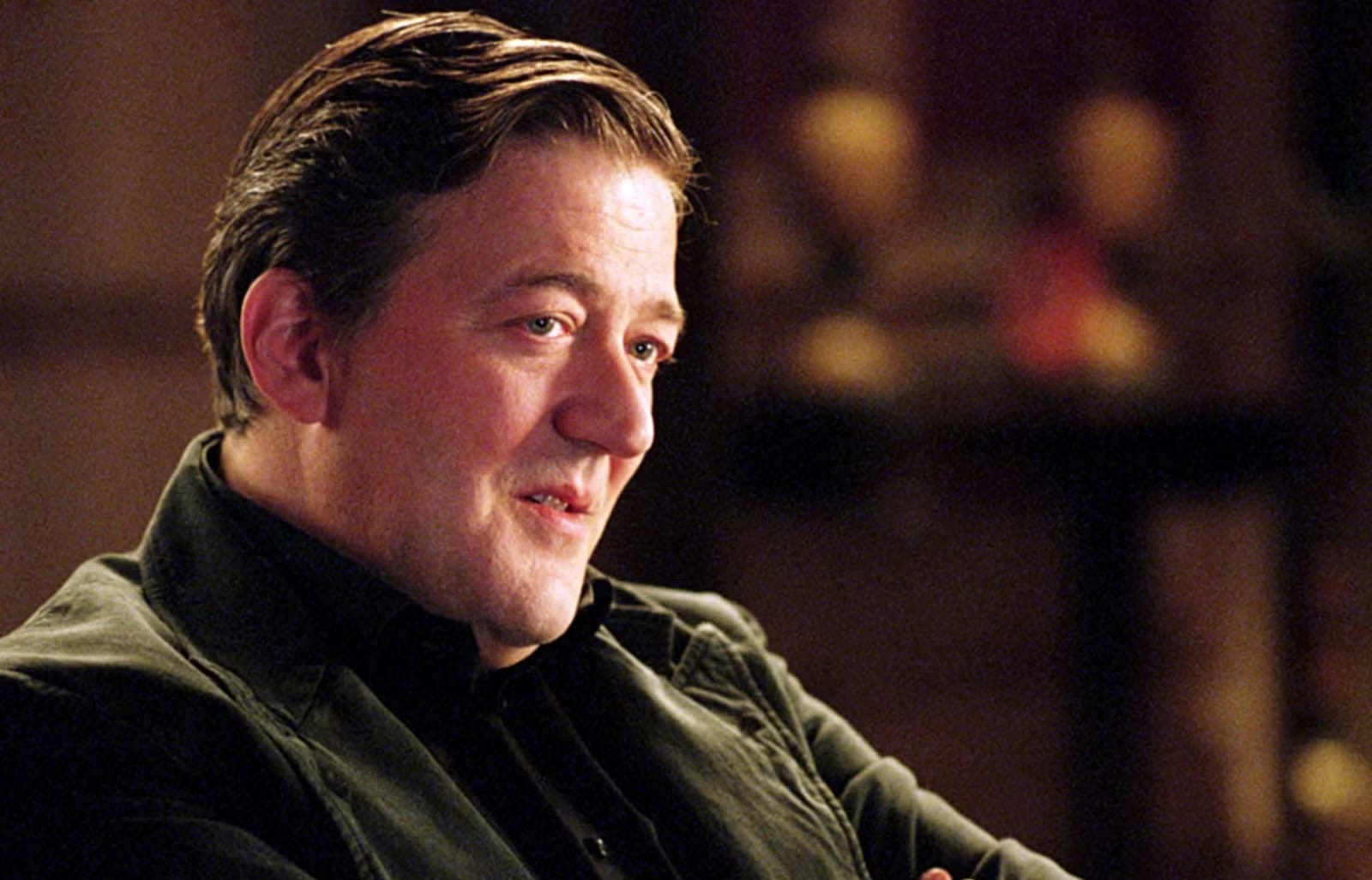
Despite his wealth and public recognition, Gordon cannot live openly under Norsefire’s discriminatory rule. After broadcasting a programme mocking the country’s leader, he is arrested and killed.
His character differs considerably from Alan Moore and David Lloyd’s original graphic novel, where Gordon is a criminal romantically involved with Evey.
The film adaptation therefore introduces another perspective on the fear and secrecy created by persecution.
Why Valerie’s Story Still Resonates
The persecution depicted in V for Vendetta echoes the treatment of LGBTQ+ people under real authoritarian governments, including Nazi Germany.
Valerie is not seeking political power or revolution. She wants to live with Ruth without fear of punishment, making the destruction of their relationship particularly devastating.
Although the government takes away her freedom and ultimately her life, the letter survives. Its message reaches two strangers, demonstrating how her words outlive the regime’s attempts to erase her identity.
Where Can You Watch Valerie and Ruth’s Story?
Valerie and Ruth’s relationship is explored in the 2006 film V for Vendetta, with Natasha Wightman portraying Valerie and Natalie Portman playing Evey, whose discovery of Valerie’s letter reveals the persecution suffered under Norsefire.
Their story is part of the main film rather than a separate production, while Stephen Fry’s portrayal of Gordon provides another perspective on LGBTQ+ life under the fictional dictatorship.
UK viewcan find the film available to stream on most platforms, or available for online renta.
Watch the Trailer and Explore the Original Story
For those interested in the fuller background, Alan Moore and David Lloyd’s original V for Vendetta graphic novel offers another perspective on Valerie’s experiences, including details not explicitly presented in the finished film.