Universal Music Hires Spotify AI Leader for New Role
Universal Music has hired former Spotify AI leader Òscar Celma to lead applied AI and machine learning as the label group expands licensed AI music.

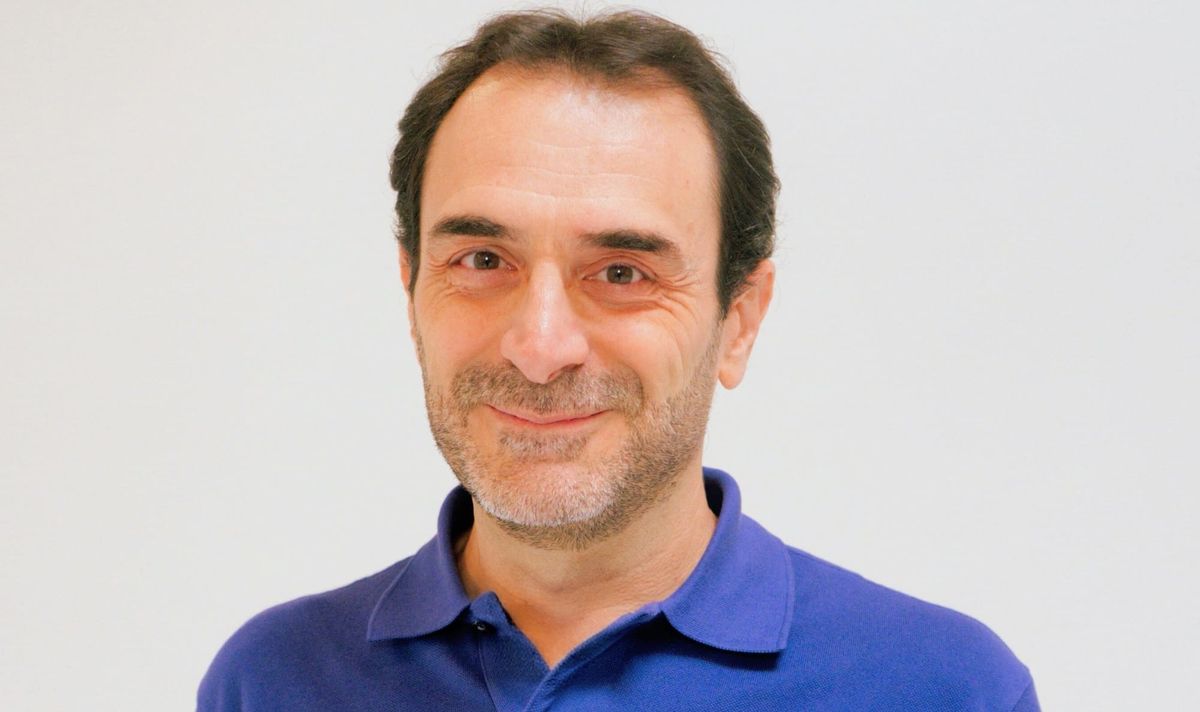
Universal Music Group has created another major link between the traditional music industry and artificial intelligence by appointing former Spotify executive Òscar Celma as Senior Vice President of Applied AI and Machine Learning.
The appointment took effect immediately on September 28 and comes during an unusually busy period for Universal’s AI strategy. The company is increasingly moving beyond simply responding to generative music platforms and is building licensed AI products of its own.
Òscar helped shape Spotify personalization
Òscar brings more than two decades of experience across artificial intelligence, recommendation systems and music technology.
At Spotify, he worked on personalized listening experiences including AI DJ, Jam and Daylist, along with the wider discovery systems used to help listeners find music. Before that, he spent seven years in senior data science roles at Pandora and SiriusXM.
His background also includes research at Gracenote and work with Barcelona based music technology company BMAT. Most recently, he led machine learning and product analytics at Condé Nast.
That combination is notable because it sits directly at the point where music, audience behavior and AI meet.
Recommendation has shaped streaming for years
Artificial intelligence in music did not begin with tools that generate entire songs. Recommendation systems have quietly influenced what people hear for years. Streaming services analyze listening behavior and other signals to decide which tracks appear in personalized playlists, radio stations and discovery features.
That makes somebody with deep recommendation experience particularly relevant to a record company.
Universal is not only interested in how music gets created. It also has an enormous interest in how listeners discover artists, how fans interact with catalogues and how technology creates new paid experiences around existing songs. Applied AI can potentially touch all of those areas.
Universal has accelerated its AI deals
The timing of the appointment is significant because Universal has already announced several major AI partnerships during 2026.
Earlier in September, the company entered a multi year agreement with ElevenLabs to develop a licensed AI music creation platform. The planned service will allow fans to create remixes, mashups and new interpretations using music from participating artists and songwriters.
The central difference from many early generative music platforms is licensing. Participating music is intended to enter the system through agreed rights and artist involvement rather than being treated as an unrestricted pool of material.
Universal has also worked with Spotify on licensed AI powered covers and remixes and has continued developing relationships with other music technology companies.
The industry is moving from lawsuits to products
The first years of generative music were dominated by conflict over training data, copyright and whether AI companies had permission to use commercial recordings.
What is changing is that major rights holders are increasingly trying to build commercial AI systems that sit inside licensed structures. Instead of only asking how to stop unauthorized generation, labels are also asking what people might pay for if artists and songwriters are included from the start.
A fan might create a personalized version of a track, experiment with a remix or interact with an artist’s music in ways that previously required professional production skills.
The important business question is how value flows back to the people who created the underlying music.
Òscar’s role could reach far beyond generated songs
Applied AI and machine learning is a much wider brief than generative music alone.
Universal could use machine learning across discovery, audience understanding, catalogue organization, recommendations and new fan experiences. The same technology can also help identify patterns across enormous amounts of music and listener data.
That does not mean every area of Universal’s business is about to become automated. The appointment instead suggests the company wants senior AI expertise inside the organization as these systems become part of more everyday decisions.
Music companies are building their own AI expertise
Major labels once relied heavily on external technology platforms to define how digital music worked.
Streaming changed that relationship because Spotify, Apple Music, YouTube and others became crucial gateways between artists and listeners. Generative AI creates another moment where the rules could be shaped by technology companies unless rights holders develop their own expertise.
Hiring someone who has already worked inside major streaming recommendation systems gives Universal knowledge from the other side of that relationship.
It also arrives at a point when AI music products are moving quickly from experiments to licensed consumer services. The most interesting question is therefore not whether Universal intends to use more AI. That direction is already clear.
The bigger question is how the company combines machine learning, licensed creation and personalization without losing the artists and songwriters whose work gives those systems value in the first place.