UK Government Promises Stronger Protection for Disabled Air Passengers
UK government plans promise stronger protection for disabled air passengers, including improved wheelchair safeguards and better-trained airport staff.

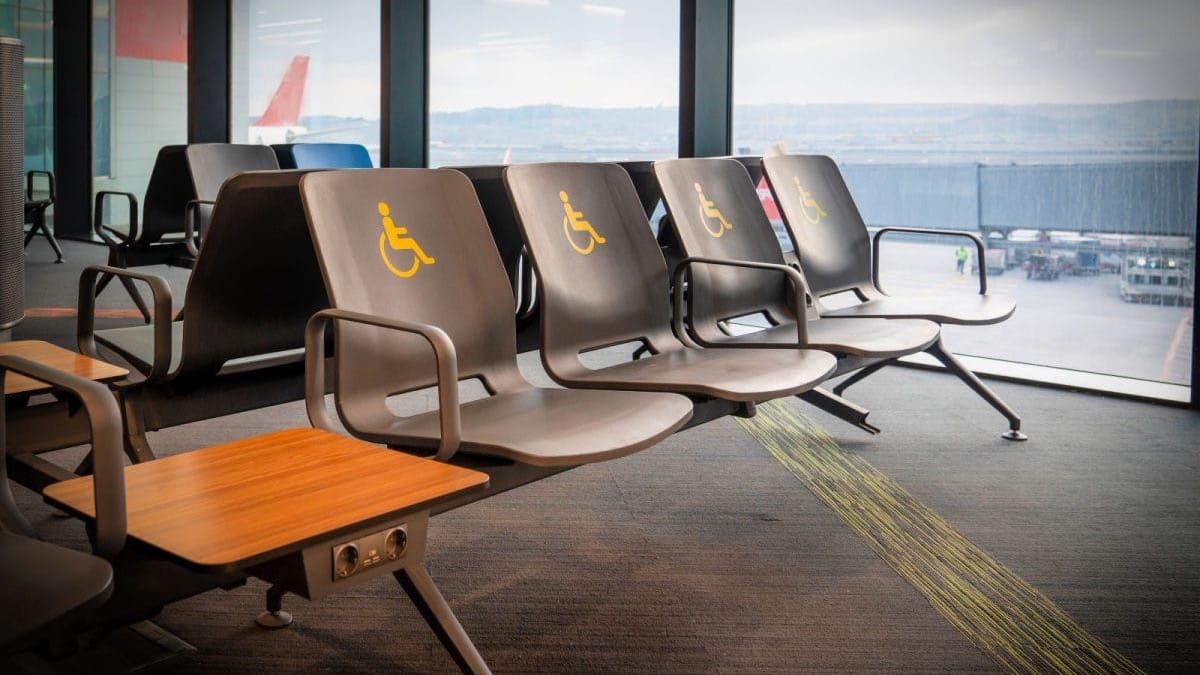
Disabled air passengers could receive stronger protection when flying, as the UK government announces new measures to improve accessibility and prevent wheelchairs being damaged during air travel.
More than 1,000 wheelchairs were damaged in transit in 2024 alone, according to the Department for Transport. The latest announcement, made on 19 October 2026, sets out improvements intended to help disabled travellers receive better assistance and have greater confidence that their mobility equipment will be handled safely.
The measures come as the Civil Aviation Bill progresses through Parliament, with further changes intended to strengthen passenger rights.
Wheelchair damage remains a serious concern
For wheelchair users, damaged equipment can mean much more than an inconvenience. Many wheelchairs are specially adapted to meet individual needs, making replacement difficult, expensive and potentially disruptive to everyday life.
Damage during a flight can leave passengers struggling to move around independently at their destination. It can also affect their ability to return home comfortably and safely.
The government’s latest plans include stronger safeguards for mobility equipment and better training for airline and airport staff. The aim is to improve the assistance disabled passengers receive throughout their journeys, from navigating airport facilities to boarding and arriving at their destination.
What protections are being proposed?
The wider aviation reforms include plans to remove compensation limits for wheelchairs and mobility aids that are lost, damaged or destroyed on domestic UK flights.
The legislation is also intended to strengthen the powers available to the aviation regulator and improve accountability when airlines and airports fail to meet their obligations.
However, passengers should distinguish between the accessibility improvements announced in October and legal changes that still depend on the legislative process. Not every proposed protection is automatically in force.
What should disabled travellers know?
Passengers who require assistance should contact their airline before travelling and explain their needs as early as possible. Anyone travelling with a powered wheelchair should also check the airline’s requirements for batteries, handling and transport.
The latest announcement represents a further step towards making flying more accessible. For disabled passengers, the priority is ensuring that assistance is reliable and that essential mobility equipment receives the care it needs.