UK airport e-gates could end passport scans within weeks
UK airport e-gates are changing as British passengers prepare to use new contactless border checks without scanning their passports.

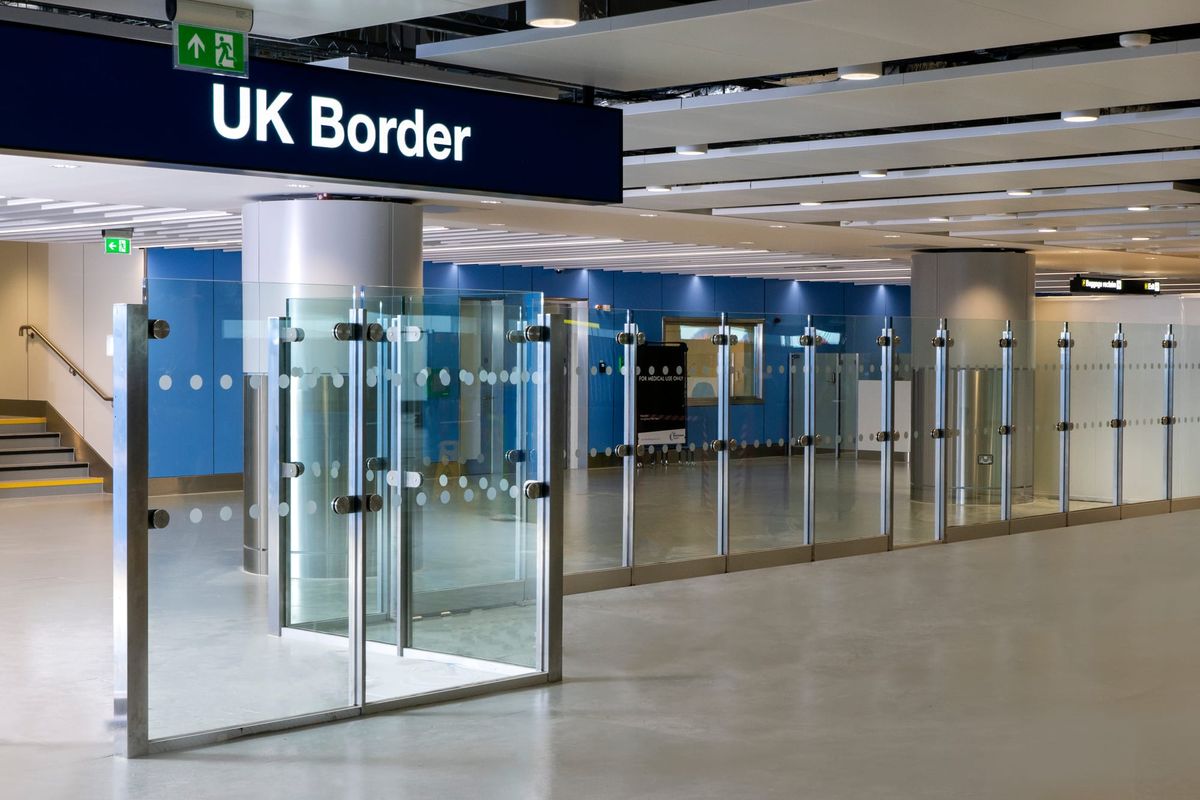
British travellers could soon return through UK airports without physically scanning their passports as Border Force prepares to introduce a new contactless e-gate system.
Birmingham and East Midlands airports are expected to receive the technology first within weeks, before a wider rollout across UK airports using e-gates. Passengers will still need to carry their passport because airlines will continue to require it for check-in and boarding, but the arrival process itself could become noticeably quicker.
What is actually changing at UK e-gates?
Facial recognition is already part of the current e-gate process, so the change is not simply that airports are beginning to recognise passengers by their faces.
At present, a traveller inserts a biometric passport into the gate. The system reads the passport chip, takes a live photograph and checks whether the person standing at the gate matches the image held in the passport.
The new system removes the need for that first physical scan for eligible British passengers. Airlines will instead send passport photographs of expected arrivals to border authorities, creating a smaller group of people against which an arriving traveller can be compared.
When a passenger reaches the e-gate, the camera will attempt to identify them using that information. If the match cannot be made confidently, the passenger can still be asked to scan their passport or speak to a Border Force officer.
Could it actually make airport queues shorter?
Border Force believes the contactless system could make the border process around 25 per cent faster.
Current e-gates can be slowed when a passenger positions their passport incorrectly, when the electronic chip is difficult to read or when somebody repeatedly removes the document before the scan has completed. Removing that stage could reduce some of the small delays that become significant when thousands of passengers arrive within a short period.
A three-week trial was previously carried out at Manchester Airport, giving Border Force an opportunity to test the technology with real passengers before expanding it.
The wider rollout is expected to reach the existing UK e-gate network by early 2027. Airports currently using e-gates include Heathrow, Gatwick, Manchester, Stansted, Edinburgh, Glasgow, Bristol, Cardiff, Newcastle, London City and Luton alongside Birmingham and East Midlands.
Will you still need to take your passport?
Yes. The biggest misunderstanding around the change is likely to be the idea that British travellers will no longer need a passport at all.
Passengers will still need the physical document to travel internationally, including when checking in and boarding their flight. The contactless system changes what happens when an eligible passenger reaches UK passport control after returning home.
The first stage is expected to apply to British passport holders before potentially expanding to other nationalities currently eligible to use UK e-gates.
That means the familiar ritual of opening the passport at the photo page and trying several times to place it correctly into the scanner could soon disappear for millions of returning British travellers.