Tilly Norwood Explained: How the AI Character Is Really Made
How is Tilly Norwood made? Creator Eline van der Velden reveals the 2,000 iterations, 15-person team, AI tools and human creative decisions behind the character.


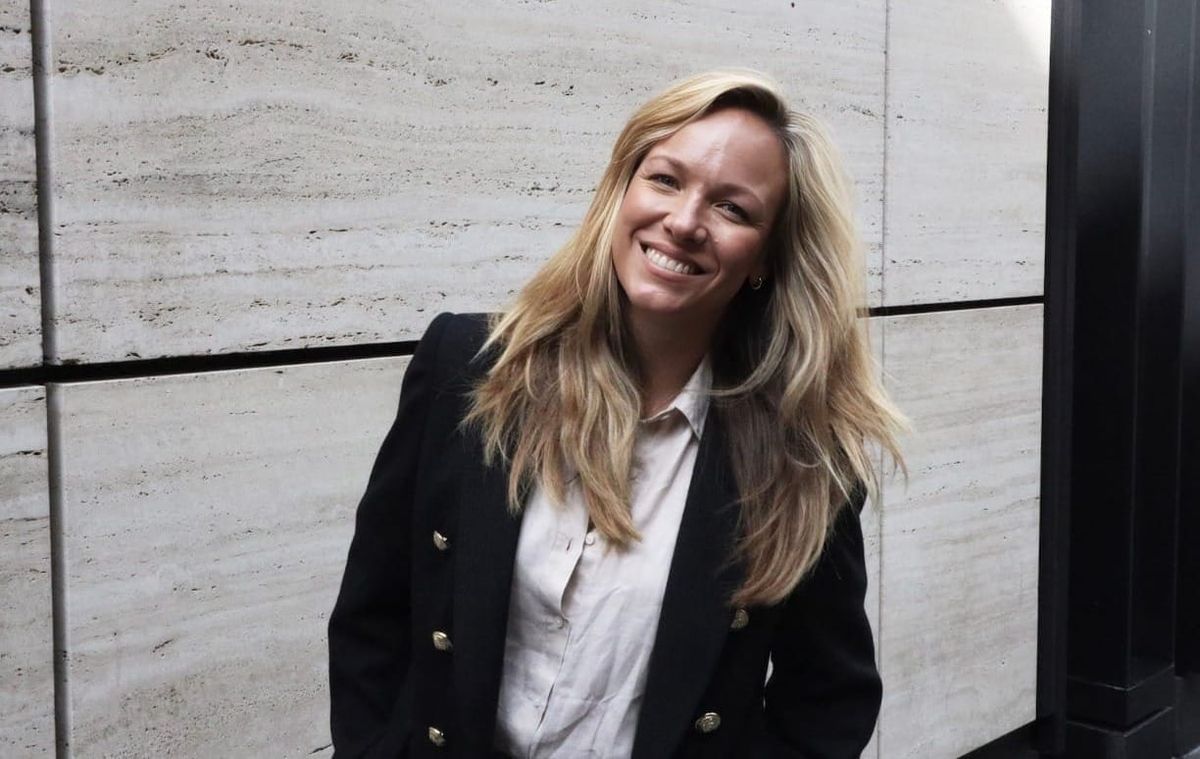
Tilly Norwood has become one of the most talked-about AI-created characters in entertainment, but the finished face seen in interviews and online tells only a fraction of the story behind her creation.
While it can be easy to imagine an AI character emerging fully formed from a carefully written prompt, Tilly’s creator says the reality involves months of work, thousands of revisions and a sizeable human creative team.
Speaking exclusively to SoapLandTV, Eline van der Velden, Founder & CEO of Particle 6, has explained in detail how Tilly is made, who is responsible for shaping her personality and why she believes the human work behind AI entertainment is often overlooked. She also addressed questions around originality, consent and where she believes the line should be drawn when AI enters traditionally human areas of entertainment.
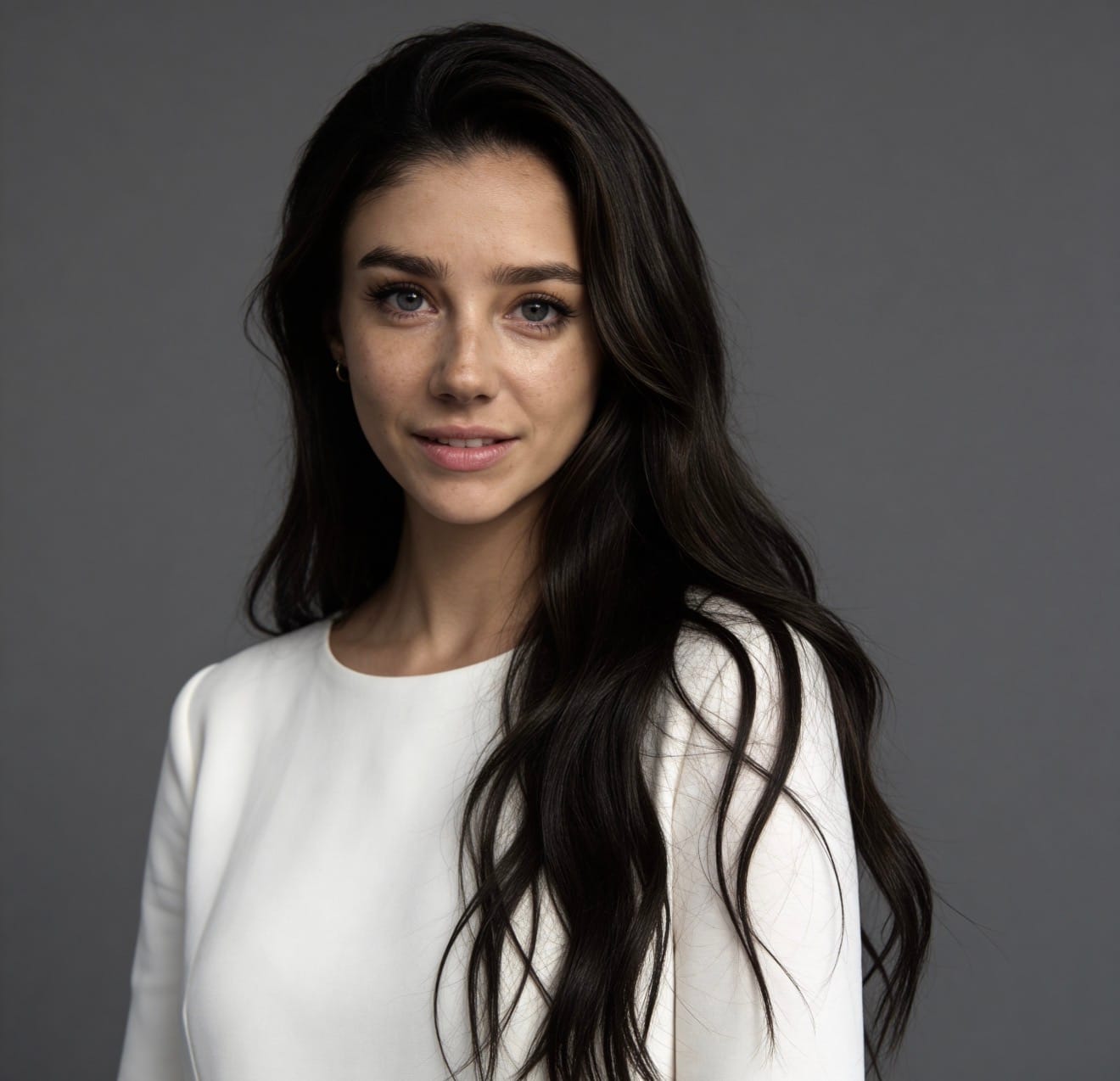
For Eline, one of the most important starting points is understanding what Tilly is supposed to be. She does not describe her as a real woman or as an attempt to create a substitute for a human performer, but as a fictional character existing within a new form of entertainment.
“Tilly Norwood is a character; a piece of art, not a person and not a replacement for one. She's a 24-year-old English rose, and she lives entirely inside her own AI genre. I think of the entertainment industry as having three lanes: animation, traditional live action, and now this - AI, sitting alongside the other two mediums, not competing with either of them.”
That distinction sits at the centre of how Eline talks about the project. Rather than positioning Tilly against traditional performers, she sees AI-created characters as another medium that can sit alongside live action, animation, CGI and puppetry.
Her own background is significant too. Eline trained as an actor and has worked as a comedian, and she says her interest in AI came from wanting to see what creative people could do with a new set of tools, rather than finding a way to remove performers from the process.
“What I wanted to create with her was simple, really: proof that you can build a genuinely compelling character with these new, publicly available tools, the same way animators built Elsa, the same way puppetry and CGI expanded what a ‘performer’ could be. I'm an actor myself. I trained for it. So this was never about cutting anyone out, it was about picking up a new paintbrush and seeing what we could paint with it.”
One of the biggest misconceptions around Tilly, according to Eline, is the idea that the character simply appeared after somebody entered the right prompt. The process behind her has instead involved repeated experimentation, refinement and decisions by a much larger team than many people might expect.
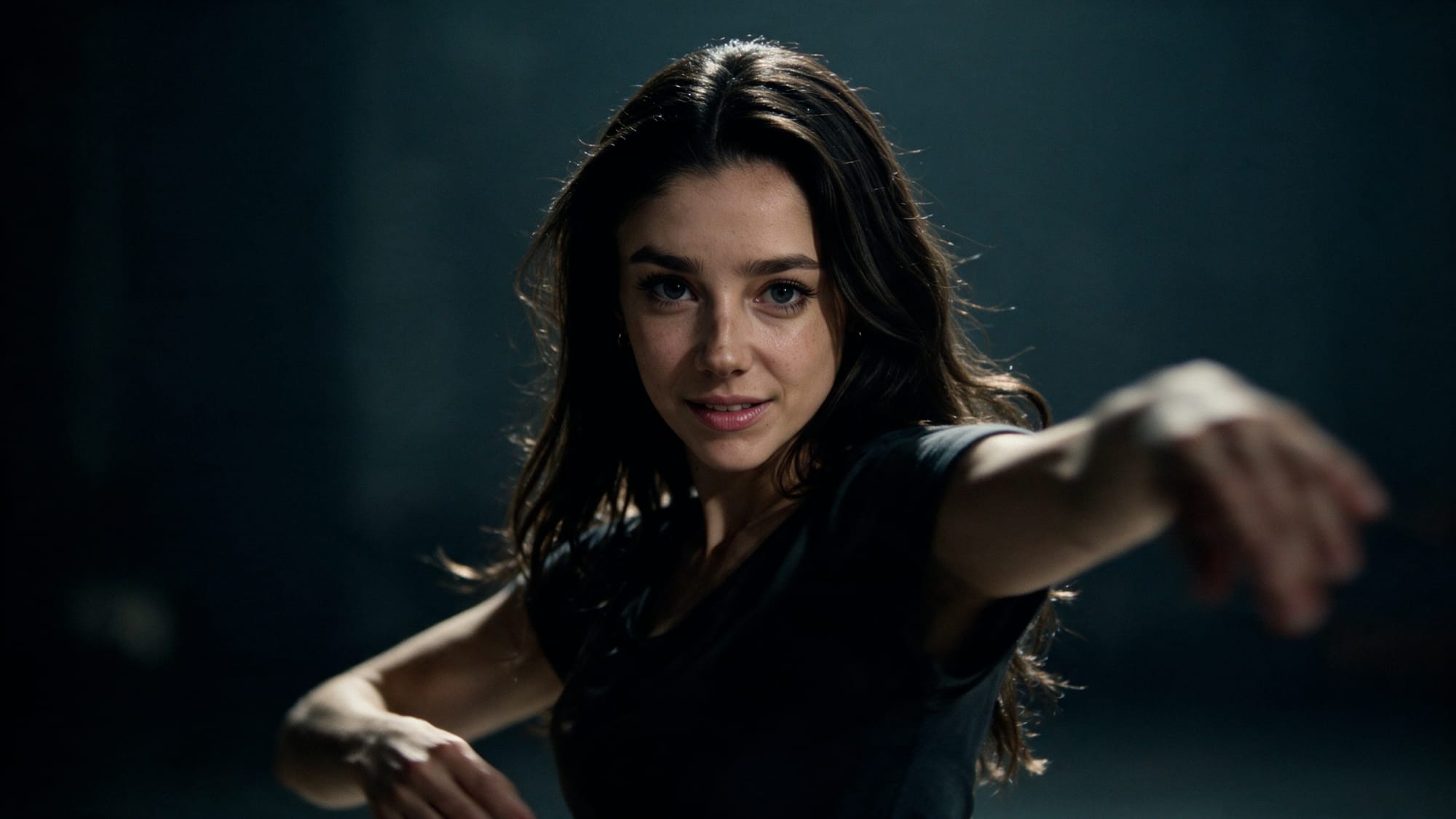
At the time of SoapLandTV’s interview, Tilly had gone through around 2,000 iterations and had been worked on by approximately 15 people over several months. Particle 6 was also using around 10 different tools, alongside technology developed by the company itself.
“People imagine a prompt goes in and, at the push of a button, a finished character comes out the other side. It's nothing like that. Tilly is about two thousand iterations deep, built by around fifteen people over many months, using roughly ten different tools plus proprietary layers we built on top of them. That's not a button press, that's a writers' room and a directors' room doing the job they've always done.”
Those numbers may naturally change as Tilly continues to develop, but they give a clearer picture of the work involved at this stage of the project. Creating a consistent appearance is only part of it, with the team also deciding how she reacts, how she speaks, what kind of humour she has and how she should behave in different situations.
That is where Eline believes much of the human work becomes invisible to the audience. The technology may create the final image or performance, but the choices behind what eventually appears on screen still have to be made and repeatedly refined.
“Every expression, every bit of comic timing, the way she'd actually answer a question like this one - someone made those choices, deliberately, and then refined them again and again. There's so much humanity that's needed in this process, otherwise, honestly, it's crap.”
She compares that unseen work to animation, where viewers may connect with a single character without necessarily thinking about the large creative team responsible for bringing that character to life. With Tilly, Particle 6 is trying to develop not only a recognisable face but a personality that feels consistent enough for audiences to understand who she is.
The visual identity came first, but Eline says the work has since moved much deeper into character development. Tilly is still being shaped, rather than being treated as a finished creation whose personality somehow emerged automatically from the technology.
“All of it. Nothing about Tilly emerged by itself. We built her from the outside in, like peeling an onion in reverse: the outer layer was her look, and now we're deep into building her personality, her humour, who she is and who she isn't.”
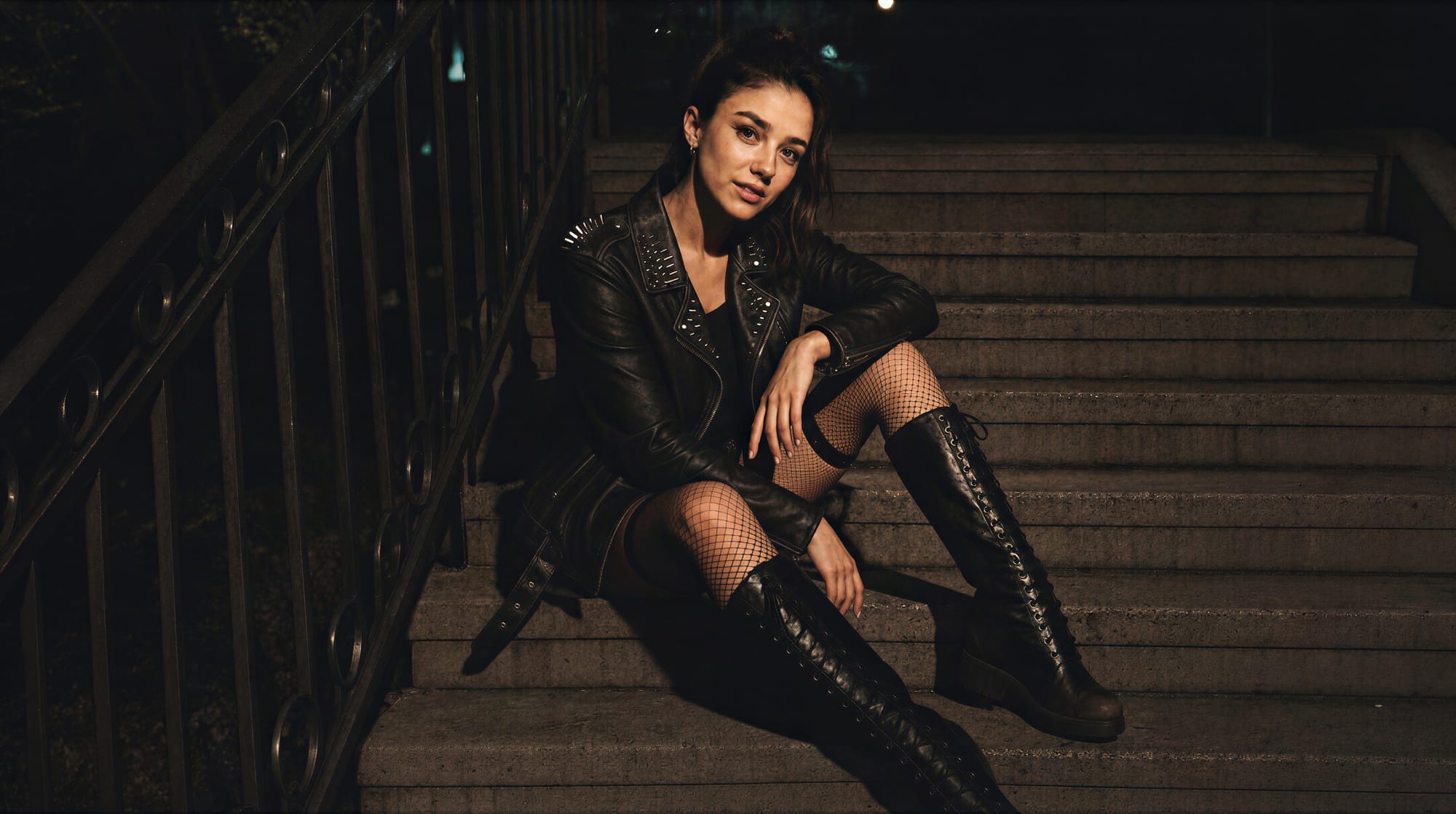
That process is continuing as Tilly moves into different forms of content. Eline is clear that the technology carries out what the team asks of it, but she does not believe that should be confused with the technology taking over the creative direction.
“That's ongoing work, not a finished product. The technology executes. The creative direction is entirely human, mine and my team's. I'd never claim otherwise, and I don't think anyone doing this work honestly would.”
The question of who is in control also becomes important when the conversation moves beyond how Tilly is made and into the wider debate around AI in entertainment. For Eline, using AI as a creative tool and using it to remove people from decisions they should be making are two very different things.
She argues that writers, directors and editors should remain involved in shaping the work, much as they would with any other production technique. That same principle also feeds directly into her position on consent, likeness and compensation.
“For me it comes back to control; who's actually directing the thing. You can direct a computer-generated character in a certain way, exactly like you'd direct Elsa in animation. As long as there are people behind that direction eg writers, directors, editors, making real choices, it's a tool, a new paintbrush, no different in principle from a camera or an edit suite.”
Eline is equally clear about where she believes problems begin. For her, the issue is not simply whether AI has been used, but whether it has been used without meaningful creative involvement or at somebody else’s expense.
“Where it goes wrong is if it's used to cut people out of decisions they should be making, or with no craft or intention behind it at all. That's why consent and fair compensation matter so much to me too. Tilly was deliberately built as an original, no prompt referencing a real person, precisely because that line matters.”
That means Particle 6’s position is that Tilly is not intended to recreate an existing performer’s face, voice or identity. Her appearance has instead been developed as an original fictional character, with the team deciding how she should look and gradually building the personality around her.

Eline also believes the creative industries need to be involved in setting the standards for how this technology is used. Her concern is that if filmmakers, actors, writers and other creatives disengage completely, the rules may instead be shaped almost entirely by technology companies.
“Because someone was going to build entertainment content in this medium, and I wanted the creative industries to be the ones leading it rather than the tech industry. That's the whole thing for me.”
For Eline, being involved means having the opportunity to influence both the creative possibilities and the ethical boundaries. She quite rightly argues that AI is going to continue developing regardless, making it important for people with experience of the entertainment industry to have a meaningful role in deciding how it is used.
“If we sit back and let this technology develop without us, we lose the chance to set the ethics and the guidelines around it - as well as its heart and soul. Used well, this tech can be a real force for good for our industry.”
So, how is Tilly Norwood really made? The answer is considerably more involved than entering a description into an AI generator and waiting for a finished character to appear. At the time of our interview, Tilly represented thousands of iterations, around 15 people, numerous tools and months of creative decision-making, while work on her personality and identity was still continuing.
Whatever audiences ultimately think about AI-created entertainment, Eline wants the human involvement behind Tilly to be understood rather than overlooked. Her argument is not that concerns around AI should disappear, but that those concerns can exist alongside an acknowledgement that people are still responsible for shaping what Tilly becomes.
“That this was never about erasing the human hand; it's about extending what it can do. Every single version of Tilly that exists came from people making deliberate creative choices, the same as they would for any character, in any genre.”
That is also why she pushes back against the idea that the project has been created by people with no connection to performance or traditional entertainment. Her own career, she says, is one of the reasons she wants creatives involved in deciding where this technology goes next.
“I trained in musical theatre. I've spent my career as an actor and a comedian. I'm not the person trying to make performers redundant. I'm the person trying to make sure our industry gets to write the rules for this, instead of having them written for us.”
For Eline, that is ultimately the point behind Tilly Norwood. However sophisticated the technology becomes, she wants the character to be understood as the result of human decisions, creative direction and repeated experimentation, rather than something that simply appeared at the touch of a button.
The debate around AI in entertainment is unlikely to disappear, but Tilly offers a much clearer example of what is actually happening behind the scenes. Thousands of iterations, a sizeable creative team and multiple tools sit behind the finished character, while the work of defining who Tilly is continues to evolve.
Follow Tilly Norwood
You can follow Tilly Norwood on Instagram for her latest updates, appearances and new content, while the official Tilly Norwood website has more information about the character and the wider project.
In part two of our exclusive interview with Eline van der Velden, we explore the Tillyverse, why Tilly has no body, childhood or lived experience, her feature film Misaligned and what Particle 6 is developing next.
Article date 08/09/2026