Thomas Hitzlsperger Says Gay Footballers Still Face Barriers in Men's Game
Former Aston Villa midfielder Thomas Hitzlsperger explains why gay players still face barriers in men's football and calls for greater education.

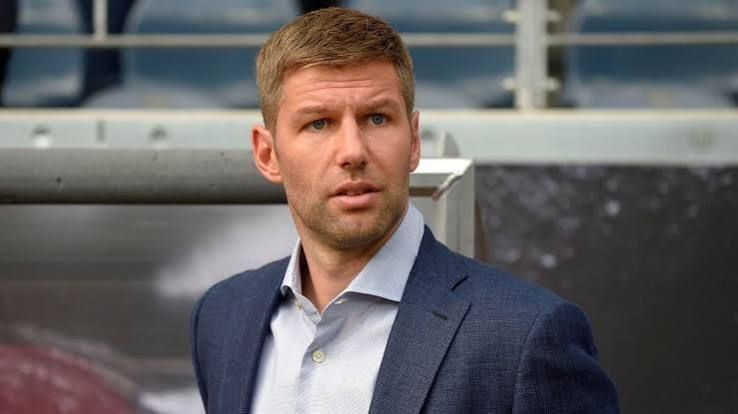
Former Aston Villa and Germany midfielder Thomas Hitzlsperger believes men's football still has a long way to go before gay players can feel comfortable being open about their sexuality. He has highlighted the differences between men's and women's football, arguing that expectations surrounding masculinity continue to create barriers for male players.
Having publicly come out after retiring from professional football, Hitzlsperger has become a prominent voice on LGBTQ+ inclusion within the sport. His experiences have helped shape his views on why so few professional male footballers speak openly about their sexuality, despite growing acceptance in other areas of football.
Why Women's Football Is Different
Hitzlsperger has pointed to the number of openly lesbian footballers in the women's game, where players discussing their relationships and sexuality has become increasingly commonplace. Although women's football continues to face challenges, including the need for greater investment and continued growth, he believes attitudes towards sexuality are noticeably different.
Professional men's football presents a contrasting picture, with very few active, high-profile players publicly identifying as gay. Hitzlsperger believes this reflects wider social attitudes, particularly expectations surrounding masculinity and the pressure some men experience to conform to traditional ideas about how male footballers should behave.
The Pressure of Being Gay in Professional Football
Hitzlsperger's own playing career provides an important perspective on those concerns. The former midfielder represented Germany internationally and played for clubs including Aston Villa, Stuttgart, West Ham United and Everton before announcing his retirement and subsequently coming out as gay.
He has spoken about the difficulties of understanding his sexuality while competing professionally, particularly when injuries and concerns about his playing form were affecting his confidence. He feared that coming out while struggling on the pitch could lead to additional scrutiny or encourage others to make assumptions about his performances.
Despite those concerns, Hitzlsperger has described receiving an overwhelmingly positive response after publicly discussing his sexuality. The experience challenged some of his earlier fears about rejection and demonstrated that support could come from people both inside and outside football.
However, he believes the reluctance of some former professionals to discuss their sexuality suggests the pressures extend beyond the dressing room. Retirement may remove the immediate demands of professional competition, but it does not necessarily eliminate concerns about public reactions.
Why Footballers Should Be Allowed to Come Out on Their Own Terms
Hitzlsperger has also raised concerns about the media's approach to gay footballers, particularly the desire to identify the next prominent male player who might publicly come out. He believes greater consideration should be given to supporting individuals rather than treating their sexuality as a potential headline.
While he supports greater LGBTQ+ visibility in football, he has argued that players should be allowed to make personal decisions about disclosure without pressure from journalists or the wider public. Every footballer's circumstances are different, and being open about sexuality should remain an individual choice.
Education and Changing Attitudes in Football
Hitzlsperger believes education is an important part of addressing discrimination, particularly when young people are developing their understanding of sexuality and respect for others. He supports introducing conversations about inclusion from an early age, helping children recognise prejudice and understand why people should not face discrimination because of their identity.
The Premier League's With Pride initiative provides an example of how football organisations are addressing these issues through education, community engagement and support for LGBTQ+ people. Its work includes resources for schools, inclusion programmes for academy players and training for club staff.
The programme also supports LGBTQ+ supporters' groups, strengthens discrimination reporting procedures and provides access to confidential assistance through the LGBTQ+ charity Switchboard. These measures are intended to encourage greater understanding across football, from young players entering academy systems to established professionals and supporters.
For Hitzlsperger, the wider challenge is not simply encouraging more gay footballers to come out, but addressing the attitudes that make some feel unable to do so. His experiences demonstrate the importance of creating a sporting environment where players can concentrate on their careers without fearing that their sexuality will become a source of unwanted attention.