The Ultimate Wimbledon Guide: Tickets, Travel, History And Visitor Tips
Wimbledon is more than a tennis tournament. For two weeks every summer, a corner of southwest London becomes the centre of the sporting world as the world’s best players compete for one of the most prestigious titles in sport.


Wimbledon is more than a tennis tournament. For two weeks every summer, a corner of southwest London becomes the centre of the sporting world as the world’s best players compete for one of the most prestigious titles in sport.
Known officially as The Championships, Wimbledon is the oldest tennis tournament in the world and the only Grand Slam still played on grass courts. It combines elite sport, British tradition and a unique atmosphere that attracts visitors from across the UK and around the globe.
Whether you are planning your first visit, hoping to secure tickets through The Queue, travelling from overseas, or simply looking to understand why Wimbledon remains one of the most famous sporting events on the planet, this guide covers everything you need to know.
The History of Wimbledon
The story of Wimbledon began in 1877 when the All England Croquet Club organised a lawn tennis championship at its original site on Worple Road.
Just 22 players entered the inaugural Gentlemen’s Singles competition, and around 200 spectators watched Spencer Gore become the first Wimbledon champion.
As lawn tennis grew in popularity, the tournament expanded. Ladies’ Singles and Gentlemen’s Doubles were added in 1884, helping establish Wimbledon as the leading tennis event of its era.
By the early twentieth century, Wimbledon had become an international sporting attraction. The Championships outgrew the original venue and in 1922 moved to its current home on Church Road, where it remains today.
Over the decades Wimbledon has survived two World Wars, adapted to television, embraced global audiences and welcomed generations of champions. Despite these changes, it has retained many traditions that make it instantly recognisable.
Today, Wimbledon is one of four Grand Slam tournaments alongside the Australian Open, French Open and US Open, but many players still regard winning Wimbledon as the pinnacle of the sport.
Why Wimbledon Is Different
Every major tennis tournament has its own character.
The Australian Open is known for its summer atmosphere, the French Open for clay court endurance and the US Open for its energy and spectacle.
Wimbledon is different.
The Championships combine elite sport with tradition in a way unmatched anywhere else. From the grass courts to the all white clothing rules, Wimbledon carefully protects its heritage while continuing to modernise behind the scenes.
Visitors quickly notice that Wimbledon feels unlike most major sporting events. The atmosphere is relaxed but respectful. Crowds queue patiently. Players walk through carefully maintained grounds. Even Centre Court carries a sense of occasion that has remained largely unchanged for generations.
It is this balance between tradition and modern sport that makes Wimbledon special.
The Famous Grass Courts
One of the biggest differences between Wimbledon and the other Grand Slams is the playing surface.
Wimbledon is the only major tournament still played on grass.
Grass courts create a unique style of tennis. The ball travels lower and often faster than on clay or hard courts, rewarding quick reactions, movement and precision.
Maintaining these courts is a remarkable achievement. Grounds staff spend months preparing them for the tournament, carefully managing the grass to ensure consistent playing conditions.
Centre Court is the most famous tennis court in the world, but the outside courts often provide some of the most memorable moments of the fortnight.
Many experienced visitors spend their mornings watching future stars and top players from just a few rows away on the outer courts before heading to the larger show courts later in the day.
Wimbledon Traditions:

Few sporting events are associated with tradition as strongly as Wimbledon.
Some customs have changed over time, while others remain central to the tournament’s identity.
1.The All White Dress Code
Players are required to wear predominantly white clothing while competing.
The rule dates back to the Victorian era and remains one of Wimbledon’s most recognisable traditions.
While other tournaments allow colourful outfits, Wimbledon continues to enforce strict clothing regulations, creating a distinctive appearance across the grounds.
2.Strawberries and Cream
No Wimbledon tradition is more famous than strawberries and cream.
Hundreds of thousands of portions are served during the tournament every year, becoming almost as iconic as the tennis itself.
For many visitors, enjoying strawberries and cream while watching play is an essential Wimbledon experience.
3.The Royal Connection
Members of the Royal Family have long attended Wimbledon.
The Royal Box on Centre Court regularly hosts senior royals alongside sporting legends, politicians and international guests.
The connection between Wimbledon and British royalty has helped reinforce the tournament’s status as a national institution.
Wimbledon Through the Decades
The Championships have produced countless memorable stories.
Every generation has its own defining champions and unforgettable moments.
The tournament has witnessed dominant champions, dramatic upsets, emotional victories and some of the greatest matches ever played.
From the amateur era to the modern global game, Wimbledon has remained at the heart of tennis history.
Its honours boards feature some of the most celebrated names in sport, including Björn Borg, Martina Navratilova, Pete Sampras, Steffi Graf, Roger Federer, Serena Williams, Novak Djokovic and Andy Murray.
Each champion has added another chapter to Wimbledon’s story.
Why Wimbledon Captures Global Attention
Many sporting events are watched around the world.
Few become part of a nation’s summer calendar in the same way Wimbledon does in Britain.
For two weeks every year, Wimbledon dominates headlines, television schedules and conversations across the country.
The tournament appeals not only to tennis fans but also to casual viewers who may watch only a handful of matches each year.
Part of its appeal lies in its unpredictability. Every tournament creates new stories, whether it is an emerging teenager, a veteran champion, a British hopeful or a dramatic five set battle on Centre Court.
Combined with its traditions, history and atmosphere, Wimbledon remains one of the most recognisable sporting events on Earth
Wimbledon By The Numbers
Some of Wimbledon’s most impressive statistics highlight the scale of the event.
- First Championships: 1877
- Current venue since: 1922
- Grand Slam tournaments: 4
- Championship courts: 18
- Centre Court capacity: around 15,000
- Total grounds capacity: over 42,000
- Tennis balls used each year: approximately 55,000
- Visitors during the fortnight: hundreds of thousands
- Global television audience: hundreds of millions
- Prize money fund: more than £50 million
These figures demonstrate how a tournament that began with just 22 competitors has grown into one of the biggest sporting events in the world.
What Makes Wimbledon A Bucket List Event?
For many sports fans, visiting Wimbledon sits alongside attending the Olympics, the FIFA World Cup or The Masters.
The appeal is not simply the tennis. It is the experience.
Walking through the gates, seeing the perfectly maintained grass courts, hearing applause echo around Centre Court and sharing strawberries and cream on a summer afternoon creates memories that last long after the tournament ends.
Whether you arrive with a Centre Court ticket, secure a Ground Pass through The Queue or simply visit to soak up the atmosphere, Wimbledon offers a sporting experience unlike any other.
In the next section of this guide, we explain tickets, The Queue, Ground Passes, Centre Court, No.1 Court, Debenture Tickets and how to secure the best possible Wimbledon experience.
Wimbledon Tickets Explained
One of the biggest misconceptions about Wimbledon is that tickets are impossible to obtain.
While Centre Court seats for the biggest matches are understandably in high demand, there are actually several ways to attend The Championships.
Understanding the different ticket options can make the difference between a stressful experience and a memorable day at one of the world’s greatest sporting events.
The Public Ballot
The Wimbledon Public Ballot is the main route for spectators hoping to secure tickets in advance.
Applications usually open several months before the tournament and successful applicants are randomly selected.
Ballot tickets offer some of the best value available, often providing guaranteed access to Centre Court, No.1 Court or No.2 Court at face value prices.
Demand significantly exceeds supply, but entering the ballot remains the simplest way to obtain official tickets.
The Queue
Perhaps the most famous ticketing system in world sport is The Queue.
Unlike most major events, Wimbledon reserves thousands of tickets each day for people willing to queue in person.
For many visitors, joining The Queue has become part of the Wimbledon experience itself.
Some spectators arrive the evening before and camp overnight, particularly during the opening days of the tournament when demand is highest.
Others arrive early in the morning hoping to secure a Ground Pass.
The system relies largely on trust, organisation and patience, making it a uniquely British experience that regularly fascinates overseas visitors.
Ground Passes
Ground Passes are often the best value ticket available.
A Ground Pass provides access to the Wimbledon grounds and most outside courts, although it does not include reserved seating on Centre Court or No.1 Court.
Many experienced visitors actively prefer Ground Passes.
Outside courts often allow spectators to sit much closer to players than is possible on the main show courts.
Some of the tournament’s most exciting matches take place on these courts during the opening week.
Ground Pass holders can also enjoy The Hill, explore the grounds, visit practice areas, shops and restaurants, and watch world class tennis throughout the day.
Debenture Tickets
Debenture Tickets are often regarded as the premium Wimbledon experience.
These tickets provide guaranteed access to reserved seating on Centre Court or No.1 Court, along with access to exclusive restaurants, bars and hospitality facilities.
Debenture tickets can legally be resold, meaning they are often available through authorised hospitality and ticket providers.
Although considerably more expensive than standard tickets, they remain one of the most reliable ways to secure seats for the biggest matches.
Centre Court vs No.1 Court
A common question among first time visitors is whether Centre Court is always the best option.
The answer depends on what type of Wimbledon experience you want.
1.Centre Court
Centre Court is the heart of Wimbledon.
It hosts the biggest matches, the finals and many of the sport’s biggest stars.
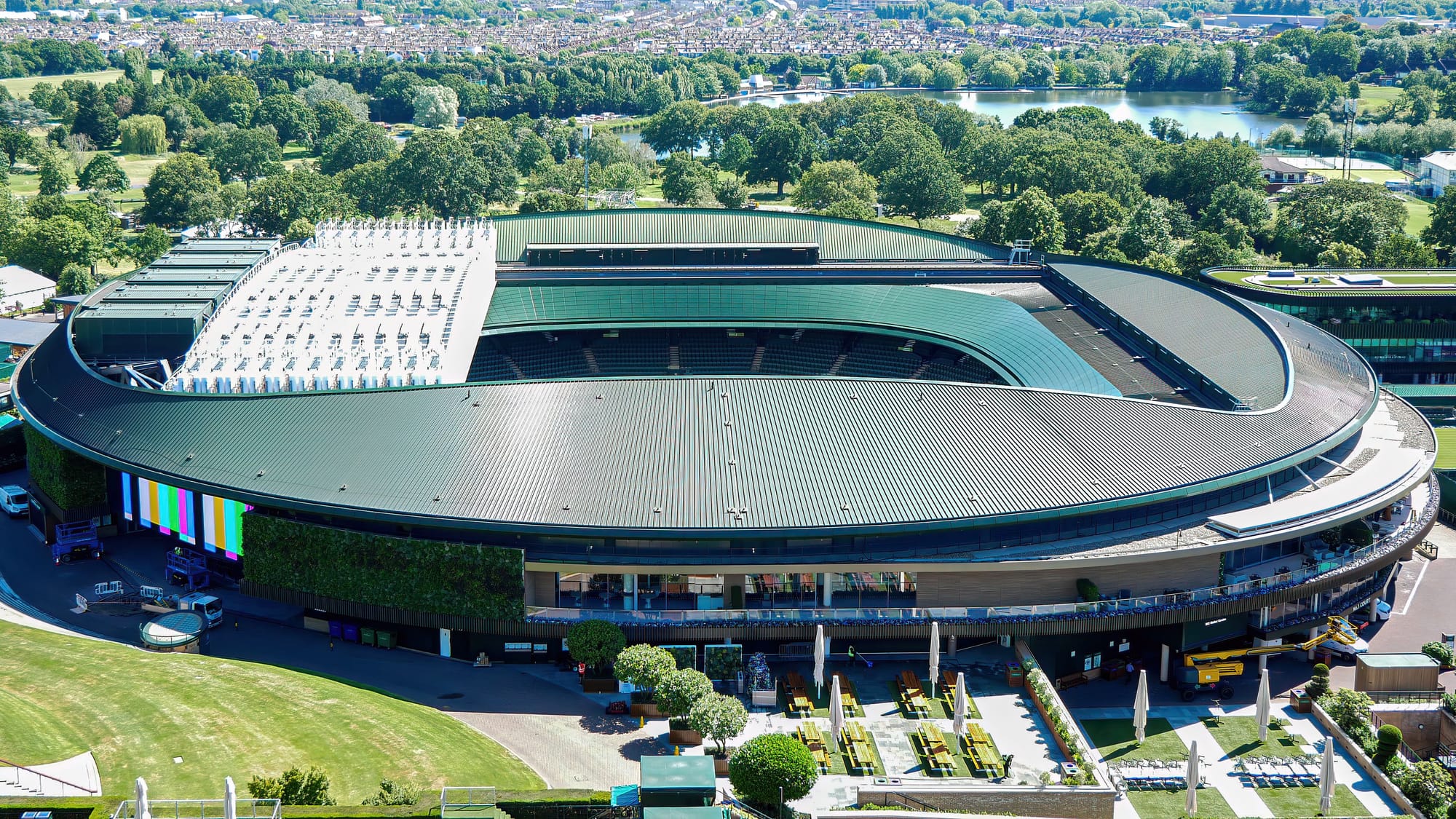
The court has a capacity of approximately 15,000 spectators and features the famous retractable roof introduced in 2009.
For many visitors, simply walking into Centre Court is a bucket list moment.
2.No.1 Court
No.1 Court often provides excellent value and a slightly more relaxed atmosphere.
The court hosts many top players and major matches throughout the tournament while generally being easier and cheaper to access than Centre Court.
Many seasoned Wimbledon visitors argue that No.1 Court offers one of the best viewing experiences on the grounds.
3.Outside Courts
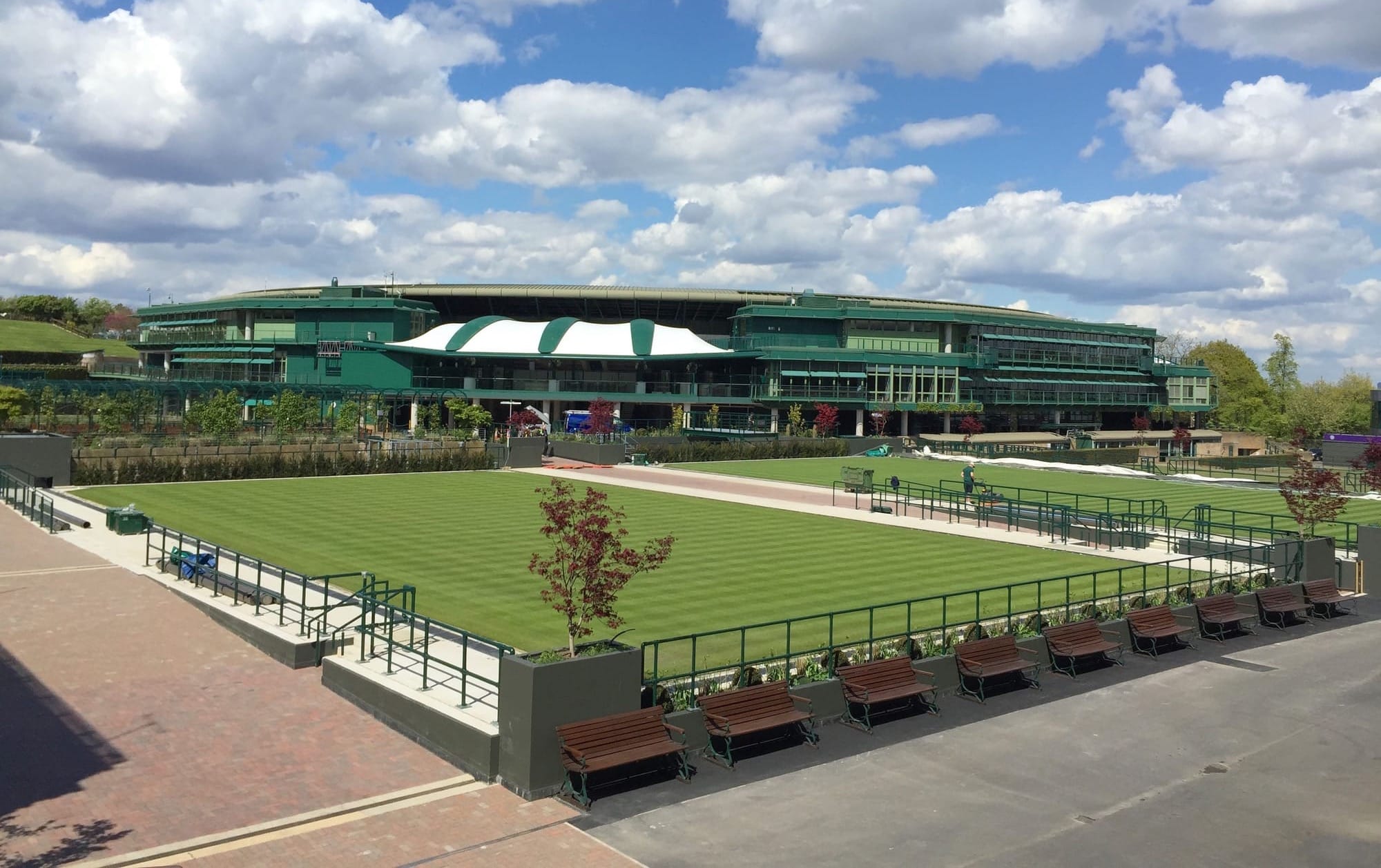
Do not underestimate the outside courts.
Watching a future champion from only a few metres away is one of the unique pleasures of Wimbledon.
Many tennis enthusiasts spend their mornings exploring these courts before heading to larger arenas later in the day.
The Wimbledon Queue Explained
Few sporting traditions are as famous as The Queue.
Every year thousands of people arrive at Wimbledon Park hoping to obtain tickets for that day’s play.
Queue cards are distributed to maintain order and ensure fairness.
Those arriving early are given priority and eventually move towards the ticket sales area when gates open.
The Queue has become almost a social event in its own right.
Visitors share food, chat with fellow tennis fans and often make new friends while waiting.
For overseas visitors, it frequently becomes one of the most memorable aspects of the Wimbledon experience.
Tips For The Queue:
- Arrive as early as possible.
- Bring food and water.
- Carry a portable phone charger.
- Check weather forecasts.
- Wear comfortable clothing.
- Bring a foldable chair if planning a long wait.
- Download the Wimbledon app before arrival.
Food And Drink At Wimbledon
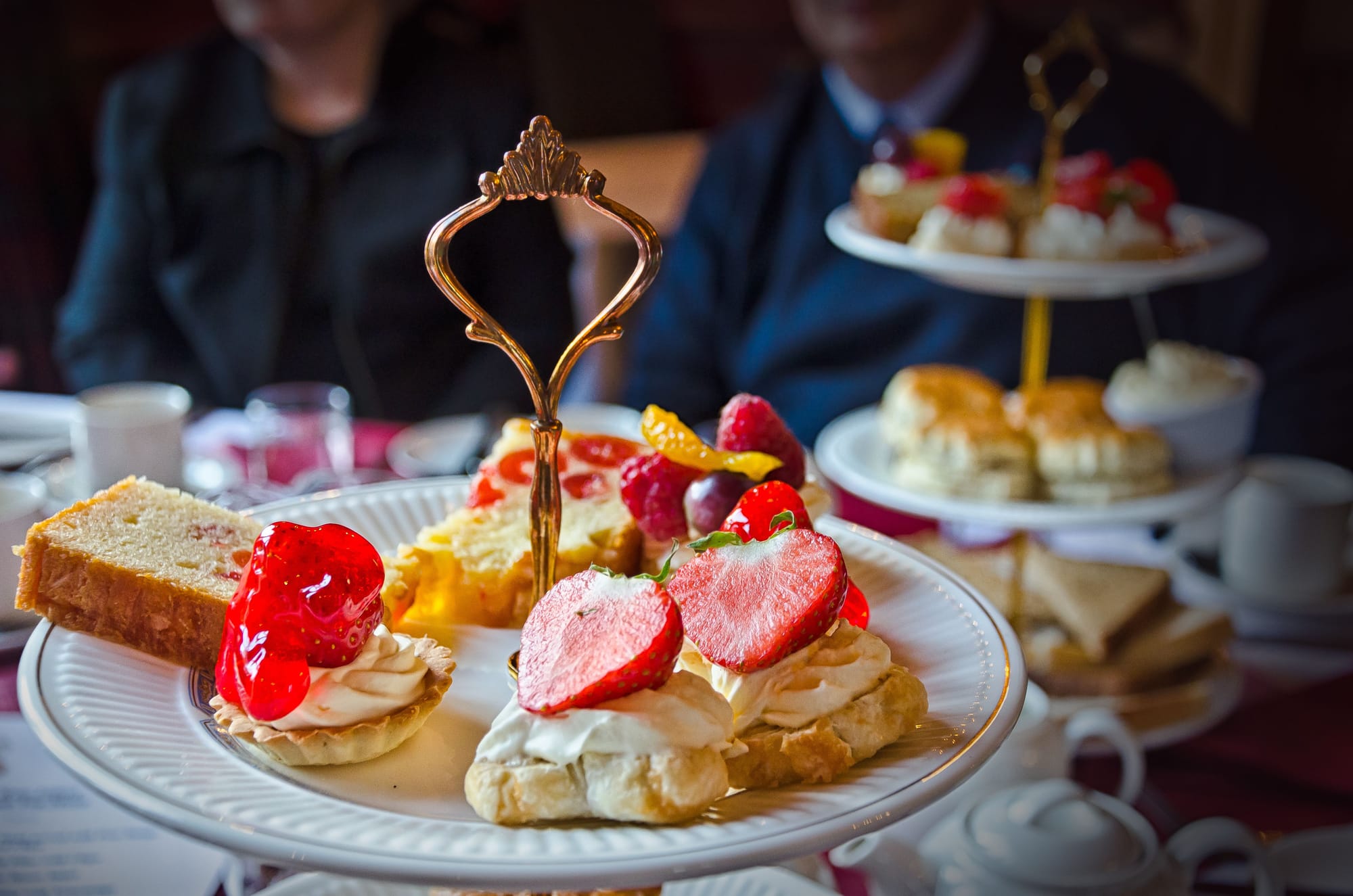
Many first time visitors are surprised by the quality and variety of food available across the grounds.
From traditional strawberries and cream to fine dining experiences, Wimbledon caters for a wide range of tastes and budgets.
Popular options include:
- Strawberries and cream
- Fish and chips
- Sandwiches and salads
- Afternoon tea
- International cuisine
- Coffee and bakery outlets
- Hospitality restaurants
Visitors may also bring their own food into the grounds.
This makes Wimbledon easier to enjoy on a budget than many major sporting events.
Limited amounts of alcohol are also permitted, subject to tournament regulations.
What To Wear At Wimbledon
Unlike players, spectators are not required to follow an official dress code.
However, many visitors enjoy dressing smartly for the occasion.
You will see everything from casual summer clothing to suits, dresses and business attire.
Comfort should remain the priority.
Wimbledon involves a considerable amount of walking, particularly for Ground Pass holders exploring multiple courts throughout the day.
Recommended items include:
- Comfortable footwear
- Light waterproof jacket
- Sunglasses
- Hat
- Refillable water bottle
- Portable charger
- Light layers for changing weather
The British summer can deliver sunshine, wind and rain all within the same afternoon.
Being prepared makes a significant difference.
The Hill
The Hill, located beside Centre Court, has become one of Wimbledon’s most iconic locations.
Thousands gather on the grass throughout the tournament to watch live coverage on giant screens.
It provides a festival atmosphere unlike anywhere else at the Championships.
Visitors often arrive early to secure a good viewing position before spending the afternoon enjoying tennis, picnics and the unique Wimbledon atmosphere.
For many spectators, The Hill represents Wimbledon at its most relaxed and enjoyable.
First Time Visitor Checklist
Before setting off for Wimbledon, make sure you have:
✓ Tickets or Queue plans confirmed
✓ Wimbledon app downloaded
✓ Fully charged phone
✓ Portable charger
✓ Comfortable footwear
✓ Rain protection
✓ Photo identification
✓ Travel plans confirmed
✓ Weather forecast checked
✓ Bank card for cashless payments
With a little preparation, your first visit to Wimbledon can quickly become one of your favourite sporting memories.
Greatest Wimbledon Moments
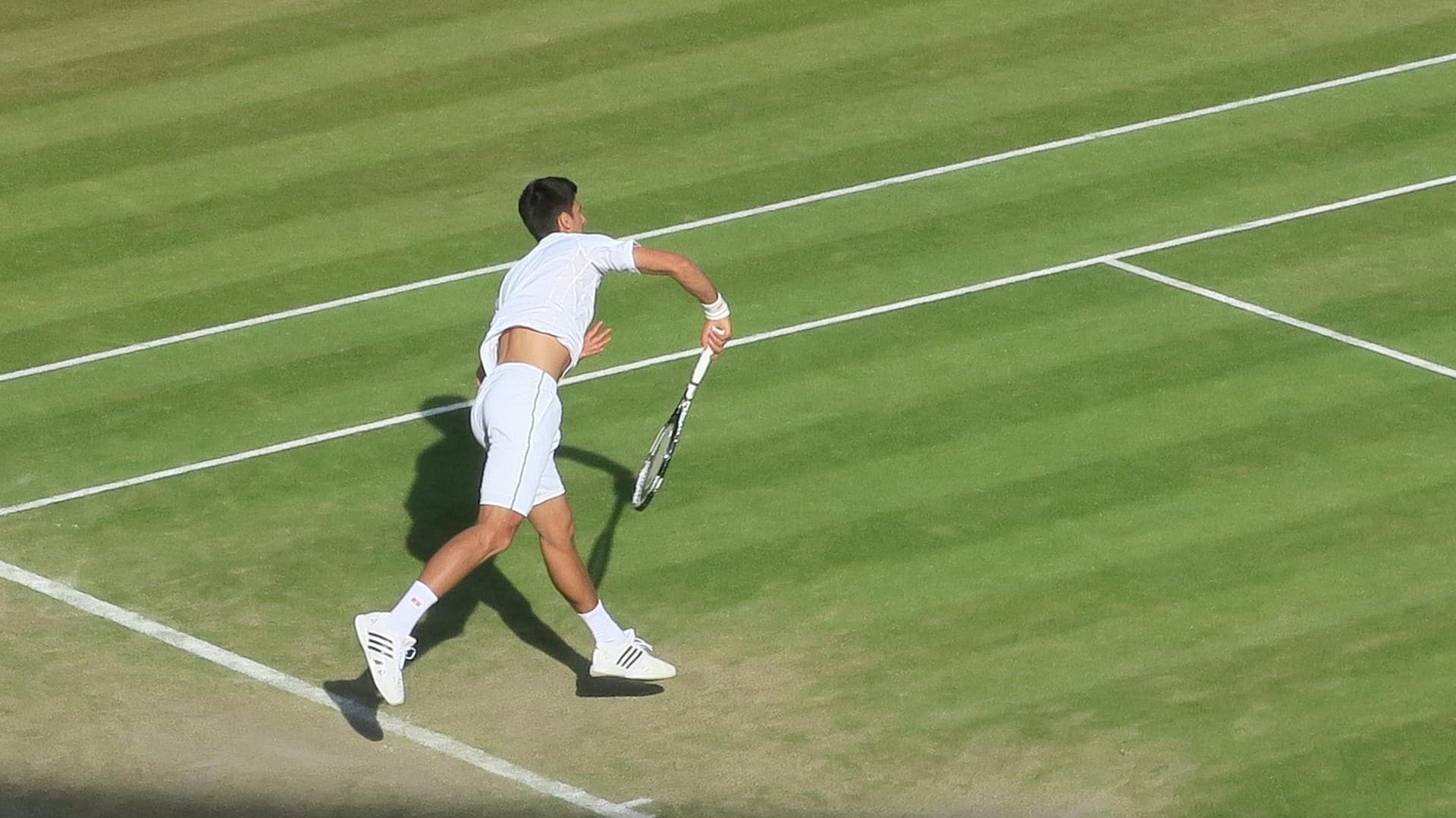
Wimbledon has produced some of the most iconic moments in sporting history. These matches and achievements are remembered not only by tennis fans but by sports lovers around the world.
Roger Federer vs Rafael Nadal (2008)
Often described as the greatest tennis match ever played, the 2008 Wimbledon final saw Rafael Nadal finally end Roger Federer’s dominance on Centre Court.
Federer entered the match seeking a sixth consecutive Wimbledon title, while Nadal arrived determined to prove he could conquer grass as well as clay.
After two rain delays and almost five hours of extraordinary tennis, Nadal prevailed 6-4, 6-4, 6-7, 6-7, 9-7 in fading light. The match became a defining moment in tennis history and marked the beginning of a new era.
John Isner vs Nicolas Mahut (2010)
No Wimbledon record is likely to be broken quite like this one.
The first round match between American John Isner and Frenchman Nicolas Mahut lasted an astonishing 11 hours and 5 minutes over three days.
The deciding set alone finished 70-68 in Isner’s favour.
Scoreboards malfunctioned, spectators returned day after day and the match captured worldwide attention. It remains the longest tennis match ever played.
Björn Borg vs John McEnroe (1980)
The 1980 final remains one of the most famous contests in Wimbledon history.
McEnroe saved multiple championship points during a legendary fourth set tiebreak that ended 18-16 before Borg eventually claimed victory in five sets.
The match helped establish both players as sporting icons and remains required viewing for tennis fans.
Andy Murray Ends Britain’s Wait (2013)
For generations, British tennis fans dreamed of seeing a home champion lift the Gentlemen’s Singles trophy.
That dream finally became reality when Andy Murray defeated Novak Djokovic in straight sets to become the first British men’s singles champion since Fred Perry in 1936.
The emotional victory triggered celebrations across Britain and secured Murray’s place among the nation’s greatest sporting figures.
Virginia Wade’s Fairytale Victory (1977)
Virginia Wade delivered one of the most memorable British sporting achievements by winning Wimbledon during the tournament’s centenary year.
Her triumph came during Queen Elizabeth II’s Silver Jubilee celebrations, making the occasion even more special.
Wade remains the last British woman to win the Wimbledon singles title.
Jana Novotná’s Tears (1993)
Not every memorable Wimbledon moment involves victory.
After surrendering a commanding lead against Steffi Graf in the final, Jana Novotná broke down in tears during the trophy presentation.
She was famously comforted by the Duchess of Kent in one of the most emotional scenes ever witnessed on Centre Court.
Novotná eventually achieved redemption by winning Wimbledon in 1998.
Martina Navratilova’s Ninth Wimbledon Title (1990)
Martina Navratilova’s dominance on grass remains unmatched.
Her victory in 1990 secured a record ninth Wimbledon singles title, a record that still stands today.
Her achievements helped define an era and cemented her status as one of the greatest players in tennis history.
Roger Federer’s Fifteenth Grand Slam Title (2009)
Federer’s victory over Andy Roddick in the 2009 final secured his fifteenth Grand Slam title, breaking Pete Sampras’s previous record.
The final featured a fifth set that stretched to 16-14 and further enhanced Federer’s reputation as one of the sport’s greatest champions.
Serena Williams Equals Steffi Graf (2016)
Serena Williams captured her seventh Wimbledon singles title in 2016, matching Steffi Graf’s total of 22 Grand Slam singles titles.
Her success at Wimbledon formed a major part of one of the most dominant careers in sporting history.
Boris Becker’s Breakthrough (1985)
At just 17 years old, Boris Becker stunned the tennis world by winning Wimbledon as an unseeded teenager.
His fearless style and spectacular diving volleys instantly made him a fan favourite.
Becker remains the youngest men’s singles champion in Wimbledon history.
Wimbledon Legends
Certain players have become inseparable from Wimbledon itself.
Roger Federer - Eight Wimbledon singles titles and countless memorable performances have made Federer one of the greatest grass court players ever.
Martina Navratilova - Holder of the record nine women’s singles titles and widely regarded as one of the greatest competitors in tennis history.
Serena Williams - Seven Wimbledon singles crowns helped establish Serena as one of sport’s most dominant champions.
Novak Djokovic - One of the most successful modern Wimbledon champions, regularly challenging Federer’s records.
Pete Sampras - Seven Wimbledon titles during the 1990s transformed Sampras into the dominant grass court player of his generation.
Björn Borg - Five consecutive Wimbledon titles between 1976 and 1980 remain one of the sport’s greatest achievements.
Billie Jean King- A pioneer for women’s sport and one of Wimbledon’s most influential champions.
Steffi Graf- Her elegance and success on grass made her one of the defining players of her era.
Andy Murray - The British champion who finally ended the nation’s decades-long wait for a men’s singles winner.
Virginia Wade - One of Britain’s most beloved sporting champions and the last British woman to lift the singles trophy.
Wimbledon Prize Money Explained
Wimbledon offers one of the largest prize funds in professional tennis.
The champions receive several million pounds each, while even players eliminated in the early rounds earn significant sums.
Prize money is awarded equally to men and women, reflecting Wimbledon’s commitment to equality at the highest level of the sport.
The financial rewards continue to increase as the tournament grows in popularity and global reach.
However, for many players, the prestige of becoming a Wimbledon champion remains even more important than the prize money itself.
Winning Wimbledon guarantees a place in sporting history.
FAQs
1.Can I buy Wimbledon tickets on the day?
Yes. Thousands of tickets are made available daily through The Queue.
2.What is a Ground Pass?
A Ground Pass provides access to the grounds and most outside courts but not reserved Centre Court or No.1 Court seating.
3.Can I bring food into Wimbledon?
Yes. Visitors may bring food and limited refreshments into the grounds.
4.Can I bring alcohol?
Limited amounts are permitted, subject to current Wimbledon regulations.
5.Is there a dress code for spectators?
No official dress code exists for spectators, although many visitors choose smart summer clothing.
6.Is Wimbledon cashless?
Most purchases are now made using contactless card payments and digital methods.
7.What happens if it rains?
Centre Court and No.1 Court have retractable roofs, allowing play to continue in many situations.
.8Can children attend Wimbledon?
Yes. Wimbledon welcomes families, although younger children may find full days challenging.
9.Can I watch players practise?
Yes. Practice courts are often among the most popular attractions for visitors.
10.Is Wimbledon worth visiting without Centre Court tickets?
Absolutely. Many experienced visitors believe Ground Passes offer the best overall Wimbledon experience.
Final Thoughts
Few sporting events combine history, tradition and world class competition quite like Wimbledon.
Whether you dream of sitting on Centre Court, exploring the outside courts with a Ground Pass, enjoying strawberries and cream on The Hill or simply soaking up the atmosphere of The Championships, Wimbledon delivers a unique experience that remains unmatched in world sport.
From its origins in 1877 to its position today as the most famous tennis tournament on Earth, Wimbledon continues to captivate players and spectators alike.
For first time visitors, it is a bucket list experience.
For returning visitors, it becomes an annual tradition.
And for tennis fans everywhere, Wimbledon remains the tournament against which all others are measured.
Updated June 2026
Sources: The All England Lawn Tennis Club (Wimbledon Official Website), Wimbledon Museum and History Archive, Wimbledon Championships Visitor Information, ATP Tour, WTA Tour, International Tennis Hall of Fame, BBC Sport Wimbledon Coverage